Thinking… the activity of using our mind to consider something; the process of using our mind to understand matters, make judgments and solve problems… that is what the dictionary says and says more and then sites many lovely examples:
“I had to do some quick thinking.”
“She explained the thinking behind the campaign.”
“Thinking, for me, is hard work!”
Our mind, coloured by a plethora of this and that, happy and sad, a sea of information, thinks in isolation, yet always a part of the collective unconscious. And how wonderful is it that this tinted mind, nevertheless, is fully capable to create something novel.
The thinking mind turns the wheel, knitting the society tighter. The juggernaut of sociocultural norms, in turn, fabricates the yarn for such a mind.
Avicenna or Ibn Sina (980 AD – 1037) was a physician, philosopher, astronomer, theologian, poet – a polymath – who greatly contributed to the Islamic Golden age. His book Al Qanun fi al Tibb or The Canon of Medicine, a medical encyclopedia, was studied as a textbook for medical education in many universities, also in Europe, up till the 17th Century.
Philosophical encyclopedias like Kitab al Shifa or The Book Healing and Kitab al-Isharat wa alTanbihat or The Book of Directive and Remarks presented Avicenna’s take on the Aristotelian and Platonian philosophy through the lens of an Islamic theologian.
*
Avicenna’s TheCanon of Medicine, Latin translation, dated 1484 CE. [Source – Wikimedia Commons]
A well-known physician, Avicenna got support from most of the rulers of his time – some made him a vizir or an advisor in their court – and the opportunity to access the royal library. Highly influenced by Aristotle, Avicenna also disagreed with the Greek polymath on many points.
One of us must suppose that he was just created at a stroke, fully developed and perfectly formed but with his vision shrouded from perceiving all external objects – created floating in the air or in the space, not buffeted by any perceptible current of the air that supports him, his limbs separated and kept out of contact with one another, so that they do not feel each other. Then let the subject consider whether he would affirm the existence of his self. There is no doubt that he would affirm his own existence, although not affirming the reality of any of his limbs or inner organs, his bowels, or heart or brain or any external thing. Indeed he would affirm the existence of this self of his while not affirming that it had any length, breadth or depth. And if it were possible for him in such a state to imagine a hand or any other organ, he would not imagine it to be a part of himself or a condition of his existence.
Avicenna
While this blogger will definitely take a lot of time to grasp these theories in entirety, she would like to appreciate the art of thinking that moulds the world in such a steady and grandiose manner.
The art of thinking, in which we participate daily and, most importantly, in the times of despair, is running the show as we then stand face to face our true being and raise questions, refute the botched theory and create a new one.
Avicenna wrote the floating/ flying man argument when imprisoned for around four months as a result of a political debacle – an argument that was later termed weak by the other thinkers.
But this is how the thinking mind works, it continues to question, argue and turn the wheel.
Not mine own fears, nor the prophetic soul Of the wide world dreaming on things to come, Can yet the lease of my true love control, Suppos’d as forfeit to a confin’d doom. The mortal moon hath her eclipse endur’d, And the sad augurs mock their own presage; Incertainties now crown themselves assur’d, And peace proclaims olives of endless age. Now with the drops of this most balmy time My love looks fresh, and Death to me subscribes, Since, spite of him, I’ll live in this poor rime, While he insults o’er dull and speechless tribes: And thou in this shalt find thy monument, When tyrants’ crests and tombs of brass are spent.
The idea of timelessness, eternity, immortality must be true as we wish, look and aim for it in some way or the other. Imagining living continuously, building and creating happy ways of life, chiselling and shaping the continuous source of happiness, we forgetfully live with the idea of forever.
The decisive time gone by, the melting present and the secret future, though definite, knows the indefinite. And one is lured, naturally, to know and identify with the indefinite. Why? For the indefinite is the absolute. So? The absolute appears to be complete, eternal, beyond the cyclic drama and free. Then? We may be a part of it or we too may want to be complete. And so? I don’t know, I am living forgetfully with the idea of forever, remember.
Shakespeare, the greatest and most famous playwright ever, via his works, attained immortality and this is what he celebrated in Sonnet 107. Full of creative splendour, he announced his lead on rusty cenotaphs and statues of the rulers.
The Battle at Gavelines and Elizabeth I at Tilbury (Pastiche). The painting presents a stylized account of the battle of Gravelines between the Spanish Armada and the English fleet, including the beacons, Elizabeth’s address at Tilbury, and the battle itself in a single montage on three jointed pieces of fine tabby-weave linen. [Source – Wikimedia Commons]
“The mortal moon hath her eclipse endured”
That the grand, rock-hard, grave and lovely moon too continues its finite journey, eroding gradually, black red white, suggests that the moon knows well the infinite’s will. Or else why will it so humbly accept its role? This long journey, then, is no less than a quiet meditation. The deep circular craters are the timekeepers and the moon knows it.
One of William Shakespeare’s renowned 154 Sonnets, Sonnet 107 is often linked with the contemporary events of the time: the defeat of the Spanish Armada (1588), Queen Elizabeth’s death (in 1603), the Long Turkish War (1593-1606); the Armada charged in a crescent formation, Queen Elizabeth was also called Cynthia (name of the Greek moon goddess), the Ottoman Empire’s flag boasted the crescent moon symbol.
In times so precarious, one would want to hold on to a secure thought or remember the limits of mortality, mocking unabashedly the warmongers and peace-lovers alike, or even hope to create something timeless.
Read the wonderfully crisp commentary on Sonnet 107, here.
Like flowers threaded to form a sheet, woven intricately, the free white petals settling in a designed pattern, accepting the arrangement with joy, like an endless beaded wave of fragrant flower-colours, the ragas also weave intricately musical framework that evokes fragrant feelings in a quiet listener’s mind.
Just like the perfection-loving flowers – the humble sepal, the vibrant petal, the ambitious anther – the ragas too know how to bloom to perfection. Capturing the exact mood that exudes the season’s essence perfectly, the ragas effortlessly scent time making it beautifully appreciable.
*
The scented time celebrates the raga – in Vilambit laya (slow tempo), Madhya laya (medium tempo), Drut laya (fast tempo) – accepting every melodic improvisation, evolving with each performance, never bothering with change, rather ushering it with consistent Riyaz (practice).
Overwhelming calculations keep the ragas free from vegetating and from the burden of the past that at times tries to confine its spirit, but almost always the spirit remembers to break free.
The many notations, the Swara, bring forth incessant improvisations, giving space to every emotional twist, forming an intricate, fragrant Mandala.
The ragas symbolise, like a flower threaded sheet, intricacies of life… and more.
Lat uljhi suljha ja balam
Piya more haath mein mehndi lagi hai
Lat uljhi suljha ja balam…
Mathe ki bindiya bikhar rahi hai
Apne hi haath laga ja balam
Lat uljhi suljha ja balam…
*
(Translation – Disentangle my hair, dear beloved/ I have applied henna on my hands/ So come and disentangle my hair, dear beloved/ The bindiya too is spreading on my forehead/ Correct it for me with your own hands, dear beloved/ Disentangle my hair, dear beloved)
This Bandish* in raga Bihag decorates time with a jasmine-rich fragrant emotion that vehemently values love and life.
*Bindiya – a colourful dot mark (of vermilion) worn between the eyebrows, especially by married Hindu women.
*Bandish – a composition in Hindustani classical music.
Listen to a melodious version of this bandish now.
One summer gleaming morning, back in the 90s, a musician woke up, looked at the world maze and its commuters when a rapturous beat filled his mind… it was a fusion, a fusion of ragga and bhangra beats… the musician knew it was the time to sweetly twist the great razzmatazz of the world maze drama.
Album – Make way for the Indian (1995) [Source – Wikipedia]
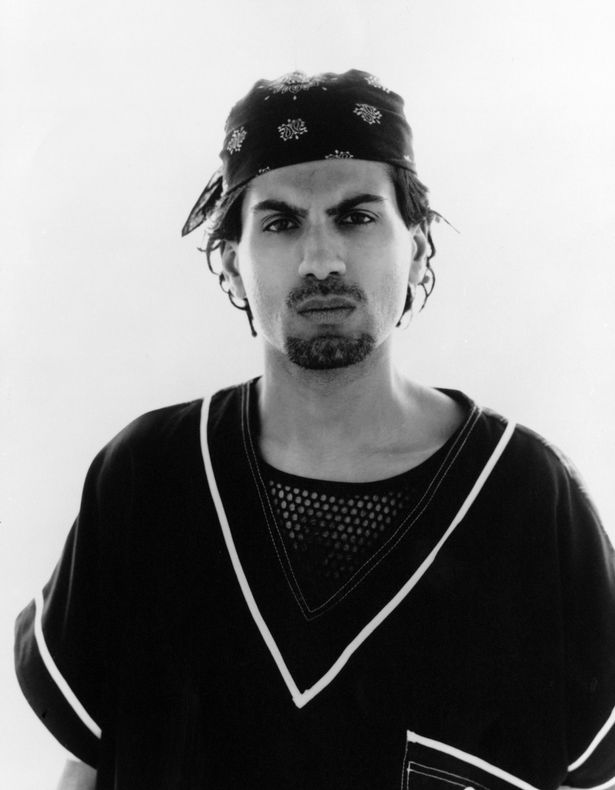
Apache Indian [Source – Birminghammail.co.uk]
Album – No Reservations (1993) [Source – Wikipedia]
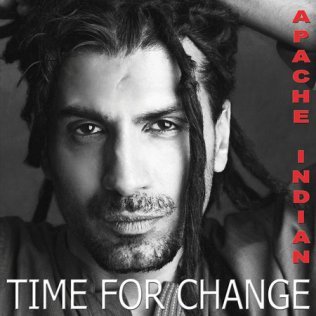
Album – Time for Change (2005) [Source – Wikipedia]
Album – Real People/ Wild East (1997) [Source – Wikipedia]
Steven Kapur aka Apache Indian (2015) [Source – Wikimedia Commons]
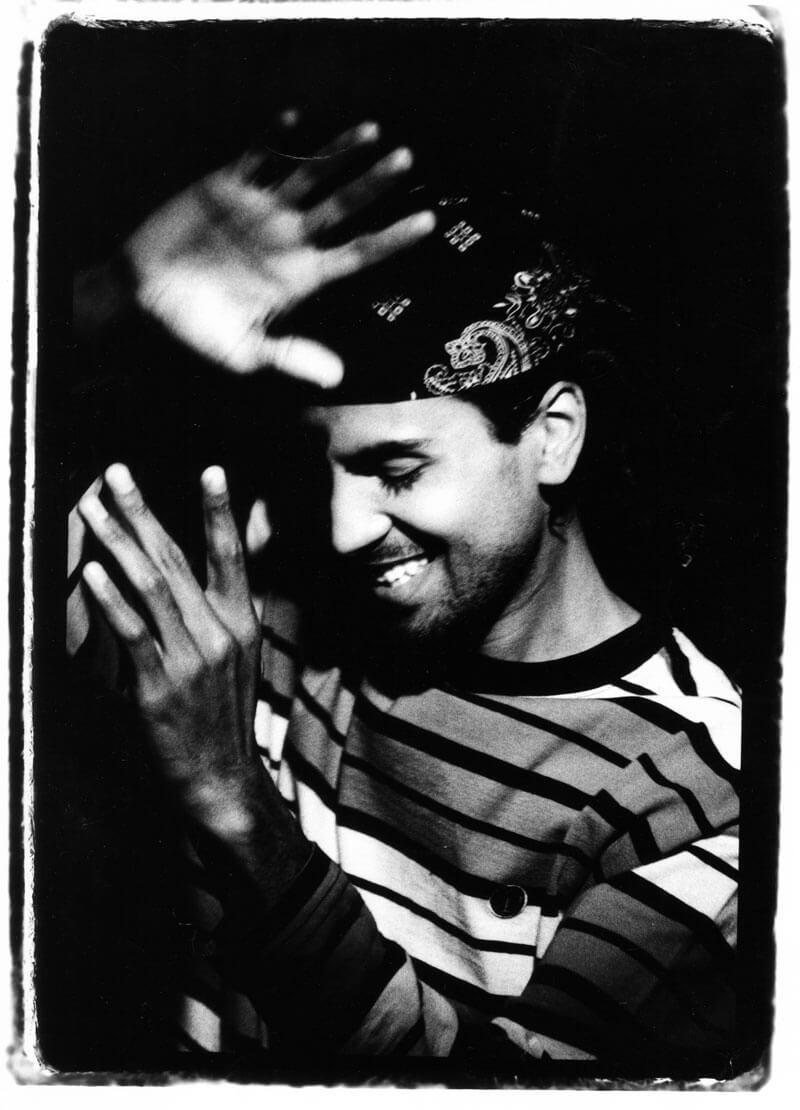
And so Apache Indian, the British Indian singer and reggae DJ, mixing cultures, tunes and beliefs, London to India via Jamaica, created a new wave that danced its way into stiff-grumpy-busy society’s heart. His funky hybrid tracks spoke bluntly but always with the spirit to bring a change.
Staying true to its roots – the reggae music genre is known to attack social evils – Apache Indian tried to arrest some fanatic dogmas and set free our handicapped progress.
*
“High caste low caste, we don’t want that,
Everyone equal, let us decide that.
High caste low caste, Sanu ni chahida (we don’t want that),
Saare jaane barabar (we are all equal), Maano rab da kehna (listen to the one God).”
Caste System – Apache Indian; Album – Nuff Vibes
*
“Caste System”, “Arranged Marriage”, “Aids Warning”, “Election Crisis” are some tracks that talk about an era and some persistent crippling ideas, all composed in an upbeat style. The very vigorous sounds of bhangra beats give these songs a desi, identifiable and yet refreshing touch; the east and the west amalgamates beautifully.
Then the peppy catchy dance numbers like “Boom Shack-A-Lak”, “Chok There”, “Don Raja”, “Ragamuffin Girl”, “Jump Up”, and “Celebrate” call out to all the listeners to enjoy the moment.
*
No.1 in a the Bombay chart Indian me a tear them apart When me come me bring a new stylee So listen crowd of people and you have to follow me Chok there – them a ball when they see the Indian Chok there – raggamuffin under style and pattern Chok there – when me come that a different fashion First tune a say me do no it reach No.1 In a the reggae charts and the Indian Chok there – see me face upon the television Chok there – hear me voice pon the radio station Promotor them a come them a rub off them hand Keeping a session and them want it fe ram Chok there – put me name pon the invitation Chok there – pon the gate go raise a million Me bring a brand new style upon the Island Fe the black a fe white and a fe the Indian So each and everyone come follow fashion
Chok there – dip your knee cork out you bottom Chok there – everyone in a the Bhangra fashion Nuff DJ them a have a fe them own stylee Some a wa da dong deng same a come follar me And some a them a say Oh Lord a mercy Pnumina ick pnumina do and also in a three But anytime me came me bring a brand stylee So listen crowd of people and you have to follow me…
Chok There; Songwriters: Simon Duggal, Diamond Duggal, Steven Kapur aka Apache Indian; Album – No Reservations
Apache Indian Music Academy, Handsworth. [Source – Birminghammail.co.uk]
Image by rcphotographyoriginal; source – Urban Asian
Experimenting freely and successfully, Apache Indian collaborated with many artists worldwide, from Sean Paul, Maxi Priest, Shaggy, Boy George to A. R Rahman, Asha Bhosle, Bally Sagoo, SteroNation and Jazzy B.
It was in the 90s, a summer dream that came true… not a super-sonic era, but moving towards one, grooving and listening to Apache Indian’s music… that was created with a hope, adding a little bit of this and that to ragamuffin magic, a hope to become better… a hope that is still alive.
Now a clear dot… now hazy… mixing with the clouds through and through, then beaming alone gloriously. Splattering moony clay, then rubbing it, greasing with it the deep dark sky.
Mirroring all the romantics and dream-talkers, the moony clay moulds itself to fit into the beholder’s eyes and patient hearts. It listens, nods and registers its reply with the artist.
Moony clay – an assiduous storyteller, slowly moving away – happily builds the wavy waves and like a sand clock shows the slipping time its way.
Singing joyously, dancing leisurely, the moony clay creates and fills the heart with hope, lost in splendour.
See how it re-shapes, re-writes its journey, certain of uncertainty in knowing… in knowing it all.
Is it the time for the fluttering bird to take a dip in the tiny cool puddle, and for the other one, that flame-throated bulbul, carrying a silky grass leaf to that topmost branch of that lush happy tree, to finish weaving its nest?
And is it the time for the Oo slithery snake, zigzagging like a threatening thought, to just be itself and rest in the sun, simply meditating, with its uncanny sense of smell taking in the jungle’s fragrance?
And… and is it the time for the slim sharp golden jackal, dancing a slow jazz twist otherwise, to sit under a tree with a full stomach, attentive ears and a cheerful beam?
And ohhh… is it the time then… for the lion-tailed macaques, frolicking as a rule, to alert-a-l-e-r-t-ALERT all in the jungle about the royal king’s visit?
Is it the time… I don’t know… there isn’t a clock in the jungle that tells time. Is there? Yes, there indeed is.
The animal and plant kingdom are joyful disciplined folks, every species, diurnal and nocturnal, breathe in the jungle’s air, finish all its chores on time, maintain a balanced diet, sip water leisurely and quietly rests zzz…
They keep following the clock that shines up in the sky – they follow the shadows and the white shimmery light at night and the rhythmical wind and the damp, dry, crumbly and chilly seasons.
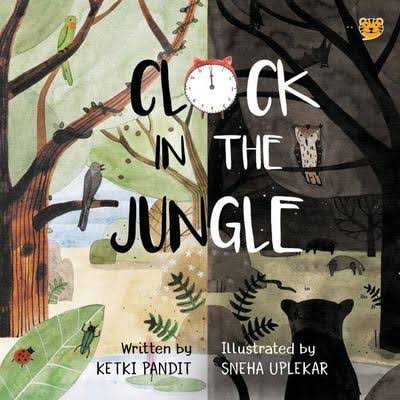
Clock in the Jungle (written by Ketki Pandit and illustrated by Sneha Uplekar) narrates in verse this saga of the punctual wildlife, revealing a powerful secret that every species adhere to by choice, the simple sweet habit of keeping the clock always running.
Listen to this another story that utters no word, that is as silent as a voiceless thought, behold its magic, it will enchant you, surprise you and remind you of the climate’s call.
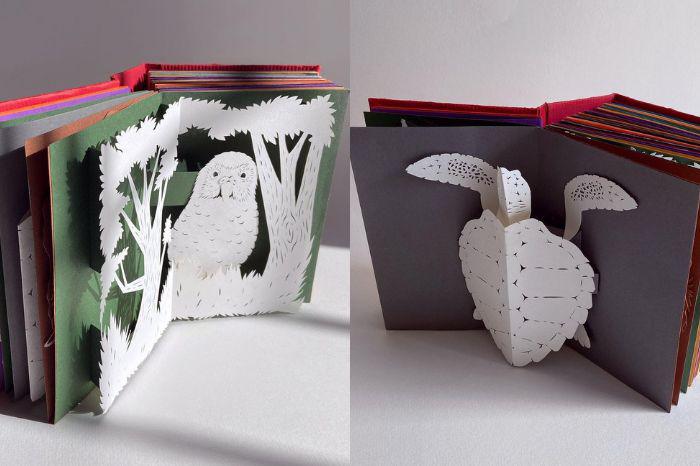
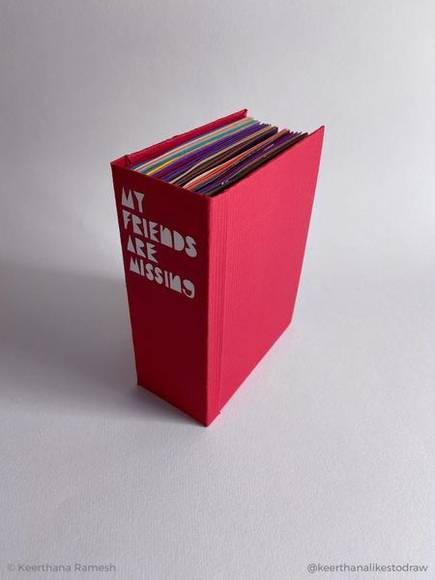
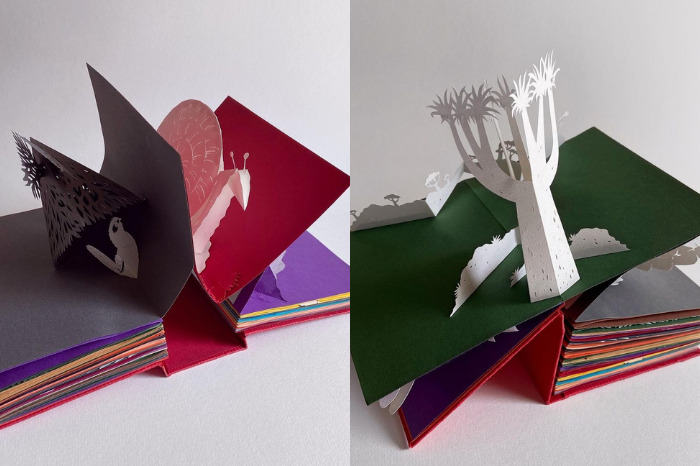
My Friends Are Missing (by paper artist Keerthana Ramesh) is a pop-up book that introduces us to thirty endangered species in the world, delicate, quiet and tolerant beings, that are battling the climate’s challenge, positioned at the forefront, they continue to face the impatient and greedy world’s madness.
Just like in the pop-up book, these species with a functioning clock and a devoted heart, step forward in the drastically changing world where their natural habitats are transformed into a smog-loving, power-hungry factory that clickety-clack runs in the anti-clock direction, challenging the earth’s circadian cycle.
“The damage is ours, the curse is ours, the solution won’t come from the aliens”, said a Kemp’s ridley sea turtle before taking a dip in the Gulf of Mexico.
And what the elusive bird, New Caledonian Owlet-Nightjar, commented in 1998 isn’t clear because it vanished before the reporter could pen-it-down and hasn’t been spotted since then.
Only our blue-green planet knows where this elusive bird resides, but she won’t tell for she loves mysteries. Our lonely planet is not so lonely as so many hidden mysteries and stories unfolding simultaneously accompany it; our dear earth provides a home for all.
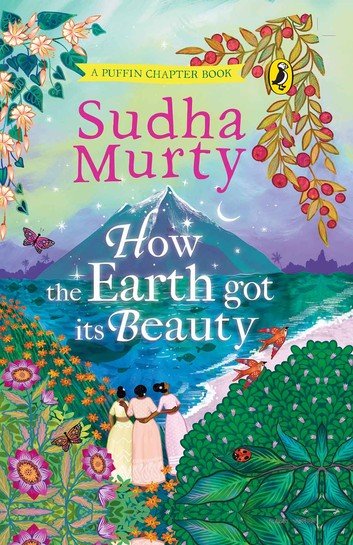
In How The Earth Got Its Beauty (written by Sudha Murty and illustrated by Priyanka Pachpande) Mother Earth, decades after the creation of the planet, disguised as a little girl meets three sisters – Sunaina, Shyama and Seeta – to find out if humans are living peacefully and she finds out that the three sisters desire for something else in their lives. Will Mother Earth grant their wishes?
The story emphasises values like patience, compassion and empathy, highlighting also the selflessness and power of Mother Earth; the author writes, “Whenever humans become selfish and uncaring towards Mother Earth, she makes her presence felt and restores the balance in the world.”
We, the forgetful ones, so often forget about our home, not the walled-well-lit-well-decorated-space, but the beautiful breathing planet that never forgets us even when it rotates ceaselessly, matching its clock with the burning star’s every aeon.
Tick-tock-tick tock…
It is time for a treasure hunt, go to the jungle and look for a clock, then walk in the direction its three hands (seconds, minutes and hours) point at, one day at a time, and look for the endangered species. Be patient and kind, focus on the treasure, the great grand treasure, value it, it is your home, your only home.
Grab these wonderful books now –
Clock In The Jungle by Ketki Pandit, Illustrated by Sneha Uplekar (click here);
How the Earth Got its Beauty written by Sudha Murty and illustrated by Priyanka Pachpande (click here).
And also flip through Keerthana Ramesh’s My Friends Are Missing –
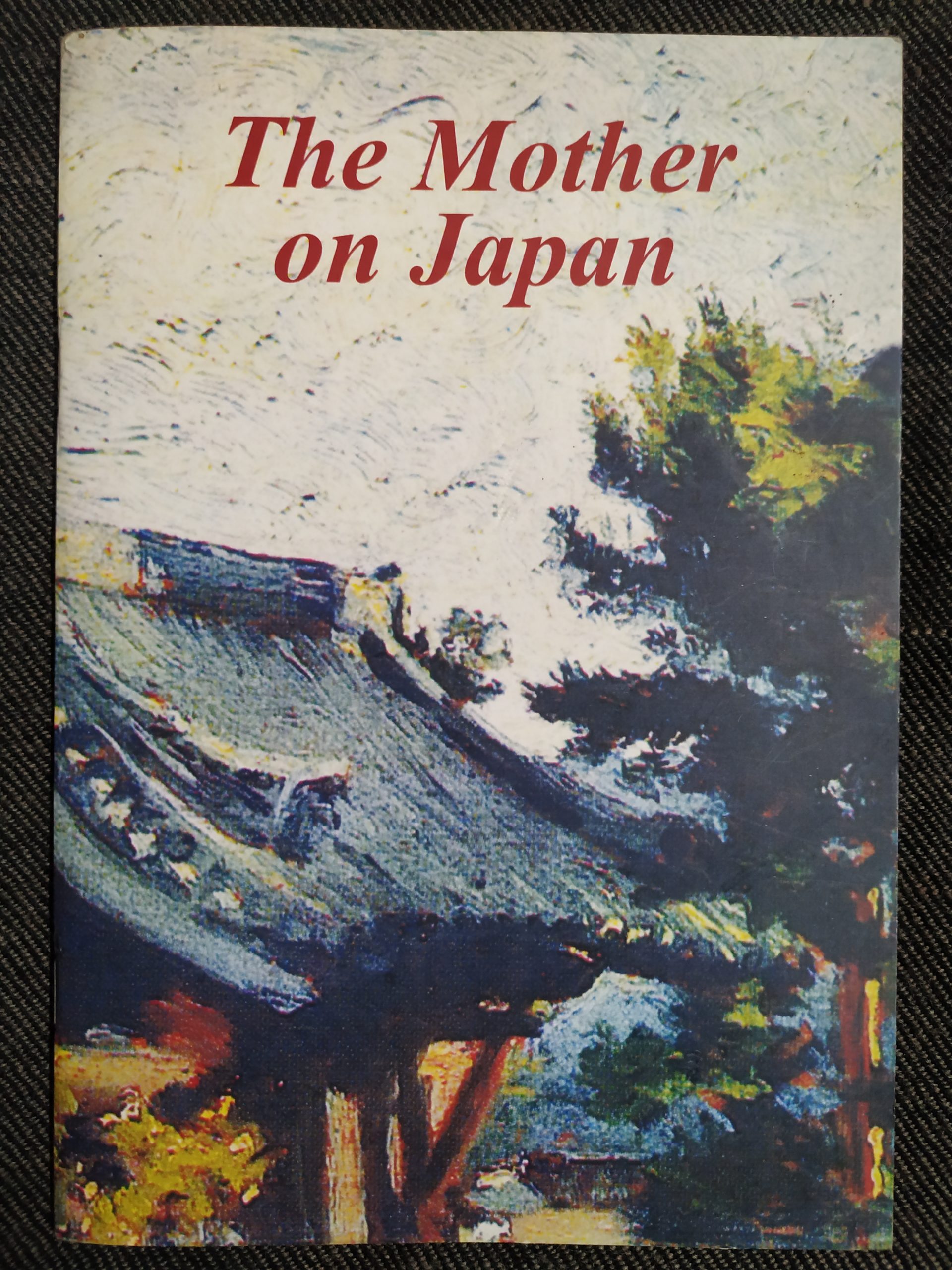
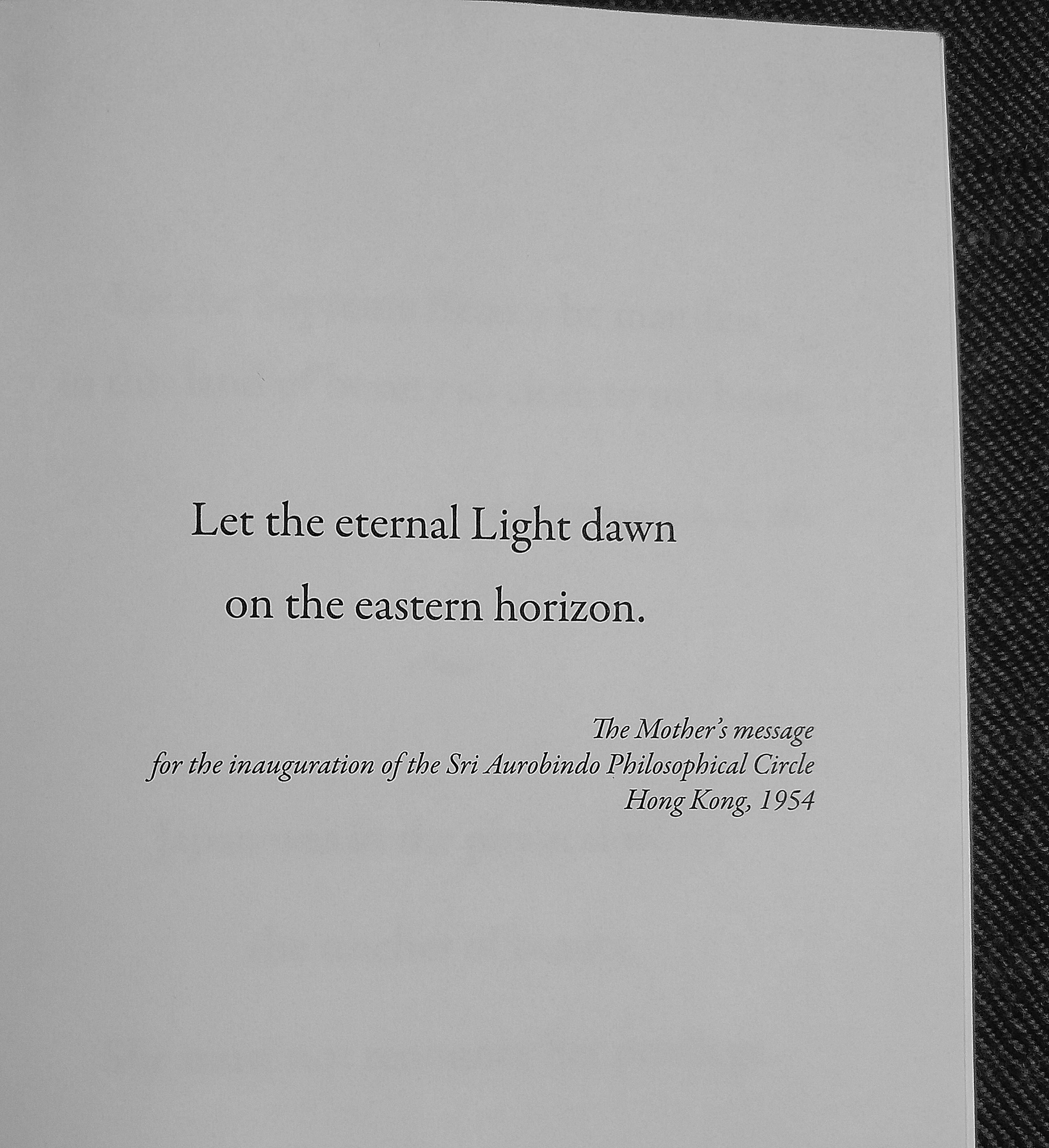
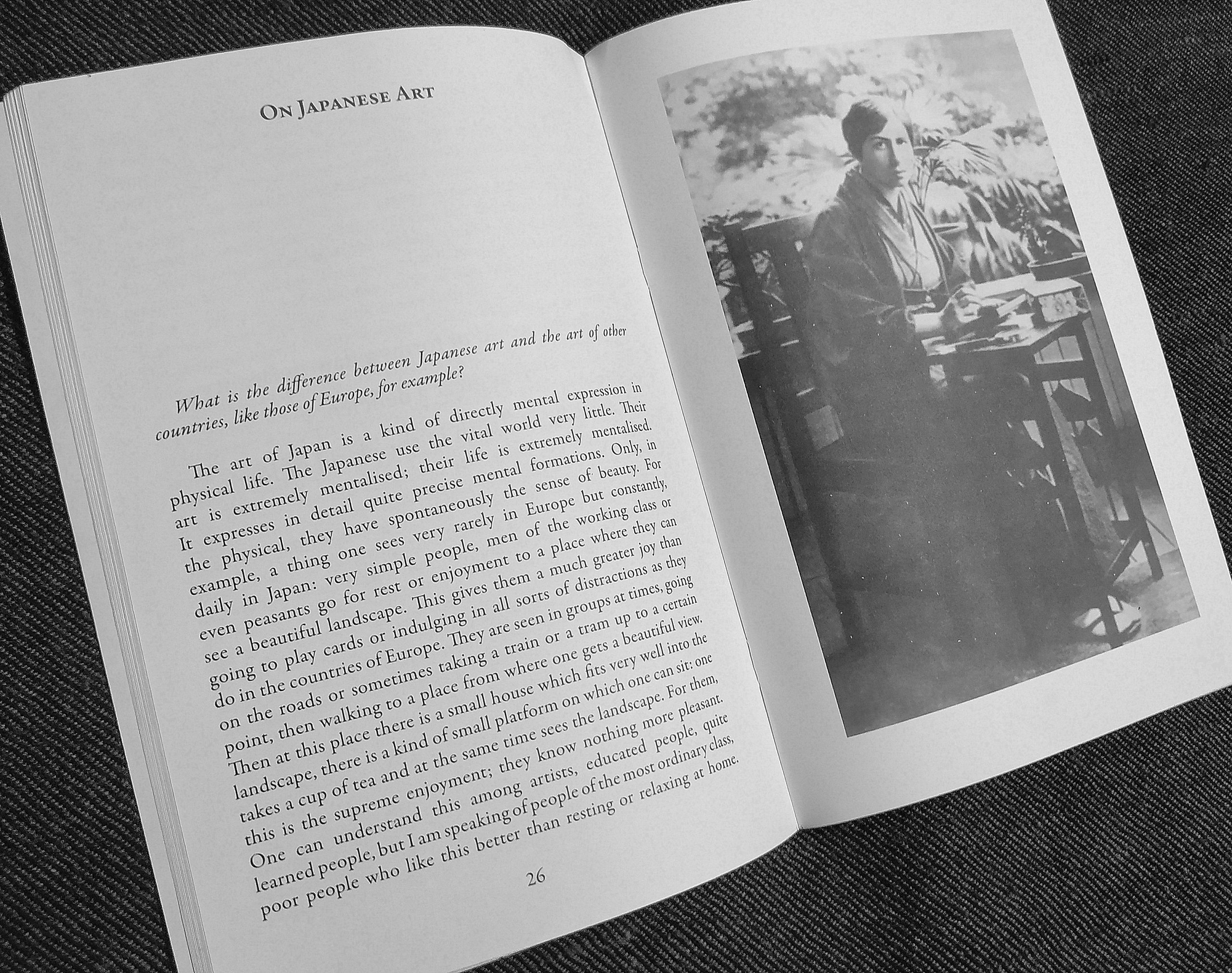
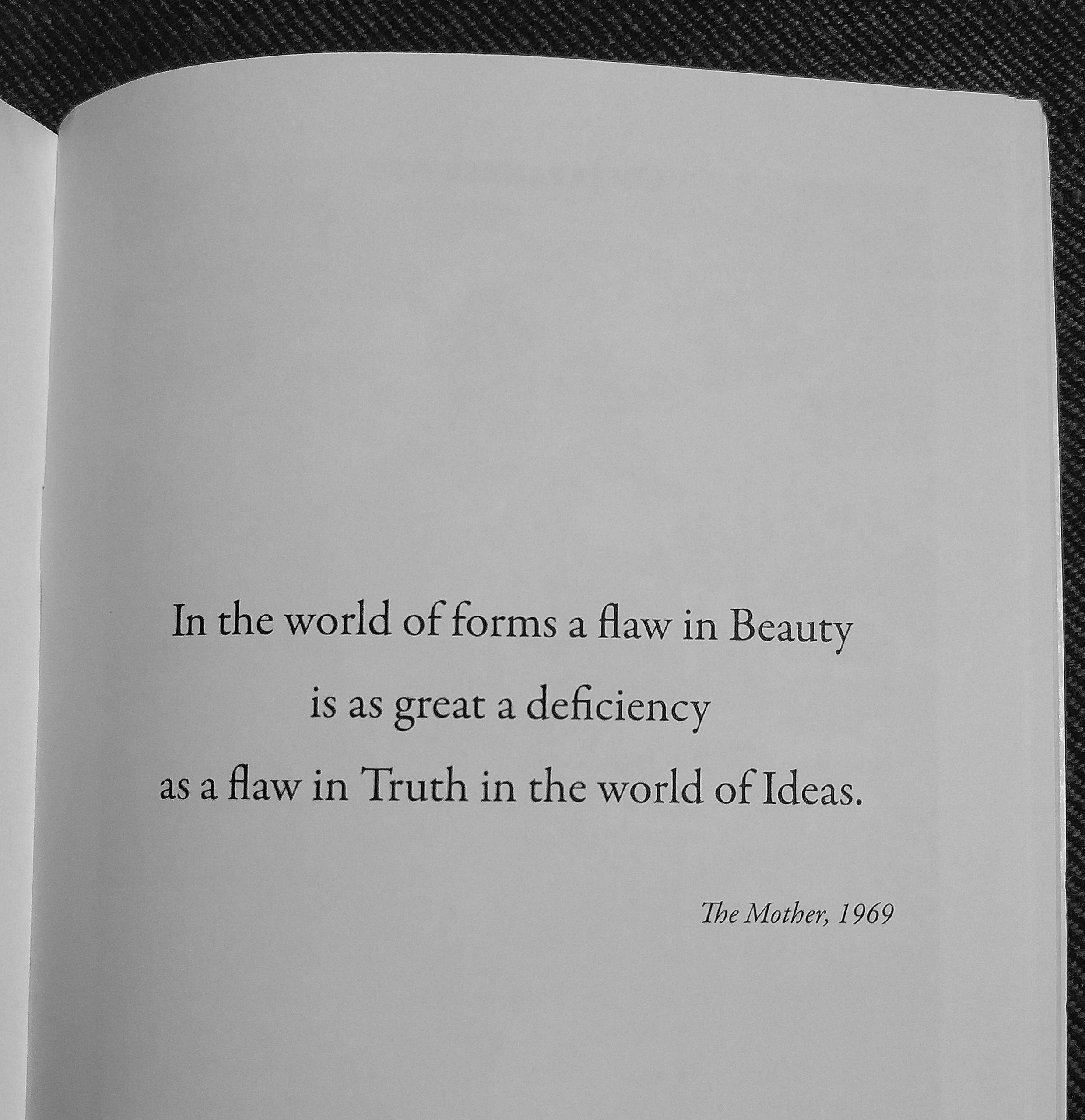
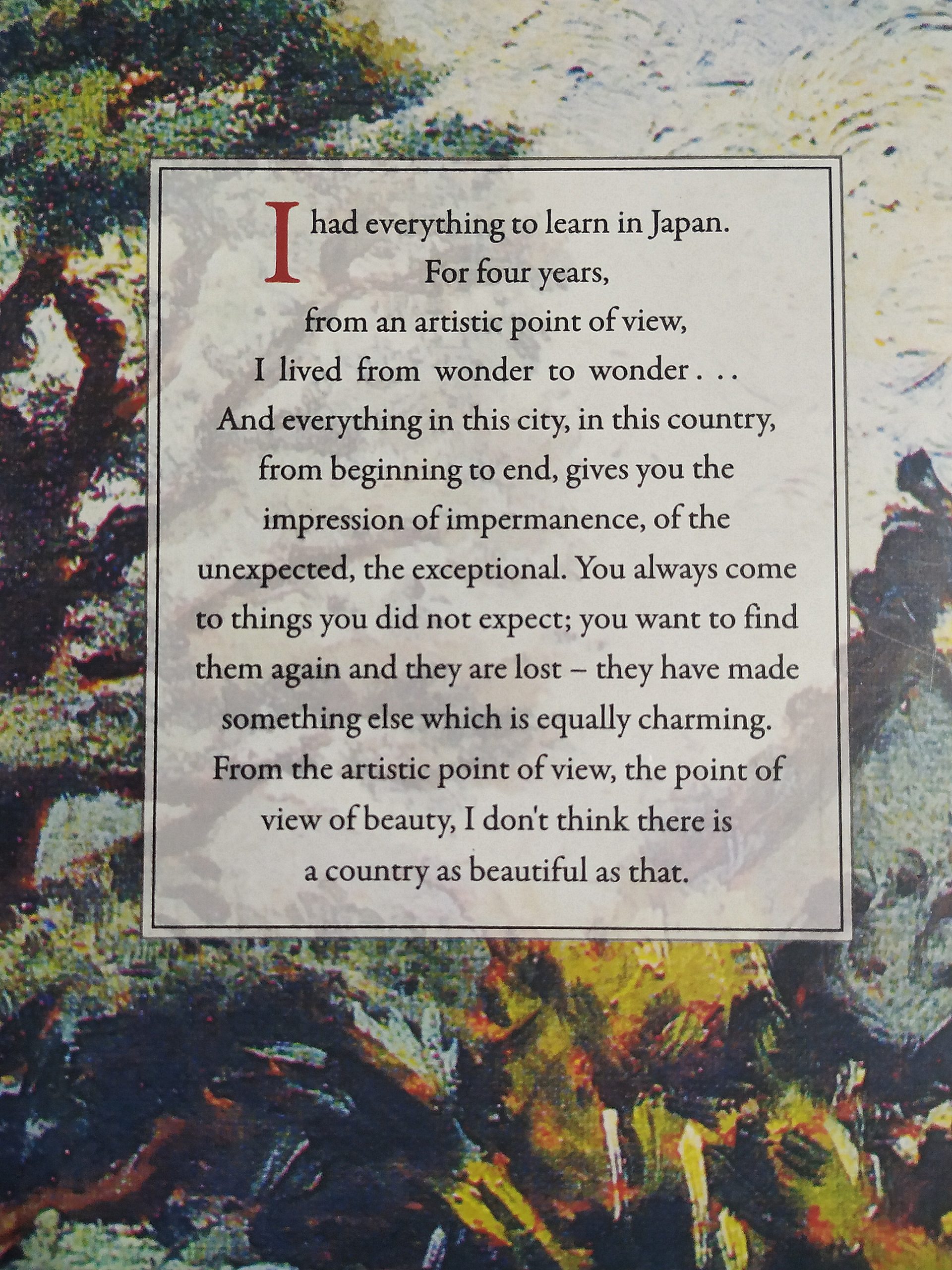
Seeing through a lens that sees things as it is, in its truest form, looking at a broken feather as a feather, not denying its reality, not giving it a quality, experiencing the moment quietly the Mother wrote about Japan. She wrote about its perfection/ beauty-loving people, the value given to nurturing kids, the dedicated women, the Japanese restrained-balanced-subtle art and the transient life.
Roof of the Daiunji Temple in Kyoto, painting by the Mother. (Book cover) [Photo by Jagriti Rumi]
The Mother on Japan [Photo by Jagriti Rumi]
The Mother on Japan [Photo by Jagriti Rumi]
The Mother on Japan [Photo by Jagriti Rumi]
The Mother on Japan [Photo by Jagriti Rumi]
The people, she observed, not via reactions, but by silent selfless actions showed how much they cared for someone; happy to persevere they worked to fulfil the task at hand, devoted harmoniously and absolutely in the present moment, aware about nothing else.
*
Taking long walks to a garden in spring or autumns and spending time there or climbing the steep stairs to reach the monastery at the top of the hilltop, the people (of every and any class), she noticed, believed in beauty and peace.
*
“…very simple people, men of working class or even peasants go for rest or enjoyment to a place where they can see a beautiful landscape. This gives them a much greater joy than going to play cards or indulging in all sorts of distractions as they do in the countries of Europe. They are seen in groups at times, going on the roads or sometimes taking a train or a tram up to a certain point, then walking to a place from where one gets a beautiful view.”
“For instance, in autumn leaves become red; they have large numbers of maple-trees (the leaves of the maple turn into all the shades of the most vivid red in autumn, it is absolutely marvellous), so they arrange a place near temple, for instance, on the top of a hill, and the entire hill is covered with maples.”
“Well, an artist who goes there will experience an emotion of absolutely exceptional, marvellous beauty. But one sees very small children, families even, with a baby on the shoulder, going there in groups. In autumn they will go there. In springtime they will go elsewhere.”
The Mother (Questions and Answers, The Mother on Japan 12 April 1951)
Image of the Buddha, painting by the Mother. (The Mother, Paintings and Drawings, Sri Aurobindo Ashram Trust, 1992) [Photo by – Jagriti Rumi]
While reading about the 1919 flu and how the Mother fought back the negative, dark energy, one thinks about the present pandemic and hopes to win like the Mother in the end.
The glorious cherry-blossom trees in bloom – pink, white, vivid joyous pink – and the narrow paths that take one to wonderful places, with old Japanese houses on both sides, presented the Mother with a paradise puzzle…
*
“Then you go wandering around – always one wanders at random in that country – you go wandering and all of a sudden you turn the corner of a street and come to a kind of paradise: there are magnificent trees, a temple as beautiful as everything else, you see nothing of the city (Tokyo) any longer, no more traffic, no tramways; a corner, a corner of trees with magnificent colours, and it is beautiful, beautiful like everything else. You do not know how you have reached there, you seem to have come by luck. And then you turn, you seek your way, you wander off again and go elsewhere. And some days later you want to come back to this very place, but it is impossible, it is as though it had disappeared. And this is so frequent, this is so true that such stories are often told in Japan. Their literature is full of fairy-lore. They tell you a story in which the hero comes suddenly to an enchanted place: he sees fairies, he sees marvellous beings, he spends exquisite hours among flowers, music; all is splendid. The next day he is obliged to leave; it is the law of the place, he goes away. He tries to come back, but never does. He can no longer find the place: it was there, it has disappeared!… And everything in this city, in this country, from beginning to end, gives you the impression of impermanence, of the unexpected, the exceptional. You always come to things you did not expect; you want to find them again and they are lost – they have made something else which is equally charming. From the artistic point of view, the point of view of beauty, I don’t think there is a country as beautiful as that.”
The Mother (Questions and Answers, The Mother on Japan 12 April 1951)
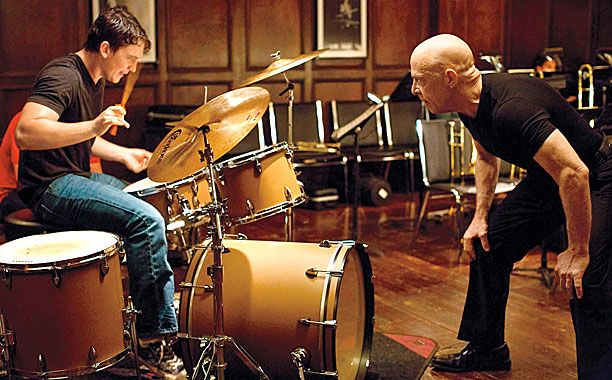
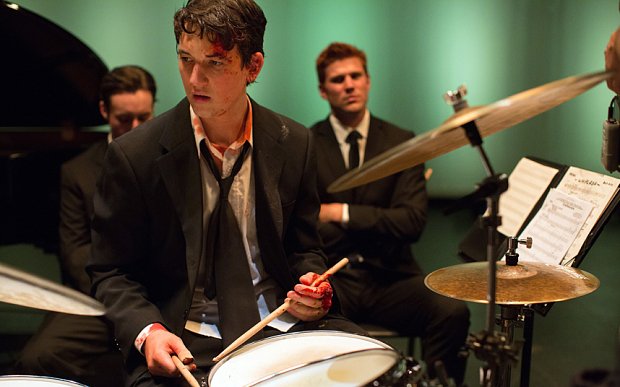
Andrew VS Fletcher; a still from the film Whiplash. [Source – denofgeek.com]
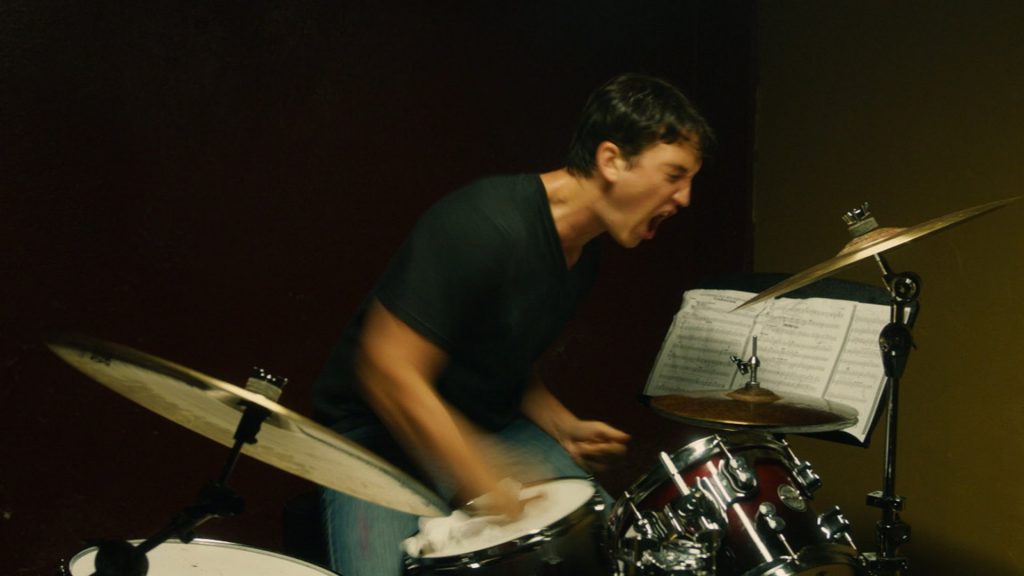
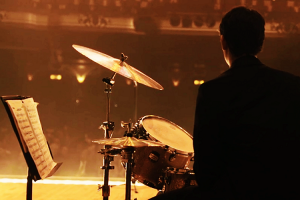
Drums can be heard in a long corridor, with several doors on both sides, that runs till the very end and opens into the last room where the drummer is playing… no, say practising, practising like Buddy Rich, practising until corrected, practising until mastered… this incredibly clever tune, ‘Whiplash’.
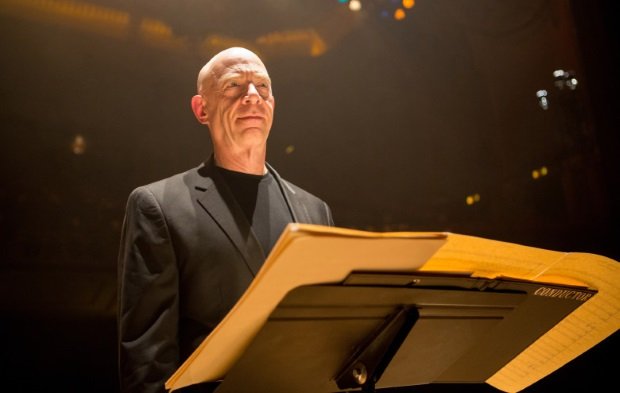
Damien Chazelle’s 2014 drama film Whiplash revolves around a passionate jazz drummer Andrew Neiman (played by Miles Teller) and his perfectionist jazz instructor (played by J. K Simmons); one dreams of becoming great, the other demands greatness; one is hopeful, the other is ruthless; when out-of-tune, they clash, when in sync, they dance.
At the still point of the turning world. Neither flesh nor fleshless;
Neither from nor towards; at the still point, there the dance is,
But neither arrest nor movement.
T.S Eliot (Four Quartets: Burnt Norton)
Here, T.S Eliot is talking about that state of mind where not so overwhelmed by it, we make peace with it; Whiplash the film is also about Andrew Neiman’s state of mind which when at peace, allows him to create magic, to dance, to play harmoniously perfect.
Whiplash highlights the protagonist’s internal journey beautifully, in fact, that is all we see – Andrew’s internal dilemmas, struggles, failures and the shining sudden victory. The writer-director very carefully places us within Andrew’s mind.
In the opening scene of the film, Andrew is playing the drums alone in a classroom when he notices that the best teacher in the music school – Terrance Fletcher – is watching him.
*
Andrew – (stops playing) I’m sorry…
Fletcher – No, stay…What’s your name?
Andrew – Andrew Neiman sir.
Fletcher – What year are you?
Andrew – I’m a… first year.
Fletcher – You know who I am.
Andrew – Yes sir.
Fletcher – So you know I’m looking for players.
Andrew – Yes sir.
Fletcher – Then why did you stop playing?
Andrew Neiman starts playing… then stops.
Fletcher – Did I ask you to start playing again?
Andrew – I am sorry…
Fletcher – I asked you why you stopped playing and your version of an answer was to turn into a wind-up monkey…
Andrew Neiman plays… in a few seconds he hears the door shut loudly. Andrew is disappointed… Right then Fletcher comes back inside.
Fletcher – Oopsy Daisy! I forgot my jacket. (Takes his jacket and leaves.)
*
Watch the opening scene here –
While the Andrew VS Fletcher drama unveils, Fletcher the perfectionist starts to appear more like Andrew’s inner critic especially in those scenes where he is practising; the setting, the lighting, the mood and the music makes it look like a void where either jazz or Fletcher’s authoritative voice plays dominantly.
“Don’t be harsh on yourself”, we often tell this to ourselves as sometimes our inner critic can harm us more than an outsider. The antagonist, Fletcher, is equally harsh and critical; a student when talking about Fletcher’s reputation mentions how he is known for making or ending one’ career.
So who wins here, Fletcher the antagonist or Fletcher, Andrew’s inner critic? The answer is both.
Like a pompous self that often praises itself, there are scenes when Fletcher praises Andrew; initially friendly, Fletcher encourages him to play well and tells him how Jo Jonesthrew a cymbal at Charlie Parker’s head, and how that incident made Parker work insanely hard; later on, like a strict-discipline-loving-freak-self, Fletcher, during a practice session, throws a chair at Andrew, warning him not to dare spoil his bands’ image.
Fletcher personifies Andrew’s obsession to be a great drummer – he works hard, accepts Fletcher’s treatment even when he starts to resent him.
The internal journey of the protagonist overpowers the antagonist, but not in a negative way; it only boosts the antagonist’s authority over the protagonist; it feels like another side of Andrew is working hand in gloves with Fletcher.
The secondary characters too reflect the protagonist’s internal journey.
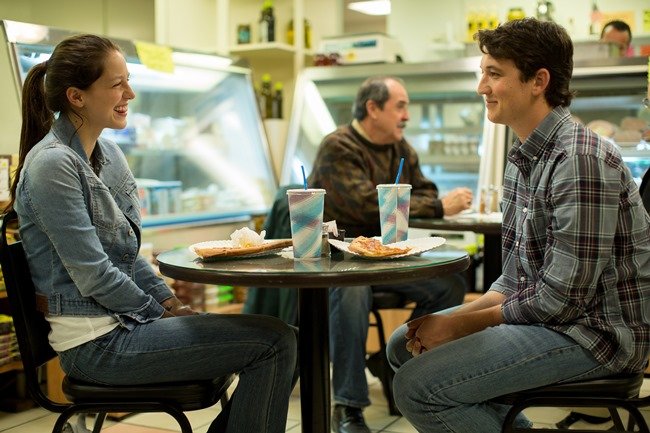
Andrew does not like his father’s mediocre mentality (Fletcher is the one to fan the flames by mentioning it repeatedly that his father is not a true “writer” and that is probably why Andrew’s mom left him), nor does he understands his girlfriend Nicole’s attitude towards life – how is it that she does not know what she wants in life – he loathes mediocrity and it is evident from his behaviour.
In a scene where Andrew, his dad and some guests are having dinner, an argument breaks out where his father, talking about the musician Charlie Parker says –
“Andrew’s Father (Jim) – Dying broke and drunk and full of heroin at the age of 34 is not exactly my idea of success.
Andrew Neiman – I’d rather die drunk, broke at 34 and have people at a dinner table talk about me than live to be rich and sober at 90 and nobody remember who I was.”
*
Watch the dinner scene here –
Even though the secondary characters’ role is nominal, yet this does not weaken the story.
They do have a voice of their own though we do not hear it clearly and that is because the protagonist is not ready to accept their version of the life. Andrew’s obsession does not leave any choice for them but to only listen to him as the core of the film is about this very obsession; the subdued self of these secondary characters, thus, appears to be their actual state.
Andrew is obsessed with the thought of becoming the next great drummer so much so that he refuses to value the external life which consequently starts to fall apart – he has arguments with his father, he also breaks up with Nicole – and this then affects his internal life; he practices day in and out, but one single mistake and Fletcher replaces him with another drummer.
Unable to thread the needle, Andrew first gets irritated with himself for not working hard enough and later on with Fletcher whom he literally attacks.
The result is that he is dismissed from the music school (the best in the country); devastated, he agrees with his dad and secretly files a complaint against Fletcher.
When awakened in the external world, Andrew internally goes into a hiatus. The setting shifts from the dark rooms to brighter ones and to open places.
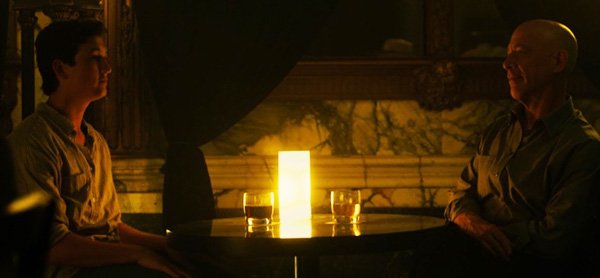
The story approaches the climax and the internal journey, after the short hiatus, takes over once again. Climax scenes are about Andrew meeting Fletcher, who has been expelled from the music school and is now forming a freelance jazz band; he offers Andrew a position.
Now the internal journey resumes from the same point of tension where Andrew had left it – Fletcher hates Andrew and tells him that he knows it was he who framed him, but reveals it on the stage, just a few seconds before the performance, leaving Andrew utterly shocked.
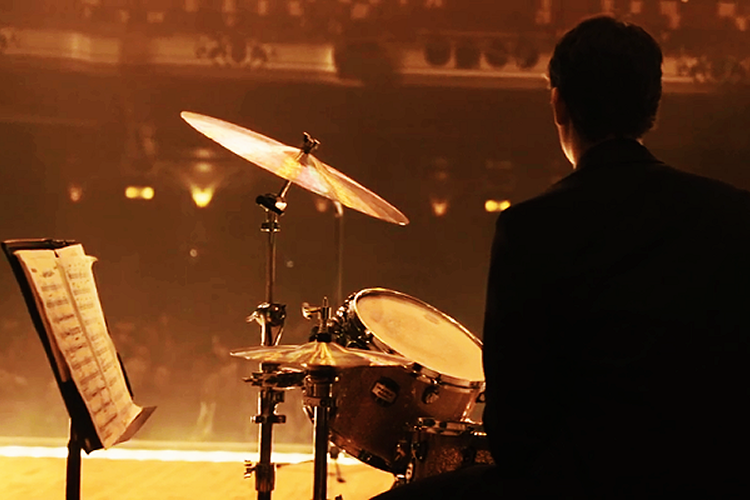
Andrew is defeated by the antagonist, he plays the drums foolishly and finally gets up and goes backstage where his dad waits for him feeling sorry; but because Fletcher is not just an antagonist but also Andrew’s inner self, his obsession – it pulls Andrew back on the stage. He starts playing the drums not worrying about Fletcher’s threats.
*
Final performance part 1 and 2, watch here –
*
This transformation in Andrew may appear to be sudden but is not so; this is an internal transformation that forges gradually.
Andrew transforms in this last scene – he overpowers his fears – he plays flawlessly – so much so that Fletcher recognises his genius at this moment and joins him and together they play a fantastic jazz number (Caravan). As Fletcher reflects Andrew’s inner self, he does not object to this transformation in him and accepts Andrew’s victory quite happily.
Drumming passionately, just like he did in the first scene of the film, Andrew’s story comes to a close; this time he just doesn’t play the tune, he lives it.
I am joy running free/
freely flying, fluttering, soaring in a valley/
Of joy am running free.
Greetings!
A storyteller, following the ancient tradition of cave chroniclers, standing in vrikshasana (the tree pose) on a hill top (it is sunny, but windy), breathing in and out stories (relishing it all, but at times overwhelmed), declares animatedly that she will continue to – tell stories, share rare story gems, and connect with the pacy universe while also keeping the website ad-free.
Big thanks to my readers. Stay tuned!
Also, a humble request to the new subscribers to check the spam folder after subscribing. Silly (but necessary) confirmation emails often land there instead of the bright inboxes. Merci!
Ya-hoy!
Chiming Stories (formerly Home Chimes)
P.S – Supporting a storyteller is good for the world’s health (and undoubtedly, for the storyteller’s health as well). Shower some love by sharing, commenting and subscribing to the Weekly Newsletter.
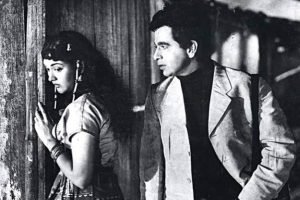
Gabbeh, the 1996 film, is a simple tale of a gipsy girl, her clan and the way their life goes on. Unfolding beautifully just like an artist painting a canvas, Gabbeh quietly touches the grand questions.
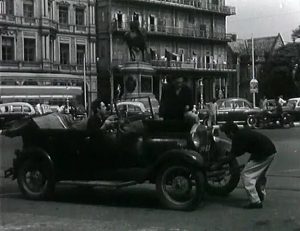
Ranked as one of the greatest British films of all time, The Lavender Hill Mob confides in the audience, letting them see, feel, laugh and think without tickling persuasively with a joke here and a punch-line there.
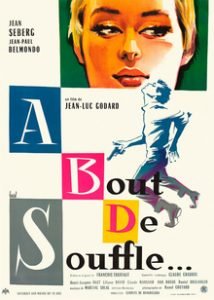
Godard… Breathless and Alive
A Tribute to Jean-Luc Godard, the Film Philologist who Reinvented Cinema.
Yes fly! For walking on the second track is dull and usual, but dreaming high, high, high requires tools. Tools like the right pair of shoes, a chirpy, gritty soul that eats butter-jam dreams, a soul that drinks milky-milky creams.
Silver cascade shimmering the night sky, music to the waves and surreal beauty to the eyes, the Moon loves the art of discipline.
It may be difficult to believe for the Moon’s splendour defies time, it stupefies the clock, it follows the path of a dreamer, but how could this be possible if the Moon knew not discipline?
In this moment, I am a little bit of this and a little bit of that, I am complete and incomplete, I am pleased and uncertain, I wish for nothing and I know I have to wait.
Because the distance covered reminds me of the hurdles I have crossed and the ones I could not, it reminds me of a throbbing past and a dreamy future and it reminds me of how much time is left.
Meredith and the Green Lake
Illimitable Splendour
A joy so complete without any rise or fall, so free without any time corners, so real without true being false, false being true.