Love

Melody, Drama and Love

It is not a humble, gentle quest they all set for, but a challenge that they take up passionately, blindly, gladly to find out the meaning of love. And while it sounded, and was, a glorious and grand task like a celebration, they were tricked by the challenge itself. Nevertheless, this push and pull continued and filled the space with the aroma of first, passion and daring, then, possibilities and impossibilities and finally, it filled the room with love.

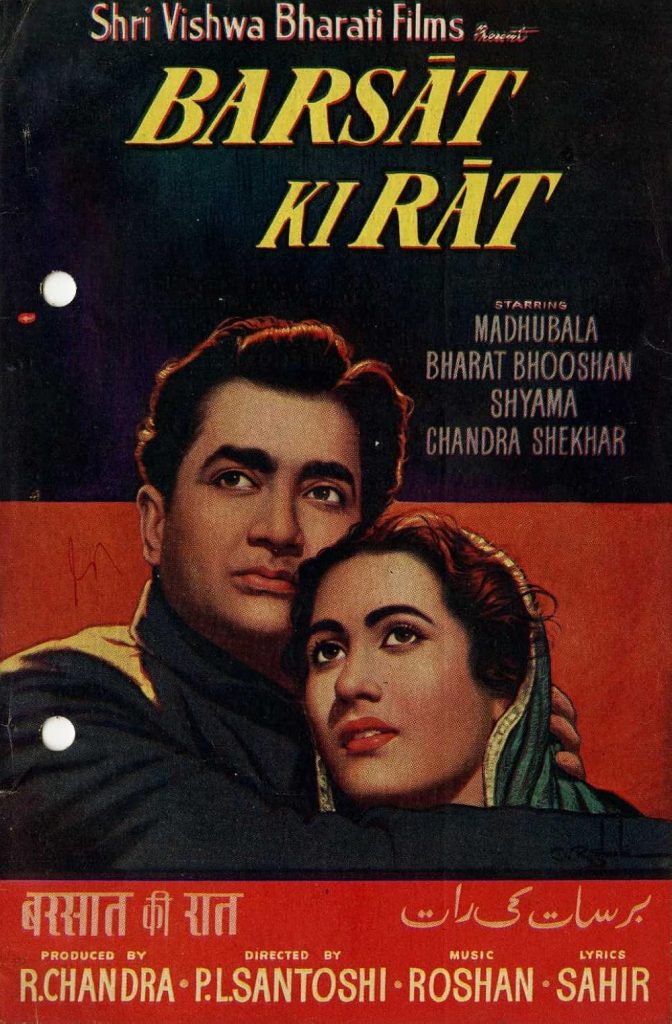
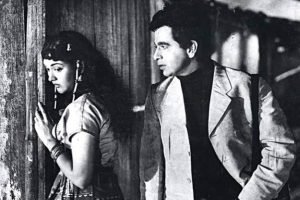
The rather quick journey that took the form of a grand challenge unfolds here melodiously, in the form of a Qawwali and forms the climax in the romantic musical film Barsat Ki Ek Raat (One Rainy Night, 1960).

Barsat Ki Ek Raat (1960) directed by P. L Santoshi, story by Rafi Ajmeri, starring Madhubala, Bharat Bhushan and Shyama.

Na to Karwaan ki Talash hai… Qawwali by Sahir Ludhianvi. [Source – IMDB]

Words may never be able to capture what love is, but here Sahir Ludhianvi’s lyrics gallops any and every gap so beautifully that it presents the careful listener with tales, promises, whispers of love, pain, joy, tears, bliss, death and the sublime. The lyrics burn away the duality and confusion, the conflict and rigidness with so much love that your eyes well up.

Melos (song or music in Greek) and drama (drame in French) combine to form melodrama. A fantastic tool used to present all that is life in just a few minutes and hours on stage and screen.


The music creates the mood, it is a jugalbandi (jam session) between the musicians, it rises and falls, it promises nothing and everything and then it stops letting the singers and words to take the centre stage… charismatically.

Male Singer

Na to caaravaan ki talaash hai
I am not in search of a caravan
Na to humsafar ki talaash hai
I am not in search of a fellow traveler
Mere shauq-e-khaana kharaab ko teri rehguzar ki talaash hai
That ruined place of my desire searches for the path that leads to you

Team One presents a challenge via their craft, for it is a matter of love, they know the stakes are high, they challenge the other team as well as declare that they, who know love very well, know how to manoeuvre in this space. They talk about the lover who is content in their loneliness and doesn’t need any support from fellow travellers – another strong perspective – they are talking about someone who is already walking alone in this maze of a world, and that it is a choice because all this person desires is to find the way to their beloved.

Female Singer

Mere naamuraad junoon ka hai ilaaj koi to maut hai
If there is any cure for my unfortunate obsession, then it is death
Jo davaa ke naam pe zehar de
Give me that medicine whose name is poison
Usi chaaraagar ki talaash hai
I am in search of such a healer

Team Two keeps forth a situation less as a reply and more as a fact as the singer is deeply in love with someone who loves another, it starts with and stays in a personal space for her. This lovesickness of hers, an obsession for those who don’t understand her, has only one cure and that is death. She raises the stakes further hinting at her looming death.

The words like obsession, cure, death, medicine, poison, healer, beautifully amplify the intensity of the entire song so early on; but after all, dying, loving and living aren’t separate. The singer is also surrendering, though not giving up, rather she is ready to give up on her life. She is surrendering it all with love.

Male Singer

Tera ishq hai meri aarzoo,
Your love is my desire
Tera ishq hai meri aabroo,
Your love is my honor
Dil ishq, jism ishq hai, aur jaan ishq hai
My heart is love, my body is love, and my life is love
Imaan ki jo poochho to imaan ishq hai
If you ask for faith, then that is love too
Tera ishq main kaise Chhod doon?
How could I ever leave your love?
Meri umr bhar ki talaash hai
That love is what I have been searching for all my life

Team One doesn’t believe in surrendering, they are only too invested in winning the competition. They’re eager to charm the audience too and thus, they announce, that for them the beloved’s love is their desire, honour, heart, body and whole life and in fact, even their FAITH. Whatever is on a pedestal in their lives, they have already kept it at the feet of their beloved and after struggling so much how can they let go of their love, it has been a life time’ search and now they cannot abandon it, they cannot surrender.

This grand announcement receives applause. Continuing the search for love is what the majority does and so the majority claps; those in deep love, watch with love.

The song gallops as it has promised to do so and the tempo changes.

Male Singer

Yeh ishq ishq hai, ishq ishq, yeh ishq ishq hai, ishq ishq
This is love, this is love, this is love
Jaan-soz ki haalat ko jaan-soz hi samjhegaa
Only one in torment can understand the condition of a fellow sufferer
Main shamaa se kehta hoon mehfil se nahiin kehta
I am speaking to the flame, not to the company gathered here
Kyonki yeh ishq ishq hai, ishq ishq, yeh ishq ishq hai, ishq ishq
For this is love, this is love, this is love

Team One enjoying the mood, the vibrancy and lead, takes a rather cheap shot at the opponent that isn’t recognised by all. Showing concern for the wounded lover he says he understands that pain and that is why now he is speaking with the flame directly and not the audience members. While on one level, he seems to be talking about the moth and flame metaphor that represents a self-destructive devotion, yet on another level, he is talking to the lead singer from Team Two, her name being Shama which means flame.

Female Singer –


Sahar tak sab ka hai anjaam jal kar khaak ho jaana
By dawn, everything will burn and be reduced to ashes
Bhari mehfil mein koi shamaa yaa parvaana ho jaaye
Everyone in this gathering shall became either flame or moth
Kyon ki yeh ishq ishq hai, ishq ishq, yeh ishq ishq hai, ishq ishq
For this is love, this is love, this is love

Seeing that the lead singer is in tears, the second singer from Team Two replies instead and that too sharply. She carries the moth and flame metaphor to its finality, declaring that by dawn, everyone present there may very well die because it is possible for them to turn into either the flame or moth – one will die-out and other will burn to death.

Hero

Vehshat-e-dil rasn-o-daar se roki na gayi
Love is not stopped by the madness of the heart or ropes and the gallows
Kisi khanjar, kisi talvaar se roki na gayi
It is not stopped by any dagger, by any sword
Ishq Majnu ki woh aavaz hai jiske aage koi Laila kisi deewaar se roki na gayi,
Love is that voice of Majnu’s which Laila followed and which no barrier could stop
Kyon ki yeh ishq ishq hai, ishq ishq, yeh ishq ishq hai, ishq ishq
For this is love, this is love, this is love

Team Two is joined by the Hero (of the film) who is sitting in the audience, who knows them very well and can see Shama is hurt, he understands her more than anyone for he himself is pining for his beloved; he pitches in so that the enquiry into what is love goes on.

He gets enough aural space to match the rhythm.

Addressing the audience more than the opposition, he says that you are talking about flames here, while love cannot be stopped by anything, be it swords, ropes, gallows, walls or even your own heart. Referring to the celebrated but tragic love story of Laila and Majnu, he says that nothing can stop any Laila once she hears the voice of her Majnu. Indirectly, also saying that there were and will always be people who would choose death over separation from their beloved.

Male Singer

Woh hanske agar maangen to hum jaan bhi deden,
If she laughs and asks, then I would even give my life
Haan yeh jaan to kya cheez hai? Imaan bhi deden!
Yes, after all what is this life? I would even give up my faith!
Kyon ki yeh ishq ishq hai, ishq ishq, yeh ishq ishq hai, ishq ishq
For this is love, this is love, this is love

Team One also talk about life and death, reiterating what they had said earlier. They say that we are ready to die, if that is our beloved’s wish; in fact, not only life, but we can let go of our FAITH too. What was there a need to reiterate at all? What happened to their sharp gift of repartee?

Hero

Naaz-o-andaaz se kehte hain ki jeena hoga,
I am told that I must live with my fate gracefully
Zehar bhi dete hain to kehte hain Ki peena hoga
They give me poison, and say I must drink
Jab main peetaa hoon to kehte hain ki marta bhi nahiin,
But when I drink it, then they say I won’t die
Jab main martaa hoon to kehte hain ki jeenaa hogaa
When I am dying, they say I must live
Yeh ishq ishq hai, ishq ishq, yeh ishq ishq hai, ishq ishq
For this is love, this is love, this is love

Hero’s witticism is filled with love. His voice and words are imbued with the freshness of love. Thus, he counters Team One simply by not countering, he has crossed and reached another level, he speaks directly to his beloved who is listening to his voice somewhere for sure. He knows it, and so does the viewer.

He shows what a paradox romantic love often becomes, where one inadvertently ends up torturing the other, all the while hoping to heal and rise and unite. “You’re asking me to live and die at the same time. Ah love! Tell me how is it possible? Only in love?”

Male Singer –

Mazhab-e-ishq ki har rasm kadi hoti hai,
The laws and customs of love are very strict
Har qadam par koi deewaar khadi hoti hai
At every step, there is a barrier standing

With the sudden change in position, Team One falls down without any noise. They themselves seem unaware of this that from opposing team in a competition they have taken a stance that is somehow opposing lovers. They now talk about the “complicated” laws and customs of love that often places a wall in front of the lovers. They seem to be enjoying restrictions and in doing so they restrict themselves from moving further.

Hero –

Ishq aazad hai, Hindu Na Musalmaan hai ishq,
Love is free, love is neither Hindu nor Muslim
Aap hii dharm hai aur aap hii imaan hai ishq
Your own duty and your own faith alone is love
Jis se aage nahiin shekh-o-Brahaman donon,
Both Hindu and Muslim religious men cannot surpass this
Us haqeeqat ka garajtaa hua ailaan hai ishq
The reality of that thundering proclamation is love

What started as a jugalbandi (jam session), now moves towards a solo performance, a solo voice taking the lead and love, having shed the superficial flimsy faces attached to it, begins to spread in the air like perfume. Love is freedom and freedom love, and it is that which can liberate. Love, the hero says, has nothing to do with the man-made ideas at all. He proclaims that nothing can surpass love. And this truly makes him the hero.

Female singer –

Ishq na puchhe deen dharm nu, ishq na puchhe jaataan
Love does not ask your religion or creed, love does not ask your social class or caste,
Ishq de haathon garam lahu vich doobiyaan laakh baraataan ke
Love has drowned thousands of wedding revelers in its fiery blood
Yeh ishq ishq hai, ishq ishq, yeh ishq ishq hai, ishq ishq
This is love, this is love, this is love

The second singer from Team Two, sings in Punjabi, maybe because it needed to be said in this language, maybe because it doesn’t matter which language you speak, when it comes to love, the essence remains the same. It is yet another passionate declaration – Love doesn’t discriminate. Love also becomes something that vividly is alive, for it consists of “fiery blood”. From abstraction it enters a known realm.

Male Singer –
Raah ulfat ki kathin hai ise aasaan na samajh
The path of love is dangerous, do not think it easy
Yeh ishq ishq hai, ishq ishq, yeh ishq ishq hai, ishq ishq
This is love, this is love, this is love

Team One tries to fill the lovers with doubt and thus, they use fear instead to rise in front of love.

Female Singer –

Bahut kathin hai Dagar panghat ki
The path to the riverside is very dangerous
Ab kya bhar luaun main Jamuna se matki?
Now how can I fill my jug with water from the banks of the Jamuna River?
Main jo chali jal jamuna bharan ko dekho sakhi ji main jo chali jal jamuna bharan ko
As I was on my way to fill my jug with water from the Jamuna,
Nand kishor mohe roke jhaadon to
The young boy of Nanda [Krishna] stopped me
Kya bhar luaun main Jamuna se matki?
So how can I fill my jug with water from the banks of the Jamuna River?

Bringing in cultural reference, talking about the majestic couple – Krishna and Radha, the female singer from Team Two sets-up the stage for the Hero to take over. The reference also brings us closer to the hero and the heroine of the film, that they too are like Krishna and Radha, their love too is divine and that they’re united in their love for each other, even if separated by distance.

Male Singer –

Haan, kya bhar luaun main Jamuna se matki?
So how can I fill my jug with water from the banks of the Jamuna River?

Ab laaj raakho more ghoonghat pat ki
Now protect my honor, this veil of mine

Ab laaj raakho more ghoonghat pat ki
Now protect my honor, this veil of mine

Team One talks about honour and we wonder what about the love which is above honour and which they were talking about earlier? This is their last remark, though they do continue to show their craft, failing nevertheless. They humbly recognise this at the very end.

Hero –

Jab jab Krishn ki bansi baaji,
When Krishna played his flute
Nikali Raadhaa saj ke
Radha emerged, dressed up
Jaan ajaan ka dhyaan bhulaa ke,
Forgetting all she was taught
Lok laaj ko taj ke
She left the honor of society
Haaye ban ban Doli Janak dulaari,
The darling child of King Janak [Sita] swayed into the forest
Pehenke prem ki maalaa
And wore a garland of love
Darshan jal ki pyaasi Meera
Meera thirsty for her a glimpse of her Lord
Pii gayii vishh ka pyaalaa aur phir araj kari ke
Drank a glass of poison and then pleaded
Laaj raakho raakho raakho, laaj raakho dekho dekho,
Protect my honor, protect my honor, protect my honor
Yeh ishq ishq hai, ishq ishq, yeh ishq ishq hai, ishq ishq
This is love, this is love, this is love

In the story, the heroine following the voice of the hero, reaches the venue, showing by her mere presence how love triumphs, how love liberates, and it happens instantly. And Shama, the lead singer, is troubled, she loves the hero, but knows he cannot be hers; she salutes the heroine and almost loses her consciousness, she is taken away.

The hero, meanwhile, as if in trance, begins to touch the pinnacle, rising from mundane to the sublime; from romantic love to sacrifice to total devotion to complete surrender to union. It is all love, all life is love.

Hero –

Allah rasool ka farmaan ishq hai
The commands of God and Mohammed are love
Yaanii Hadith ishq hai, Quraan ishq hai
The teachings of Mohammed are love, the Quraan is love
Gautam kaa aur Maseehaa kaa armaan ishq hai
The wishes of Buddha and Christ are love
Yeh kaayanaat jism hai aur jaan ishq hai
This material existence and this life are love
Ishq sarmad, ishq hii mansoor hai
Love is everlasting, love alone is victorious
Ishq Moosa, ishq Koh-e-Toor hai
Love is Moses, love is Mt. Sinai
Khaaq ko but, aur but ko devtaa karta hai ishq
Love turns clay into idols, and idols into Gods
Intahaa yeh hai ke bande ko khuda karta hai ishq
The pinnacle is that love has the power to turn a man into a revered God
Haan.N yeh ishq ishq hai, ishq ishq, yeh ishq ishq hai, ishq ishq
Yes, this is love, this is love, this is love

Playing with fire called love, the hero lets everyone feel its warmth, holding the elixir in his hands, he lets everyone see their reflection in it, surrendering with love, he rises in love.

And he manages to do this because he is united with his lover, though he still doesn’t know she is there.

He shows how beautifully all the religions converge when they go deep enough in exploring this life, undoubtedly finding love as its source. Something divine yet purely simple.

Love is everlasting, it is the universe. Love is truth and it is everywhere.


Weekly Newsletter

A weekly dose of stories! Get the posts from the Chiming Stories in your inbox and read it when you can. Subscribe now, it is free!

This field is required.

Recent Posts

A Fruit Called Galaxy

Behold!
[Image by Iris,Helen,silvy from Pixabay]

As if anger – throbbing and tight-, burning hatred and cold fear filled this person’s veins and arteries so that there was no need of the warmth of the blood, red wasn’t red anymore, it was all too dark.

Jassi clung to the darkness, crumpled into it, eyes wide-open that almost attacked every direction mercilessly, the glances were like arrows, everything in darkness, not allowing a ray of light or laughter or love to enter. Jassi was blind, it happened in an accident.

True! Colours were colourful before, but not anymore.

Jassi hated to ask for help, hated the space around, bumping into things now and then, and most of all hated the breeze, why did it try to play, sing, sway or say anything, thought Jassi when nothing moved or flowed within? No, not even the thoughts moved, Jassi killed them, the memories – good/bad – in the very first year after the fatal accident.

Some years passed and an opportunity knocked. A new technology, a new expert, a new experiment could bring back Jassi’s eyesight. To everyone’s surprise, Jassi agreed to undergo another surgery, everyone hugged and cried for Jassi was still alive somewhere inside that stern piece of shell that reciprocated nothing all this while.

Pushing every loved on aside, Jassi spoke – I want to see the galaxy and only the galaxy first!

That was Jassi’s condition, it was accepted, and with some difficulties arrangements were made. Days passed by, it rained, the sun too came out and a rainbow beamed, but did Jassi hear all this? Nothing!

Like never before, Jassi refused to go out of the house or even the finite room. Jassi’s steady un-moving eyes tried to pull, it seemed, the movement of time towards Jassi, not to fight a battle, but to bring it to a stand-still. Jassi had changed and no one knew what fruit this change would bear.

Jassi’s steady, un-moving eyes’ pull worked, so felt the others as the day of the surgery came and passed only too quickly. The doctor said it was a success, but Jassi’s firm and unwavering voice made the doctor sweat and slightly doubt himself. All this for a couple of minutes because Jassi refused to remove the bandages and no one touched the new black goggles; everyone knew how much Jassi abhorred them.

And soon, very soon, so soon that no one remembered what day or time it was when they left for the astronomical observatory, and when they reached the place.

After climbing down into the dark abyss, Jassi got up to climb the stairs to reach the galaxy.

Jassi couldn’t hear anything but felt extremely cold, especially on touching the telescope. Jassi reacted like a little curious child, whispered the others.

The guide guided and made adjustments, but only Jassi’s shell listened, Jassi followed not the guide, but an energy and removed the bandages from the cold eyes, that were shut not so tightly this time. Jassi took a breath and touched the telescope again, feeling the round eyepiece shape through which one could swallow the galaxy.

Jassi gently, almost with love looked through the telescope, one eye open, one closed, then opened both. Jassi looked, looked and looked…

…see for yourself… the galaxy’s arms reaching out, holding Jassi now, breaking the shell with love, showing the dance of colours and light, caressing, bursting with joy, filling the one who witnesses with timelessness and bliss…

Jassi fell on the floor unconscious after so gracefully looking through the telescope that too for so long that the others were by then seated on benches to rest. Jassi woke up in the hospital next, with a high-grade fever and a big grin that turned into laughter.

Tears came out of Jassi’s eyes but the laughter didn’t stop. Jassi’s wet eyes glistened, the eyes looked like jewels, the eyes looked beautiful.

But the doctor couldn’t see it, the doctor was worried, he had failed. Jassi couldn’t see anything from one eye and the other eye tried to see through haziness. There was another way out, doctor promised and sighed that Jassi should not have travelled right after surgery.

Jassi left the hospital the same day and went to eat in a restaurant with the loved ones who were confused, also happy, but unsure.


Jassi has stopped explaining anything to anyone now and has started living. A friend’s friend gave Jassi a simple job that promises nothing grand, yet Jassi loves working there. Jassi walks to the workplace using the stick and a new furry friend, Milo.

Every mirror shows that Jassi is doing good. Walking briskly, so lightly, breathing calmly, Jassi looks like a flight-less bird.

Often hurt, Jassi keeps bumping into things at home and office as if every morning chairs, tables, utensils and pens move on their own to trick Jassi.

Jassi gets up every time, not shying from taking any help from the others.

Milo loves Jassi and Jassi finds Milo to be a funny, happy-go-lucky dog.


What do you want for your birthday, Jassi?

Birthday, hmm, nothing much, will be meeting friends, that’s it. And Milo will be there. Well, we may go stargazing.

It has all come true!
[Image by Nicole Rose from Pixabay]

Weekly Newsletter

A weekly dose of stories! Get the posts from the Chiming Stories in your inbox and read it when you can. Subscribe now, it is free!

This field is required.

Recent Posts

Fresh Air for All?

The stunned axe!
[Source – Pixabay]

Mister, why would you cut down trees?

The sound of an axe against the giant tree’s trunk breaks the quiet air, chopping it off into pieces, bit-by-bit, the air is stunned.

Mister, why would you cut down trees?

The fragrance of the giant tree’s old life, full of a mixture of rich air, earth, water, light and love, now bleeding, sharpening the axe with every hit, giving-giving-giving with every touch, revives the stunned air then.

Mister, why would you cut down trees?

Them sparrows, squirrels and owls, eagles look at from a distance, them lizards, beetles, butterflies, bees, run towards a new shelter, them ants keep crawling for they know they must find a new path for the giant tree is being hit by a sharp message.

Mister, why would you cut down trees?

The creepers and crawlers were cut down first, they are lying in a bundle chopped off there and there, life in their slippery veins still taking in the thick grim air moving around the tree. The air hugs the tree tightly, now and then, and every time it does, the axe gets stuck in the trunk, stunned by love.

Mister, why would you cut down trees?

The fungi and lichen that sat on the giant tree’s trunk and branches, meditating for ages, open their eyes to observe carefully everything, every hit, every drop, every turn of the air around the giant tree. It observes and becomes one with the slow killing, seeing, dying along, yet living to pass it on.

Mister, why would you cut down trees?

The giant tree is about to fall down, the birds know it, and so does everyone that is alive there, but the man doubts and waits. The man pushes and picks the axe again, in a hurry for a solo reason. The giant tree sways a little, it is ready, look, hear, it comes down kissing gravity.

The man shudders, for the giant tree is down and it says nothing, it cries not. The air feels heavy, almost dead and the man senses it not.

Mister, why did you cut done the tree?

“For fire and to build a house, a garden, a giant building, a bridge, a highway, a dam, a runway, a platform on which one can stand and address thousands and thousands, explaining them the many ways to live a better life, a peaceful life, a cleaner life with fresh air for all.”

Fresh air for all?


Love is in the air.
[Source – Pixabay]

Somewhere, a seed comes alive and is gently caressed by the sun-soaked bright air and the rich wet earth; and so, like it happens every time, with the very first step that the seed takes, it knows of love.


Weekly Newsletter

A weekly dose of stories! Get the posts from the Chiming Stories in your inbox and read it when you can. Subscribe now, it is free!

This field is required.

Recent Posts

The Ocean of Air

Love is in the air, always!
[Source – Pixabay]

The ocean of air stood

Heavy with impurities, until it rose again

With love to revive life.


Weekly Newsletter

A weekly dose of stories! Get the posts from the Chiming Stories in your inbox and read it when you can. Subscribe now, it is free!

This field is required.

Recent Posts

The Unseen

Today, now, painting a picture with eyes, fresh eyes, a picture uncaptured before, uncaptured still after I finish painting, of course, for I am not a collector, why to collect, why to tie-up or get tied to, when I am living the moment in all its glory… free of any fear or want… free of thoughts… free of time.

Patches of white on the sky-blue ocean, shape-shifting, these clouds, now right above me, now near the giant tree, now hiding the shy half-moon, now pulling the snow-covered mountain top closer and getting pulled towards simultaneously.

The wind playing on its own, swaying to-and-fro, dancing in a whirl, breathing through the trees, blowing a kiss to every broken leaf, falling gently with it on the ground.

The greens, browns, yellows and the spots of red and orange, all soaked in sun rays, full of winter-warmth, tease the cold shadows, shadows that keep whispering and slow dancing following the sun rays in sync – like one flowy movement.

Even though the eyes doze off, the picture paints well – the crimson sky and the crimson clouds, the twilight mix and the twinkling dots, winning over the night with love, falling stars, falling, falling in love.

And now, I open my eyes, afresh, I paint a picture with my eyes, it is all new, it is all unseen.


Weekly Newsletter

A weekly dose of stories! Get the posts from the Chiming Stories in your inbox and read it when you can. Subscribe now, it is free!

This field is required.

Recent Posts

Mountains

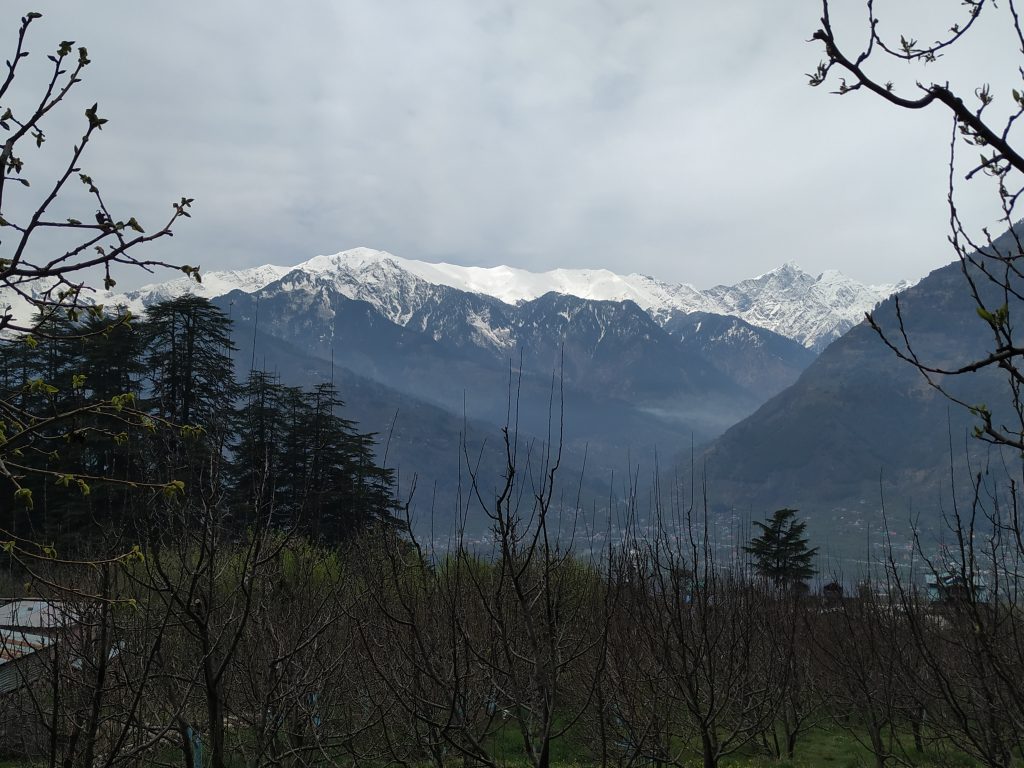
The Pir Panjal Mountain Range, Kullu, Himachal Pradesh.
[Image by Jagriti Rumi]

What are the mountains saying that doesn’t reach me?

Nothing.


Sun kissed peaks, every hour of every day, shattering time moving in the round clocks, but not the colossal movement, the mountains hide what secret from me?

I’ll measure it, treasure it, capture it once and for all, weigh it well, dissect and familiarise, worship and sell without expectations. Tell me, what is it?

Nothing.

Don’t lie!

I’ll climb and conquer again, I’ll dig and extract again, I’ll create tunnels and pin cables, hang lights and find roads, I’ll race up and down and charge tickets, smart tools are enough to overpower, smartly I move, watch me.


Alas! Ages pass by and you rejoice in stillness while I struggle and fight with no one but myself. In the search of an answer, I have walked past the question always, watch me as I do it again, watch me as I fall.


Watching… Dear mountains, you have watched it all, the movement, steadily you have participated, participated fully… is that it, then? Erosion also doesn’t bother, nor does dying, mixing in dirt, letting the wind take you away in bits.

Evening hour, The Pir Panjal Mountain Range.
[Image by Jagriti Rumi.]

Dear mountains, you don’t speak of love, yet your beauty does. You play with the sky, clouds and lightning.

Not tethered to a window, you see the full picture, and breathe the fresh air, and live… live not as the word ‘live’ explains, dictates, guides, forces, blesses, teaches, restricts, warns, and shouts telling us how to… but simply you do. And for that you need…

Nothing.


Weekly Newsletter

A weekly dose of stories! Get the posts from the Chiming Stories in your inbox and read it when you can. Subscribe now, it is free!

This field is required.

Recent Posts

B for Babette’s Feast and C for Compassion

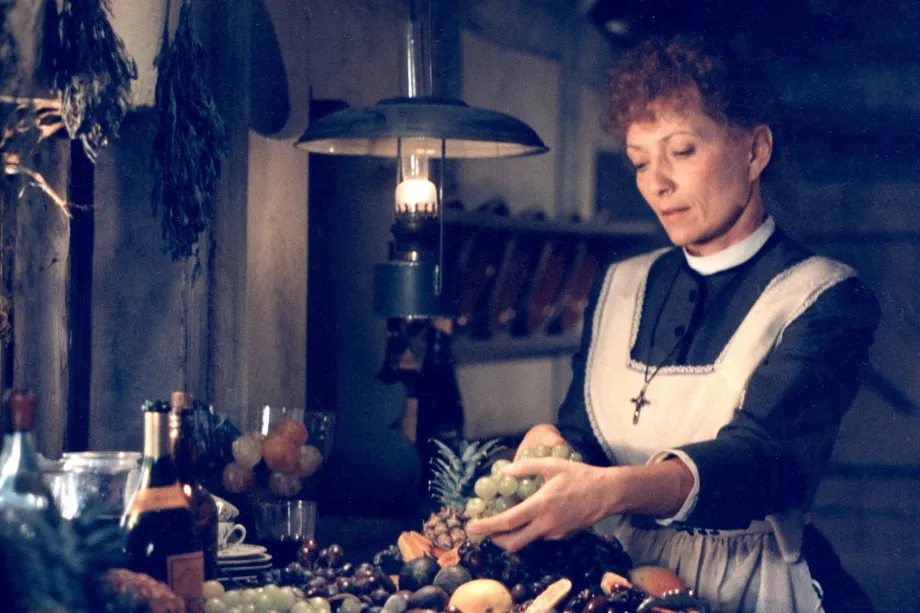
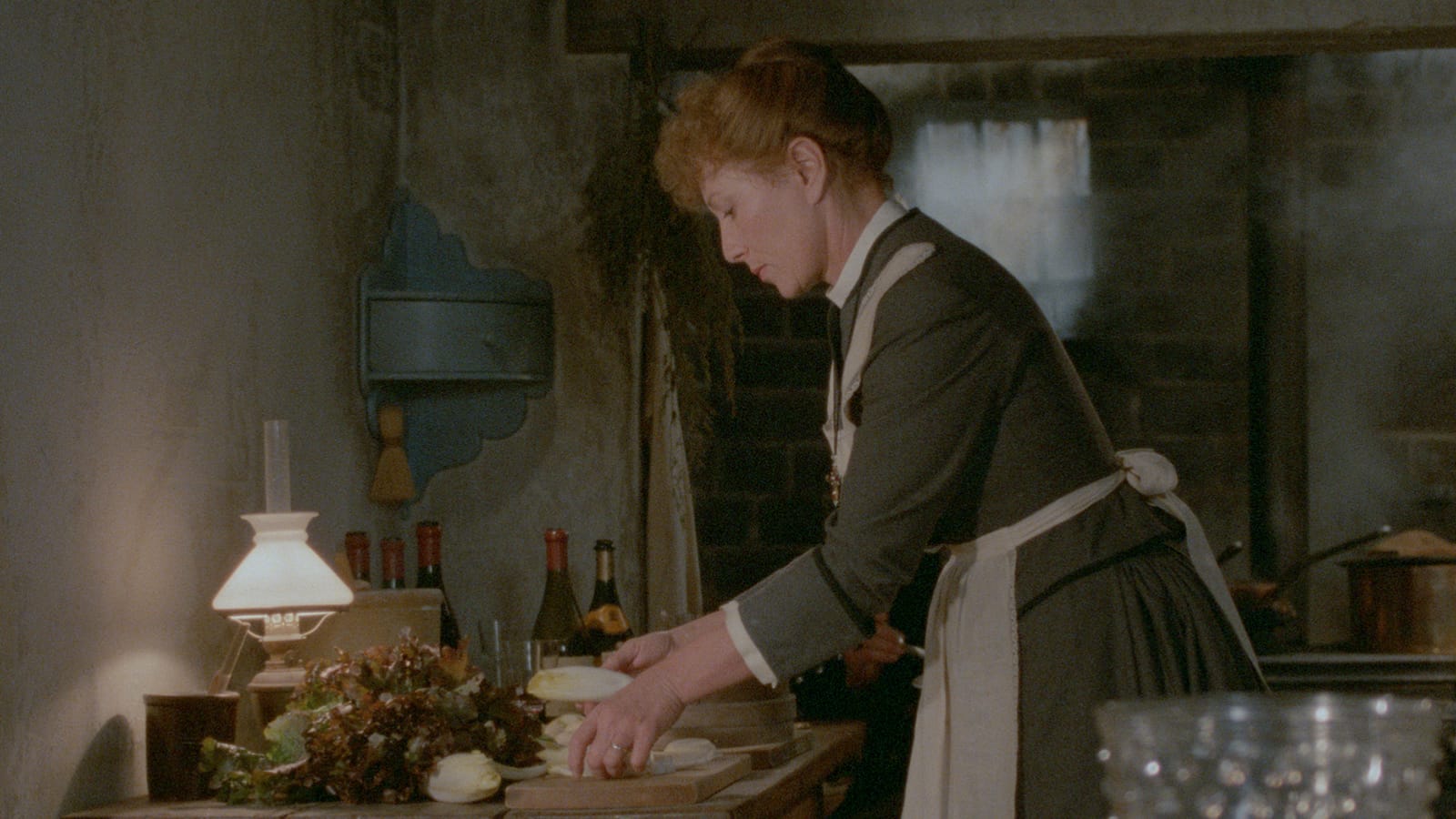
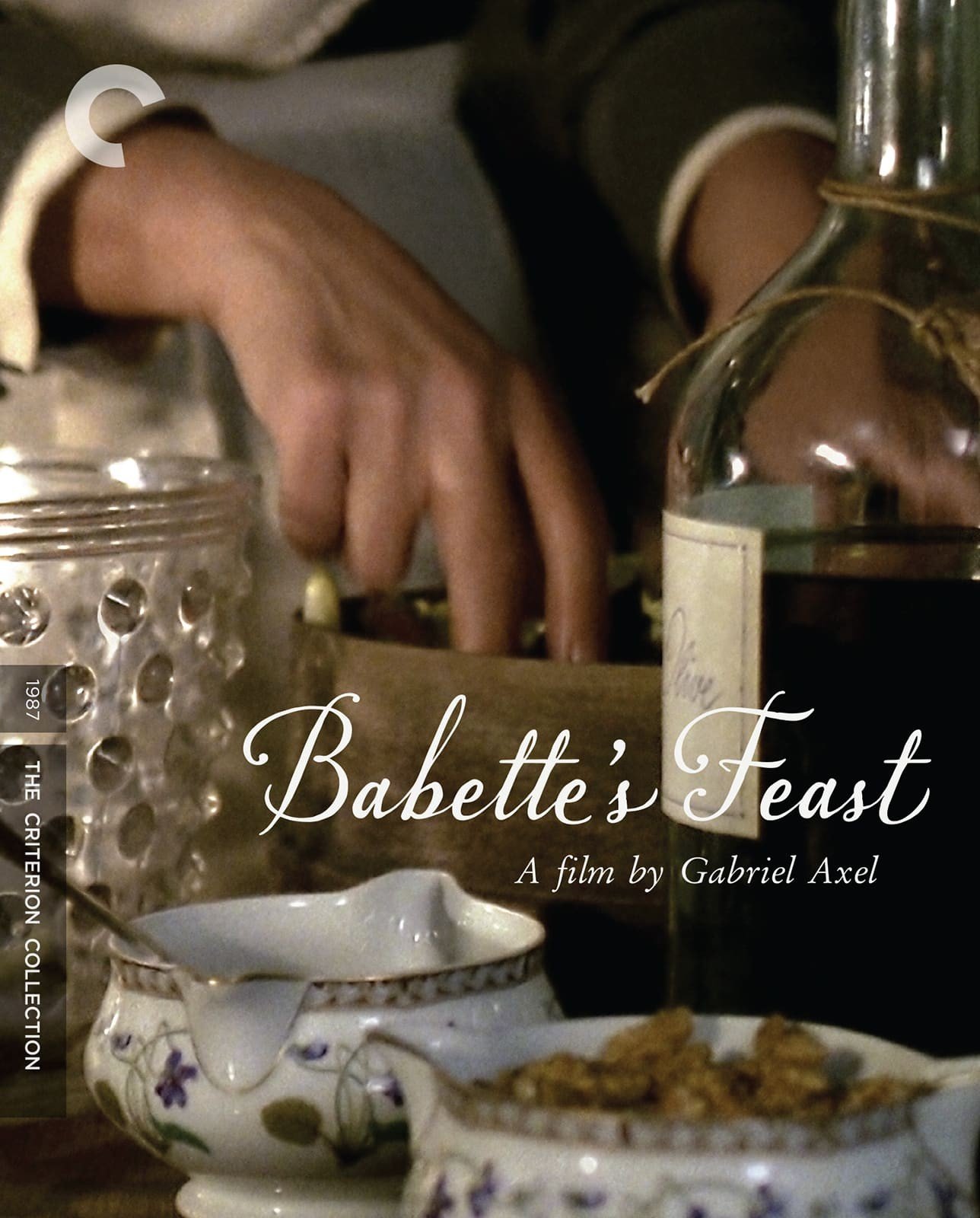
Babette collects herbs.
[Source – The Criterion Collection]

Believing in a belief, conclusion-loving, pinning the words ‘this way, please’ on a dimly lit – could be dusk, could be dawn – sky, they followed the direction, unchallenged they went for ages, preaching and praying, walking as said… old eyes looking at the sky, chanting the words again when suddenly a dazzling shooting star strikes through the pinned message… which way now?

Round and round… for the fear of going astray.


Setting the fruit plate.
[Source – Vox.com]

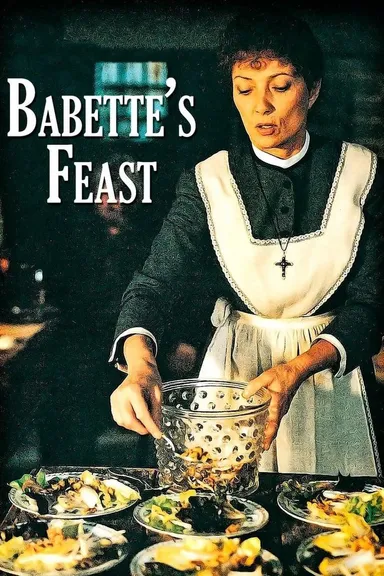
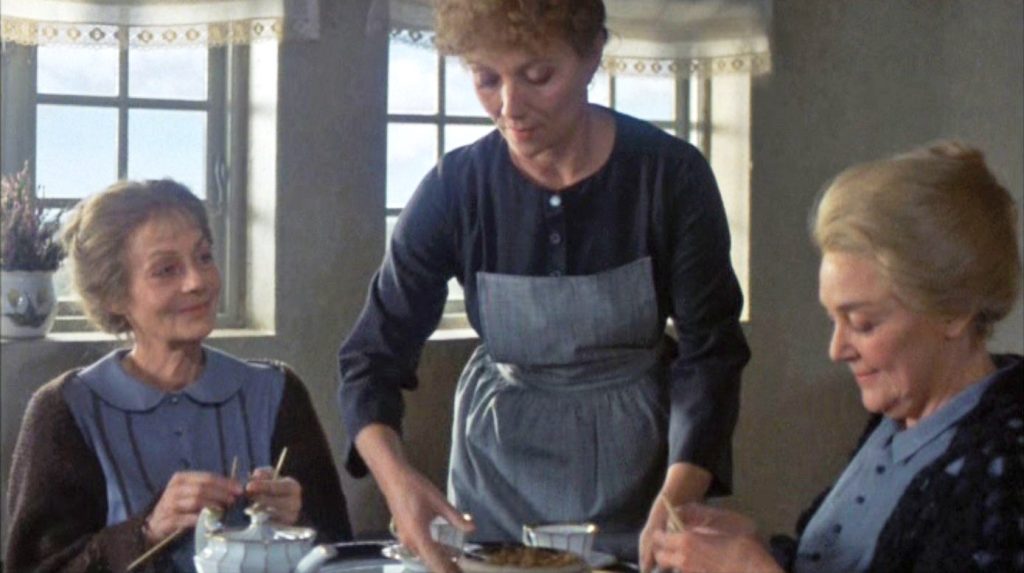
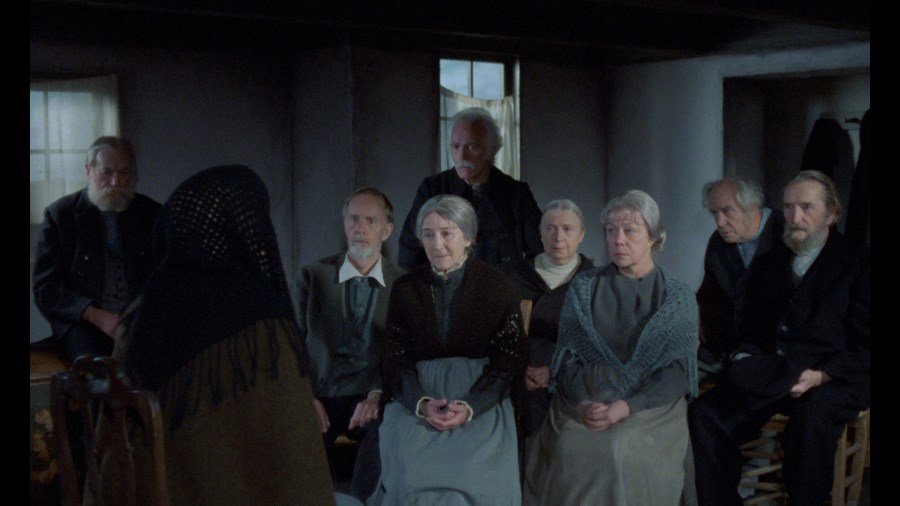
In Babette’s Feast a humble group of elderly believers – tired, corroded by time yet hoarding time, finicky, daft and cement strict – are made to taste another route, taste literally, for they are invited to a feast, “a real French dinner”.

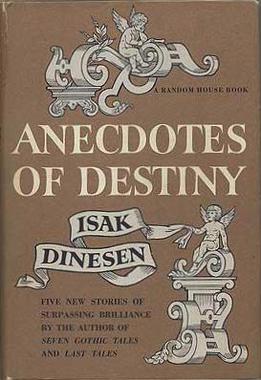
This 1987 Danish masterpiece directed and written by Gabriel Axel, based on one of Karen Blixen’s stories from Anecdotes of Destiny, termed by critics as “gastro-cinema at its most sensual and intoxicating”, “melancholy bliss”, and “a classic of literary adaptation”, in its simplicity and candour trespasses the humdrum routine life, and compassionately so… that you feel full.

Receiving an Oscar for Best Foreign Language Film, the first for a Danish film, Babette’s Feast most probably is also the first film ever to be mentioned in a papal document, Amoris Laetitia, as it is Pope Francis’ most favourite film and a recommendation too.

Watch the trailer now –


Story – Meet the sisters

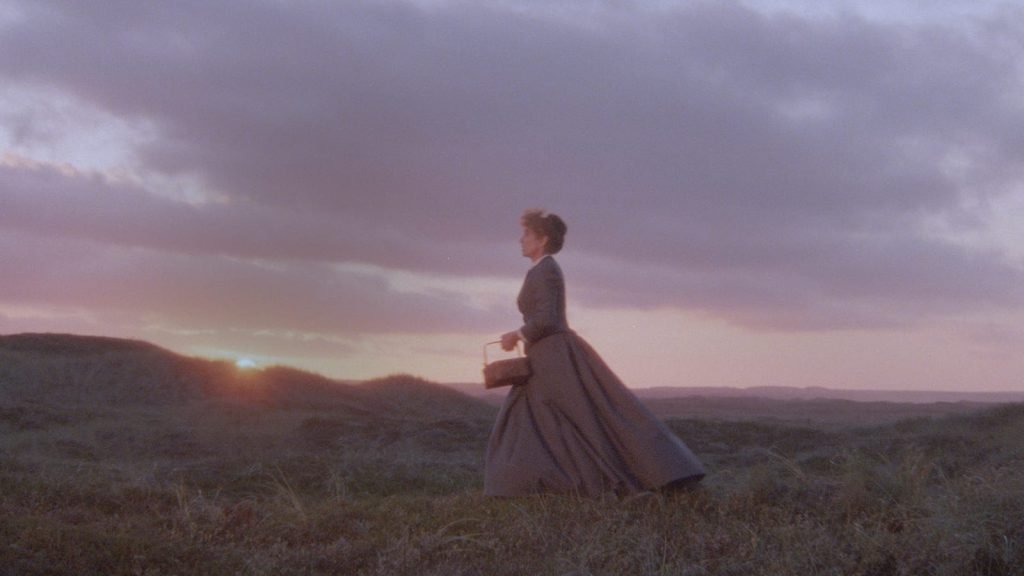
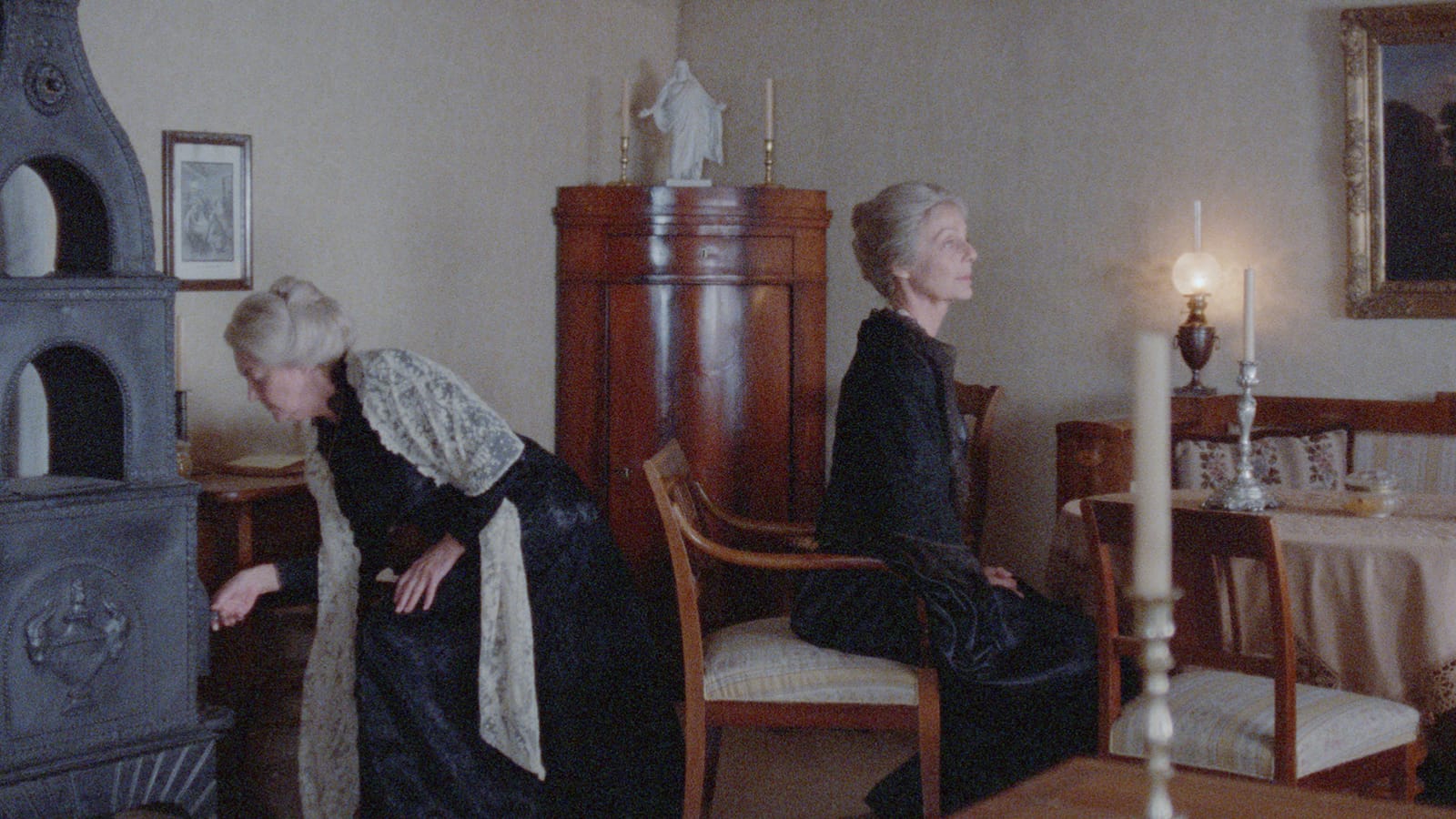
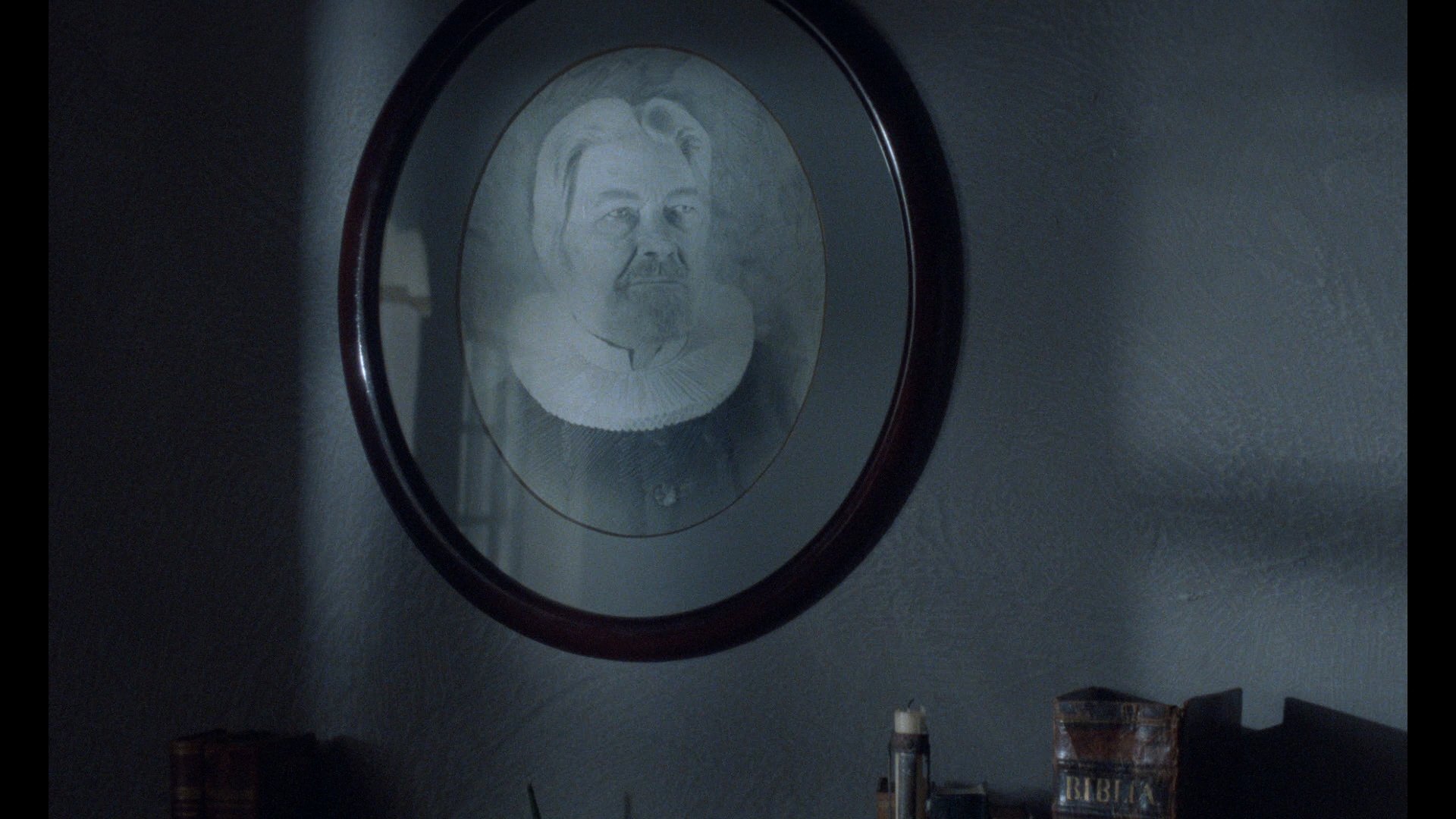
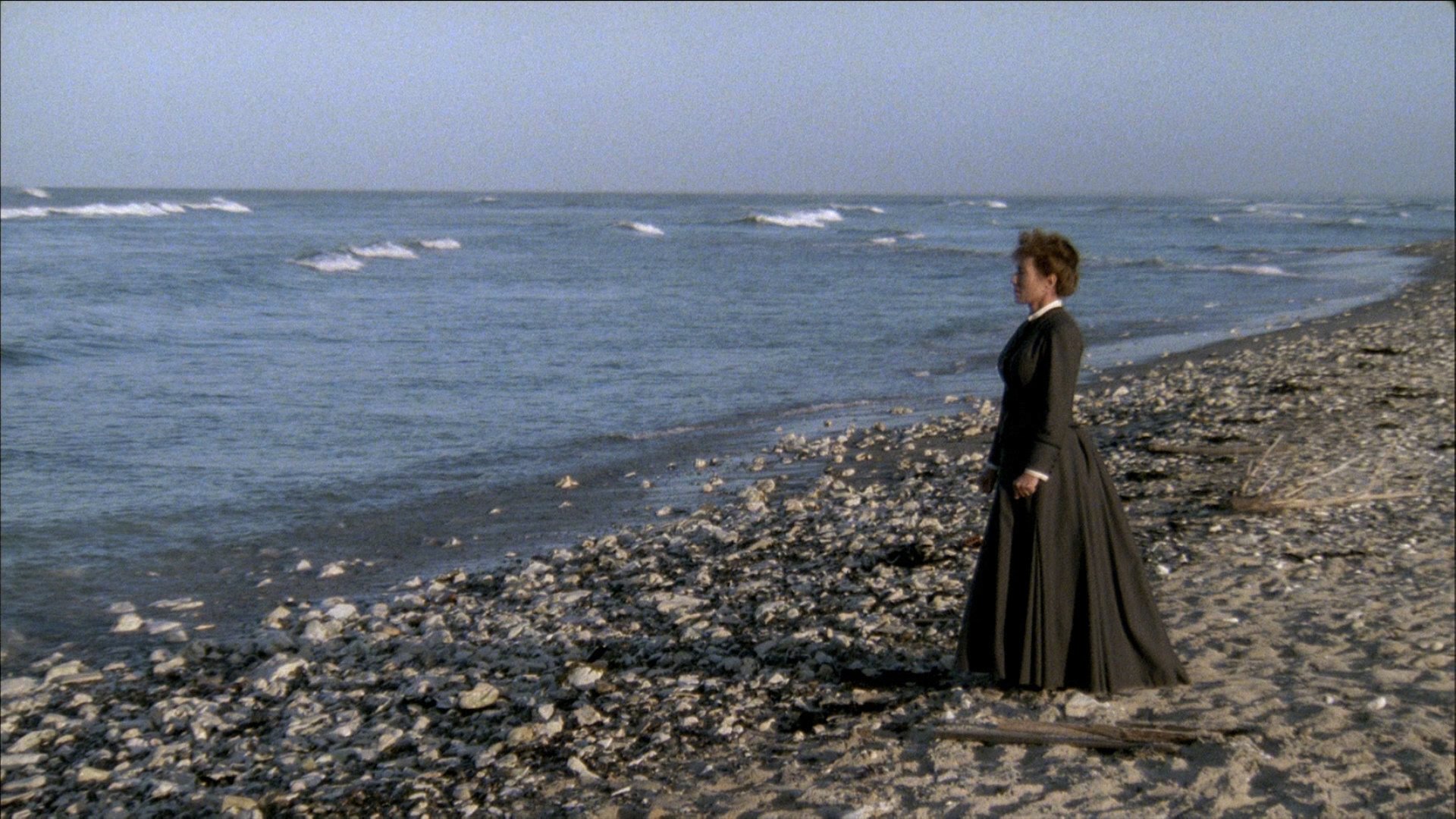
Martine and Filippa, two elderly sisters, in a remote region on the western coast in Denmark, have lived a life of austerity, carefully always measuring the rules set – set in stone, grey and seashore stone, often used to hold the roof, the door, the window, sincere and sturdy stone, set in the 19th century – by their late father, a pastor, who named them after the theologians Martin Luther and Philip Melanchthon.

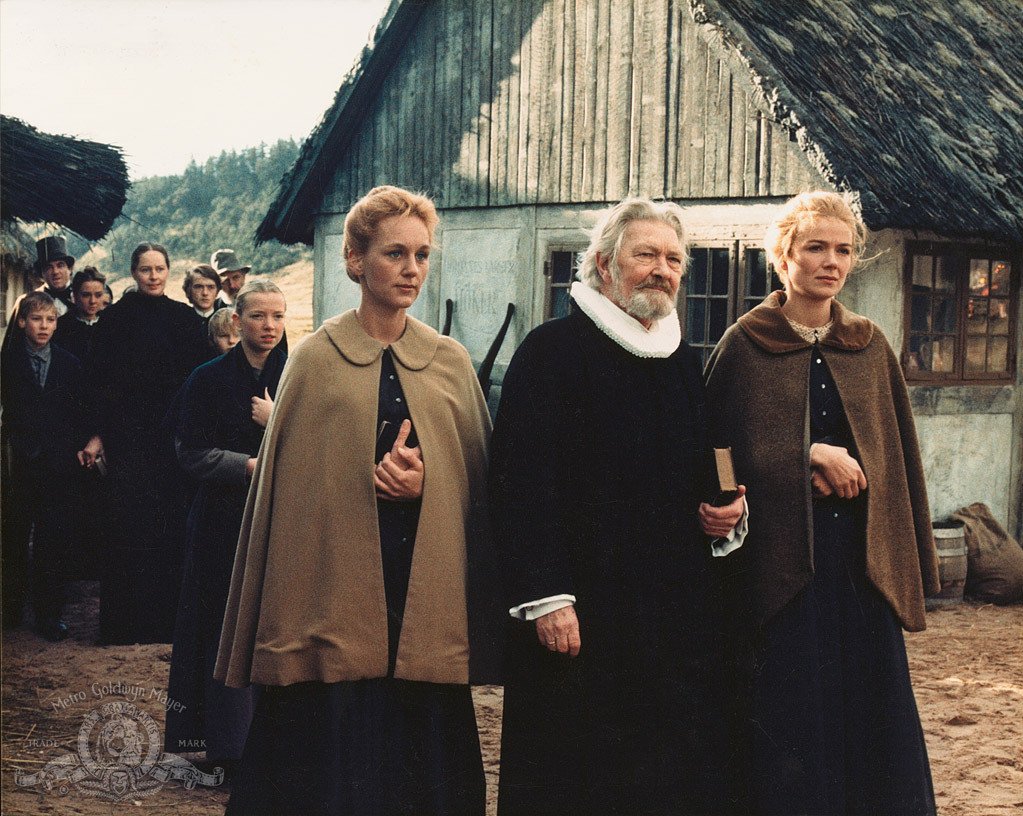
Following the spirit of Protestant Reformation, the pastor had started a congregation, a group with a mission to follow the followers who followed from the beginning the grand words of the follower. Now long gone, the pastor’s congregation is being carried on, thanks to his two daughters.

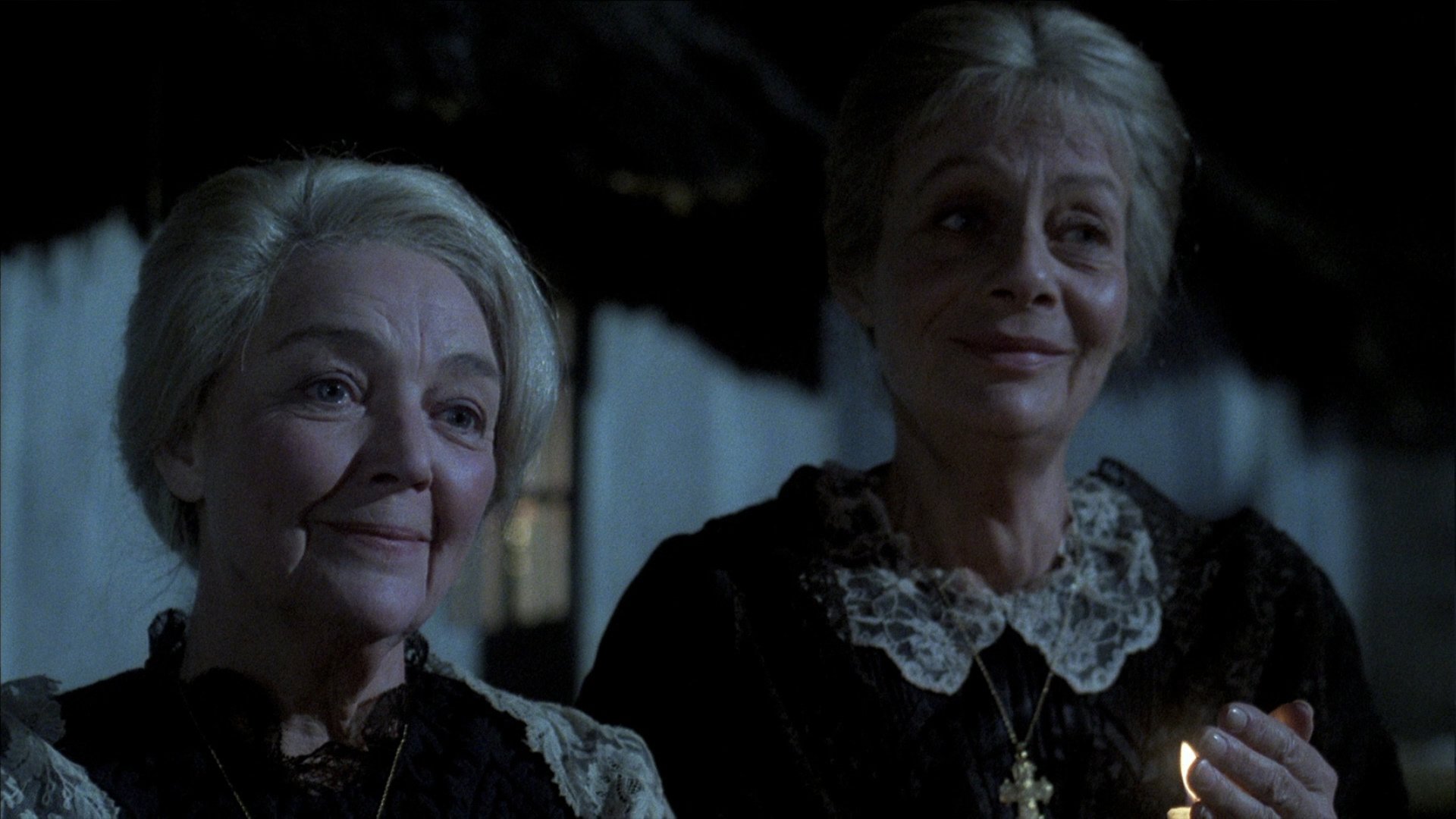
Sacrificing themselves for a greater good, the two elderly sisters, when young, were heartbreakers; many suitors attended the mass just to get a glimpse of the two beauties. The suitors dared to fall in love, Martine and Filippa dared to love not one but all, and the pastor loved his rule books.

The pastor with his two young daughters, Filippa and Martine, followed by the Lutheran sect members.
[Source – IMDB]

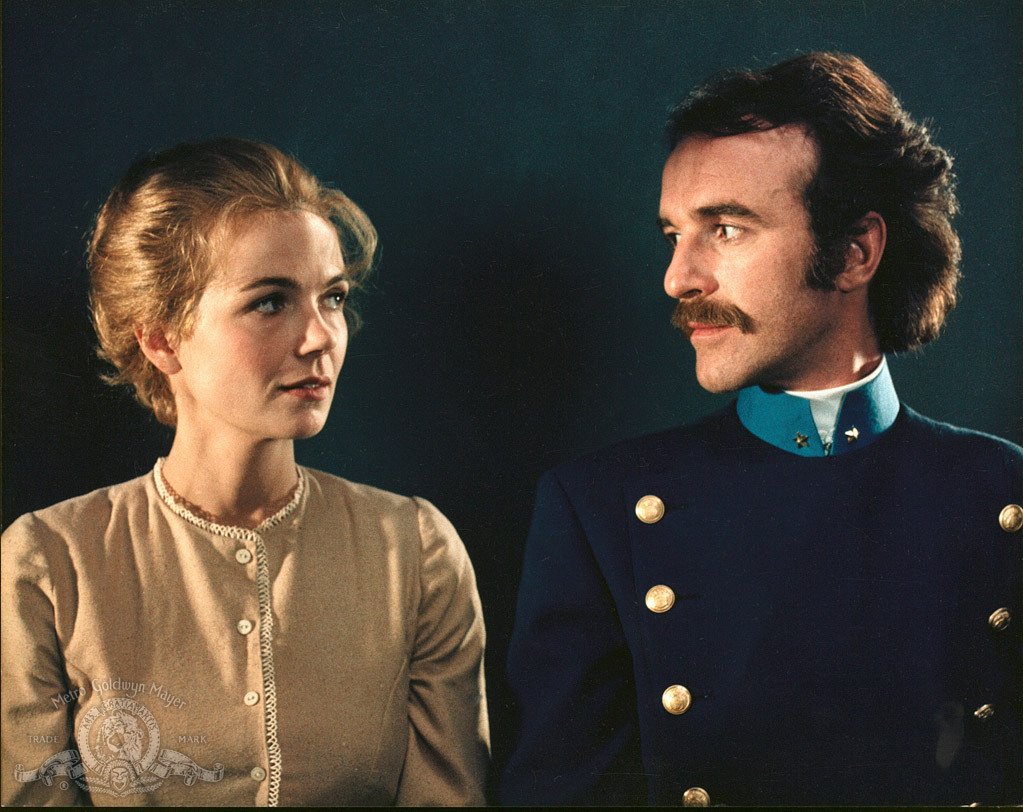
Yet, two true lovers – a Swedish cavalry officer, Lorens Löwenhielm, and a classical singer, Achille Papin – heartbroken, never stopped loving Martine and Filippa.

When Babette Hersant, a refugee, appears on a dark rainy night, begging for shelter, offering to work as a housekeeper for free, showing Achille Papin’s recommendation letter, the two sisters take her in. Fourteen years pass by and Babette, as a cook, serves Martine, Filippa and the congregation with better meals, deftly using from whatever is available.

The handful of folks who stayed loyal to the congregation – attending meetings, reading hymns, sighing, lamenting, cursing, gossiping – forgot, in actuality, why the congregation was formed. Saddened to see the folks bickering, Martine and Filippa, nevertheless, wish to celebrate their father’s hundredth birthday (a modest supper followed by a cup of coffee, that’s the plan).

Babette serves tea.
[Source – The Criterion Collection]

Babette requests the sisters, and it is the first time she does so, to let her prepare the commemorative dinner – a real French dinner – and also allow her to pay from her own pocket as she has won a lottery. The sisters, thinking that Babette will soon return to France and it probably will be her last time cooking for them, agree with her.

When Babette’s ingredients – exquisite wines, quail, a turtle, a calf’s head, etc., – for the feast arrive, the villagers are dumbfounded and the sisters are scared, regretting permitting Babette for she is turning the modest supper into a fantastic feast.

Sacrifice

A sacrifice is something sacred, holy, often done either to appease a deity or for the sake of others by renouncing something significant. Tied down in such a manner, sacrifice carelessly brings comparison in the framework of our societies.

The old pastor, thus, got lost in comparison. Comparing the text in his rule books with capricious people, he made them march-past, sing, sit and stand like the written word. All hail, now!

The congregation listens to Martine… Hallelujah!
[Source – criterionforum.org]

He couldn’t ever think of letting his two sweet bookmarks, his daughters, step out of his rule books, and the daughters knew, and the daughters obeyed, and the daughters gently broke hearts, and the daughters worked hard to run the congregation, to make the commoners appreciate. Hail and sing and love thy neighbour!

The pastor adored his daughters, appreciated the congregation, and loved the rule books for he identified with it the most.

The daughters surpassed the good old pastor’s attempt to follow a righteous path, for they sacrificed with compassion.

Compassion

Compassion works without failing, ceaselessly, for all and that is it; not divisive in nature, all comparison vanishes when a compassionate eye turns and looks through it.

Martine and Filippa are compassionate, always giving. From young to old age, they lived for others, tending and caring, cooking and serving, all seasons, morning to evening.

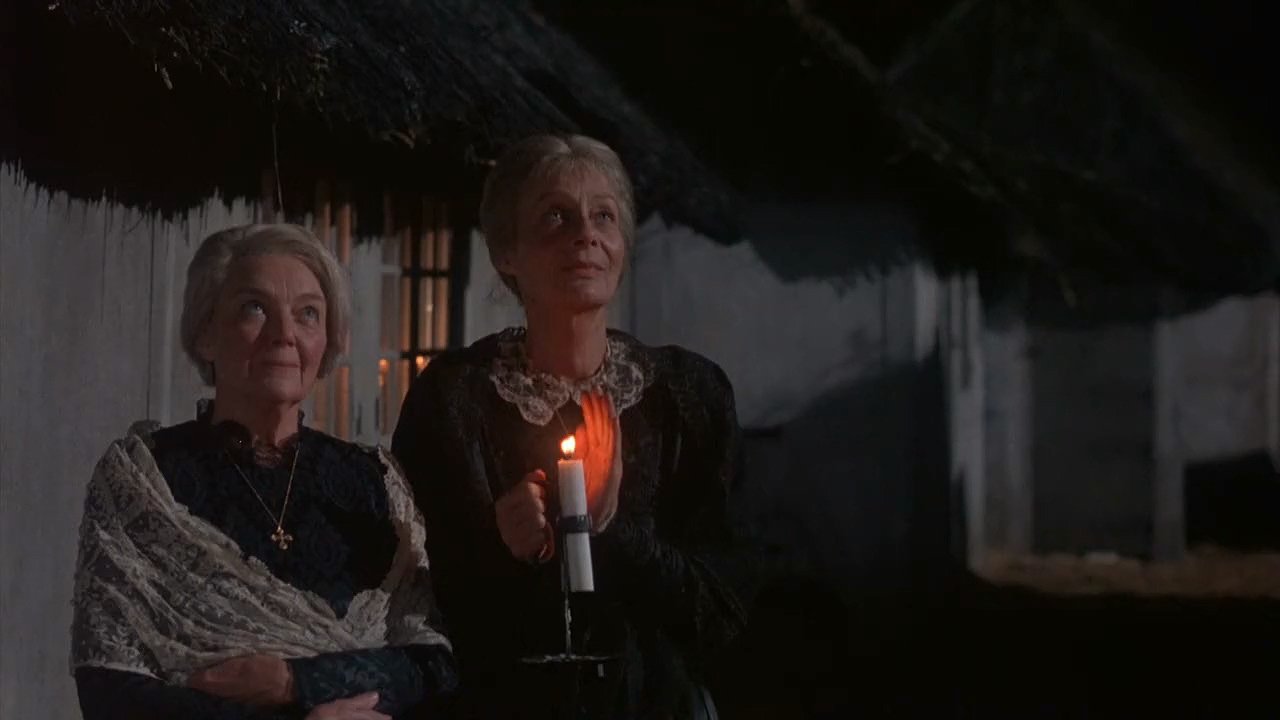
Not a sacrifice, for comparison rarely touches them, they quietly live – like the wavy grass, the cold ocean-fresh sand, the smoke coming out of the chimneys in the village, the lit and silent candles – cherishing their duty, performing it with love. Love!

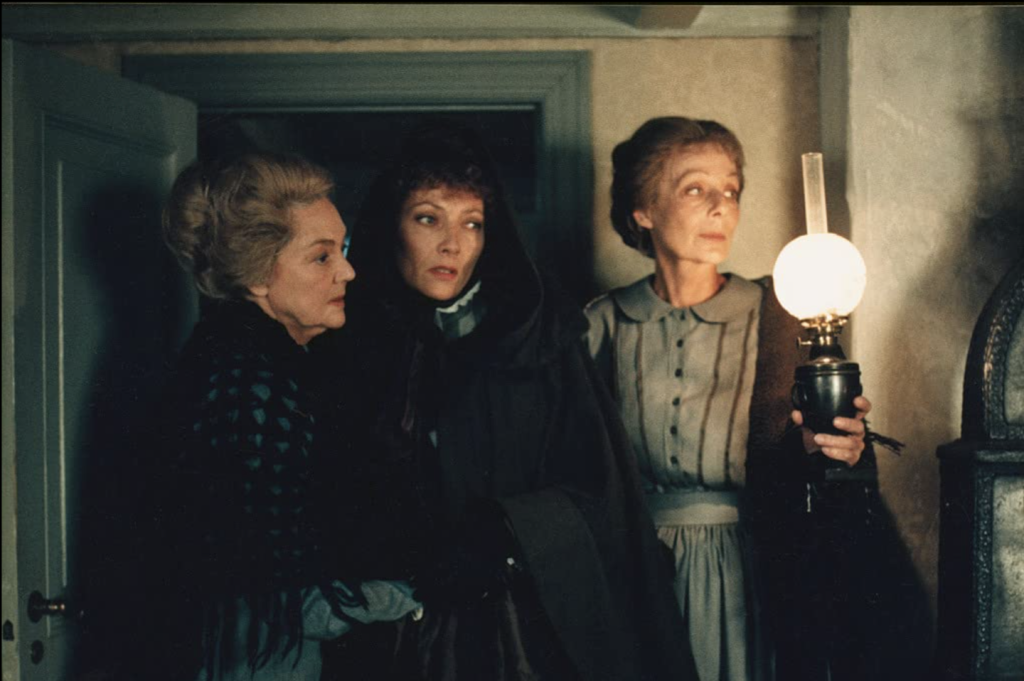
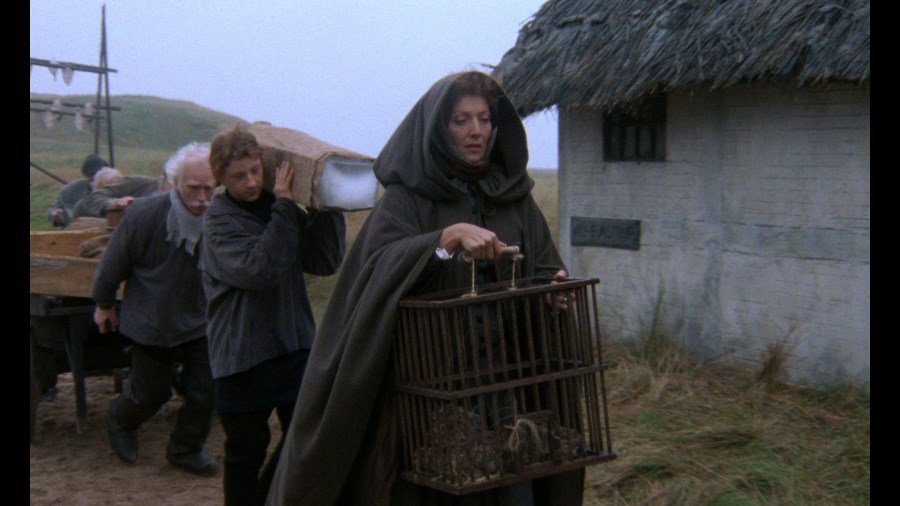
On a dark rainy night, the sisters take Babette in.
[Source – The Criterion Collection]

Love engulfed their old father’s rule books and became Martine and Filippa’s sole guide, without declaring it.

But their habit of following the late pastor often led them to troubled states – the congregation was decaying unnaturally – and the rule books offered no solution. Round and round they went.

Who brought a change then? Who?

The act of giving a wounded Babette a place to rest, recover and serve, turned out to be that shooting star that struck through their fixated way of living… unawares the sisters stirred the scene and ripples of change began. It was a simple act.


Story – Babette’s preparing the feast

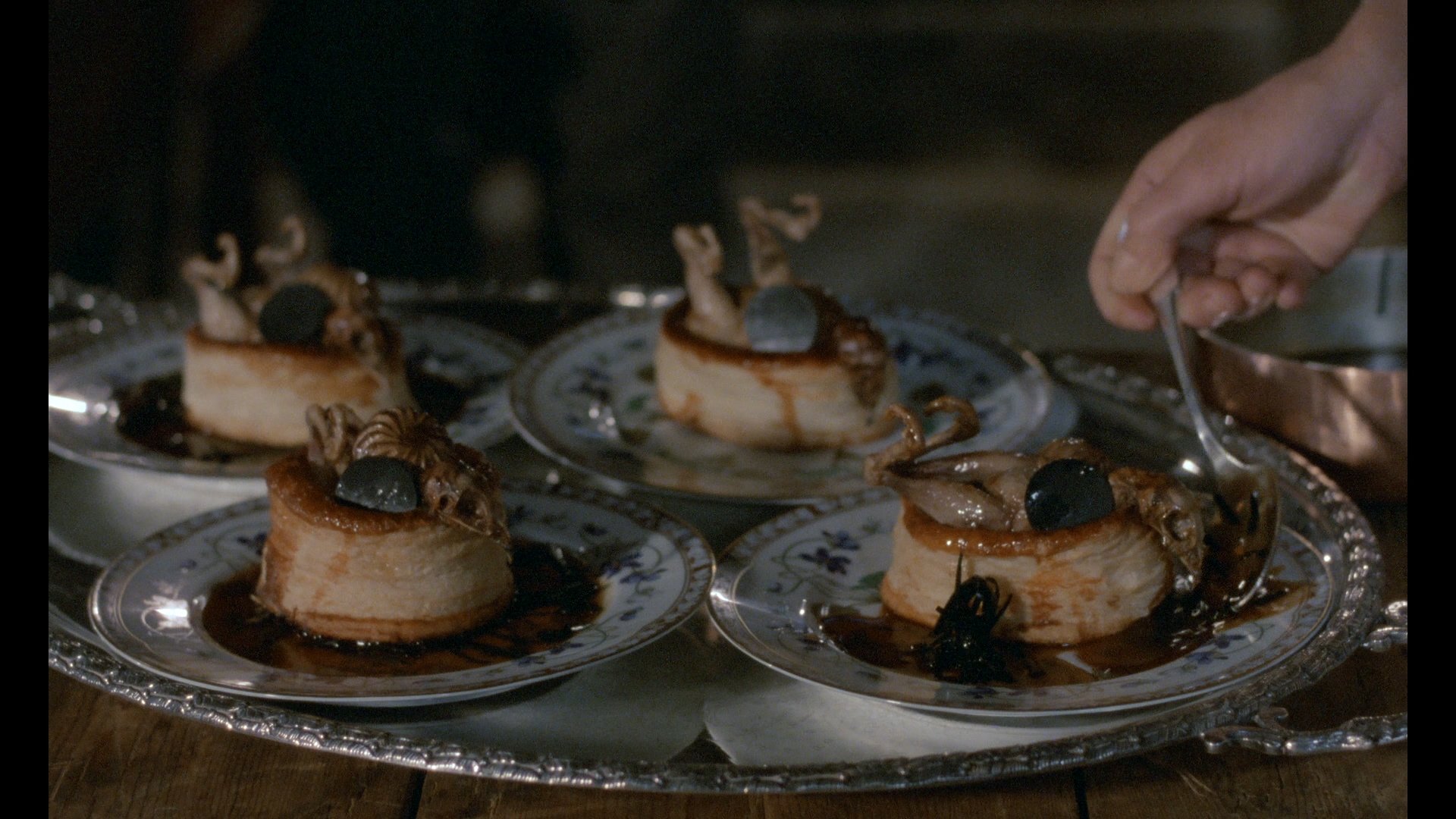
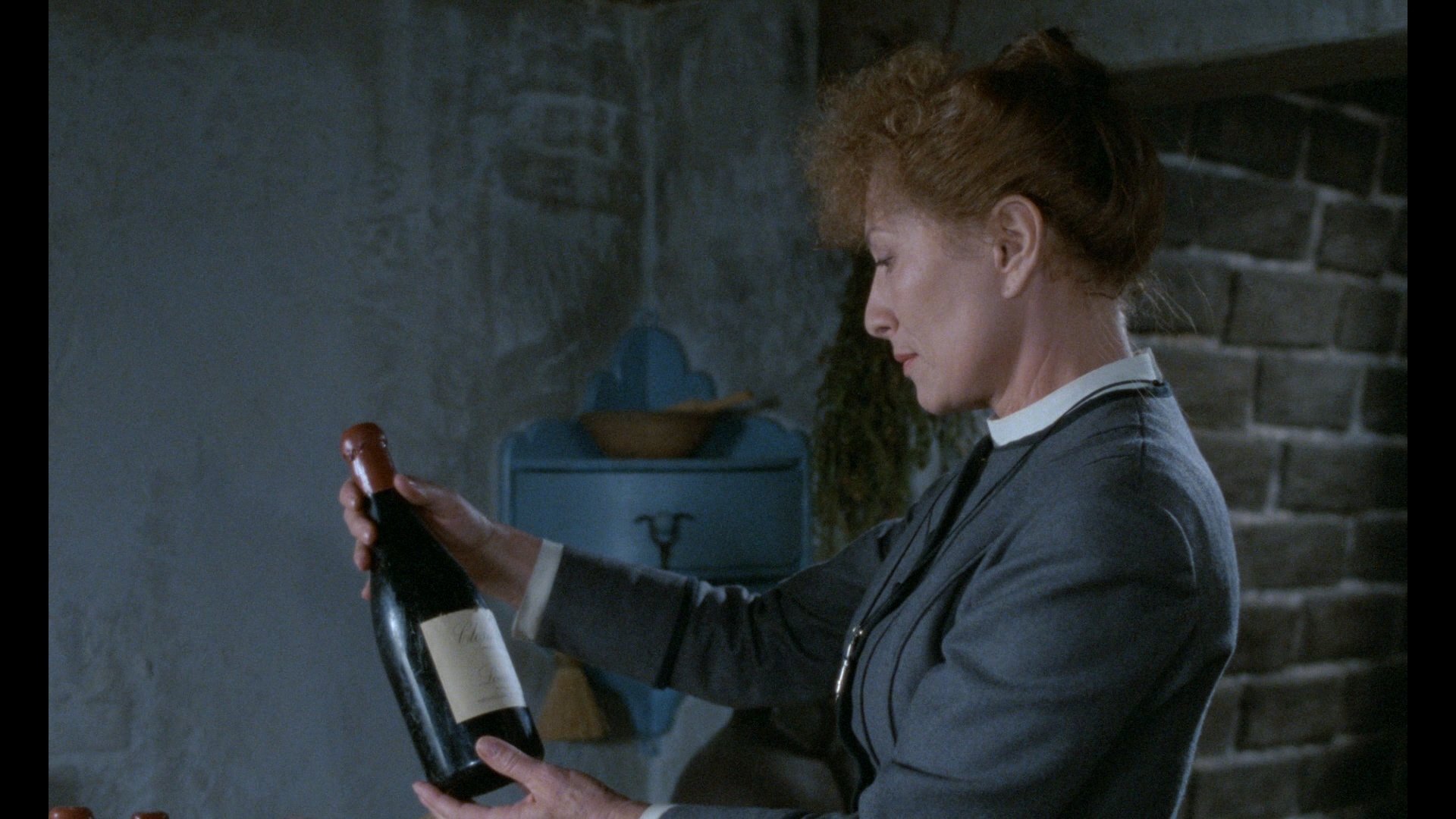
It becomes a grand affair, Babette’s feast, with the turtle soup and amontillado sherry, buckwheat pancakes with caviar and sour cream and of course, Champagne Veuve Clicquot 1860, then quail in puff pastry with foie gras and truffle sauce, accompanied with what the sisters were earlier worried about – they had asked, seeing the bottles of alcohol, “Surely that’s not wine?” and Babette had replied honestly, ‘No, that’s not wine. It is Clos de Vougeot, 1845!’

The sisters don’t say anything when dining, they had made a pact with all the community members, all of them won’t participate in this “witches’ sabbath”, they won’t accept pleasure and commit sin by describing how good the food is… so they eat everything quietly, the salade and dessert and the champagne and then the cheeses, fruits, sauternes, the coffee at the very end with the Grande Champagne cognac.

They chewed, sipped, swallowed slowly, sheepishly at first, then heartily tasting the fantastic joyful scrumptious heavenly meal, though never ever saying a word about the food, they do talk about their differences, mistakes, fraudulence, foolishness, love for the congregation, the old pastor and the lovely sisters.

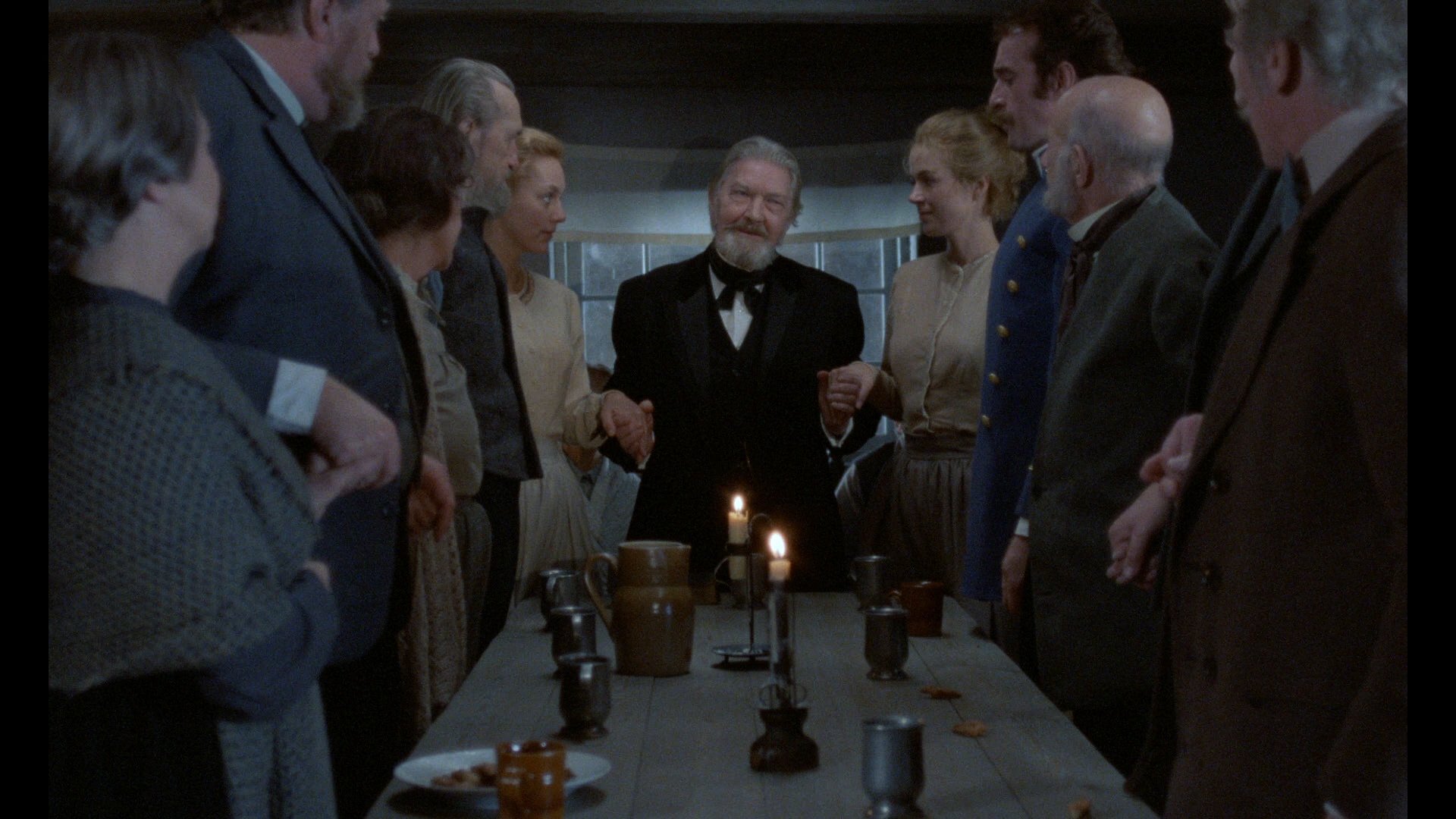
Full and happy, pleased and welcoming, they then feel good and so, compassionately sing together, holding hands in a circle like little children.

“Mercy imposes no conditions…”, says General Lorens Lowenhielm.
[Source – The Criterion Collection]

The only one who did acknowledge the excellently prepared and presented dinner, is Lorens, Martine’s former lover, a General and married man now, who attends the dinner with his old aunt – the oldest member of the congregation.

Savouring every combination that is served, relishing the elegant, rounded, rich wines, he shares an anecdote about a woman chef, an artist, a culinary genius, who was behind the success of a renowned restaurant in Paris, and how this meal reminds him of the time when he once dined there.

Thanks to Lorens, the others get to know about the intricacies that made every dish so special. ‘Hallelujah!’ They sing together, the old hymns, looking at the night sky, and this once, find only the stars twinkling, not the pinned message.

Bidding goodbye, Lorens shares with Martine –

I have been with you everyday of my life. Tell me you know that.

Yes, I know it.

You must also know that I shall be with you every day that is granted to me from now on. Every evening, I shall sit down to dine with you. Not with my body, which is of no importance, but with my soul. Because this evening I have learned, my dear, that in this beautiful world of ours, all things are possible.

Sacrifice

The turtle haunts Martine.
[Source – The Movie Screen Scene]

Food chopped and sliced, butchered and boiled, softened, sweetened and spiced for the feast. The running food cycle does not appear like a sacrifice, one depends on consuming food, until one doesn’t.

The running food cycle turns exploitative when one species begins to burden the others, when storing food becomes the norm, when one has only two-minutes to cook. Nothing is sacrificed other than one’s health in such a case.

Says one of the members of the congregation – “Man shall not merely refrain from but also reject any thought of food and drink. Only then can he eat and drink in the proper spirit.” She then sips the champagne quietly.

The good food overpowering each one of them gradually, humbly, without a desire to win over, makes them forget the yardstick to measure goodness. They forget to compare.

Even though they follow Lorens’ lead – copying his manners, what to eat first and how exactly, for the exotic feast is absolutely new to them – they do so without fear. Conditions imposed faded away when they sat down to eat the meal.

Compassion

Babette once worked as the head chef of the famous Café Anglais in Paris, she is the culinary genius – an exception – Lorens spoke about; her passion for food guided her to experiment freely.

Fourteen years pass by and Babette, a refugee from a revolution that devoured her husband and son, scarred and impoverished her, learns to live, daily, by doing housework and cooking, serving meals to the congregation, learning the local parlance, cracking deals with vendors, experimenting with the home-grown herbs … she learns to live by doing nothing extraordinary.

In daily living, emptying herself of the past, she finds space for the present. Paying absolute attention to her chores, unknowingly she falls for it, and when she wins the lottery, after a little contemplation, she decides how to spend it – by cooking a proper feast for the congregation. Money doesn’t bother her now. She prepares a sumptuous meal, setting the stage well with beautiful silver and chinaware, brightening the mood with candle lights.

Head chef, Babette Hersant – an exception.
[Source – The Movie Screen Scene]

Perfectly, she conducts the performance – what is to be served, in combination with which drink, after exactly which dish – with the help of a local kid and the General’s in-waiting coachman, without taking the centre stage even once. Allowing the two helpers and herself to taste the food and sip the drink at the end, knowing well that the task is done.

Her food transforms all the guests; her passion takes the form of compassion; everyone feels grateful for one little thing or more. With the happy chaps gone, the two sisters come running to thank Babette for turning their father’s hundredth birthday into a wonderful celebration, something to remember her for when she returns back to Paris.

But she is not going back to Paris, says Babette, revealing that she was the head chef of Café Anglais where a dinner of twelve costed just the amount she won in the lottery (10,000 francs). Greatly surprised to know this, the sisters worry for her as she is back to being penniless, Martine says, “Now you will be poor for the rest of your life”, but “An artist is never poor”, says a smiling Babette.

The performance was for the guests as well as for herself, she adds, remembering what Achille Pappin often said, “Throughout the world sounds one long cry from the heart of the artist: Give me the chance to do my very best.” Filippa, a singer Pappin wanted to rule the French Operas, gives Babette a warm hug, saying it is not the end, that in heaven her art will delight the angels.

Overwhelmed, the sisters speak the language of the book and Babette of her art, that is all they know, but they speak with love. Love!


The Film

Gaberial Axel’s Babette’s Feast has given wings to this lovely short story by Karan Blixen aka Isak Dinesen, feather light, the 102 minutes long film never feels long. It begins like a folklore that gently plays with time – now talking about the father pastor, now the suitors proposing the young sisters and now the sisters, old, running the sect, then introducing a stranger, a troubled lady, on a rainy night… and now we want to know who she is.

Even though a religious sect paints this village in its colours, the story never preaches nor gets dull and overburdened with saddened affairs of the sad souls. Good food keeps them in good mood after Babette’s arrival, earlier they didn’t know the difference, and when they find out, and have to eat what the sisters cook in Babette’s short absence, they protest silently – grimace on face, one old fellow drops the mushy porridge back in the bowl, mumbling.

Until the feast is served, the community second guesses Babette’s every move – after all there’s an alive turtle in the kitchen – which even haunts Martine in her dreams. When the celebrations begin, we the audience also participate actively in it, watching what Babette serves and how the worried old folks react to it, we watch though not expecting much… for such is the art of cooking and shhhhh… Babette’s at work.

The candle dies out in the end… the feast is over, it fed and restored many, words were spoken, words were heard and understood, now there is nothing more to say, the day’s over and the night sky shines with stars for some, with messages for others… and a shooting star striking through again for the one who looks.


A truly lovely tale of everyday passion, magic and miracles.” – Geoff Andrew

A glimpse –

Read more about Babette’s Feast –

Babette’s Feast: A Fable for Culinary France by Priscilla Parkhurst Ferguson.

On wine and food and a seat at ‘Babette’s Feast’ by Patricia Rogers.


Weekly Newsletter

A weekly dose of stories! Get the posts from the Chiming Stories in your inbox and read it when you can. Subscribe now, it is free!

This field is required.

Recent Posts


Weather Forecast Says Listen to George Ezra

Coverage
[Created by Jagriti Rumi; Source – Wikipedia]

*

Relationship with the world grows like grass and creepers; growing in every direction like the grass, growing criss-cross network like the creepers. The very many we don’t know, the very few we do, together shape our lives.

Meeting not the grass patch across the road, I stay happy/unhappy with my rocks, my stones, my pals, my weeds.

And in a shrinking world – our one big grass field, our one small landmass in the world of oceans upon oceans – the seasons may change, but the weather remains the same, it is the weather to form relationships, this weather is here to stay.

Hatred and discomfort in a relationship doesn’t require much effort, it easily springs to life, nurturing illusions in separation, measuring neatly, dividing by all, leaving the remains in decimals.

Compassion, love in a relationship is all that there is to it.

Then doing a chore becomes something more, like wild grass covering and fostering the soil exuberantly, turning into meadows, savannas, prairies, pastures, it grows, not knowing the difference it grows.


Moon loves the grass and listening to George Ezra.
[Source – Pixabay]

*

The weather remains the same, it is the weather to form relationships, this weather is here to stay, that is why probably the weather forecast says, ‘Listen to George Ezra’.

His songs are about forming relationships – with friends, family, the beloved, the city, the village, Tiger Lily, the oldies goldies, heaven, hell, middle earth, nature, you and me and them all.

In baritone voice, his songs narrate a story of relations without conclusions so that you can freely listen and freely walk on the grass field.

His songs share secret messages that you get before you know you did.

Without an end, like a creeper stretching its hand, meeting a tree or a forest floor, the song meets you, takes you along.

Ezra’s songs speak not about ‘eventually’, for there is no ‘eventually’, but only the now, the present, this instant, not what is fleeting, nothing is, for you’re fleeting along.

Hold on, hold on dear world for we are moving together, divided we fall, we have fallen, fallen on the green grass that if we see, observe, will share a thing or two about relations.


This weather forecast won’t fail you, rather it’ll nudge you lovingly to make do, see through and say Take Two today.

*

*

Monday Budapest

TuesdayAnyone For You (Tiger Lily)

Wednesday Listen to the Man

Thursday – Fell In Love At The End of The World

*

*

FridayParadise

SaturdayCassy O & Green Green Grass

Sunday Shotgun

*


Twisted, quirky and stubborn relationships, at times, may overpower, confuse, ridicule you, don’t give up then, but take this antidote; first get drenched in rain and thunder, be with the darkness inside, then simply ‘blame it on me’, only to switch to a soothing greenery, back to nature for a while.

*

Why Day – Did You Hear The Rain?

*

Eh Day – Blame it on me

*

Any Day – Barcelona


Weather forecast ‘ifs’ –

*

If you want a clear sky and the day to be bright and sunny or if it is too hot and you want a happy tiny cloud to follow you for shade then listen to George Ezra’s Morning Song.

*

*


Weekly Newsletter

A weekly dose of stories! Get the posts from the Chiming Stories in your inbox and read it when you can. Subscribe now, it is free!

This field is required.

Recent Posts


One-All!

Short Film Script
Happy eyes!
[Source – Pixabay]

*

FADE IN

INT. SCHOOL BUS – DAY

Shweta, an eighth-class student, is chit-chatting with her friend in the school bus; they choose to stand by an empty seat.

The bus’s engine crackles and starts running as the driver takes his seat. The boys standing near the back door are talking loudly. With more and more students boarding the bus, it becomes a happy noisy site.

CUT TO:

CLOSE UP

Shweta is searchingly looking at the back door while pretending to be fully engrossed in the conversation.

CUT TO:

INT. SCHOOL BUS – DAY

A boy enters the school bus from the back door; his friends address him as ‘Raghu’; they immediately start discussing something.

CUT TO:

Shweta’s eyes are now fixed at Raghu; she even stops pretending to listen to what her friend is saying. Funnily, her friend doesn’t notice.

CUT TO:

Raghu, while listening to his chirpy friends, turns to look at Shweta just for a second and then turns back again.

CUT TO:

CLOSE UP

Shweta, with a tinge of anger in her eyes, glares at Raghu. This time her friend also notices it. The bus grunts and sluggishly starts moving.

ZOOM OUT

Raghu turns to see her again and when he does, right at that moment, Shweta quickly switches her place with her confused friend.

Taking Shweta’s side, the bus swayed to take a turn on the road, giving this switch a rhythmic touch.

Shweta, with her back towards Raghu, now can’t see him but is smiling as if she has somehow defeated Raghu in a game.

Raghu, somewhat baffled, stares at Shweta in the background and we hear a voice –

NARRATOR

(Keeping score)

One-all!

FADE OUT

*

Happier now, wink-wink!
[Source – Pixabay]

Complement with another short film script – Bowie’s Birthday Party

*


Weekly Newsletter

A weekly dose of stories! Get the posts from the Chiming Stories in your inbox and read it when you can. Subscribe now, it is free!

This field is required.

Recent Posts


Kitchen Work

Short Feature
“Is it ready yet, is it ready now?”
[Source – Pixabay]

*

Like a quick meal that you make yourself, yes, yourself, standing in the kitchen, looking for items, finding none, finding some, maybe it is not something you regularly do or maybe you do it regularly but always in a rush, you add a pinch of salt after applying butter or vice-versa, the heat is too much or too low, you fix it, but after slightly burning your fingertips, and when this meal makes you wait, oh, for howsoever quick it is, it still needs time, you think of brewing a hot cup of tea or coffee, hustle and bustle, tin-tin-tinaa-tuk-tun-tunaa, and the quick meal along with a hot beverage when tasted and sipped, you feel full and good, it is a buttery sweet moment.

You suddenly also start to feel confident about life in general.


Oh, but when you return to the kitchen after finishing the meal, the anxious shelf, the sticky stubborn utensils and crumbles all over the place stare at you in cold anticipation – now or later, late evening or tomorrow morning, my turn or roommate’s turn, or, or, or the maid’s?

You suddenly feel late, like it is only the washing dishes and cleaning shelf bit that stands between you and the attainment of your dream.


I guess, the dish is ready, dear Rabbit. Bon appétit!
No, I won’t join, I am fasting today. Goodbye!
[Source – Pixabay]

*

If you very often do the cleaning part too, not just as a chore, your cooking abilities will bloom, like a wild vine that climbs and trails wondrously without worry, much more than it does when you stick to a rough routine like a straight, pruned plant in a plastic pot.

While a plant even in a plastic pot is rich, full of warmth and it rules, we tend to limit ourselves to a routine too easily, especially if it is comfortably dull.

Kitchen work is all about exuberance, love, patience and meditation that serves best when mixed with prudence.

Cooking and cleaning is a complex task; your kitchen is no less than a PhD student’s lab, yet truly welcoming, forgiving and accepting.

Anyone’s progress happens only gradually and is incomplete without the cleaning part.

Steadily, if you keep going, you’ll learn when to add a pinch of salt, before or after applying the butter, without burning your fingertips.

And you’ll get used to the tricky teasing waiting part, you’ll know it adds great value, and you’ll see, when it’s time, how grandly patience prepares a rich dish.


Weekly Newsletter

A weekly dose of stories! Get the posts from the Chiming Stories in your inbox and read it when you can. Subscribe now, it is free!
This field is required.

Recent Posts