Life

Sharpening the Lens Cavafy Style

Poem Review
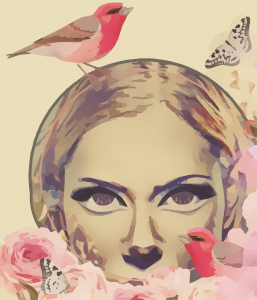
Together we wait…
[Source – Pixabay]

Waiting for the Barbarians

By C. P. Cavafy

Translated by Edmund Keeley

*

What are we waiting for, assembled in the forum?

The barbarians are due here today.

*

Why isn’t anything going on in the senate?

Why are the senators sitting there without legislating?

*

Because the barbarians are coming today.

What’s the point of senators making laws now?

Once the barbarians are here, they’ll do the legislating.

*

Why did our emperor get up so early,

and why is he sitting enthroned at the city’s main gate,

in state, wearing the crown?

*

Because the barbarians are coming today

and the emperor’s waiting to receive their leader.

He’s even got a scroll to give him,

loaded with titles, with imposing names.

*

Why have our two consuls and praetors come out today

wearing their embroidered, their scarlet togas?

Why have they put on bracelets with so many amethysts,

rings sparkling with magnificent emeralds?

Why are they carrying elegant canes

beautifully worked in silver and gold?

*

Because the barbarians are coming today

and things like that dazzle the barbarians.

*

Why don’t our distinguished orators turn up as usual

to make their speeches, say what they have to say?

*

Because the barbarians are coming today

and they’re bored by rhetoric and public speaking.

*

Why this sudden bewilderment, this confusion?

(How serious people’s faces have become.)

Why are the streets and squares emptying so rapidly,

everyone going home lost in thought?

*

Because night has fallen and the barbarians haven’t come.

And some of our men just in from the border say

there are no barbarians any longer.

*

Now what’s going to happen to us without barbarians?

Those people were a kind of solution.
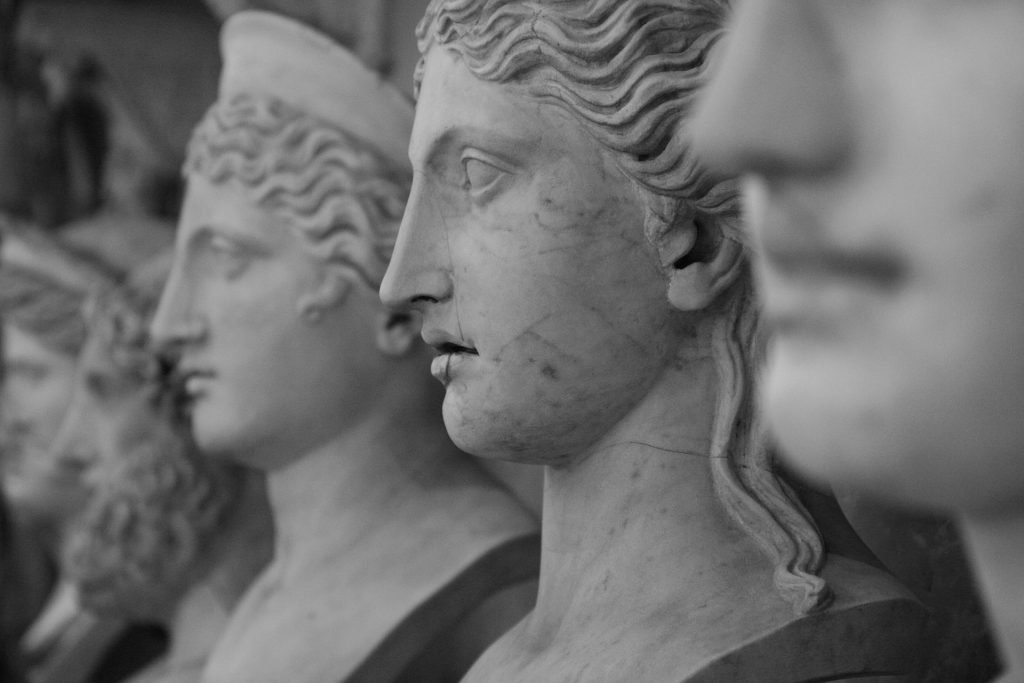

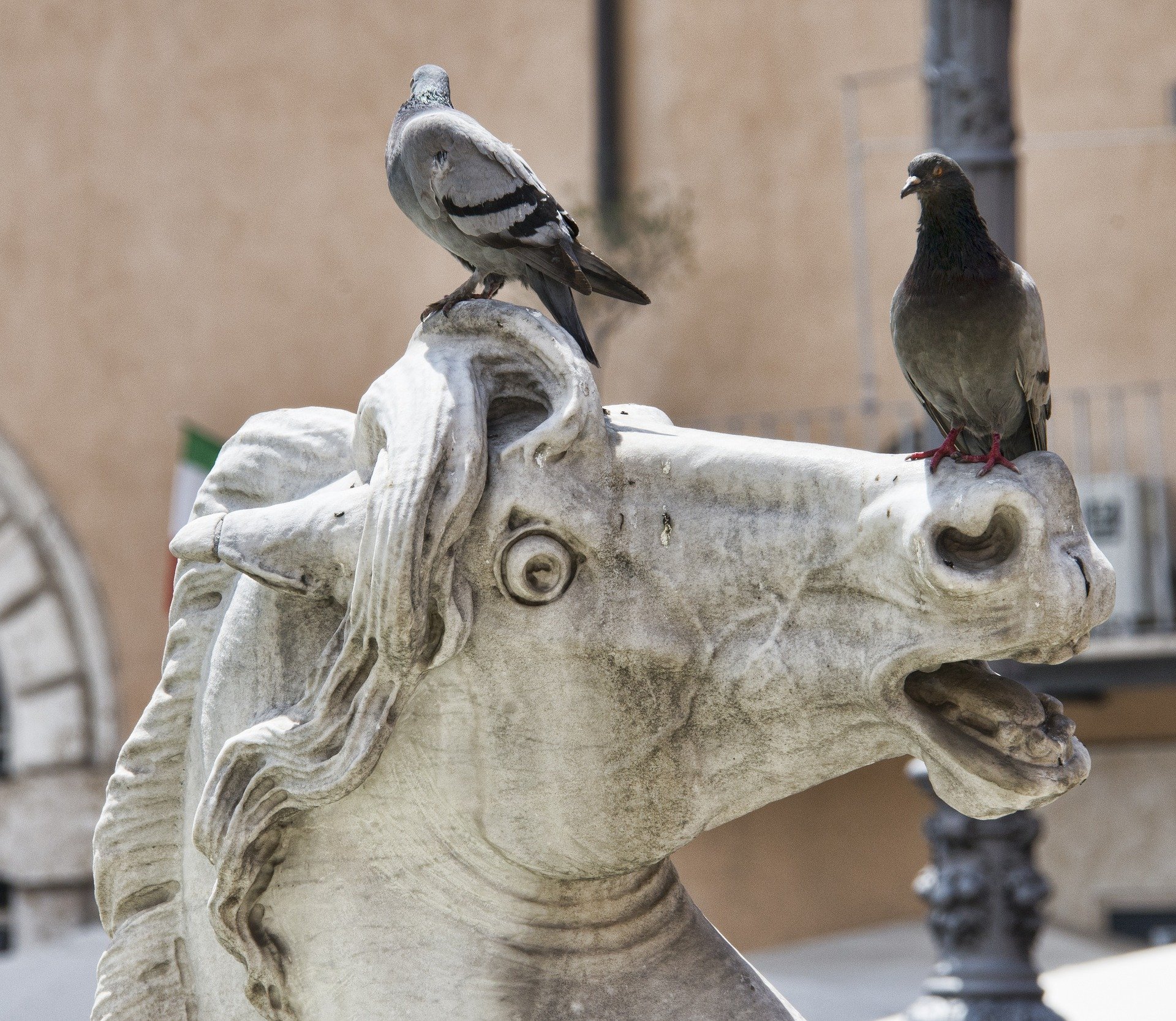
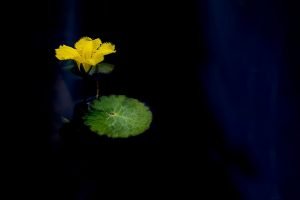
Steady like a statue.
[Source – Pixabay]

Waiting to take a stand, sitting comfortably, letting the waves cover with silt our body, mind and soul, we continue waiting, living.

Glaring caustically at the silt, we regurgitate pompously.

Unable to cross the maze, we burn the walls down, unable to touch the sky, we pull it to the ground.

Waiting for them to distinguish between the truth and hearsay, to dust off our earnest intentions, to demystify our vision, we humbly stretch and wait.

In waiting for an autonomous lustrous life, we steadily pass by, dulling our society.


C. P. Cavafy, “a Greek gentleman in a straw hat, standing absolutely motionless at a slight angle to the universe” (as per his friend E. M. Forester), wrote the poem “Waiting for Barbarians” in 1904, juxtaposing the past with our modern thoughts, superimposing the ancient image on the now, yes the now, swiftly jolting the reader from slumber and questioning “this wait”.

*
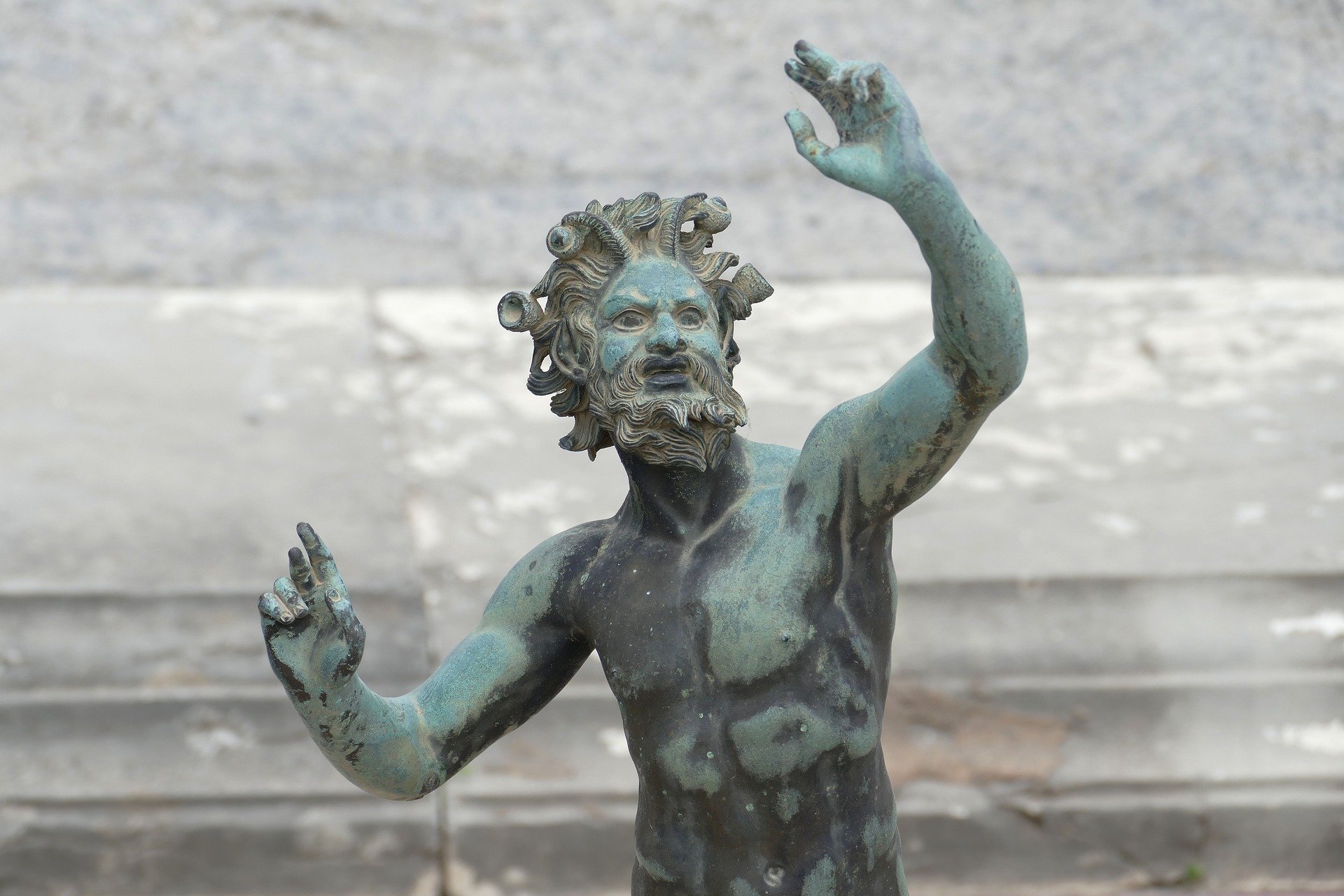
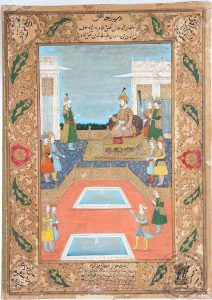
The leaders in ancient Greece, the poem shows, await desperately, in static opulence, for the Barbarians to come and take over everything and to begin mending every disaster, but when they don’t come, the city dwellers are aghast as now they will have to tackle problems and take decisions on their own.

And so the free individual, waiting for an external source to revitalise the life, takes a dip in the bright, glittering mirage, dreading, complaining, ignoring, barricading, adjusting all the while, and refusing to end “the wait”.

But let us not wait anymore…


Weekly Newsletter

A weekly dose of stories! Get the posts from the Chiming Stories in your inbox and read it when you can. Subscribe now, it is free!

This field is required.

Recent Posts


Shubhasya Shighram – A Pocket Sized Mantra

Philosophy

Nature too believes in this mantra.
[Source – Pixabay]

शुभस्य शीघ्रम अशुभस्य कालहरणम।

Shubhasya shighram, ashubhasya kaalharnam.

Translation – Do not delay when planning to do something good, but when inclining towards the opposite, think twice.


Contemplation is good and needed. Action is better and a must.

Plans in a potli-mind take time to come out, yes, for they are grand ones, created meticulously, weaved with love.

Inspired thoughts build this glass minar with intricate designs, colours of hope and success and appreciation and a little bit of all that is magical in this universe. We fly high when planning in a potli-mind.

Now how to fabricate such a tall glass minar in reality? Where to start from? How do we know if the time is right?

And what about all the ‘ifs’ and ‘buts’? Oh, and our dominating ‘know-it-all self’ that loves to put a stamp on every new thought, issuing summons, calling the poor thought a fraud, out-of-our-league or an impossibility, come what may?

Or worse, comparing it with the giant called the OTHERS?

Maybe this is the moment to tell yourself, shubhasya shighram, why wait to do something good.

Maybe this is the time to take the first step towards that glass minar, an overwhelming act it may feel at the beginning, but by the end, whatever the result is, we get enriched, we understand the rotating world and our bumbling selves a little better.

What a brilliant mantra then, a pocket sized mantra!

So, my friend, go ahead with that plan… because shubhasya shighram, shighram shighram.


Potli – bag, bundle, parcel, packet.

Minar – a tower or turret.


Weekly Newsletter

A weekly dose of stories! Get the posts from the Chiming Stories in your inbox and read it when you can. Subscribe now, it is free!

This field is required.

Recent Posts

Ancient Dusky Rivers

Coverage
The river… sketching its way ahead…
[Source – Pixabay]
The Negro Speaks of Rivers

by Langston Hughes

*

I’ve known rivers:

I’ve known rivers ancient as the world and older than the flow of human blood in human veins.

My soul has grown deep like the rivers.

*

I bathed in the Euphrates when dawns were young.

I built my hut near the Congo and it lulled me to sleep.

I looked upon the Nile and raised the pyramids above it.

I heard the singing of the Mississippi when Abe Lincoln went down to New Orleans, and I’ve seen its muddy bosom turn all golden in the sunset.

*

I’ve known rivers:

Ancient, dusky rivers.

My soul has grown deep like the rivers.


Rivers – streams, creeks, brooks or rivulets – love to flow; flowing towards a sea, lake, an ocean or another river, and at times also drying out. Rivers love to flow just like life.

Most of the earlier civilisations prospered when they settled around rivers, channelizing the same love when drinking its fresh water.

And when mankind sat in a circle around the fire and created stories – of the sun, the moon, the thunder and the wind – they fostered their imaginations and decided to pass on the love running in their blood to a lovely supreme one.

Different supreme ones took the centre stage at different places and myriad dramas unfolded that the rivers watched quietly, flowing, gushing with joy every moment.

Resisting neither the rocks nor filth, accepting the dead and plastic bottles alike, it continues to flow… for now.


Still like a mirror, moving like a reflection…
[Source – Pixabay]

Langston Hughes in his poem The Negro Speaks of Rivers connects the human soul with the world’s ancient rivers; the hands that cupped to drink water, the feet that crossed the river, whatever race it belonged to, felt the same damp calmness every single time they drank water and crossed the river.

Written during the early twentieth century when African Americans struggled to achieve equality and justice, Hughes, presenting a powerful historical perspective in this poem, emphasises the link between his ancestors, the ancient rivers and the rest of the human civilisation.

The Euphrates, often believed to be the birthplace of human civilisation, the Congo, powerful and mysterious, that saw the rise of many great African kingdoms, the magical Nile that carries with poise the secrets of the great Egyptian pyramids, the folklorist Mississippi that shared here the tales of Abraham Lincoln and American slavery – shows how rivers carry the past in its depth, carrying it always with love.

And the one who sees with love can sense the connection between rivers and souls, between them and us; we all started this journey together, the rivers are a testimony.


“I’ve known rivers:

Ancient, dusky rivers.

My soul has grown deep like the rivers.”

Experience and history, though often oppressive, have not extinguished but rather emboldened the development of a soul, the birth of an immortal self, the proud ‘I’ that now speaks to all who will listen.

Christopher C. De Santis

Weekly Newsletter

A weekly dose of stories! Get the posts from the Chiming Stories in your inbox and read it when you can. Subscribe now, it is free!

This field is required.

Recent Posts

Regina Spektor’s Musical World and the Ephemeral Moments of Joy – Part I

Coverage
Delicate dance anthem…
[Source – Pixabay]

Walking down the street with old heavy memories, frozen and hazy, not bothering for a while and the unknown liveliness of the fresh sounds greeting us from all around – the dripping thaw, the golden sunny warmth, the tiny twittering birds, the ‘oh my god’ honking of a dashing car’s ghost that passes by, the hearty smiles and laughter – we blush with hope teasing us, giving us bright ideas, gleaming as we experience our quiet, still mind-pond.

These ephemeral moments of joy, so true and innocent, are hard to capture, harder to sustain, probably that is what makes it so special for and loved by all.


Regina Spektor, the star singer, songwriter, musician, the starry-eyed star, the star magician, knows how to hold such moments very well. She doesn’t capture it, na-na, she only knits a pretty, sweet and soothing melody and then soaks it into such warm moments, letting the melody take this ephemeral colour.

To this colour, she adds free-play, emotions and her pianist-self and, voila, a Regina Spektor song wave is ready.

Listen to “Ne Me Quitte Pas (Don’t Leave Me)” before reading further –

*

…And down on Lexington they’re wearing
New shoes stuck to aging feet
And close their eyes and open
And they’ll recognize the aging street
And think about how things were right
When they were young and veins were tight
And if you are the ghost of Christmas Past
Then wont you stay the night?

Ne Me Quitte Pas, Mon Chere
Ne Me Quitte Pas…

Regina Spektor

She amalgamates it all so well, life’s experiences, cut both ways and so gently she allows herself to smile an honest smile. How beautifully this song captures time and lets it go.

And she loves Paris, especially when it rains there and so do we all (at least the rasiks* do).

Listen now to “Dance Anthem of the 80’s” –

*

…I’m walking through the city
Like a drunk, but not
With my slip showing a little
Like a drunk, but not
And I am one of your people
But the cars don’t stop…

Regina Spektor

This is nothing but a memory, cold, harsh, but funny in retrospect; one that glares until you glare back at it, acceptingly. And Regina Spektor handles this mixed emotion so peacefully and at the same very eagerly, probably eager for it to evolve.


Also, listen to the live performance of “Dance Anthem of the 80’s”, how sweetly she thanks her audience.

*

Here, at Chiming Stories, the blogger will be covering Regina Spektor’s musical world in the coming posts, trying to live and relish her songs in your company, so dear readers ‘ne me quitte pas mon chere’ (don’t leave me, my dear).


*A rasik, in Hindi language, is a passionate and thoughtful being.


Check out the full series here –

Regina Spektor’s Musical World and the Assured Presence of the Antiquity – Part II

Regina Spektor’s Musical World and Perceiving the Emotion Called Love – Part III

Regina Spektor’s Musical World and Addressing the Hero – Part IV

Regina Spektor’s Musical World, the Random Wise Talk and Creativity – Part V.

*


Weekly Newsletter

A weekly dose of stories! Get the posts from the Chiming Stories in your inbox and read it when you can. Subscribe now, it is free!

This field is required.

Recent Posts


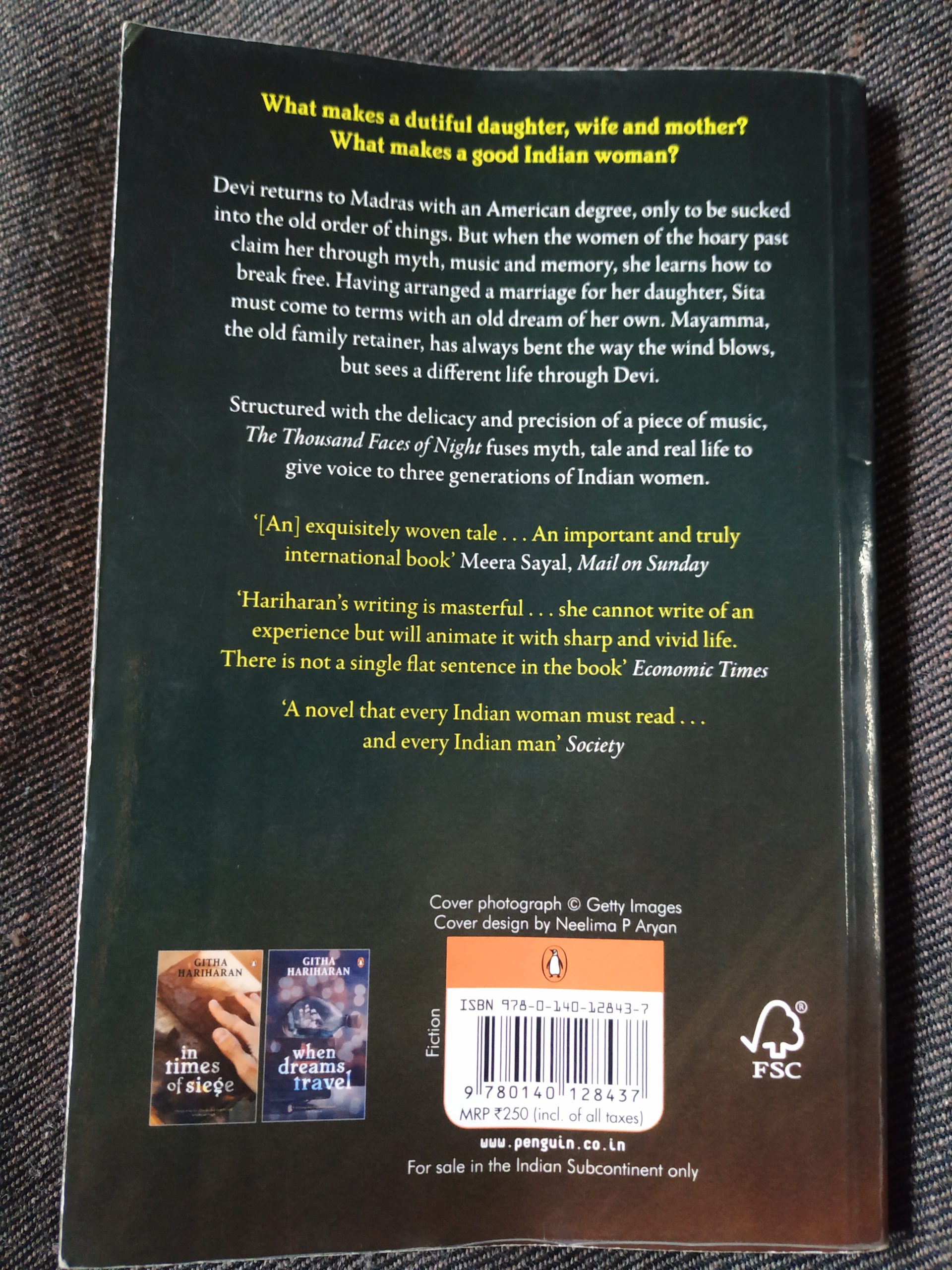
The Thousand Faces of Night – A Charcoal-Inked Raga

Book Review

The certainty of it being the night promises us of the erubescent dawn. It is an inky night, it has been for aeons and aeons… and, mind you, she uses charcoal-ink… for the stove is still burning, she never forgets to collect woods.

And so, with her inky fingers she writes messages, anecdotes, dead secrets and stolen dreams on the walls in the kitchen.

A custom followed since antiquity, now the charcoal-ink smells of these quiet cursive messages. It talks about the dark night and the breaking of the dawn.

Her inky fingers will turn red with the dawn.


But Sita needed all the strength she could muster to face the big trial awaiting her. After that, it was one straight path to a single goal, wifehood. The veena was a singularly jealous lover.

Then one morning, abruptly, without an inkling that the choice that was to change her life lurked so near, Sita gave up her love. She tore the strings off the wooden base, and let the blood dry on her fingers, to remind herself of her chosen path on the first difficult days of abstinence.

Githa Hariharan (Part Three; Chapter 1)

*

Painting of the Goddess Saraswati by Raja Ravi Varma.
[Source – Wikimedia Commons]

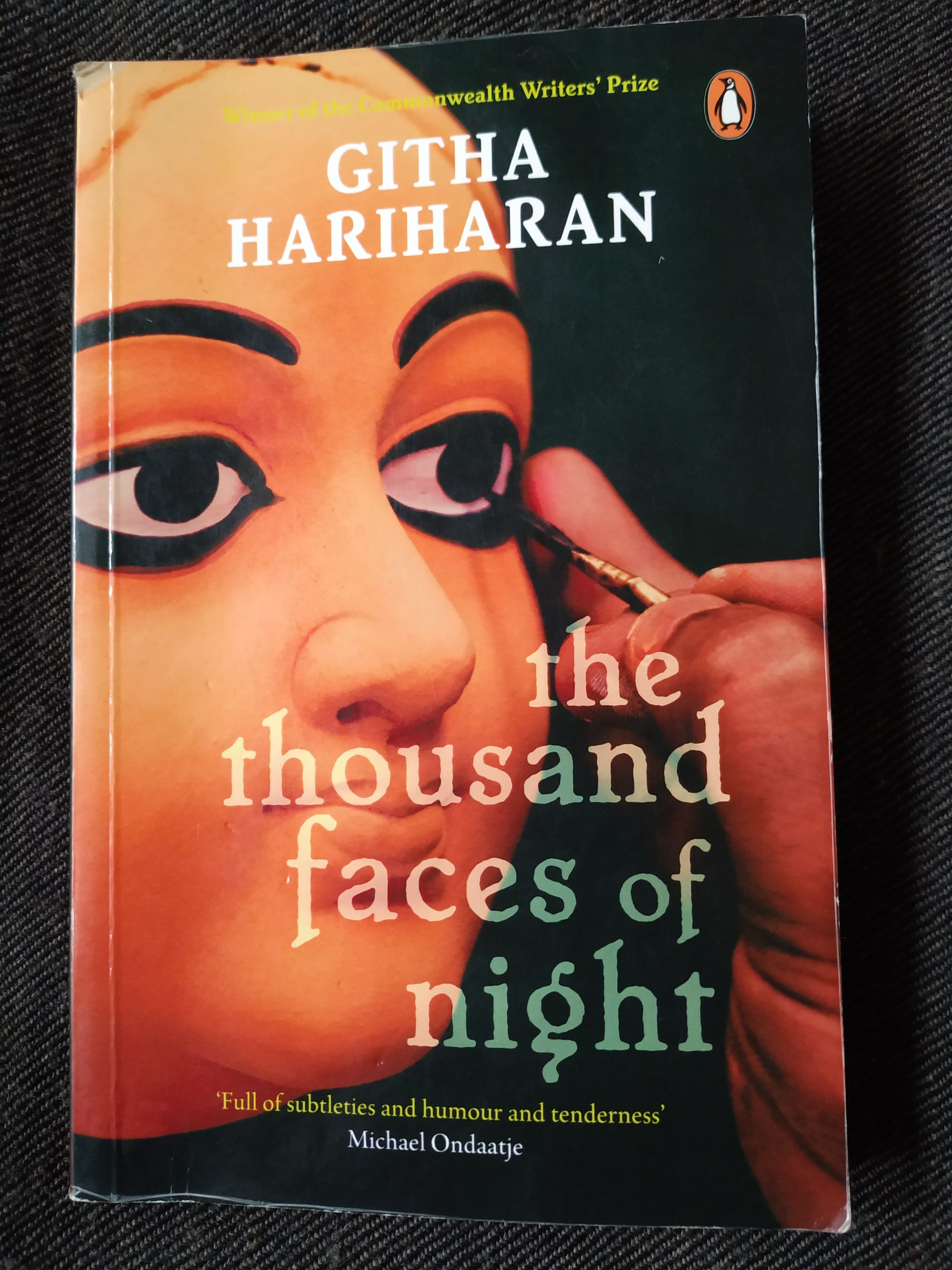
The Thousand Faces of Night (1992) is written by the astounding Githa Hariharan. The novel is a melody sung and composed at night that captures the thousand faces of the moonless, starless night.

It narrates the many tales of Indian women – the celebrated mythical ones and the limited editions – with such excellence that the novel takes the shape of a woman carrying a heavy potli bag full of tales.

The tales, entangled badly, still echo well and dramatise their essence. The tales are spicy and heart wrenching and true.

*

Earthenware… they hold intact their stories, cultures for centuries.
[Source – Pixabay]

Devi, Sita, Mayamma – daughter, mother, maid – kindle fire that burns time, others and themselves. And so powerful is this fire that life gathers around it to get some inspiration.

Delicate like earthenware, painted beautifully, allegedly breakable, they hold intact their stories, cultures for centuries; you must have seen the pieces of such earthenware dug out from archaeological sites, displayed in a museum safely.

Their resilience never fails them even if it means to walk alone, against the tide, the familiar sunshine. Devi, the present, dares to break away, in her agility, eager to explore, moving away from Mayamma and Sita, the past.

Posing in front of the patriarch, they contribute to his legacy/magnificence. After foolishly spending a long time and suffering from backaches, Sita straightens up and Devi dodges the mockery, while Mayamma continues.

The patriarch sees Mayamma and smiles, Mayamma bows and cusses silently. She prays for Devi.

*

The new raga.
[Source – Pixabay]

After etching their charcoal-inked messages on the kitchen walls, the three ladies change the notation of their melody slightly, making the raga, still sung at night, fresher.

*

I must have, as I grew older, begun to see the fine cracks in the bridge my grandmother built between the stories I loved, and the less self-contained, more sordid stories I saw unfolding around me. The cracks I now see are no longer fine, they gape as if the glue that held them together was counterfeit in the first place. But the gap I now see is also a debt: I have to repair it to vindicate my beloved storyteller.

Githa Hariharan (Part One; Chapter 3)

Weekly Newsletter

A weekly dose of stories! Get the posts from the Chiming Stories in your inbox and read it when you can. Subscribe now, it is free!

This field is required.

Recent Posts

Shakespeare’s Sonnet 107 and Timelessness

Coverage

*

Not mine own fears, nor the prophetic soul
Of the wide world dreaming on things to come,
Can yet the lease of my true love control,
Suppos’d as forfeit to a confin’d doom.
The mortal moon hath her eclipse endur’d,
And the sad augurs mock their own presage;
Incertainties now crown themselves assur’d,
And peace proclaims olives of endless age.
Now with the drops of this most balmy time
My love looks fresh, and Death to me subscribes,
Since, spite of him, I’ll live in this poor rime,
While he insults o’er dull and speechless tribes:
And thou in this shalt find thy monument,
When tyrants’ crests and tombs of brass are spent.


The idea of timelessness, eternity, immortality must be true as we wish, look and aim for it in some way or the other. Imagining living continuously, building and creating happy ways of life, chiselling and shaping the continuous source of happiness, we forgetfully live with the idea of forever.

The decisive time gone by, the melting present and the secret future, though definite, knows the indefinite. And one is lured, naturally, to know and identify with the indefinite. Why? For the indefinite is the absolute. So? The absolute appears to be complete, eternal, beyond the cyclic drama and free. Then? We may be a part of it or we too may want to be complete. And so? I don’t know, I am living forgetfully with the idea of forever, remember.

Shakespeare, the greatest and most famous playwright ever, via his works, attained immortality and this is what he celebrated in Sonnet 107. Full of creative splendour, he announced his lead on rusty cenotaphs and statues of the rulers.


The Battle at Gavelines and Elizabeth I at Tilbury (Pastiche).
The painting presents a stylized account of the battle of Gravelines between the Spanish Armada and the English fleet, including the beacons, Elizabeth’s address at Tilbury, and the battle itself in a single montage on three jointed pieces of fine tabby-weave linen. 
[Source – Wikimedia Commons]

“The mortal moon hath her eclipse endured”

That the grand, rock-hard, grave and lovely moon too continues its finite journey, eroding gradually, black red white, suggests that the moon knows well the infinite’s will. Or else why will it so humbly accept its role? This long journey, then, is no less than a quiet meditation. The deep circular craters are the timekeepers and the moon knows it.

One of William Shakespeare’s renowned 154 Sonnets, Sonnet 107 is often linked with the contemporary events of the time: the defeat of the Spanish Armada (1588), Queen Elizabeth’s death (in 1603), the Long Turkish War (1593-1606); the Armada charged in a crescent formation, Queen Elizabeth was also called Cynthia (name of the Greek moon goddess), the Ottoman Empire’s flag boasted the crescent moon symbol.

*

Elizabeth I of England.
The portrait was made to commemorate the defeat of the Spanish Armada (depicted in the background).
[Source – Wikipedia]

In times so precarious, one would want to hold on to a secure thought or remember the limits of mortality, mocking unabashedly the warmongers and peace-lovers alike, or even hope to create something timeless.


Read the wonderfully crisp commentary on Sonnet 107, here.

*

First image from Pixabay


Weekly Newsletter

A weekly dose of stories! Get the posts from the Chiming Stories in your inbox and read it when you can. Subscribe now, it is free!

This field is required.

Recent Posts


Jasmine-Rich Raga

Coverage

White Jasmines.
[Image from Pixabay]

Like flowers threaded to form a sheet, woven intricately, the free white petals settling in a designed pattern, accepting the arrangement with joy, like an endless beaded wave of fragrant flower-colours, the ragas also weave intricately musical framework that evokes fragrant feelings in a quiet listener’s mind.

Just like the perfection-loving flowers – the humble sepal, the vibrant petal, the ambitious anther – the ragas too know how to bloom to perfection. Capturing the exact mood that exudes the season’s essence perfectly, the ragas effortlessly scent time making it beautifully appreciable.

*

The scented time celebrates the raga – in Vilambit laya (slow tempo), Madhya laya (medium tempo), Drut laya (fast tempo) – accepting every melodic improvisation, evolving with each performance, never bothering with change, rather ushering it with consistent Riyaz (practice).

Overwhelming calculations keep the ragas free from vegetating and from the burden of the past that at times tries to confine its spirit, but almost always the spirit remembers to break free.

The many notations, the Swara, bring forth incessant improvisations, giving space to every emotional twist, forming an intricate, fragrant Mandala.

The ragas symbolise, like a flower threaded sheet, intricacies of life… and more.


Lat uljhi suljha ja balam

Piya more haath mein mehndi lagi hai

Lat uljhi suljha ja balam

Mathe ki bindiya bikhar rahi hai

Apne hi haath laga ja balam

Lat uljhi suljha ja balam

*

(Translation – Disentangle my hair, dear beloved/ I have applied henna on my hands/ So come and disentangle my hair, dear beloved/ The bindiya too is spreading on my forehead/ Correct it for me with your own hands, dear beloved/ Disentangle my hair, dear beloved)

This Bandish* in raga Bihag decorates time with a jasmine-rich fragrant emotion that vehemently values love and life.


*Bindiya – a colourful dot mark (of vermilion) worn between the eyebrows, especially by married Hindu women.

*Bandish – a composition in Hindustani classical music.


Listen to a melodious version of this bandish now.

*

A shorter version.

Complement this with another melodious post – Amir Khusrau and the Mustard Flowers


Weekly Newsletter

A weekly dose of stories! Get the posts from the Chiming Stories in your inbox and read it when you can. Subscribe now, it is free!

This field is required.

Recent Posts


Not Lithic

POEM

The universe’s engine runs on love.
[Image from Pixabay]

*

Its nature is not lithic,

Not etched,

You cannot run your fingers over it,

Malleable and foldable for some,

Yelling, “Come, come,

Buy a packet full of love…”

*

From the absolute beginning

Love, not lithic in nature,

Etched if anywhere, then in atoms;

Ride like the wind to feel it;

A malleable, foldable sweet memory

For all those who fall

In love, just like in the absolute beginning.

*


Weekly Newsletter

A weekly dose of stories! Get the posts from the Chiming Stories in your inbox and read it when you can. Subscribe now, it is free!

This field is required.

Recent Posts


Beauty in Perfection and Vice-Versa: The Japanese Take

Book Review

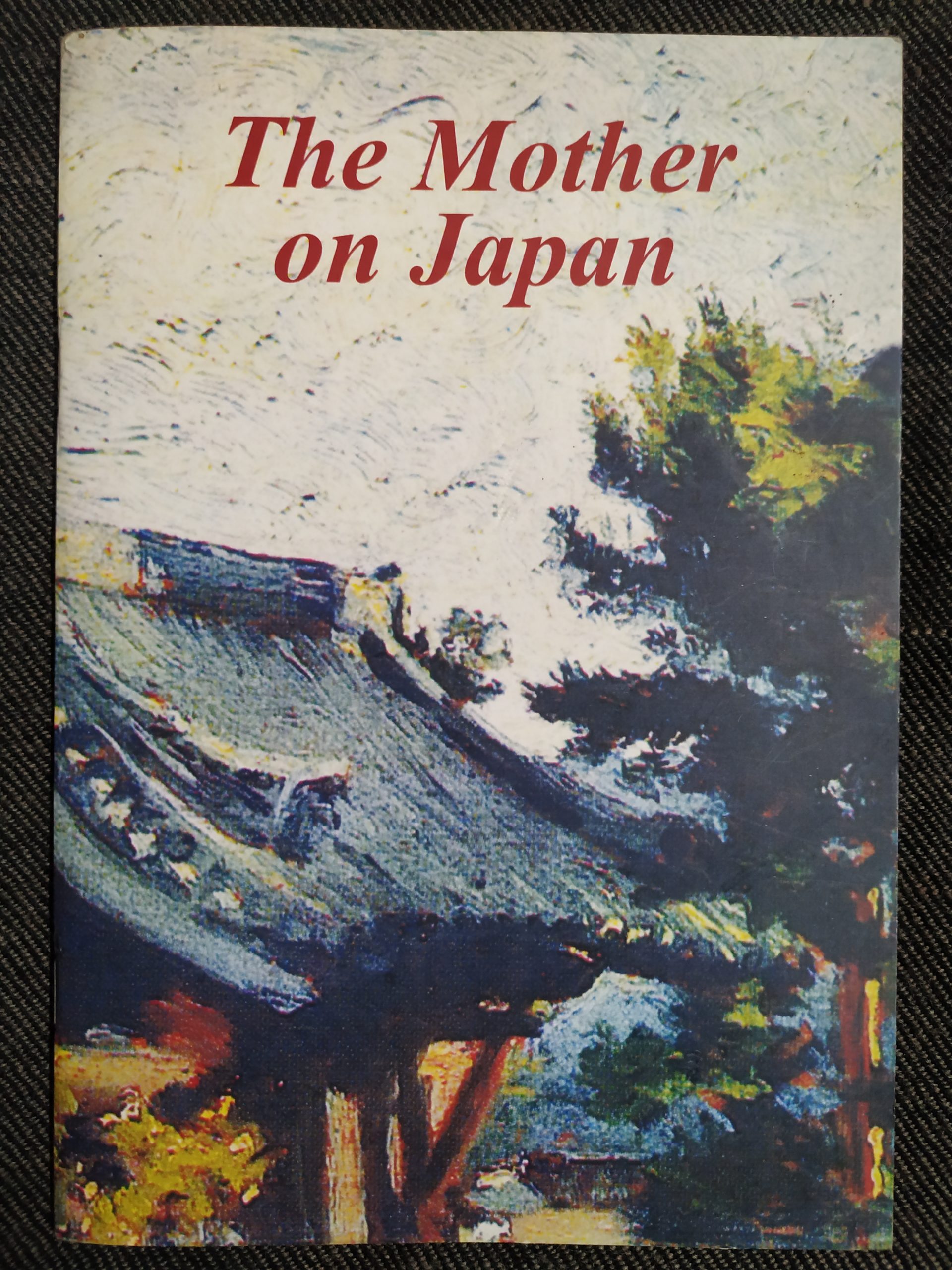
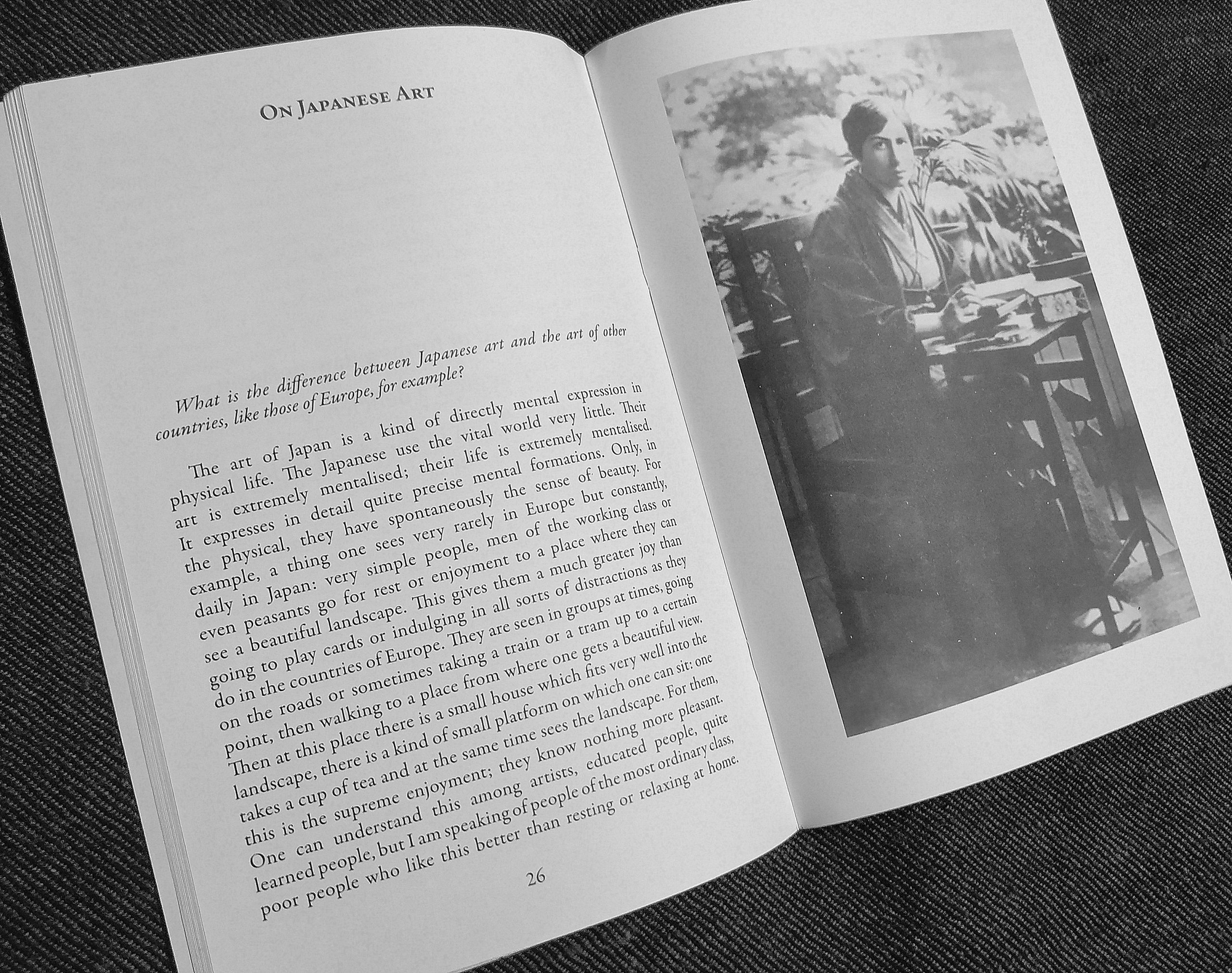
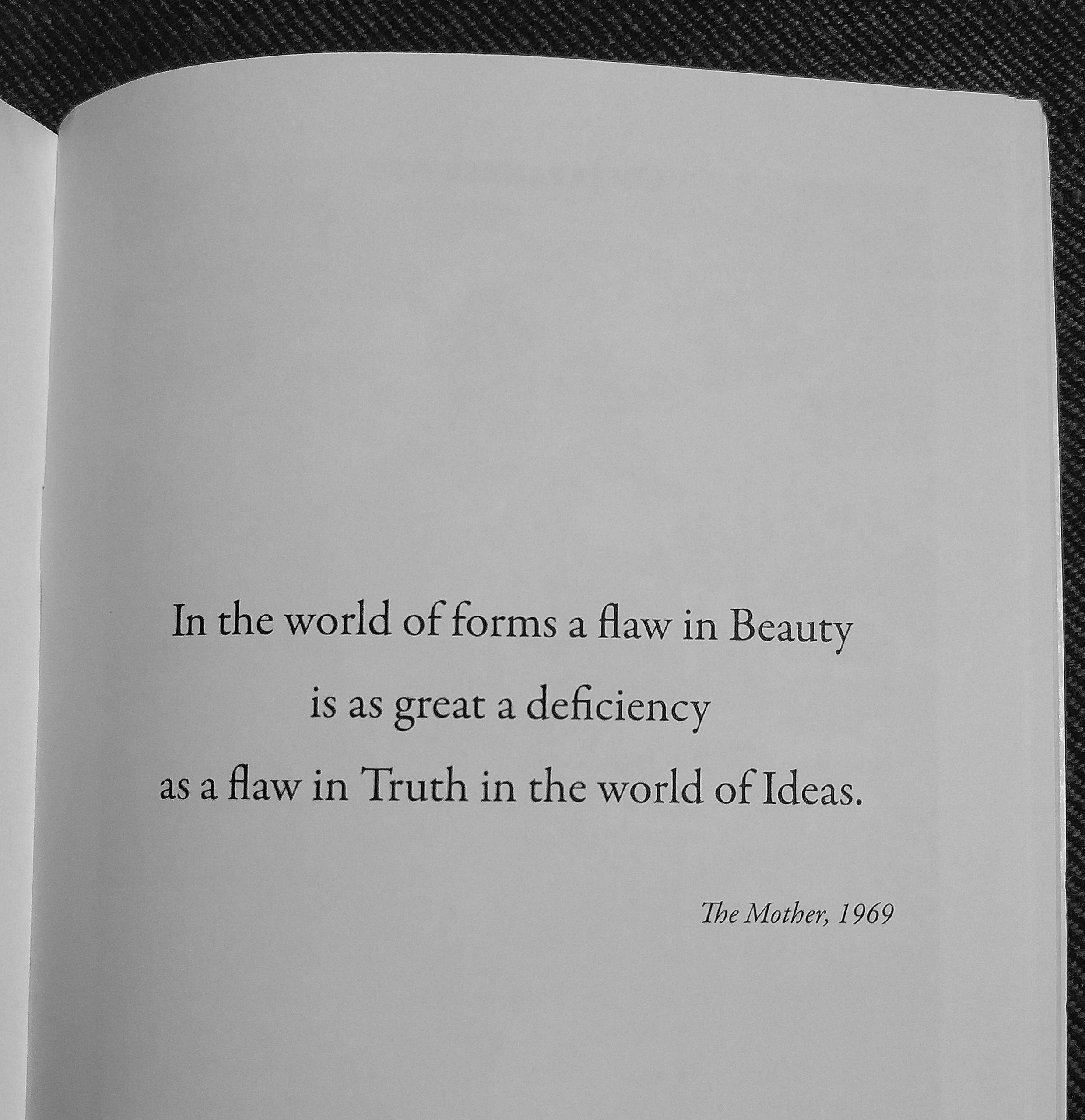
Seeing through a lens that sees things as it is, in its truest form, looking at a broken feather as a feather, not denying its reality, not giving it a quality, experiencing the moment quietly the Mother wrote about Japan. She wrote about its perfection/ beauty-loving people, the value given to nurturing kids, the dedicated women, the Japanese restrained-balanced-subtle art and the transient life.

The people, she observed, not via reactions, but by silent selfless actions showed how much they cared for someone; happy to persevere they worked to fulfil the task at hand, devoted harmoniously and absolutely in the present moment, aware about nothing else.

*

Taking long walks to a garden in spring or autumns and spending time there or climbing the steep stairs to reach the monastery at the top of the hilltop, the people (of every and any class), she noticed, believed in beauty and peace.

*

“…very simple people, men of working class or even peasants go for rest or enjoyment to a place where they can see a beautiful landscape. This gives them a much greater joy than going to play cards or indulging in all sorts of distractions as they do in the countries of Europe. They are seen in groups at times, going on the roads or sometimes taking a train or a tram up to a certain point, then walking to a place from where one gets a beautiful view.”

“For instance, in autumn leaves become red; they have large numbers of maple-trees (the leaves of the maple turn into all the shades of the most vivid red in autumn, it is absolutely marvellous), so they arrange a place near temple, for instance, on the top of a hill, and the entire hill is covered with maples.”

“Well, an artist who goes there will experience an emotion of absolutely exceptional, marvellous beauty. But one sees very small children, families even, with a baby on the shoulder, going there in groups. In autumn they will go there. In springtime they will go elsewhere.”

The Mother (Questions and Answers, The Mother on Japan 12 April 1951) 

Image of the Buddha, painting by the Mother.
(The Mother, Paintings and Drawings, Sri Aurobindo Ashram Trust, 1992) [Photo by – Jagriti Rumi]

While reading about the 1919 flu and how the Mother fought back the negative, dark energy, one thinks about the present pandemic and hopes to win like the Mother in the end.

The glorious cherry-blossom trees in bloom – pink, white, vivid joyous pink – and the narrow paths that take one to wonderful places, with old Japanese houses on both sides, presented the Mother with a paradise puzzle…

*

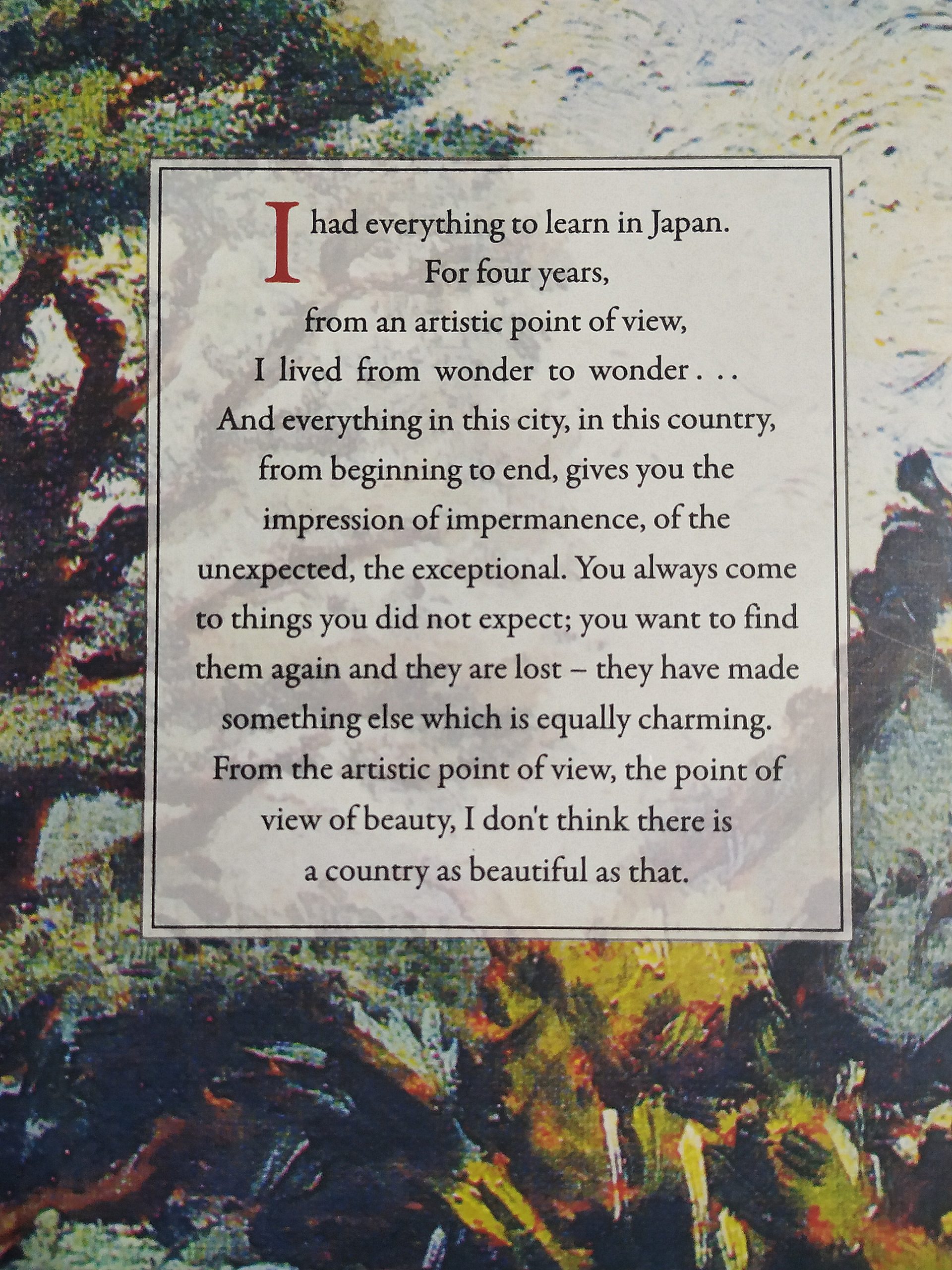
“Then you go wandering around – always one wanders at random in that country – you go wandering and all of a sudden you turn the corner of a street and come to a kind of paradise: there are magnificent trees, a temple as beautiful as everything else, you see nothing of the city (Tokyo) any longer, no more traffic, no tramways; a corner, a corner of trees with magnificent colours, and it is beautiful, beautiful like everything else. You do not know how you have reached there, you seem to have come by luck. And then you turn, you seek your way, you wander off again and go elsewhere. And some days later you want to come back to this very place, but it is impossible, it is as though it had disappeared. And this is so frequent, this is so true that such stories are often told in Japan. Their literature is full of fairy-lore. They tell you a story in which the hero comes suddenly to an enchanted place: he sees fairies, he sees marvellous beings, he spends exquisite hours among flowers, music; all is splendid. The next day he is obliged to leave; it is the law of the place, he goes away. He tries to come back, but never does. He can no longer find the place: it was there, it has disappeared!… And everything in this city, in this country, from beginning to end, gives you the impression of impermanence, of the unexpected, the exceptional. You always come to things you did not expect; you want to find them again and they are lost – they have made something else which is equally charming. From the artistic point of view, the point of view of beauty, I don’t think there is a country as beautiful as that.”


The Mother (Questions and Answers, The Mother on Japan 12 April 1951) 

*


Complement this short spiritual post with similar posts – The Journey and Sri Aurobindo.

*


Weekly Newsletter

A weekly dose of stories! Get the posts from the Chiming Stories in your inbox and read it when you can. Subscribe now, it is free!

This field is required.

Recent Posts


Together We Enjoy Enjaami

Prose Poem
Kindly listen to the track before you start reading.

*

Unabashedly bold and free, vivacious and ebullient, adamant like the silent stone, transforming every micro-second, Nature rules… and the ones living close to it celebrate and sing, enjaaee enjaami

Flowers shining bright, the rich yellow, orange, mahogany, red and white, the bugs, caterpillars and flies, the upside-down dancing struggling beetles, the sun-soaked green leaves, together – even when captured in a glorious painting – sing enjaaee enjaami…

*

Rich yellow… shining bright.
[Image by AdelinaZw from Pixabay]

Whose is this land, this divided piece, this circled boundary, that 12 acres, that mango orchid, that dry-wet soil, that cool-cool well, that fragrance casting spell… certainly it doesn’t belong to the ones who toil round-the-clock and sing, enjaaee enjaami…

Festivities when unearthed by bare hands, the swaying harvest and booming lives of the lords, shacky mud-roofed huts full of laughs and cries… all sing enjaaee enjaami…

Grandmas and old voices together have knitted the folktales, passing it with pickles and homemade sweets, carrying it closer than a life lesson, breathing it day and night, walking and singing enjaaee enjaami…

Like a tree, like a giant tree, full of flowers, then fruits and seeds, then sweat and blood, patiently bowing, accepting it all… walks an old bent figure, bare feet, singing enjaaee enjaami…

*

Turn around, don’t flee…
[Image by Couleur from Pixabay]

Jackals, parrots, elephants, reptiles, dogs, cats, butterflies… give their share back, turn around, don’t flee… those sitting on margins know Noah and the King, then who will ultimately sink? I sing enjaaee enjaami…

The fiery soul that burns itself, weeding the flower bed and burning the dead, it runs the life, it spins the earth, decorating the darkness, breathing lightly it sings enjaaee enjaami…

So how can you forget, threaten, betray, walk astray…? Come, not in repentance but acceptance for then your blinded eyes will see the majestic drama, lament if you must, cry and shed it before you sing enjaaee enjaamee…

So listen, listen to the storyteller, the old voice-heart beats well, this beat matches your beat and look, your mind watches you sing enjaaee enjaami…


Enjoy/ Enjaaee (my dear mother/ dear lady) Enjaami (my feudal lord, master) Vango Vango Onnagi (come together to reap the bounty of nature).

This wonderfully powerful Tamil song is sung by Dhee and rapper Arivu (who has also written it); the song revolves around Tamil migrants (and labourers and all our ancestors) who toiled on lands but always remained landless and suffered due to poverty; the song emphasises on how the earth, the nature is for all living beings and not for the wealthy class/ caste.

This thought-provoking, globally popular number, asks us blatantly to check if we are hurrying in the right direction.


Decode Enjoy Enjaami, read these articles –

What Arivu’s Enjoy Enjaami Tells Us About the Cultural Resistance to Caste

Enjoy Enjaami a tribute to Tamil plantation labour

Enjoy Enjaami – A welcome start, say Sri Lanka’s Malaiyaha Tamils

Enjoy Enjaami: Deconstructing the Politics Behind Arivu and Dhee’s Latest


Weekly Newsletter

A weekly dose of stories! Get the posts from the Chiming Stories in your inbox and read it when you can. Subscribe now, it is free!

This field is required.

Recent Posts