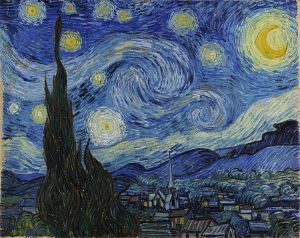
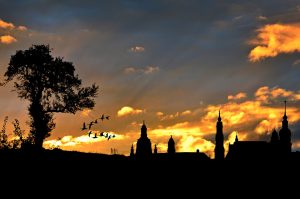
Now a clear dot… now hazy… mixing with the clouds through and through, then beaming alone gloriously. Splattering moony clay, then rubbing it, greasing with it the deep dark sky.
Mirroring all the romantics and dream-talkers, the moony clay moulds itself to fit into the beholder’s eyes and patient hearts. It listens, nods and registers its reply with the artist.
Moony clay – an assiduous storyteller, slowly moving away – happily builds the wavy waves and like a sand clock shows the slipping time its way.
Singing joyously, dancing leisurely, the moony clay creates and fills the heart with hope, lost in splendour.
See how it re-shapes, re-writes its journey, certain of uncertainty in knowing… in knowing it all.
Is it the time for the fluttering bird to take a dip in the tiny cool puddle, and for the other one, that flame-throated bulbul, carrying a silky grass leaf to that topmost branch of that lush happy tree, to finish weaving its nest?
And is it the time for the Oo slithery snake, zigzagging like a threatening thought, to just be itself and rest in the sun, simply meditating, with its uncanny sense of smell taking in the jungle’s fragrance?
And… and is it the time for the slim sharp golden jackal, dancing a slow jazz twist otherwise, to sit under a tree with a full stomach, attentive ears and a cheerful beam?
And ohhh… is it the time then… for the lion-tailed macaques, frolicking as a rule, to alert-a-l-e-r-t-ALERT all in the jungle about the royal king’s visit?
Is it the time… I don’t know… there isn’t a clock in the jungle that tells time. Is there? Yes, there indeed is.
The animal and plant kingdom are joyful disciplined folks, every species, diurnal and nocturnal, breathe in the jungle’s air, finish all its chores on time, maintain a balanced diet, sip water leisurely and quietly rests zzz…
They keep following the clock that shines up in the sky – they follow the shadows and the white shimmery light at night and the rhythmical wind and the damp, dry, crumbly and chilly seasons.
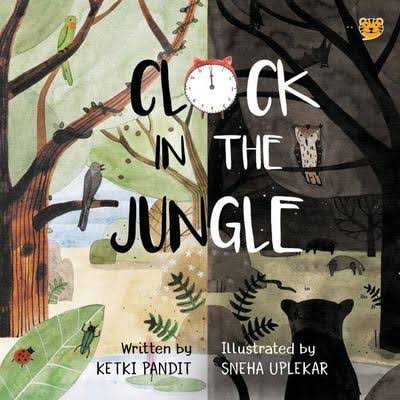
Clock in the Jungle (written by Ketki Pandit and illustrated by Sneha Uplekar) narrates in verse this saga of the punctual wildlife, revealing a powerful secret that every species adhere to by choice, the simple sweet habit of keeping the clock always running.
Listen to this another story that utters no word, that is as silent as a voiceless thought, behold its magic, it will enchant you, surprise you and remind you of the climate’s call.
My Friends Are Missing (by paper artist Keerthana Ramesh) is a pop-up book that introduces us to thirty endangered species in the world, delicate, quiet and tolerant beings, that are battling the climate’s challenge, positioned at the forefront, they continue to face the impatient and greedy world’s madness.
Just like in the pop-up book, these species with a functioning clock and a devoted heart, step forward in the drastically changing world where their natural habitats are transformed into a smog-loving, power-hungry factory that clickety-clack runs in the anti-clock direction, challenging the earth’s circadian cycle.
“The damage is ours, the curse is ours, the solution won’t come from the aliens”, said a Kemp’s ridley sea turtle before taking a dip in the Gulf of Mexico.
And what the elusive bird, New Caledonian Owlet-Nightjar, commented in 1998 isn’t clear because it vanished before the reporter could pen-it-down and hasn’t been spotted since then.
Only our blue-green planet knows where this elusive bird resides, but she won’t tell for she loves mysteries. Our lonely planet is not so lonely as so many hidden mysteries and stories unfolding simultaneously accompany it; our dear earth provides a home for all.
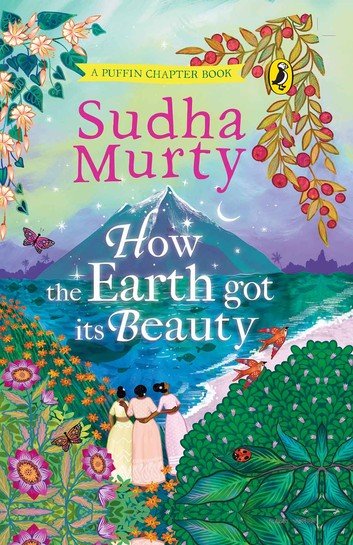
In How The Earth Got Its Beauty (written by Sudha Murty and illustrated by Priyanka Pachpande) Mother Earth, decades after the creation of the planet, disguised as a little girl meets three sisters – Sunaina, Shyama and Seeta – to find out if humans are living peacefully and she finds out that the three sisters desire for something else in their lives. Will Mother Earth grant their wishes?
The story emphasises values like patience, compassion and empathy, highlighting also the selflessness and power of Mother Earth; the author writes, “Whenever humans become selfish and uncaring towards Mother Earth, she makes her presence felt and restores the balance in the world.”
We, the forgetful ones, so often forget about our home, not the walled-well-lit-well-decorated-space, but the beautiful breathing planet that never forgets us even when it rotates ceaselessly, matching its clock with the burning star’s every aeon.
Tick-tock-tick tock…
It is time for a treasure hunt, go to the jungle and look for a clock, then walk in the direction its three hands (seconds, minutes and hours) point at, one day at a time, and look for the endangered species. Be patient and kind, focus on the treasure, the great grand treasure, value it, it is your home, your only home.
Grab these wonderful books now –
Clock In The Jungle by Ketki Pandit, Illustrated by Sneha Uplekar (click here);
How the Earth Got its Beauty written by Sudha Murty and illustrated by Priyanka Pachpande (click here).
And also flip through Keerthana Ramesh’s My Friends Are Missing –
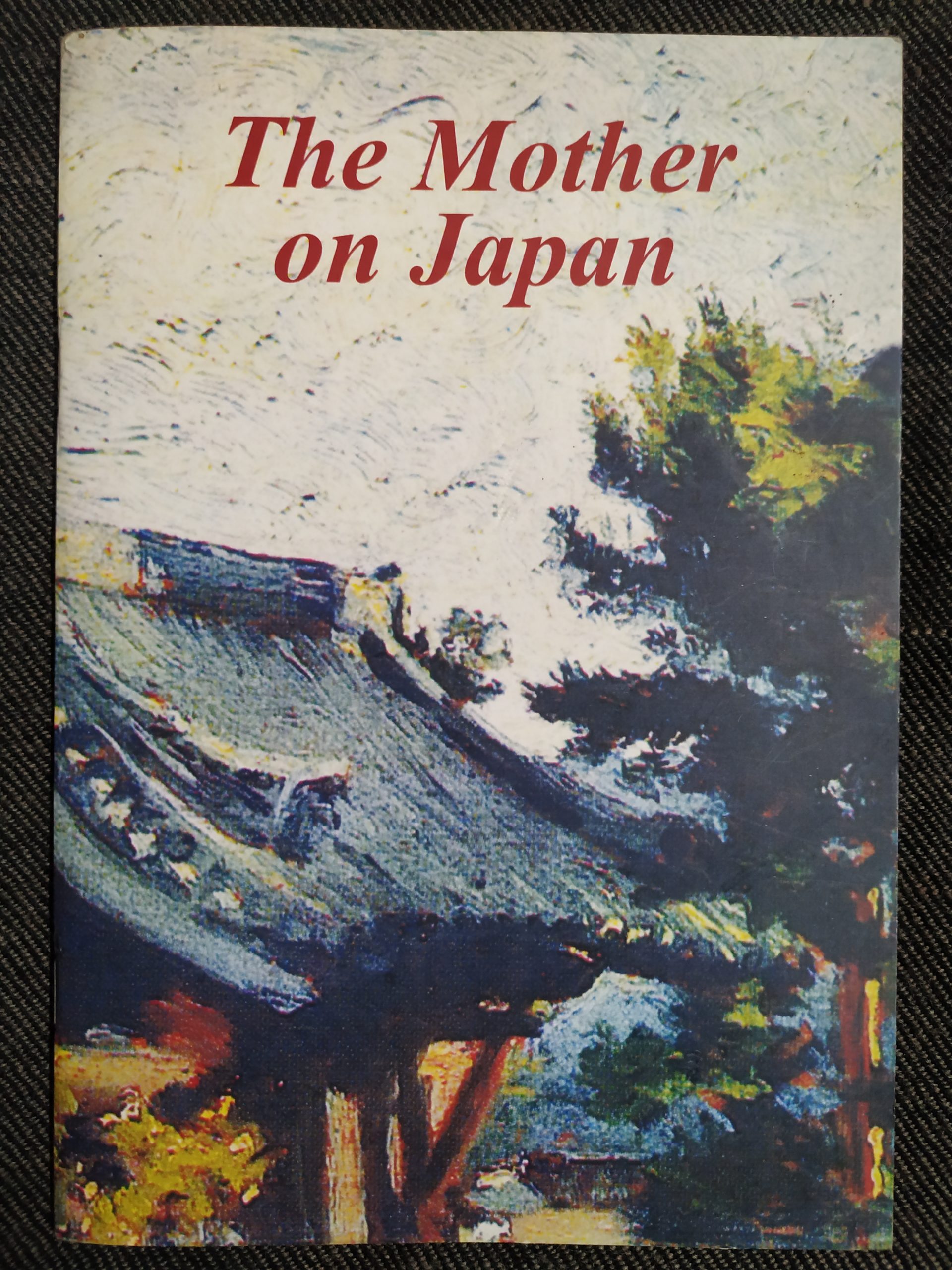
Seeing through a lens that sees things as it is, in its truest form, looking at a broken feather as a feather, not denying its reality, not giving it a quality, experiencing the moment quietly the Mother wrote about Japan. She wrote about its perfection/ beauty-loving people, the value given to nurturing kids, the dedicated women, the Japanese restrained-balanced-subtle art and the transient life.
Roof of the Daiunji Temple in Kyoto, painting by the Mother. (Book cover) [Photo by Jagriti Rumi]
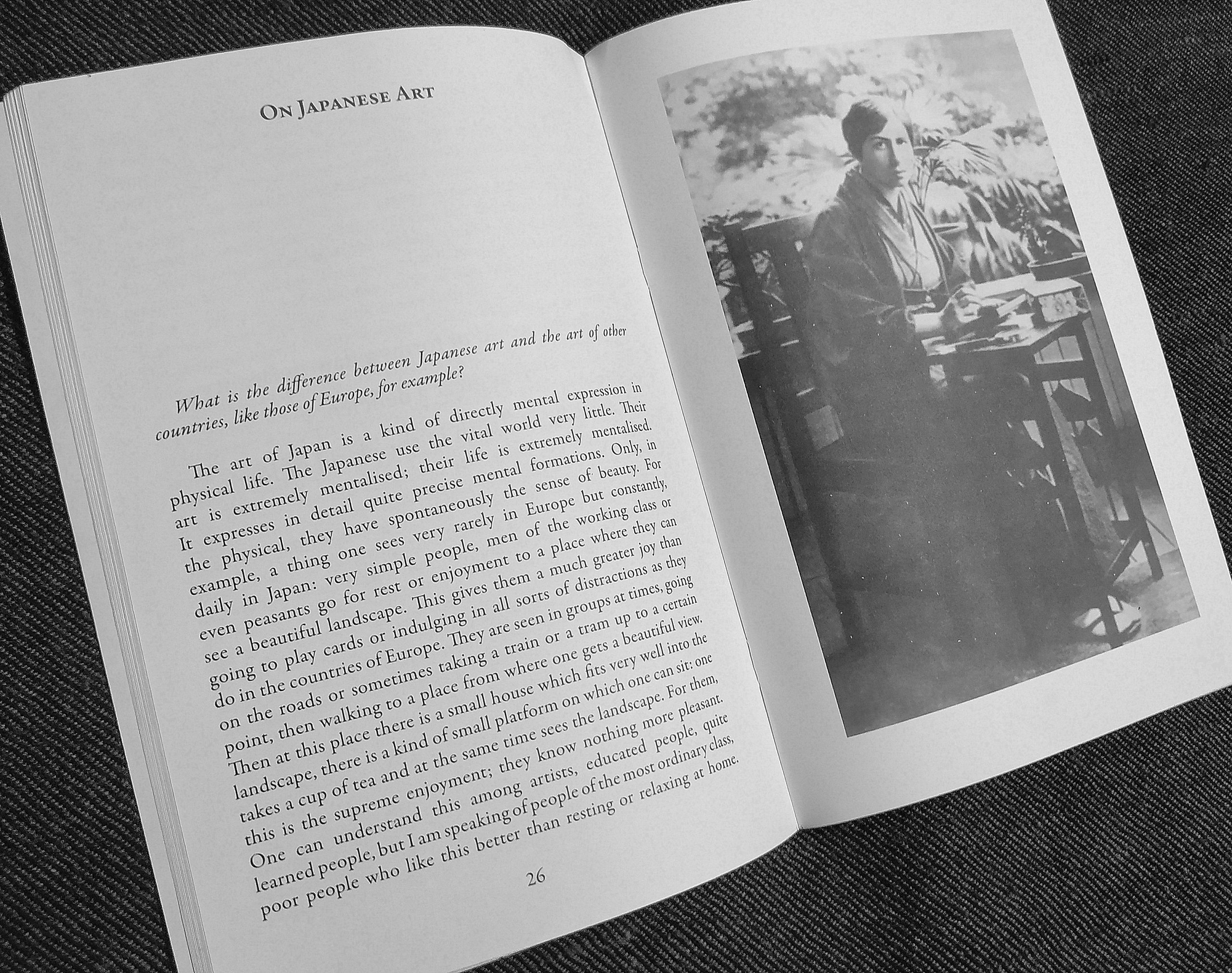
The Mother on Japan [Photo by Jagriti Rumi]
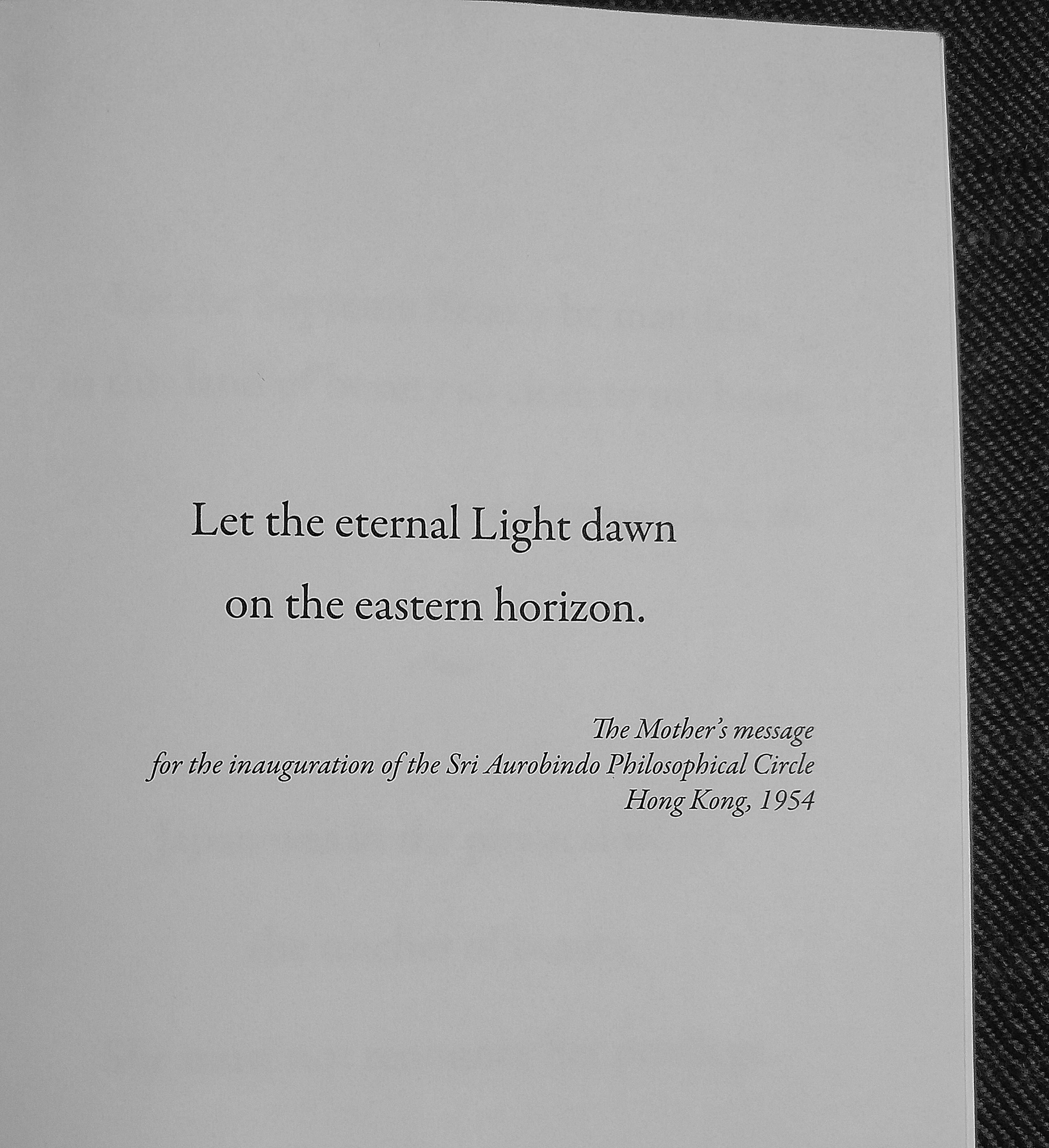
The Mother on Japan [Photo by Jagriti Rumi]
The Mother on Japan [Photo by Jagriti Rumi]
The Mother on Japan [Photo by Jagriti Rumi]
The people, she observed, not via reactions, but by silent selfless actions showed how much they cared for someone; happy to persevere they worked to fulfil the task at hand, devoted harmoniously and absolutely in the present moment, aware about nothing else.
*
Taking long walks to a garden in spring or autumns and spending time there or climbing the steep stairs to reach the monastery at the top of the hilltop, the people (of every and any class), she noticed, believed in beauty and peace.
*
“…very simple people, men of working class or even peasants go for rest or enjoyment to a place where they can see a beautiful landscape. This gives them a much greater joy than going to play cards or indulging in all sorts of distractions as they do in the countries of Europe. They are seen in groups at times, going on the roads or sometimes taking a train or a tram up to a certain point, then walking to a place from where one gets a beautiful view.”
“For instance, in autumn leaves become red; they have large numbers of maple-trees (the leaves of the maple turn into all the shades of the most vivid red in autumn, it is absolutely marvellous), so they arrange a place near temple, for instance, on the top of a hill, and the entire hill is covered with maples.”
“Well, an artist who goes there will experience an emotion of absolutely exceptional, marvellous beauty. But one sees very small children, families even, with a baby on the shoulder, going there in groups. In autumn they will go there. In springtime they will go elsewhere.”
The Mother (Questions and Answers, The Mother on Japan 12 April 1951)
Image of the Buddha, painting by the Mother. (The Mother, Paintings and Drawings, Sri Aurobindo Ashram Trust, 1992) [Photo by – Jagriti Rumi]
While reading about the 1919 flu and how the Mother fought back the negative, dark energy, one thinks about the present pandemic and hopes to win like the Mother in the end.
The glorious cherry-blossom trees in bloom – pink, white, vivid joyous pink – and the narrow paths that take one to wonderful places, with old Japanese houses on both sides, presented the Mother with a paradise puzzle…
*
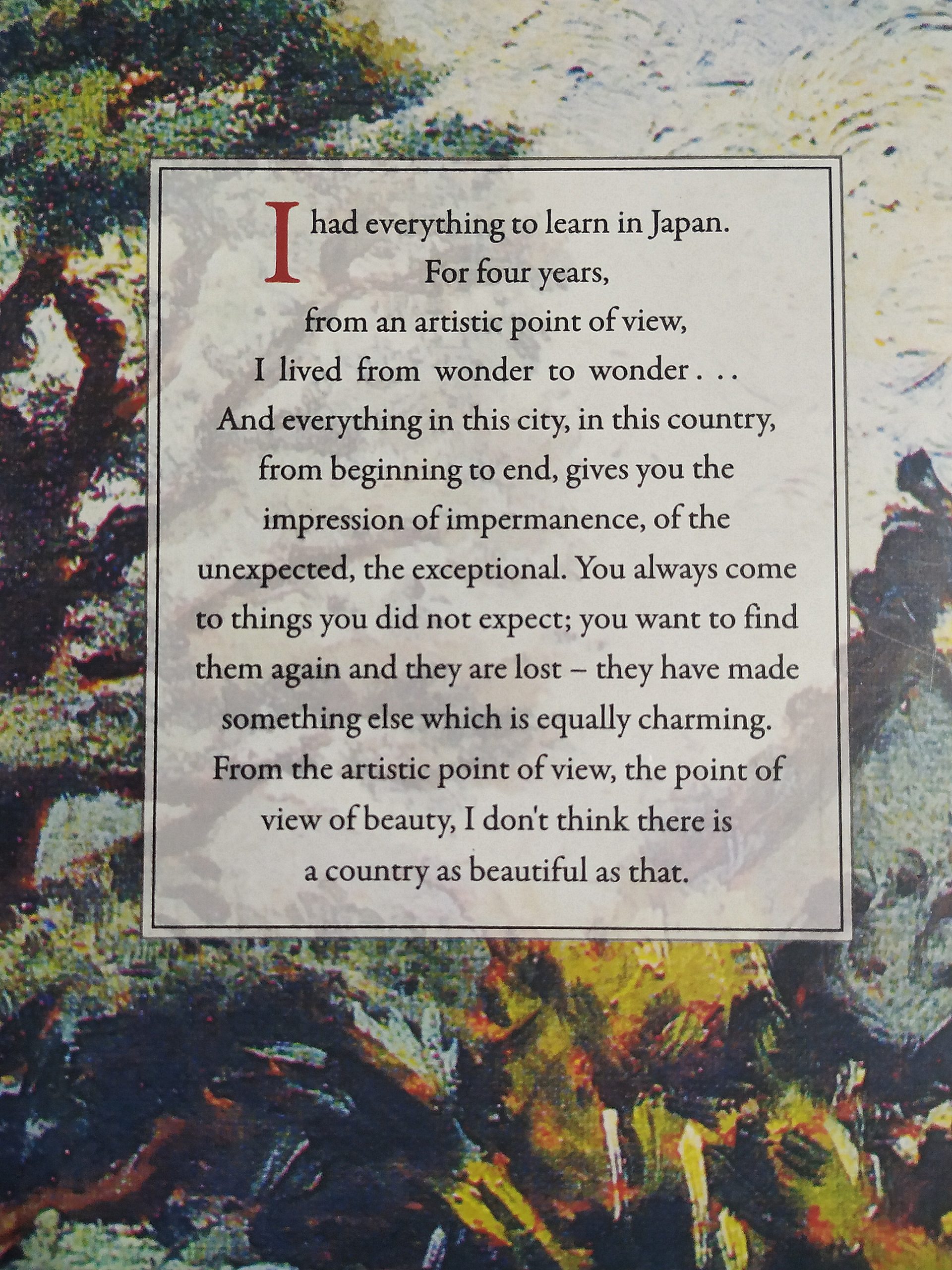
“Then you go wandering around – always one wanders at random in that country – you go wandering and all of a sudden you turn the corner of a street and come to a kind of paradise: there are magnificent trees, a temple as beautiful as everything else, you see nothing of the city (Tokyo) any longer, no more traffic, no tramways; a corner, a corner of trees with magnificent colours, and it is beautiful, beautiful like everything else. You do not know how you have reached there, you seem to have come by luck. And then you turn, you seek your way, you wander off again and go elsewhere. And some days later you want to come back to this very place, but it is impossible, it is as though it had disappeared. And this is so frequent, this is so true that such stories are often told in Japan. Their literature is full of fairy-lore. They tell you a story in which the hero comes suddenly to an enchanted place: he sees fairies, he sees marvellous beings, he spends exquisite hours among flowers, music; all is splendid. The next day he is obliged to leave; it is the law of the place, he goes away. He tries to come back, but never does. He can no longer find the place: it was there, it has disappeared!… And everything in this city, in this country, from beginning to end, gives you the impression of impermanence, of the unexpected, the exceptional. You always come to things you did not expect; you want to find them again and they are lost – they have made something else which is equally charming. From the artistic point of view, the point of view of beauty, I don’t think there is a country as beautiful as that.”
The Mother (Questions and Answers, The Mother on Japan 12 April 1951)
Kindly listen to the track before you start reading.
*
Unabashedly bold and free, vivacious and ebullient, adamant like the silent stone, transforming every micro-second, Nature rules… and the ones living close to it celebrate and sing, enjaaee enjaami…
Flowers shining bright, the rich yellow, orange, mahogany, red and white, the bugs, caterpillars and flies, the upside-down dancing struggling beetles, the sun-soaked green leaves, together – even when captured in a glorious painting – sing enjaaee enjaami…
Whose is this land, this divided piece, this circled boundary, that 12 acres, that mango orchid, that dry-wet soil, that cool-cool well, that fragrance casting spell… certainly it doesn’t belong to the ones who toil round-the-clock and sing, enjaaee enjaami…
Festivities when unearthed by bare hands, the swaying harvest and booming lives of the lords, shacky mud-roofed huts full of laughs and cries… all sing enjaaee enjaami…
Grandmas and old voices together have knitted the folktales, passing it with pickles and homemade sweets, carrying it closer than a life lesson, breathing it day and night, walking and singing enjaaee enjaami…
Like a tree, like a giant tree, full of flowers, then fruits and seeds, then sweat and blood, patiently bowing, accepting it all… walks an old bent figure, bare feet, singing enjaaee enjaami…
*
Turn around, don’t flee… [Image by Couleur from Pixabay]
Jackals, parrots, elephants, reptiles, dogs, cats, butterflies… give their share back, turn around, don’t flee… those sitting on margins know Noah and the King, then who will ultimately sink? I sing enjaaee enjaami…
The fiery soul that burns itself, weeding the flower bed and burning the dead, it runs the life, it spins the earth, decorating the darkness, breathing lightly it sings enjaaee enjaami…
So how can you forget, threaten, betray, walk astray…? Come, not in repentance but acceptance for then your blinded eyes will see the majestic drama, lament if you must, cry and shed it before you sing enjaaee enjaamee…
So listen, listen to the storyteller, the old voice-heart beats well, this beat matches your beat and look, your mind watches you sing enjaaee enjaami…
Enjoy/ Enjaaee(my dear mother/ dear lady) Enjaami (my feudal lord, master) Vango Vango Onnagi (come together to reap the bounty of nature).
This wonderfully powerful Tamil song is sung by Dhee and rapper Arivu (who has also written it); the song revolves around Tamil migrants (and labourers and all our ancestors) who toiled on lands but always remained landless and suffered due to poverty; the song emphasises on how the earth, the nature is for all living beings and not for the wealthy class/ caste.
This thought-provoking, globally popular number, asks us blatantly to check if we are hurrying in the right direction.
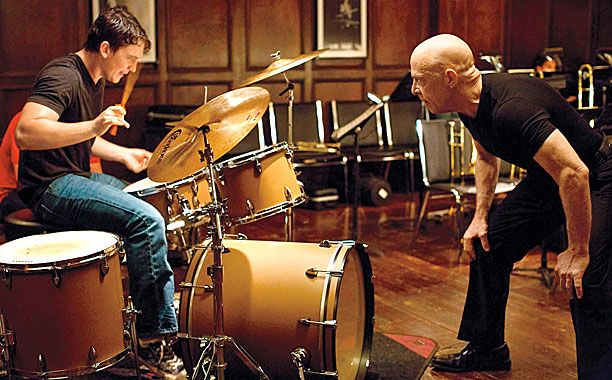
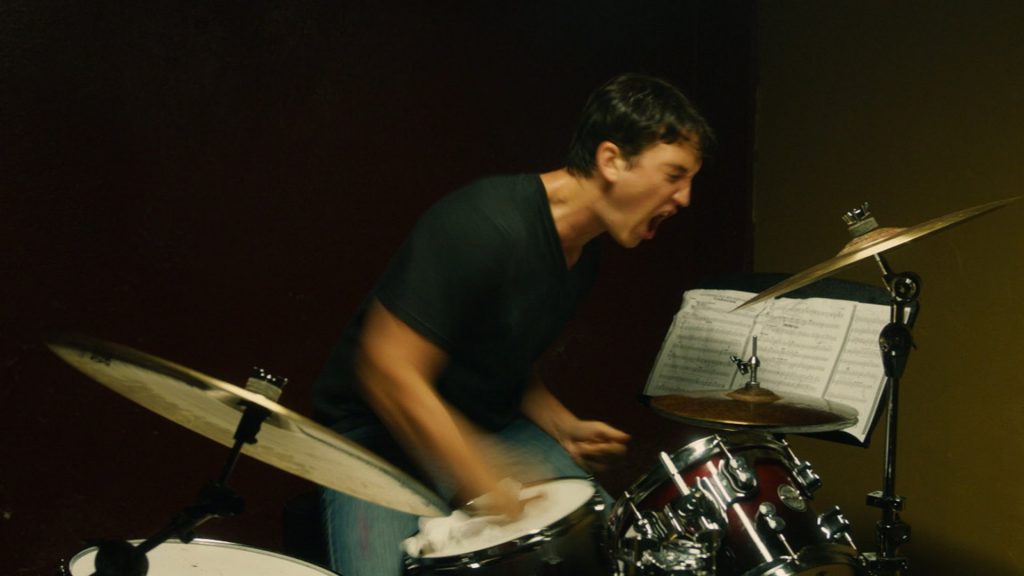
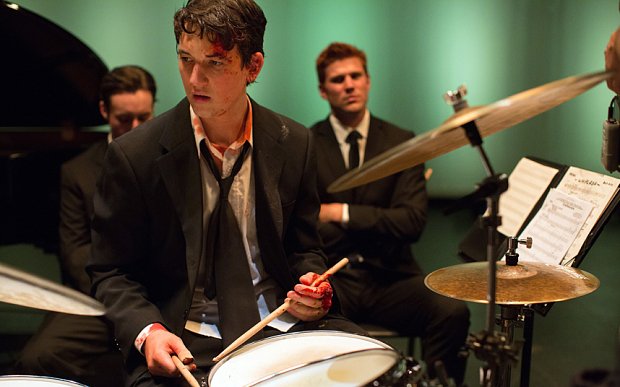
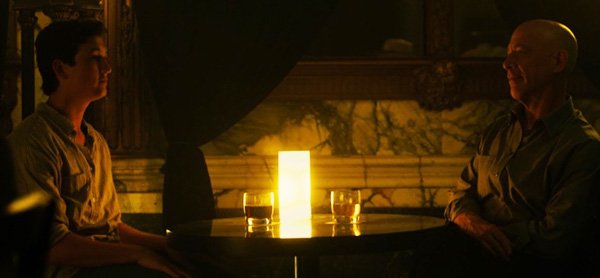
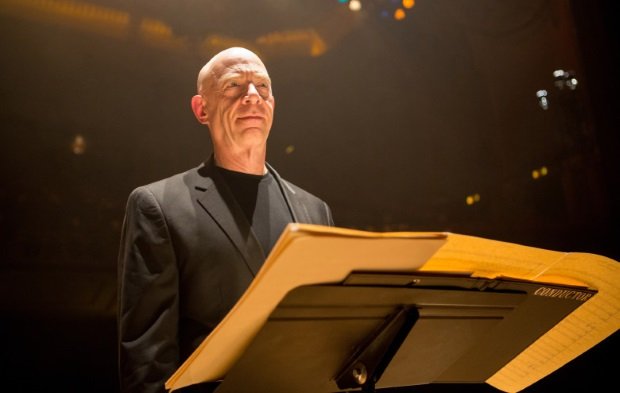
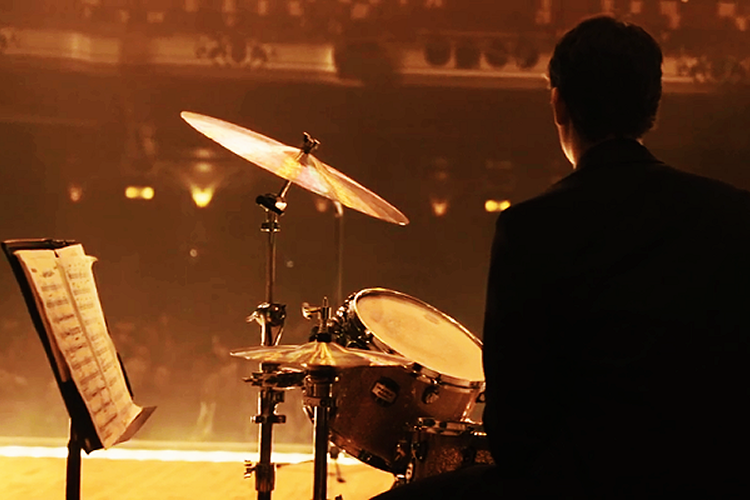
Andrew VS Fletcher; a still from the film Whiplash. [Source – denofgeek.com]
Drums can be heard in a long corridor, with several doors on both sides, that runs till the very end and opens into the last room where the drummer is playing… no, say practising, practising like Buddy Rich, practising until corrected, practising until mastered… this incredibly clever tune, ‘Whiplash’.
Damien Chazelle’s 2014 drama film Whiplash revolves around a passionate jazz drummer Andrew Neiman (played by Miles Teller) and his perfectionist jazz instructor (played by J. K Simmons); one dreams of becoming great, the other demands greatness; one is hopeful, the other is ruthless; when out-of-tune, they clash, when in sync, they dance.
At the still point of the turning world. Neither flesh nor fleshless;
Neither from nor towards; at the still point, there the dance is,
But neither arrest nor movement.
T.S Eliot (Four Quartets: Burnt Norton)
Here, T.S Eliot is talking about that state of mind where not so overwhelmed by it, we make peace with it; Whiplash the film is also about Andrew Neiman’s state of mind which when at peace, allows him to create magic, to dance, to play harmoniously perfect.
Whiplash highlights the protagonist’s internal journey beautifully, in fact, that is all we see – Andrew’s internal dilemmas, struggles, failures and the shining sudden victory. The writer-director very carefully places us within Andrew’s mind.
In the opening scene of the film, Andrew is playing the drums alone in a classroom when he notices that the best teacher in the music school – Terrance Fletcher – is watching him.
*
Andrew – (stops playing) I’m sorry…
Fletcher – No, stay…What’s your name?
Andrew – Andrew Neiman sir.
Fletcher – What year are you?
Andrew – I’m a… first year.
Fletcher – You know who I am.
Andrew – Yes sir.
Fletcher – So you know I’m looking for players.
Andrew – Yes sir.
Fletcher – Then why did you stop playing?
Andrew Neiman starts playing… then stops.
Fletcher – Did I ask you to start playing again?
Andrew – I am sorry…
Fletcher – I asked you why you stopped playing and your version of an answer was to turn into a wind-up monkey…
Andrew Neiman plays… in a few seconds he hears the door shut loudly. Andrew is disappointed… Right then Fletcher comes back inside.
Fletcher – Oopsy Daisy! I forgot my jacket. (Takes his jacket and leaves.)
*
Watch the opening scene here –
While the Andrew VS Fletcher drama unveils, Fletcher the perfectionist starts to appear more like Andrew’s inner critic especially in those scenes where he is practising; the setting, the lighting, the mood and the music makes it look like a void where either jazz or Fletcher’s authoritative voice plays dominantly.
“Don’t be harsh on yourself”, we often tell this to ourselves as sometimes our inner critic can harm us more than an outsider. The antagonist, Fletcher, is equally harsh and critical; a student when talking about Fletcher’s reputation mentions how he is known for making or ending one’ career.
So who wins here, Fletcher the antagonist or Fletcher, Andrew’s inner critic? The answer is both.
Like a pompous self that often praises itself, there are scenes when Fletcher praises Andrew; initially friendly, Fletcher encourages him to play well and tells him how Jo Jonesthrew a cymbal at Charlie Parker’s head, and how that incident made Parker work insanely hard; later on, like a strict-discipline-loving-freak-self, Fletcher, during a practice session, throws a chair at Andrew, warning him not to dare spoil his bands’ image.
Fletcher personifies Andrew’s obsession to be a great drummer – he works hard, accepts Fletcher’s treatment even when he starts to resent him.
The internal journey of the protagonist overpowers the antagonist, but not in a negative way; it only boosts the antagonist’s authority over the protagonist; it feels like another side of Andrew is working hand in gloves with Fletcher.
The secondary characters too reflect the protagonist’s internal journey.
Andrew does not like his father’s mediocre mentality (Fletcher is the one to fan the flames by mentioning it repeatedly that his father is not a true “writer” and that is probably why Andrew’s mom left him), nor does he understands his girlfriend Nicole’s attitude towards life – how is it that she does not know what she wants in life – he loathes mediocrity and it is evident from his behaviour.
In a scene where Andrew, his dad and some guests are having dinner, an argument breaks out where his father, talking about the musician Charlie Parker says –
“Andrew’s Father (Jim) – Dying broke and drunk and full of heroin at the age of 34 is not exactly my idea of success.
Andrew Neiman – I’d rather die drunk, broke at 34 and have people at a dinner table talk about me than live to be rich and sober at 90 and nobody remember who I was.”
*
Watch the dinner scene here –
Even though the secondary characters’ role is nominal, yet this does not weaken the story.
They do have a voice of their own though we do not hear it clearly and that is because the protagonist is not ready to accept their version of the life. Andrew’s obsession does not leave any choice for them but to only listen to him as the core of the film is about this very obsession; the subdued self of these secondary characters, thus, appears to be their actual state.
Andrew is obsessed with the thought of becoming the next great drummer so much so that he refuses to value the external life which consequently starts to fall apart – he has arguments with his father, he also breaks up with Nicole – and this then affects his internal life; he practices day in and out, but one single mistake and Fletcher replaces him with another drummer.
Unable to thread the needle, Andrew first gets irritated with himself for not working hard enough and later on with Fletcher whom he literally attacks.
The result is that he is dismissed from the music school (the best in the country); devastated, he agrees with his dad and secretly files a complaint against Fletcher.
When awakened in the external world, Andrew internally goes into a hiatus. The setting shifts from the dark rooms to brighter ones and to open places.
The story approaches the climax and the internal journey, after the short hiatus, takes over once again. Climax scenes are about Andrew meeting Fletcher, who has been expelled from the music school and is now forming a freelance jazz band; he offers Andrew a position.
Now the internal journey resumes from the same point of tension where Andrew had left it – Fletcher hates Andrew and tells him that he knows it was he who framed him, but reveals it on the stage, just a few seconds before the performance, leaving Andrew utterly shocked.
Andrew is defeated by the antagonist, he plays the drums foolishly and finally gets up and goes backstage where his dad waits for him feeling sorry; but because Fletcher is not just an antagonist but also Andrew’s inner self, his obsession – it pulls Andrew back on the stage. He starts playing the drums not worrying about Fletcher’s threats.
*
Final performance part 1 and 2, watch here –
*
This transformation in Andrew may appear to be sudden but is not so; this is an internal transformation that forges gradually.
Andrew transforms in this last scene – he overpowers his fears – he plays flawlessly – so much so that Fletcher recognises his genius at this moment and joins him and together they play a fantastic jazz number (Caravan). As Fletcher reflects Andrew’s inner self, he does not object to this transformation in him and accepts Andrew’s victory quite happily.
Drumming passionately, just like he did in the first scene of the film, Andrew’s story comes to a close; this time he just doesn’t play the tune, he lives it.
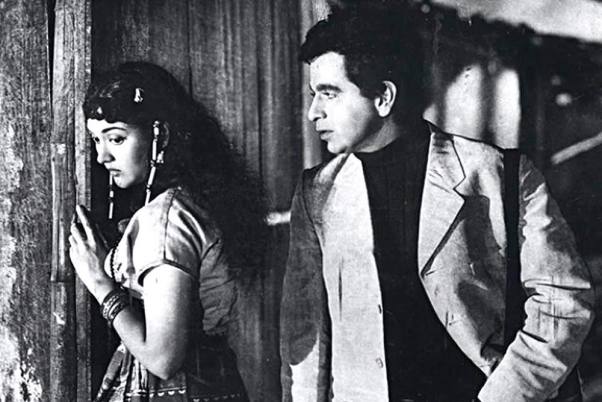
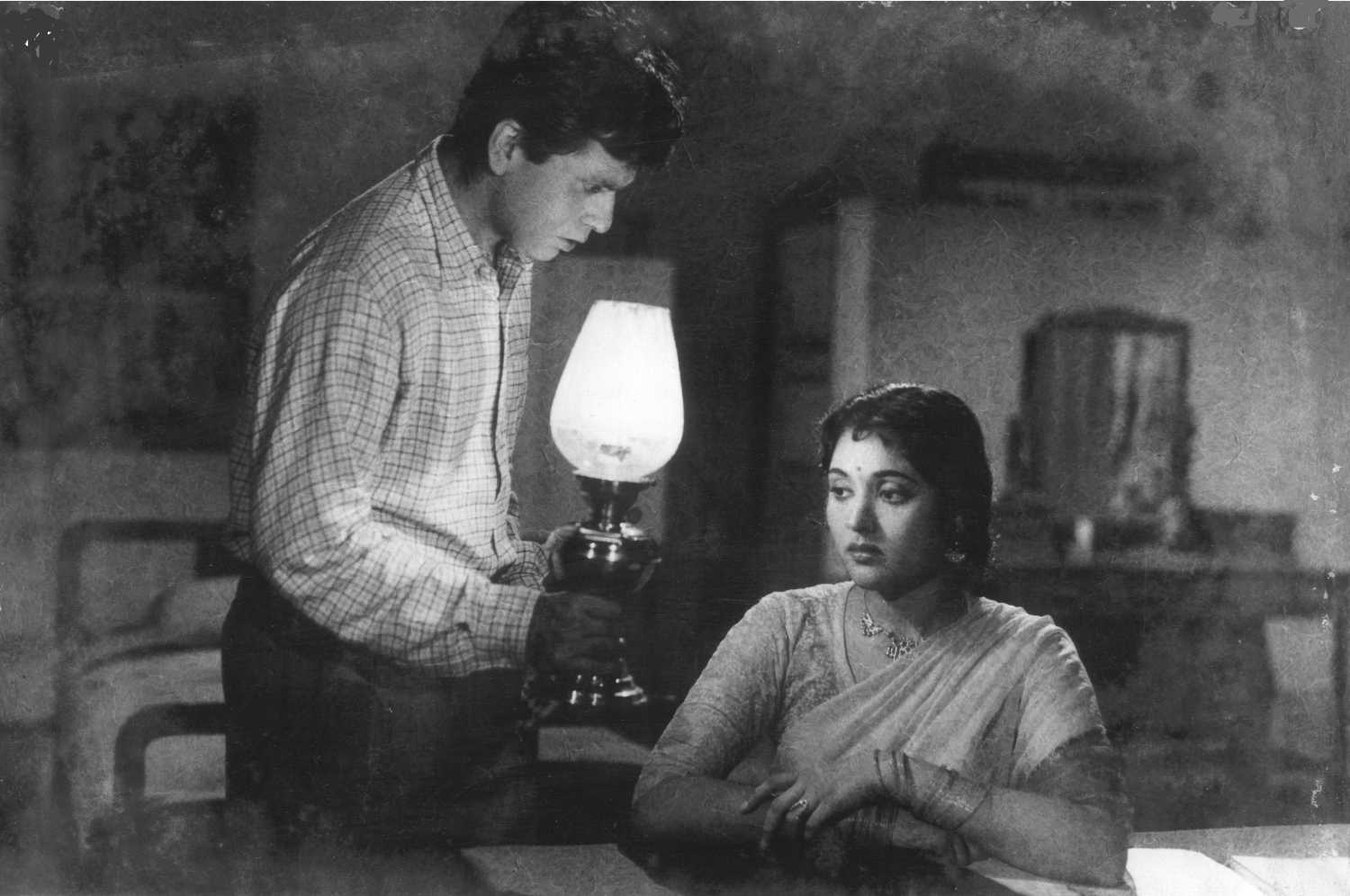
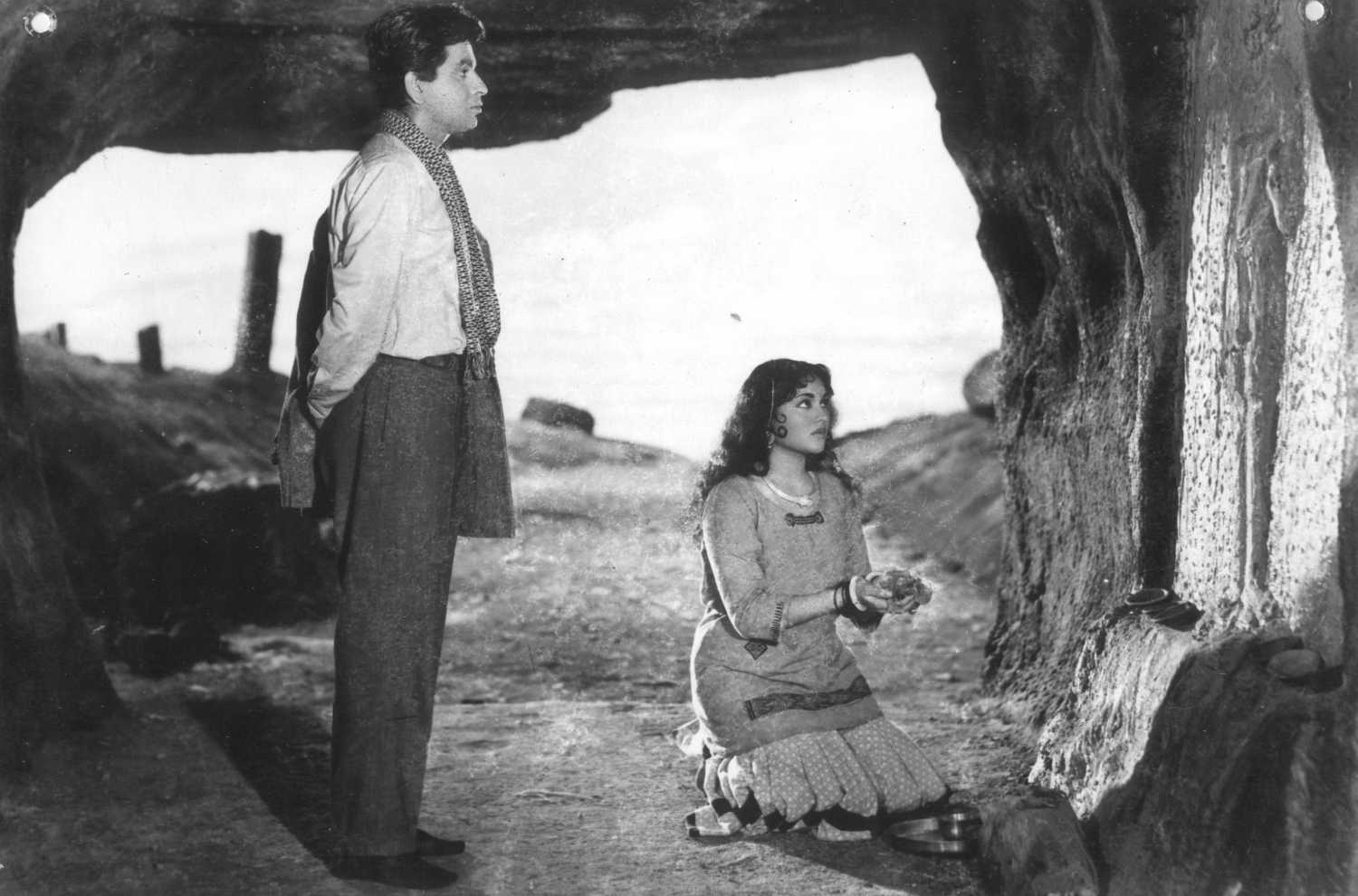
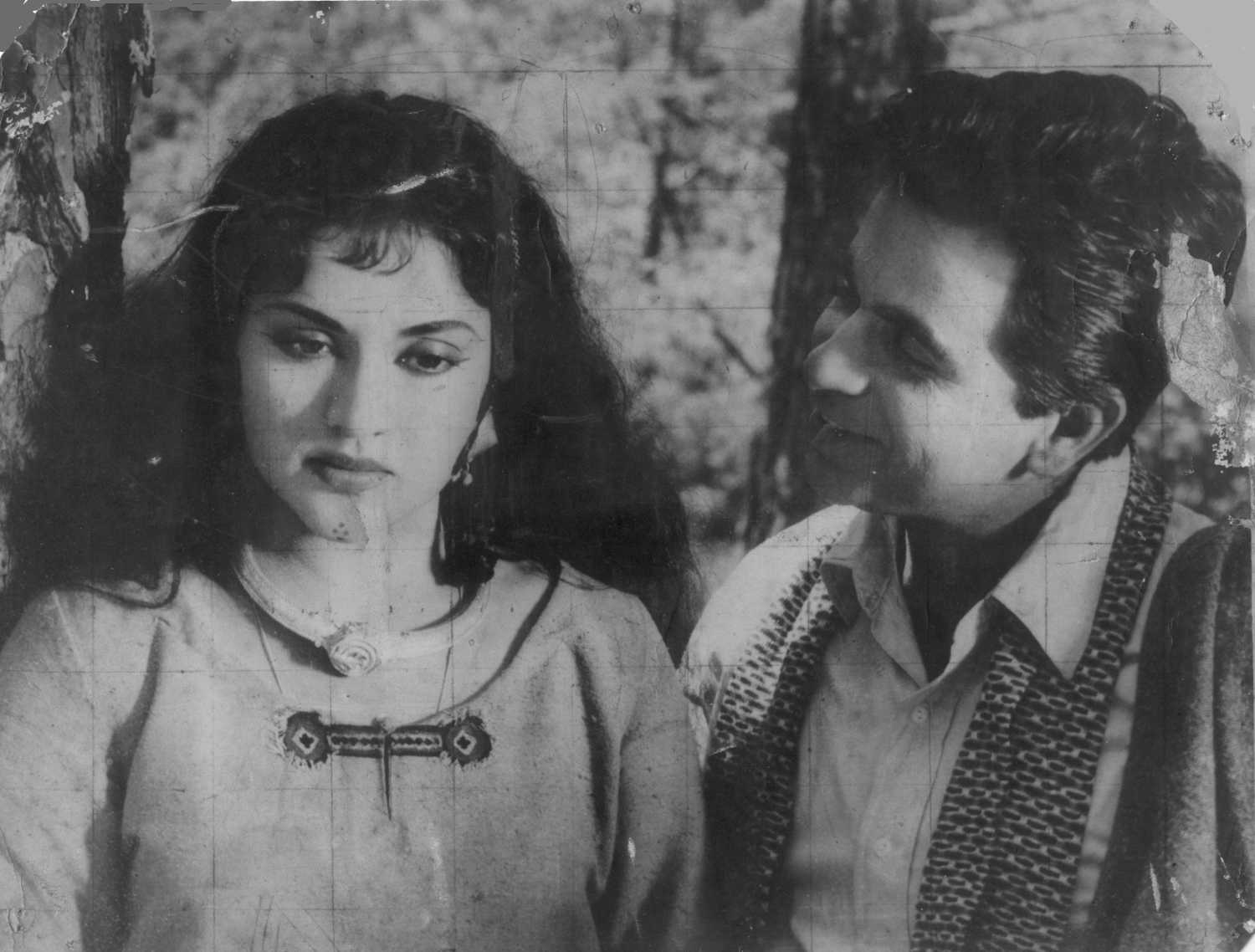
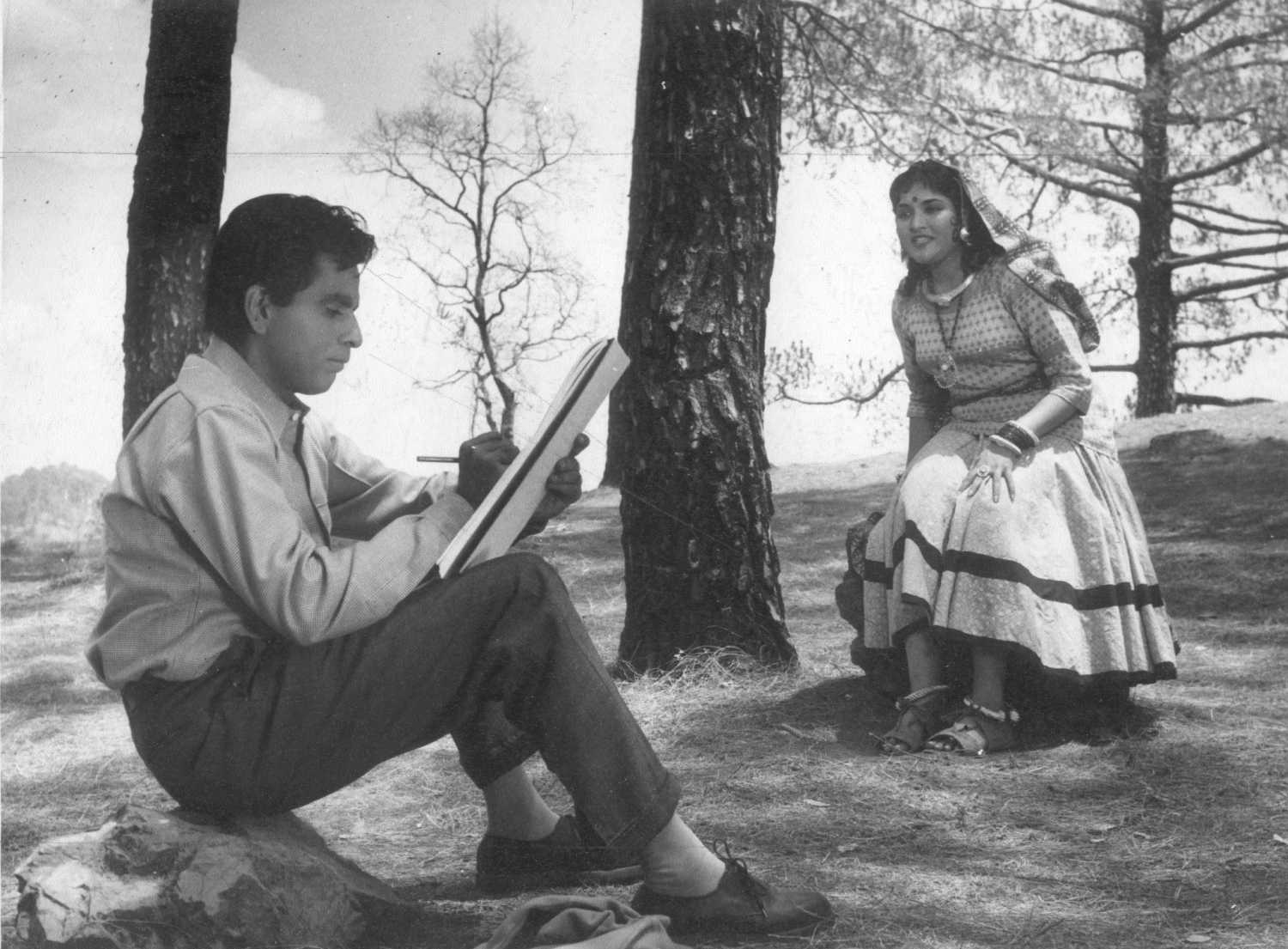
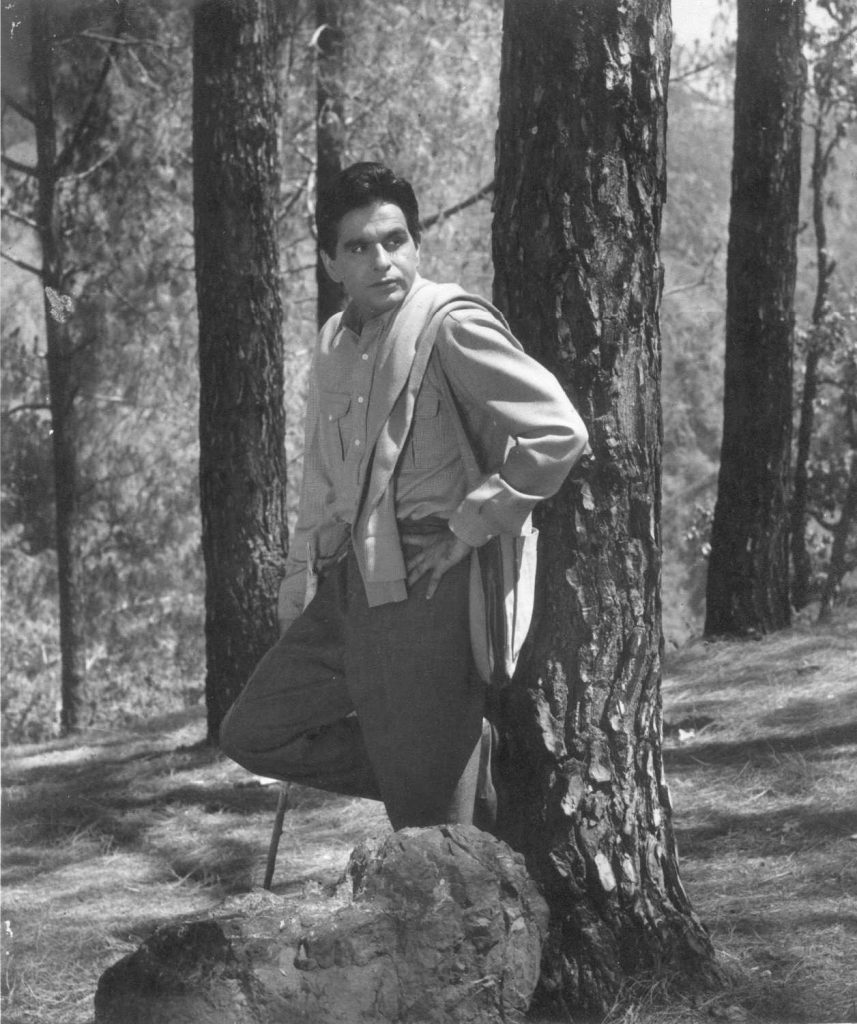
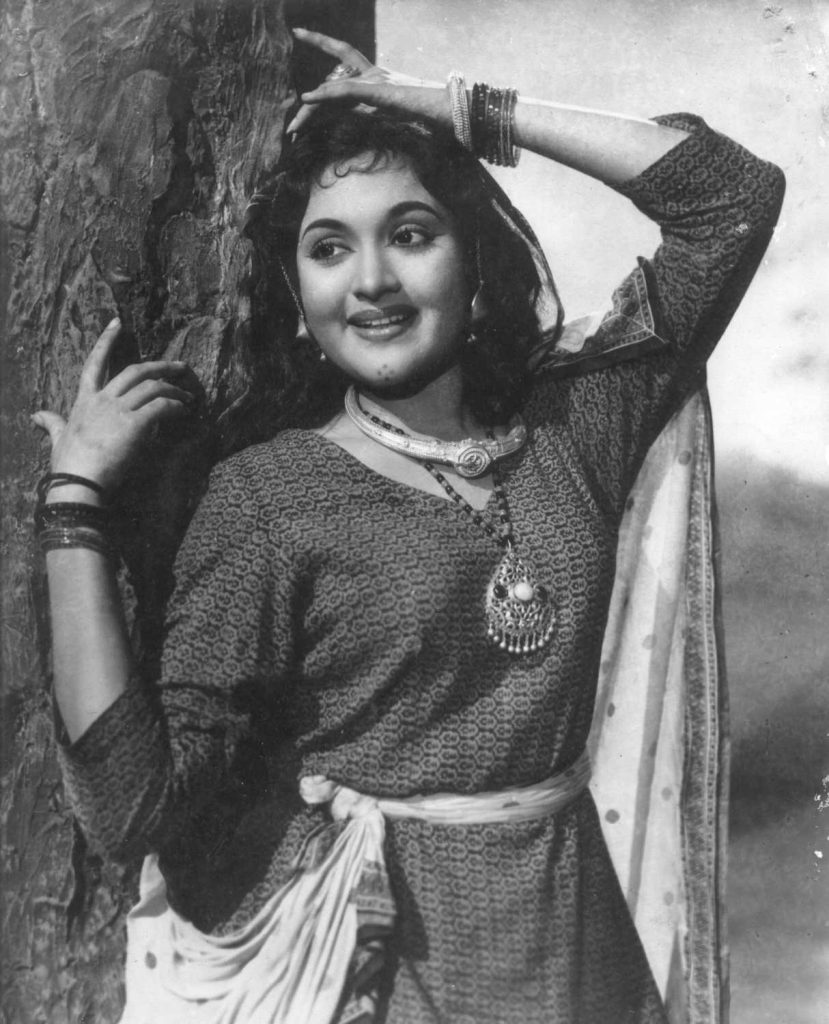
Madhumati (Vyjayanthimala) and Anand (Dilip Kumar). [Source for all the photos – Cinestaan.com]
The Archetypal World of Madhumati
‘Madhumati‘ is one of the most successful films of the legendary filmmaker Bimal Roy. A revenge-drama, thriller, romantic, mystery film, it presented to the audience, who had already seen Mahal in 1949, the idea of reincarnation in a more believable manner.
The highest-grossing Hindi film of 1958, Madhumati’s story was written by one of the most influential Bengali filmmakers and screenwriter Ritwik Ghatak, while the prolific Urdu novelist Rajinder Singh Bedi wrote the dialogues. The melodious soundtrack was composed by Salil Chowdhury and the lyrics were penned by Shailendra. The film won nine Filmfare Awards and the National Film Award for the Best Film in Hindi.
The duo, Roy and Ghatak, created a piece that has inspired every Hindi film dealing with the theme of reincarnation. Let us try to understand the novelty of the screenplay of Madhumati.
The Hook
The storytellers often use a literary device – hook or narrative hook – at the very beginning of a story to immediately grab the viewer’s attention; the starting sequence of Madhumati is a brilliant example of this.
On a dark, rainy night, the hero (Dilip Kumar), along with his friend, is on his way to a railway station. The thunderstorm, mountainous road and hero’s restlessness creates tension; he tells his friend that he does not want his wife and child to wait at the platform on such a night. Thus, the story hooks the viewer instantly, so much so that one involuntarily starts expecting something dramatic that will stop the hero from reaching on time. This hunch proves right; a landslide compels the hero and his friend to take shelter in an old mansion until the driver can fetch a few men from a nearby village.
The Haveli’s door creaks open itself, an old man comes walking towards them with a lantern in his hand, his ghostly expressions and the overall setting subtly triggers the mysteriousness that will be present throughout the story; subtly because logic is still entertained here – the old man explains that he opened the ‘automatic’ door which has a switch in the hall.
Until now the audience is with the anxious hero, worried for him that something external, probably a spirit, might cause him harm, but as the hero starts recognizing the place as if he had been there before, the audience detaches itself to observe the hero more objectively. This is the writer’s masterstroke that in a few minutes the audience connects with the hero and in another second sits back to listen to the hero’s saga.
The saga links the hero with the Haveli, with a particular portrait and with a girl’s voice that only he can hear. The wild storm sets the mood for a revelation; the girl’s sob leads the hero to a portrait that he claims he had painted; it is the painting of the late owner of the Haveli, Raja Ugranarain (Pran) and thus, the hero starts to narrate as he remembers his past life’s story.
The Flashback
The entire love story, the twists and turns, the climax; happen in the flashback. The melodious songs, the scenic surroundings build the atmosphere of otherworldliness and the enchanting love story hypnotises and makes one forget that it is a tale within a tale. Anand (Dilip Kumar) meets Madhumati (Vyjayanthimala). He is struck by her beauty and simplicity, she is charmed by his bravery and honesty; the city-bred Babu, boasting the egalitarian progressive ideas, is not threatened by his colleagues who worship the corrupt and biased elite class.
The Archetypal Characters
An archetypal character has come to be considered a universal model. Archetypes are found in mythology, literature, and the arts, and are largely unconscious image patterns that cross-cultural boundaries. All the main characters in Madhumati are archetypes.
*
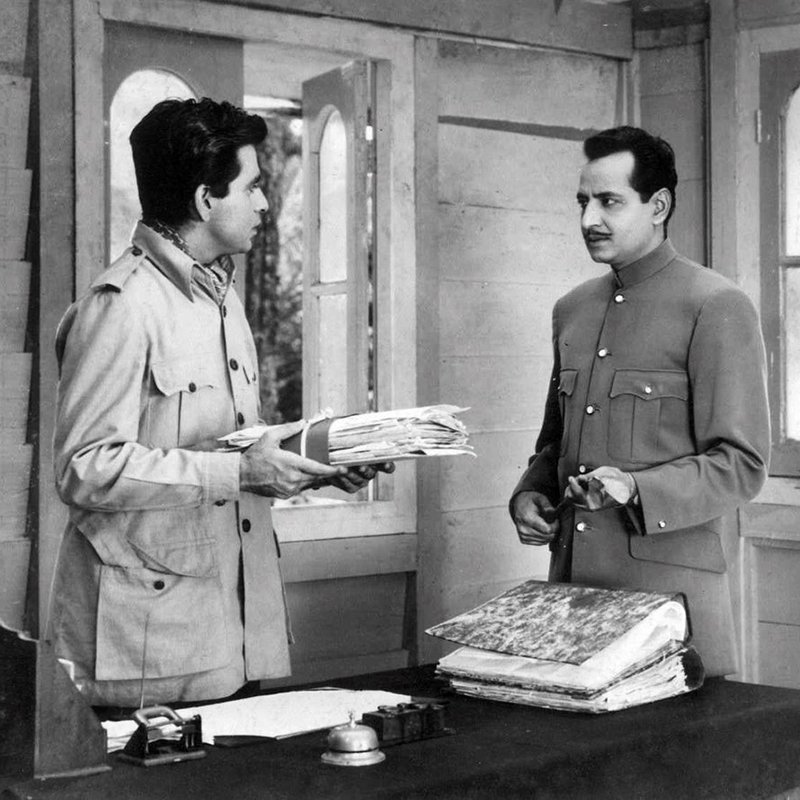
The Hero –Anand (Dilip Kumar) & The Villain – Raja Ugranarain (Pran). [Source – cinestaan.com]
Raja Ugranarain is an archetypal villain whose sole purpose is to oppose the hero; in every scene, his inherent wickedness is highlighted. For example, in his entry scene, riding on a horse he almost crushes a little child when Anand comes and saves the child on time. He is arrogant and behaves rudely with his servants, treating them as his slaves. When he sees the alluring Madhumati for the first time, he attempts to grab her but fails.
Considering himself to be invincible because of his wealth, all he knows is to seize. He goes to every extent to get Madhumati and once he traps her in the Haveli, he tries to rape her. After she jumps from the terrace, he, showing no remorse, makes sure that her dead body is buried in the jungle. In the end, when he is cornered by Anand and Madhumati’s spirit he admits to his crime and is, subsequently, arrested by the police.
*
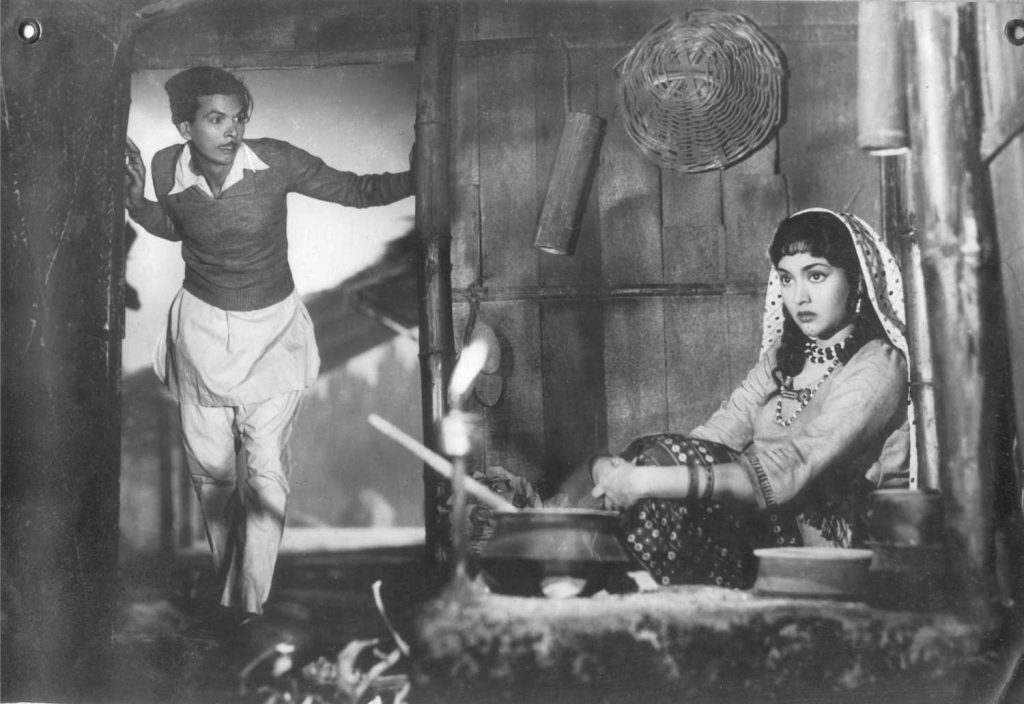
The Fool –Charan (Johnny Walker) & The Rebel – Madhumati (Vyjayanthimala). [Source – cinestaan.com]
Charan (Johnny Walker) is Anand’s valet who is given the archetypal role of the Fool (for comic-relief) in the story. He often warns Anand not to trust anyone or mingle with the wrong sorts, but mainly cares only for a drink. Through a satirical song, he questions the questioning society and reminds the viewers that evil thoughts and actions are more harmful than alcohol. He does support Anand when he is devastated, but never leaves his character trait. The scene in which he urges a psychic to help Anand puts him back in command as the comedian and after doing his bit by the climax this character exits the story.
Similarly, Anand is a true Hero with the archetypal qualities of being kind as well as brave. He will do anything to help others and kill or die for his love. Throughout the story, Anand, directly and indirectly, keeps challenging the villain. He takes a stand for the downtrodden and is not afraid of the king.
When Madhumati dies, in his anger he attacks Raja Ugranarain in the Haveli who is enjoying a dance performance. Anand beats up Ugranarain, but soon his goons take over him. The hero is defeated and a period of lull passes; just as an insane man, he runs around looking for his love, until one day he finds a girl – Madhavi – who looks exactly like Madhumati.
Anand then regains his strength and plans wisely; he acts like a repenting man and requests Ugranarain to let him make a painting of his so that he can earn something.
Anand and Madhumati trick Ugranarian to speak the truth and thus, after hearing his confession the police arrests him. Alone with Madhumati, Anand realises that it is Madhumati’s spirit that helped him and not her look alike Madhavi. Anand follows her and jumps off the roof to meet his love, his Madhumati.
Madhumati is the archetypal rebel – the one who cannot be tamed; she is innocent and full of warmth, but also strong and independent unlike the usual heroines of the 50s. She is portrayed as the queen of the jungle (she is after all the tribal chief’s daughter) running around in the forest, leaving behind the hero who is not used to the tribal ways. In a scene, when the hero asks her if she is not afraid to return to her house through the forest at night, she laughs loudly at the question and then leaves. Confidently, she takes the hero to her father who, upon finding out that Anand works for Raja Ugranarian, warns her never to meet him again, but this does not stop her and later Madhumati herself asks Anand if he would marry her.
Overshadowing a tragic episode, Madhumati tells Anand that she was never afraid of death, but she is now as she wants to live for Anand’s sake. Immediately after this, she is ambushed and trapped in the Haveli; there too instead of giving in, she chooses to end her life and thus, jumps off the terrace.
Madhavi, not just by looks but by character traits, is also like Madhumati. She represents the modern woman, who after knowing the truth, decides to help Anand.
Songs
The complete album of Madhumati, composed by Salil Chaudhary, was a super-hit becoming one of the many reasons for the film’s massive success. Songs like Aaja Re Pardesi, Suhana Safar Aur Ye Mausam Haseen, Dil Tadap-Tadap Ke Keh Raha Hai, Chadh Gayo Paapi Bichua, Jungle Mein Mor Nacha in the voices of the legends like Mukesh, Lata Mangeshkar, Mohammad Rafi and others added to the strength of the story. Shailendra’s brilliant lyrics worked superbly with the tribal folk music, giving the film an authentic appeal.
Suhana safar aur ye mausam hansi, humey dar hai hum kho na jaye kahin (a wonderful journey and this beautiful weather, I am afraid that I might get lost)… this melodious number sung by the hero is like an introductory song, he is welcoming himself and the viewer to the picturesque landscape which is so fascinating that one can get lost in its vastness. The stanzas talk about how the hero is hopeful that all his dreams might come true in this magical place, and so it does, as he meets the love of his life, Madhumati, here.
The mystical song – Aaaja re pardesi, main to kabse khadi is paar ki akhiyan thak gayi panth nihaar (Come O parted-lover, I have been standing here for so long, my eyes are tired of staring down the path) – has become a symbol of unfulfilled love yearning to reunite in life or death.
Madhumati is a landmark film, every aspect of it complements the other; the scenery and the sequences shot in the studio are compelling and the images are very powerful. The only scene that appears as a misfit is the last scene when Divender (Dilip Kumar) meets Radha (Vijayanthimala) at the railway station, Radha does not say a word, but is happy to see Divender who, as if to underline the theme, tells her how they are meant to be partners in every lifetime. The film ends as we see the little child smiling happily at his parents. According to an online article Ritwik Ghatak never wrote this last sequence, which probably means that the film ends in the mansion where Divender says that he has finally got his Madhumati in the present birth as his wife Radha.
Madhumati is a fantastic study of Hindi cinema as it shows how our storylines incorporate mysticism in romances, make the mundane grand, celebrate emotions via songs, heighten the drama, leaving the audience enthralled. The greatly detailed script of Madhumati gives it superb clarity and makes it a compulsory study for a screenwriter.
The Hindi language is a treasury that stores precious jewels gained from different languages like the ancient Indian languages – Sanskrit, Prakrit, Pali, Apabhramsha and others like Dravidian, Turkish, Farsi, Arabic, Portuguese and English. Gathering from such enriching sources and reforming itself continuously, the Hindi language aimed both for simplicity and profundity, to be an easy guide for its user.
While every form of Hindi literature has only helped in fulfilling this goal, nothing matched the influence of Hindi Poetry. The word Hindi and/ or Hindavi, meaning Indian (the inhabitants of the Indus) in classical Persian, was understood to be the language of India and was taken up by many great poets like the Sufi poet and musician Amir Khusrow (1253 – 1325) for his poems.
Until the printing technique was invented, handwritten books and social gatherings were the only medium to spread literary and cultural ideas; it also meant that very few could afford handwritten books and reading was only for the scholars. Thus, it was poems that reached the masses in the form of songs, stories, folklore, fables and pure poetry; the most famous being the two epic poems of India – The Mahabharata and Ramayana.
The Hindi poems as well as other literary forms catered to and evolved with the time, changing styles and themes accordingly. With the records available, we find Hindi poems taking a firm position when the poets found patrons in the kings in the 11th to 14th Century, thus, beginning theVir-Gatha Kaal or the AdiKaal. As this period saw many invasions and battles, it influenced Hindi poetry immensely; the poems were mostly about the valiant warriors of the time, adding fictitious encounters to please the King.
With Hindi speaking majority being in the North, the poems of this era also came from this region – Delhi, Kannauj, Ajmer, ranging up to central India. Prithviraj Raso, an epic poem, dedicated to the ruler of Delhi and Ajmer, Prithviraj Chauhan, by his court poet, Chand Bardai, is considered to be the most famous work of this period; though not historically reliable, it gives insights into society under a Hindu ruler. The poem celebrates Prithviraj Chauhan as a ruler; the widely known part of the poem being the King’s love life – how he fell for Sanyogita, his enemy’s daughter, who too wanted to marry him as Prithviraj Chauhan’s success wasn’t a secret, and how he barged in with an army on the day of Sanyogita’s sawayamvar and eloped with her. It is majorly because of this epic poem, that even today we see Prithviraj Chauhan’s love story being enacted on different platforms.
Other works by royal poets include Naishdhiya Charitra by Harsha, Khuman Raso by Dalpativijay, Bisaldev Raso by Narpati Nalha and Parmal Raso by Jagnayak, most of these being a lively rendition of battles and their consequences. Unfortunately, many of these poems were destroyed by the army of Muhammad of Ghor, thus, only a few manuscripts are available today.
Other poetic works include devotional works of the Siddhas (belonged to Vajrayana – a Buddhist cult), Nathpanthis (yogis who practised the Hatha yoga) and Jains. Gorakhnath, a Nathpanthi poet, wrote in styles like Doha (couplet) and Chaupai (quartet) and on themes that laid emphasis on moral values and scorned racial favouritism.
In the Deccan region in South India, Dakkhini or Hindavi was used. It flourished under the Delhi Sultanate and later under the Nizams of Hyderabad. The first Deccan poet was Nizami, his most famous poetical work is Panj Ganj (Persian for – Five Treasures).
By the end of the 14th century devotional poems took the centre stage and maintained its hold till the 18thcentury and came to be known astheBhakti Kaal. New verse patterns like Doha, Sortha (Chhand/ verse), Chaupainya (four liners), Shringara Rasa, etc. were added to Hindi poetry styles. Also, fresh dialects like Avadhi, Brij Bhasha and Bundeli gave fervour to these new styles. The main works in Avadhi are Malik Muhammad Jayasi’s Padmavat and Tulsidas’s Ramacharitamanas and in Braj dialect are Tulsidas’s Vinaya Patrika and Surdas’s Sur Sagar.
Kabir, the great mystic poet and saint, is said to use a mixture of many dialects (especially Khaddi Boli) in his poetry and Dohas –
माला फेरत जुग भया, फिरा न मन का फेर, कर का मनका डार दे, मन का मनका फेर।
Translation – Kabir says, you spent your life turning the beads of a rosary, but could not turn/ change your own heart. Leave the rosary, try and change the evil in your heart.
In the Bhakti Kaal, two schools of thought were formed – Nirguna School (the believers of a formless God) and the Saguna school (the worshippers of Vishnu’s incarnations). Known as the Bhakti Movement, both these schools worked to transform the orthodox and biased ways of the society and offered every individual an alternative path to spirituality regardless of one’s caste or gender.
Kabir and Guru Nanak belonged to the Nirguna School; they were truly secular and thus, had a large number of followers irrespective of caste or religion; in fact, Guru Nanak became the founder of a monotheistic religion – Sikhism. The Saguna School was represented by mainly Vaishnava poets like Surdas, Tulsidas, Ramananda, Mira Bai, Tukaram and others.
This was also the age of tremendous integration between the Hindu and the Islamic elements in the Arts with the advent of many Muslim Bhakti poets like Abdul Rahim Khan-I-Khana who was a court poet to Mughal emperor Akbar and was a great devotee of Krishna.
जे गरीबपर हित करैं, हे रहीम बड़ लोग।
कहा सुदामा बापुरो, कृष्ण मिताई जोग॥
Translation – People who work for the poor are great ones. Poor Sudama says that Krishna’s friendship is like worshipping the supreme; Rahim means that one who helps the poor becomes worthy of getting divine love.
The 18th and 20th century saw the unfolding of Riti-Kavya Kaal, the age where the focus shifted from emotions to ‘riti’ which means procedure and to poetic theory and its elements like Alankrit Kaal, Shringar Kaal, Alankaar Kaal, Kala Kaal; euphoria, beauty, heroism and fancy became the major aspects of poetry in this era.
Riti Kaal’s poets lived in the shelter of kings and nobles. The literature written in such an environment was mostly decorative and artistic; thus, the poems also became distant from the general public.
Most of the Riti works were related to Krishna Bhakti, with emphasis mainly on the Rasic (joyful, passionate, playful) and Shringar (physical love and beauty) elements – Krishna Leela, his pranks with the Gopis in Braj, and the description of the physical beauty of Krishna and Radha (Krishna’s consort). The poems of Bihari (Bihari Satsai), Keshavdas (Rasikpriya), Chintamani (Pingal) and Matiram (Rasraj) are well-known works of this period; their poems were a collection of Dohas, dealing with Bhakti (devotion), Neeti (moral policies) and majorly Shringar (physical beauty).
The shift from Sanskrit to a simpler language, even for the royal courts, had long ushered the change that kept on evolving Hindi language and that finally resulted in the formation of Devanagari script in the end; the first two books in Devanagari script, the year 1795, were by Heera Lal, which was a treatise on Ain-i-Akbari and by Rewa Mharaja – a treatise on Kabir.
From the 19th century onwards, started the Adhunik Kaal (modern literature); with the British East India Company establishing a complete hold on the country, Hindi poetry became the catalyst for the chain of revolutions in India. This period is divided into four phases – Bharatendu Yug, Dwivedi Yug, Chhayavad Yug (1918–1937) and the Contemporary Period (1937–present).
Bhartendu Harishchandra(1850-1885), known as the father of modern Hindi literature as well as Hindi theatre, used new media like reports, publications, letters to the editor, translations and literary works to shape public opinion.
Writing under the pen name “Rasa”, Harishchandra represented the agonies of the people, the country’s poverty, dependency, inhuman exploitation, the unrest of the middle class and the urge for the progress of the country. He was an influential Hindu “traditionalist”, using Vaishnava “devotionalism” to define a coherent Hindu religion.
निज भाषा उन्नति अहै, सब उन्नति को मूल। बिन निज भाषा-ज्ञान के, मिटत न हिय को सूल।। विविध कला शिक्षा अमित, ज्ञान अनेक प्रकार। सब देसन से लै करहू, भाषा माहि प्रचार।।
Translation – Progress is made in one’s own language, as it is the foundation of all progress. Without the knowledge of the mother tongue, there is no cure for the pain of the heart.Knowledge is boundless, we should take new ideas from different cultures, but these new ideas should then be proliferated in our own language.
*
The freedom struggle and fighting with the mighty pen. [Image by Ashutosh Kaushik from Pixabay]
Mahavir Prasad Dwivedi (1864 – 1938) was a Hindi writer and editor who played a major role in establishing the modern Hindi language in poetry and broadening the acceptable subjects of Hindi poetry from the traditional ones of religion and romantic love; he encouraged poetry in Hindi dedicated to nationalism and social reform.
One of the most prominent poems of the period was Maithili Sharan Gupt’s Bharat-Bharati, which evokes the past glory of India. Shridhar Prathak’s Bharat-git is another renowned poem of the period.
Chhayavaadi Yugrefers to the era of Neo-romanticism in Hindi literature, particularly Hindi poetry, 1922–1938, and was marked by an upsurge of romantic and humanist content, by a renewed sense of the self and personal expression, visible in the writings of the time.
The great literary figures belonging to this school are known as Chhayavaadi poets –Jaishankar Prasad, Suryakant Tripathi ‘Nirala’, Mahadevi Varma and Sumitranandan Pant. These four representative poets of this era embody the best in Hindi Poetry. A unique feature of this period is the emotional (and sometimes active) attachment of poets with the national freedom struggle, their effort to understand and imbibe the vast spirit of a magnificent ancient culture and their towering genius which grossly overshadowed all the literary ‘talked about’ of next seven decades.
Himadri Tung Shring Se is a patriotic poem by Jaishankar Prasad; though a short one, the poem holds the capability of encouraging a whole generation and is often sung as an anthem –
हिमाद्रि तुंग श्रृंग से प्रबुद्ध शुद्ध भारती — स्वयं प्रभा समुज्ज्वला स्वतंत्रता पुकारती —
अमर्त्य वीरपुत्र हो, दृढ प्रतिज्ञ सोच लो, प्रशस्त पुण्य पंथ है — बढे चलो,बढे चलो
असंख्य कीर्ति-रश्मियाँ , विकीर्ण दिव्य दाह-सी सपूत मातृभूमि के — रुको न शूर साहसी
अराति सैन्य सिंधु में, सुवाड़वाग्नि-से जलो, प्रवीर हो जयी बनो — बढे चलो, बढे चलो !
[Translation – the poem tells every Indian to be as strong as the Himalayas, to be a gallant son of this land and to take a firm vow to continue walking on the path of virtue (i.e. to continue serving the country). Endless glories await the ones who are patriotic. Not to stop, but to burn like pure fire, to keep on walking ahead until you achieve your goal.]
The other prominent poets who also used Chayavaadi elements in their poetry include names like Ramdhari Singh ‘Dinkar’, Harivansh Rai Bachchan, Makhanlal Chaturvedi and Pandit Narendra Sharma.
After India’s independence, the core socio-economic, political and cultural aspect went through a whirlpool of changes and so did the Modern Hindi literature. It entered Pragativaad (progressivist-socialist), Prayogavaad (experimentalist) tendencies culminating in new poetry and further labels like contemporary poetry and reflective poetry.
Some of the famous poets of the Contemporary Period include – Bhawani Prasad Mishra (Buni Hui Rassi), Gulab Khandelwal (Usha, Alokvritt), Kedarnath Singh (Akaal Mein Saras), Nagarjun (Bādal kō Ghiratē Dēkhā hai), Sudama Pandey Dhoomil (Sansad se Sarak Tak), Padma Sachdev (Meri Kavita Mere Geet), Dharamvir Bharati (Toota Pahiya), Geet Chaturvedi (Ubhaychar).
A section of poets also wrote for cinema and television; poets became lyricists and screenwriters, moulding this literary form further. Some of the known lyricists are – Anand Bakshi, Shailendra, Saroj Mohini Nayyar, Sahir Ludhianvi, Amrita Pritam, Gulzar, Javed Akhtar, Prasson Joshi, Jaideep Sahni and Irshad Kamil.
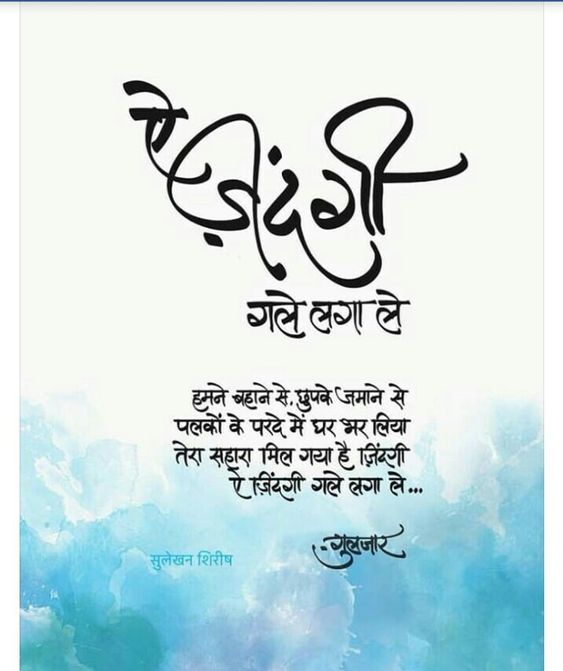
O life, embrace me… a song from the Hindi film Sadma (1983), lyrics by Gulzar. [Source – Pinterest, for English translation click here.]
It has been a long journey for the Hindi Poets, forever evolving along with the Hindi language. The ability of the Hindi language to sanction and its power to absorb new ideas has given Hindi literature a colourful past. While we compartmentalize the eras for it is then easier to approach the bulk of literature produced, it many times overshadow the individuality of a poet for poets are not of one era, they are of every era.
Poets, by nature of their profession, see what is beyond their times, see what is invisible to others, and this is what makes every honest poem unique. The 21st century Hindi poets, like their ancestors, present an image of the world around, and also give us a peek into a deeper world, the inner world.
I am joy running free/
freely flying, fluttering, soaring in a valley/
Of joy am running free.
Greetings!
A storyteller, following the ancient tradition of cave chroniclers, standing in vrikshasana (the tree pose) on a hill top (it is sunny, but windy), breathing in and out stories (relishing it all, but at times overwhelmed), declares animatedly that she will continue to – tell stories, share rare story gems, and connect with the pacy universe while also keeping the website ad-free.
Big thanks to my readers. Stay tuned!
Also, a humble request to the new subscribers to check the spam folder after subscribing. Silly (but necessary) confirmation emails often land there instead of the bright inboxes. Merci!
Ya-hoy!
Chiming Stories (formerly Home Chimes)
P.S – Supporting a storyteller is good for the world’s health (and undoubtedly, for the storyteller’s health as well). Shower some love by sharing, commenting and subscribing to the Weekly Newsletter.
Gabbeh, the 1996 film, is a simple tale of a gipsy girl, her clan and the way their life goes on. Unfolding beautifully just like an artist painting a canvas, Gabbeh quietly touches the grand questions.
Ranked as one of the greatest British films of all time, The Lavender Hill Mob confides in the audience, letting them see, feel, laugh and think without tickling persuasively with a joke here and a punch-line there.
Godard… Breathless and Alive
A Tribute to Jean-Luc Godard, the Film Philologist who Reinvented Cinema.
Yes fly! For walking on the second track is dull and usual, but dreaming high, high, high requires tools. Tools like the right pair of shoes, a chirpy, gritty soul that eats butter-jam dreams, a soul that drinks milky-milky creams.
Silver cascade shimmering the night sky, music to the waves and surreal beauty to the eyes, the Moon loves the art of discipline.
It may be difficult to believe for the Moon’s splendour defies time, it stupefies the clock, it follows the path of a dreamer, but how could this be possible if the Moon knew not discipline?
In this moment, I am a little bit of this and a little bit of that, I am complete and incomplete, I am pleased and uncertain, I wish for nothing and I know I have to wait.
Because the distance covered reminds me of the hurdles I have crossed and the ones I could not, it reminds me of a throbbing past and a dreamy future and it reminds me of how much time is left.
Meredith and the Green Lake
Illimitable Splendour
A joy so complete without any rise or fall, so free without any time corners, so real without true being false, false being true.