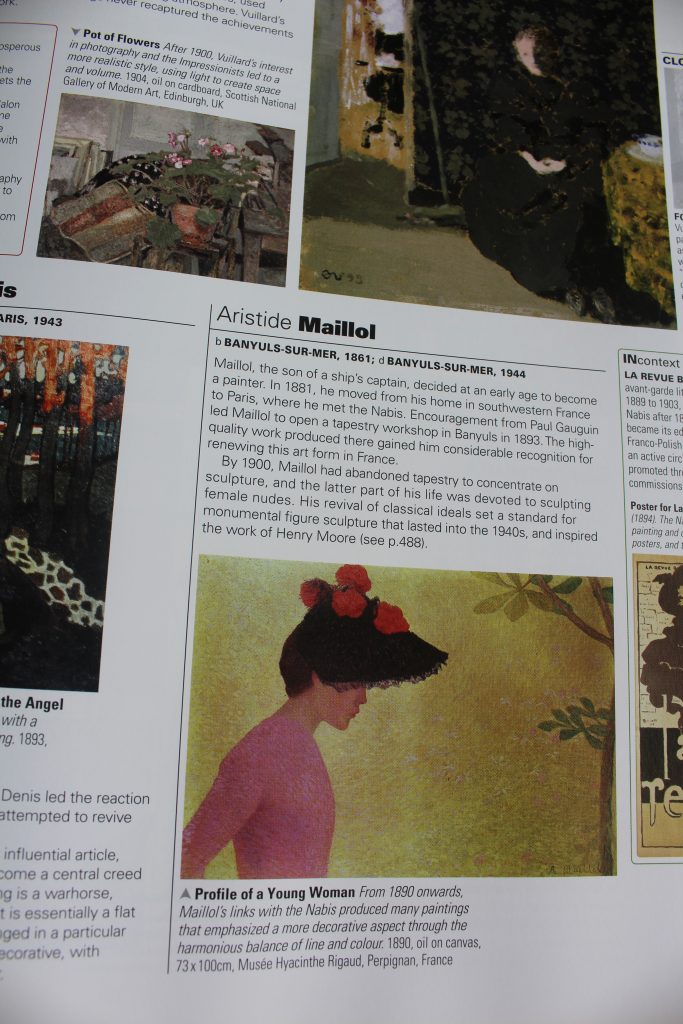
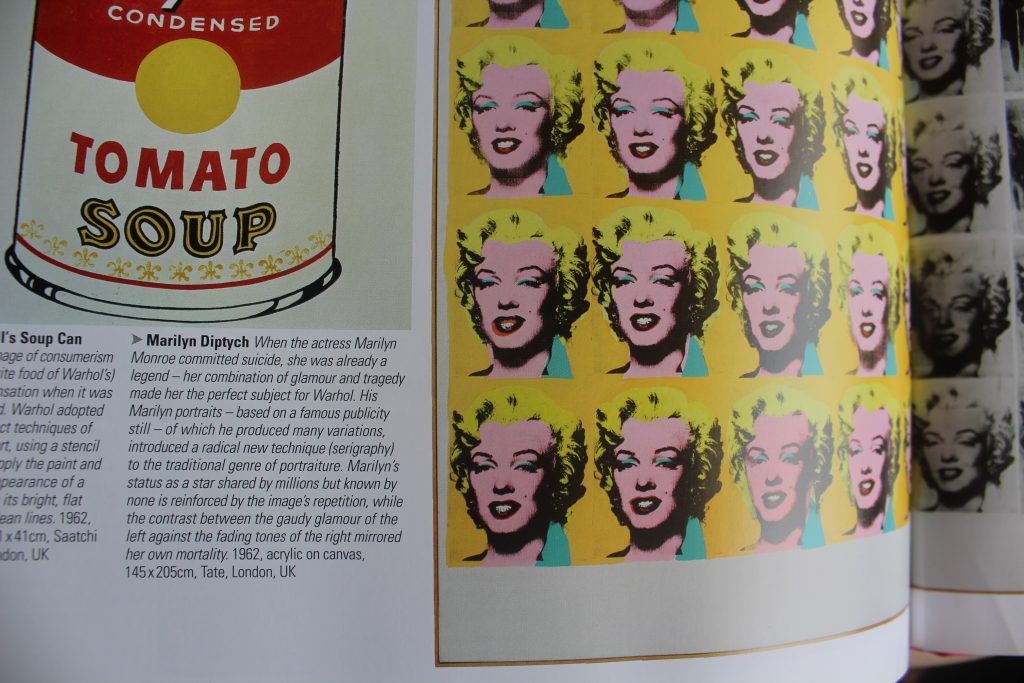
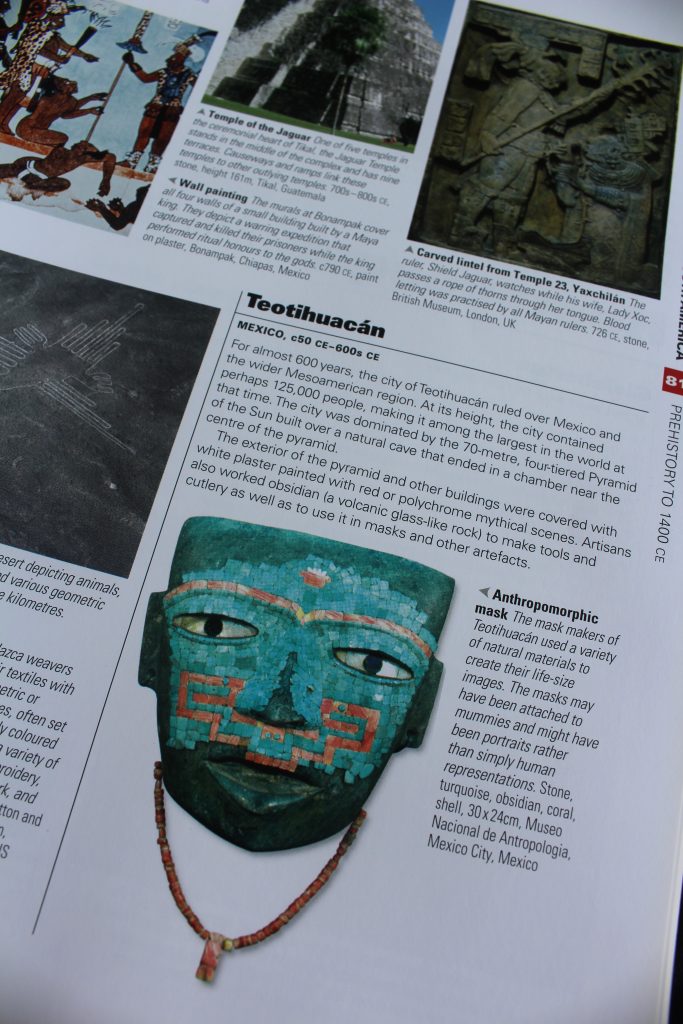
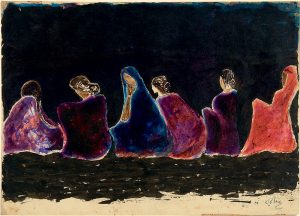
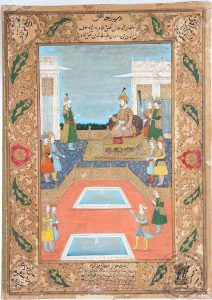
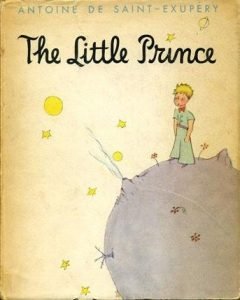
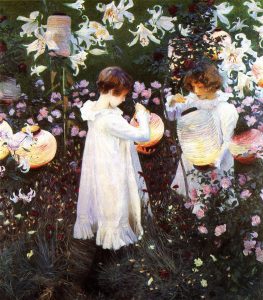
From the pre-historic art to the Ottonian, Viking, Anglo-Saxon and Celtic art, covering eras and some more eras to reach the Italian renaissance, the Baroque and the Neoclassicism, Romanticism and Impressionism, taking a leap, leisurely, one day at a time, to reach the “Graffiti” modern times, we have successfully lived so many lives.
I say successfully because the story is still in circulation.
*
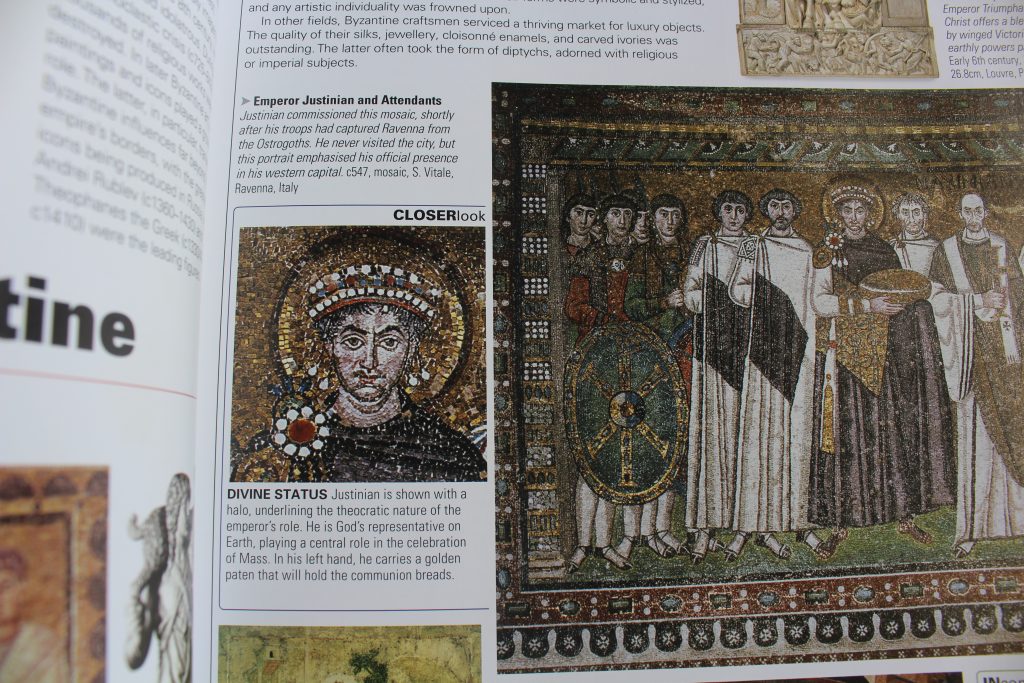
Emperor Justinian and Attendants
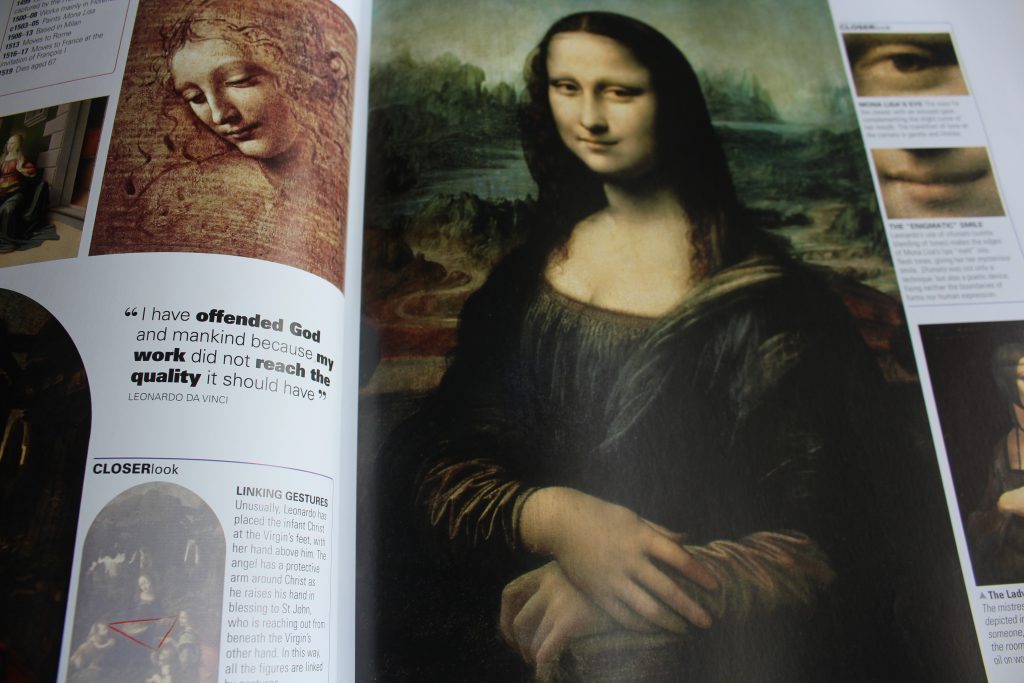
Mona Lisa
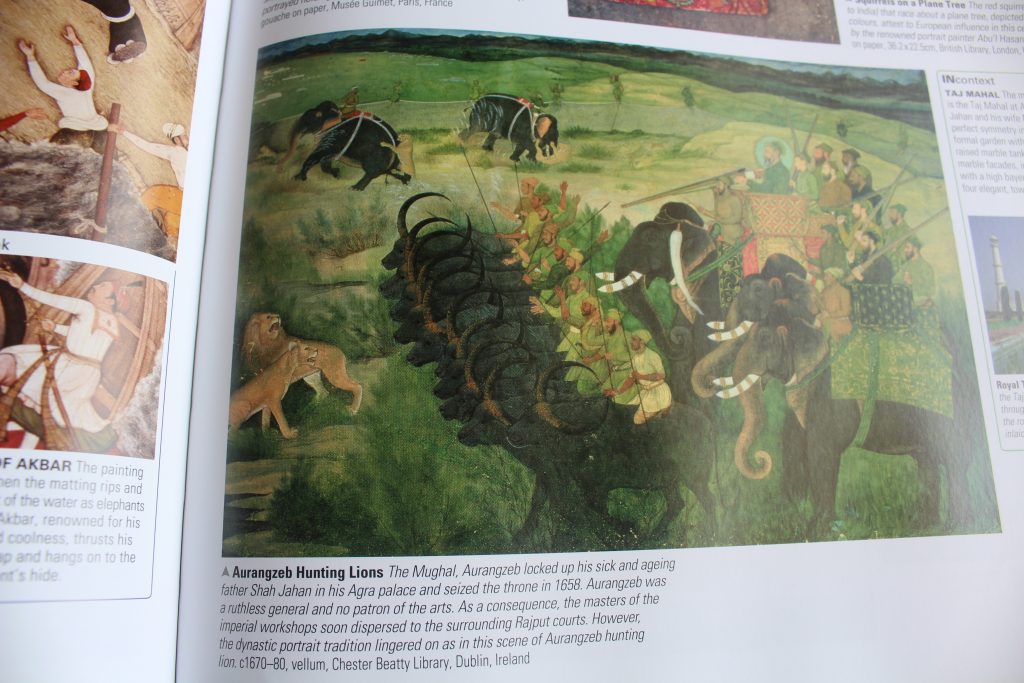
Aurangzeb Hunting Lions
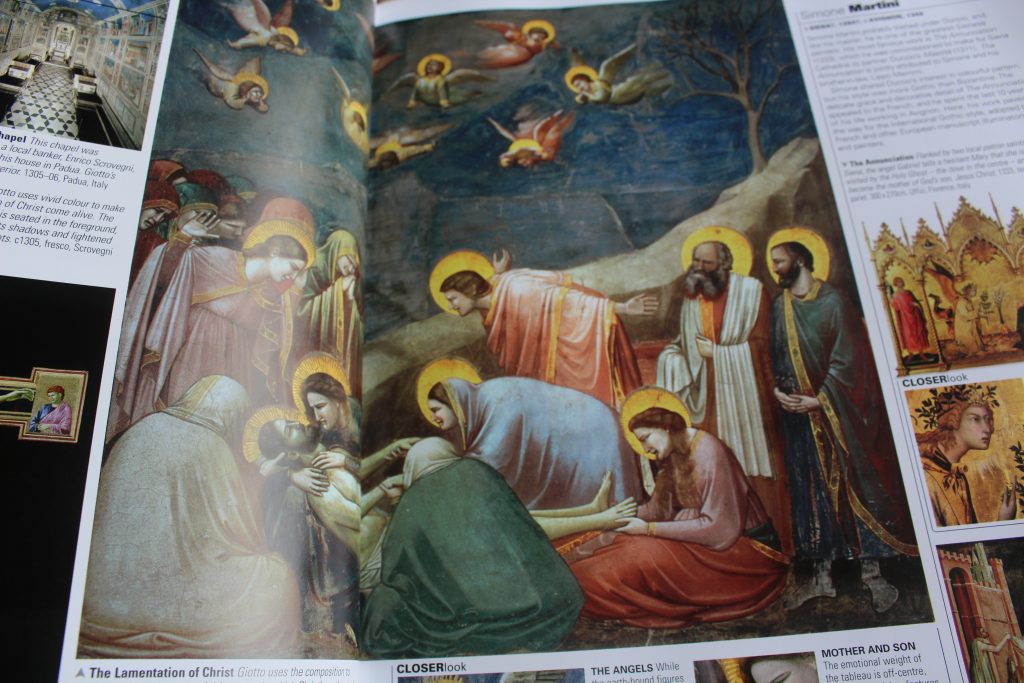
The Lamentation of Christ
*
Brushstrokes, texture and colour freeze a moment so beautifully that we often forget to read. Every painting speaks of its era and teaches sincerely. Without feeling ashamed it presents both the charming and the grotesque.
Leafing through the book of art frequently, I believe, is necessary.
For at all times it will be there, telling you about the truth and the fact, the mystery and the mystical, the mundane and the historical, the forgotten and forgiving tradition, the sinner and the redeemer, mirroring every mind and thought.
Yes, the intensity with which it glares overwhelms the hassled mind. Studying art is difficult, it asks for patience and openness, but for this very reason, we should revisit the art world, for these are values which always come handy.
Phenomenal, simple, even funny, a painting adjusts to our understanding of it. How empowering!
As I continue collecting stories, I will look into the art story again. What about you?
INTERIOR – MAIDS ROOM, CHAPMAN HOUSE – MORNING Lyn (thin,30+) and Sally (chubby,30+) are drying wet hair of a golden terrier with a hairdryer. The terrier does not like it.
LYN (ANXIOUSLY) Looks like Bowie or not? SALLY Looks golden, Bowie was golden. I am telling you Mrs. Chapman won’t even notice…. LYN (INTERRUPTS) Shut up Sally! We have lost her dog, her Baby Bowie and that too on his birthday. SALLY (AMUSINGLY) Hah! Old Mrs. Chapman will go nuts again if she…. LYN Shut up will you! Thanks to Carlos, he brought this dog. SALLY (IRRITATINGLY) Yeah, yeah! All we had to do was colour his hair with my hair colour.
Carlos (Fat,40+), Mrs Chapman’s Chauffeur, comes in their room at this point.
CARLOS (GRINNING) (LOOKS AT THE DOG) Bloody hell! She looks like Bowie now. LYN AND SALLY She? CARLOS Yeah! She’s my neighbour’s… they call her Emily or Mily, something like that.
LYN Listen Carlos, try to find Bowie, he couldn’t have gone far… we can’t hide this from Mrs. Chapman for too long.
CUT TO:
INTERIOR – THE LOBBY, CHAPMAN HOUSE – MORNING Mrs. Chapman (70+, white hair, elegantly dressed) is holding and caressing the dog.
MRS. CHAPMAN Why is his hair still wet? And he smells awful. What soap did you use? LYN AND SALLY Mrs. Chapman…. MRS. CHAPMAN (HANDING THE DOG BACK TO LYN) Give him a bath again, and hurry up, the party will start soon. (TO THE DOG) Baby Bowie would not like to smell bad on his birthday, right? Right Bowie? (TO LYN AND SALLY) Don’t forget the white bow!
CUT TO:
EXTERIOR – LAWN, CHAPMAN HOUSE – DAY The lawn is beautifully decorated, the theme is golden and white, tables are set and the giant white cake looks too good to eat. Other servants are seen running here and there.
After half an hour, the guests start arriving and Mrs. Chapman, holding the duplicate Bowie in her arms like a baby, greet them one by one. Her high-class friends have brought bouquets and gifts for Baby Bowie. The golden-haired dog with a white bow complements the party’s theme.
CUT TO:
Everyone is standing around the table, singing; it is time for the birthday dog to cut the cake. Mrs. Chapman is holding the dog who is irritated and is trying to free itself.
MRS. CHAPMAN Aw! Baby Bowie is too excited for the birthday song to end.
People in the party laugh in chorus. Mrs. Chapman tries her best to hold the dog in her arms.
MRS. CHAPMAN (MAINTAINING THE SMILE) (CONT’D) Baby Bowie, manners please! You are 3 years old now. Big boy!
Everyone laughs again. The dog whines.
MRS. CHAPMAN (CONT’D) I think Baby Bowie wants all of us to enjoy the cake as soon…. (THE DOG JUMPS) B-O-W-I-E! Ah!
The dog lands straight on the delicious white cake and then runs across the table, spoiling everything, jumps down and runs away. Mrs. Chapman is in a shock; almost all the guests first burst into laughter and then suddenly suppress it and copy Mrs. Chapman’s expressions.
CUT TO:
EXTERIOR – LAWN, CHAPMAN HOUSE – DAY The party is over, most of the guests have left, two ladies have stayed back to console Mrs. Chapman who is drunk and looks extremely depressed.
MRS CHAPMAN (SITTING ON THE DESERTED GRAND TABLE) How could Bowie do this to me? Why?
Mrs. Chapman’s friends look at each other, they don’t know what to say.
MRS. CHAPMAN Why Bowie? How could you leave me too? (TALKING TO HERSELF IN WHISPERS) How…? Leave me… for a waitress?
At this point Lyn and Sally approaches Mrs. Chapman to tell her the truth, as Carlos has brought the real Bowie back.
LYN Mrs. Chapman, we found Baby Bowie… Carlos found him… we wanted to tell you… before the party… but…. MRS. CHAPMAN (DRUNK) Bowie!
Looks at the dog in Sally’s arms and then takes him. She makes him sit on the table and starts caressing him.
CUT TO CLOSE UP:
Standing to a side, Carlos whispers to Lyn and Sally –
CARLOS Did you tell her? LYN She is drunk…. SALLY (LAUGHINGLY) Good for us! LYN Shut up Sally! CARLOS Where is my neighbour’s dog? LYN She ran away… Oh! We completely forgot. CARLOS What?
While the three of them are talking to each other, Bowie starts barking. They then see that the other Bowie (Emily) has come back and both the dogs are barking at each other.
CUT TO:
Coming out of depression, Mrs. Chapman now looks irritated.
MRS. CHAPMAN (SHOUTS) Shut up Bowie!
CUT TO:
Bowie runs to and fro on the table and barks at Emily who keeps running around, barking back at Bowie. Mrs. Chapman again shouts at Bowie on top of her voice; Carlos runs after Emily.
CARLOS (NOT TOO LOUDLY) Emily! Mily! Emily!
Both the dogs are barking angrily at each other. Sally can’t control her laughter.
LYN (ANGRILY) What is wrong with you? SALLY (LAUGHINGLY) Don’t you get it? Mrs. Chapman’s first name is Emily. And old Mr. Chapman’s nick name was…. LYN Bowie!
Carlos repeatedly calls out the name ‘Emily’ and finally gets hold of her. Both the dogs are still barking at each other. Mrs. Chapman loses her senses and starts shouting loudly.
MRS. CHAPMAN Shut up! Stupid dog! Shut up! Damn with your birthday party and damn with you all. Bowie, are you happy now? Happy! You have spoiled everything once again.
CUT TO:
LYN Oh! I think we should call Dr. Mathew.
As Lyn rushes inside to call the doctor.
SALLY (AMUSINGLY) Hey! I didn’t wish Bowie.
Mrs. Chapman’s two friends, totally confused, finally leave.
Carlos takes Emily away and Sally runs to protect Bowie from Mrs. Chapman who, in her rage, is now attacking him with the cutlery.
FADE OUT
Bowie, how was your birthday celebration? Image from Pixabay.
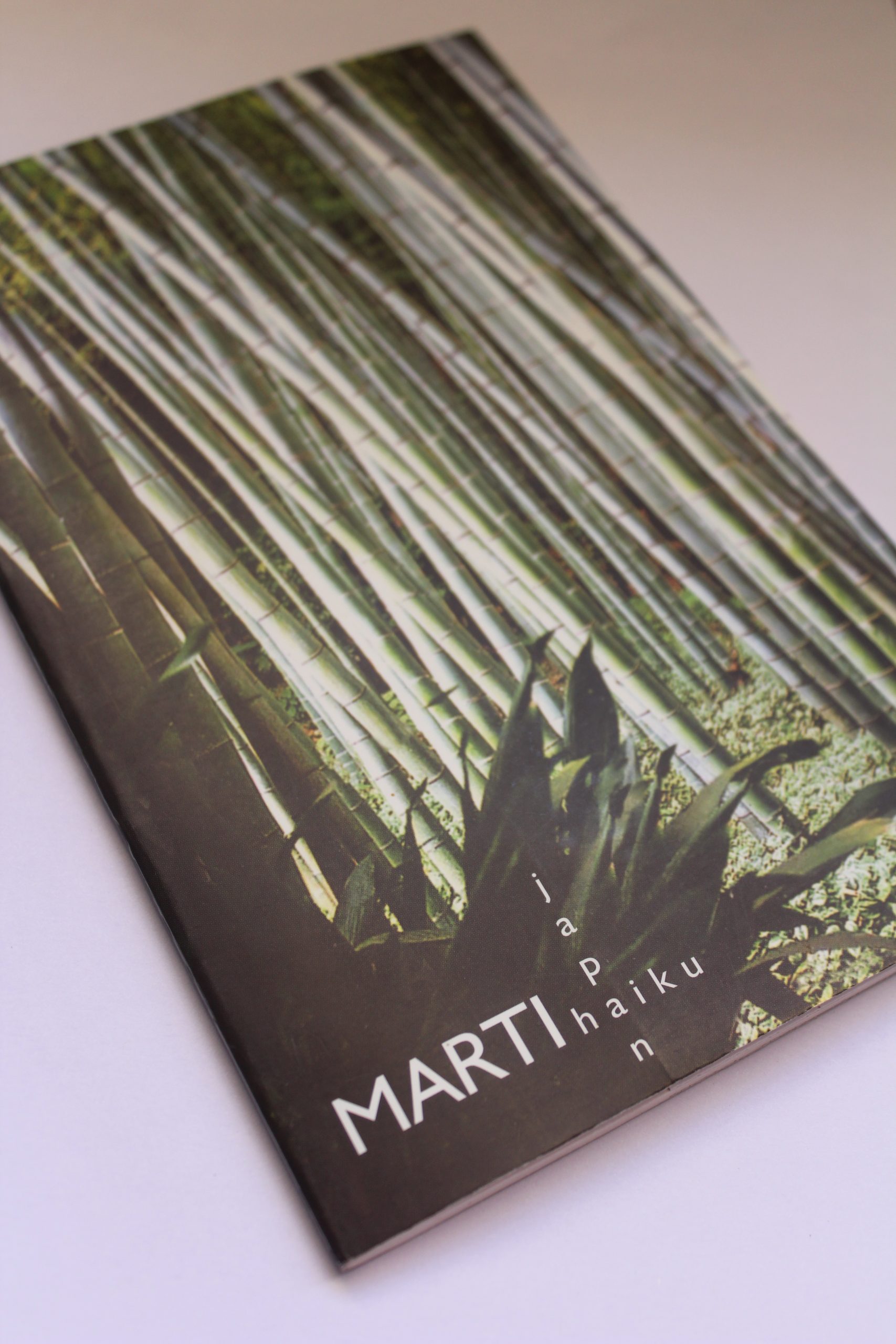
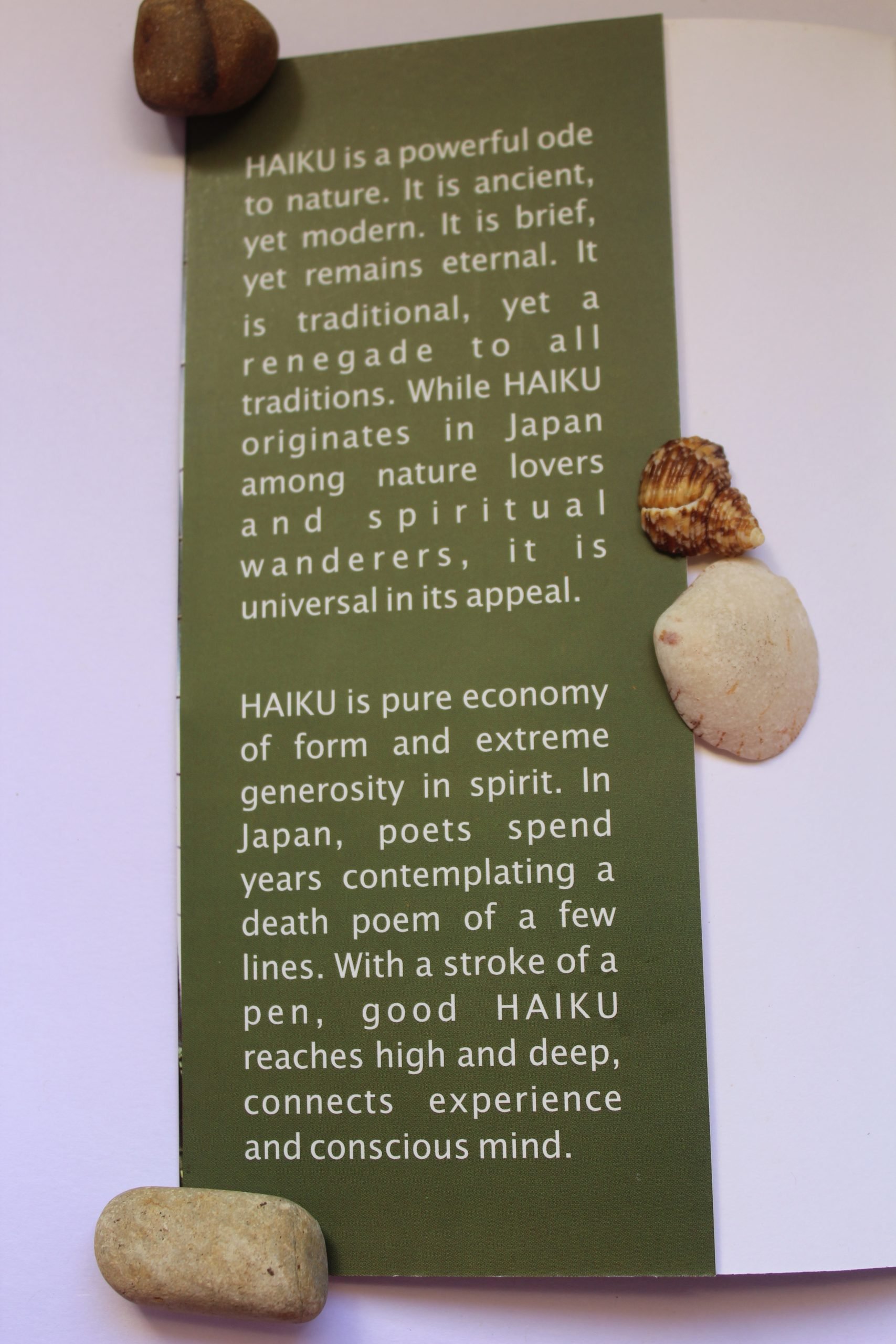
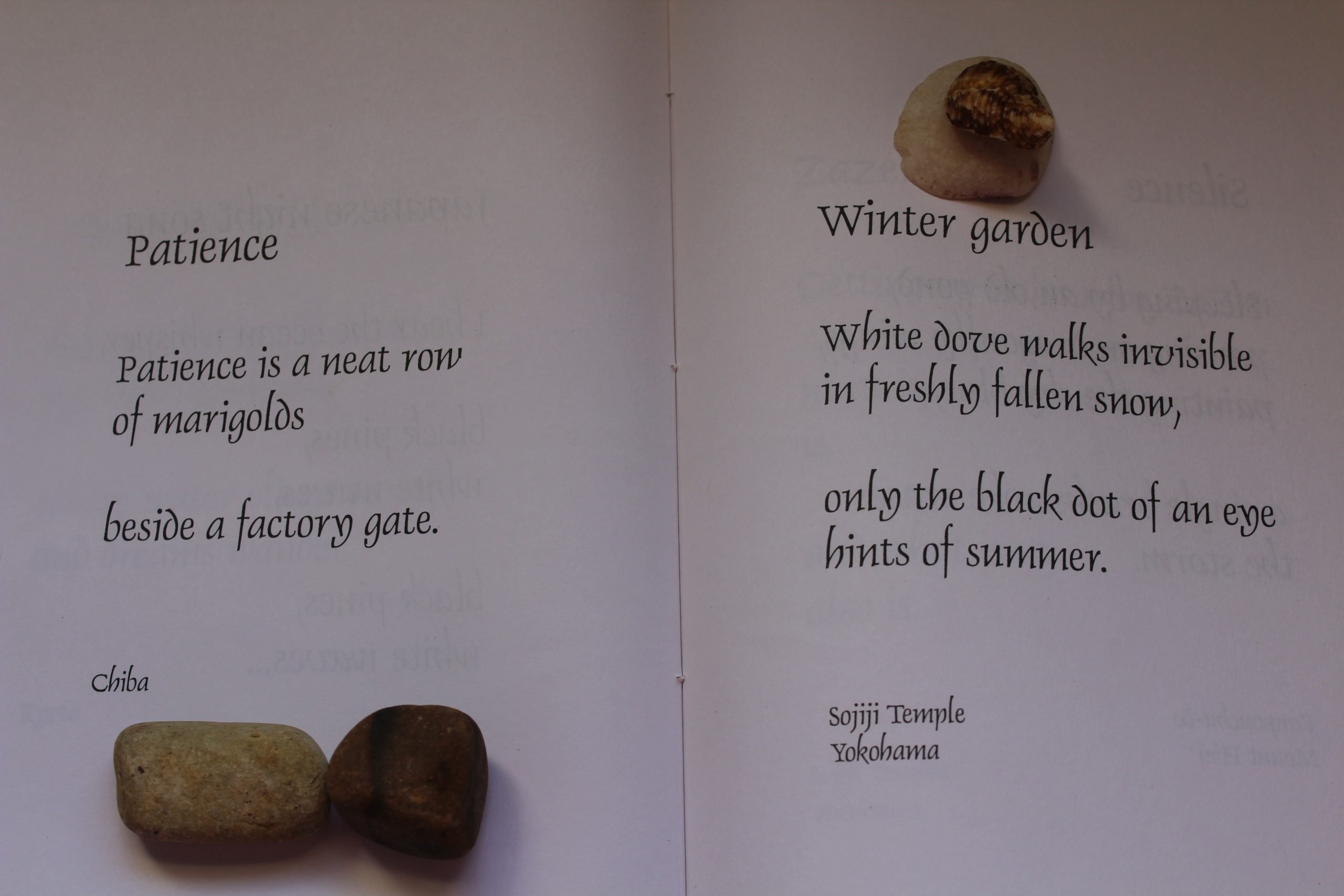
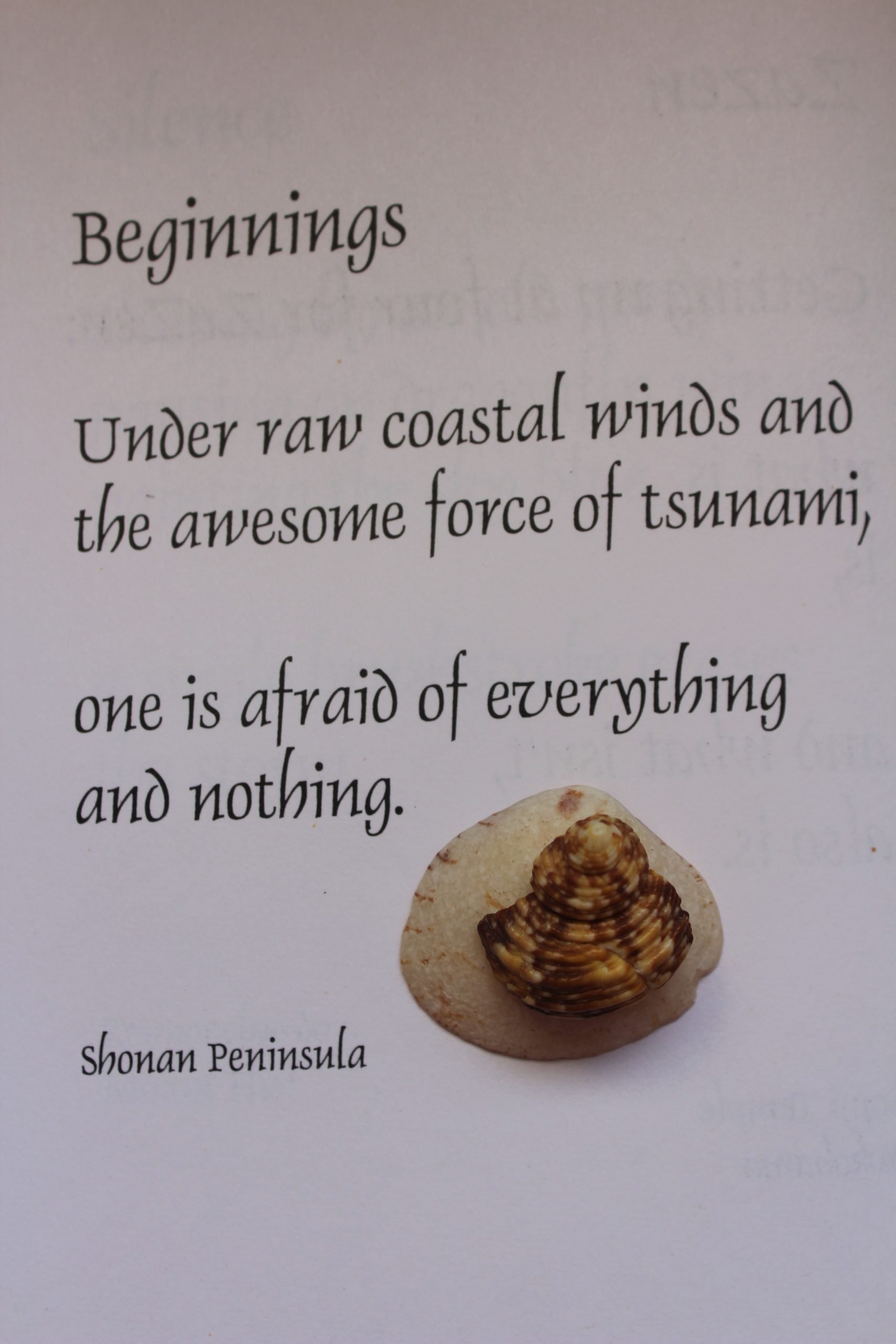
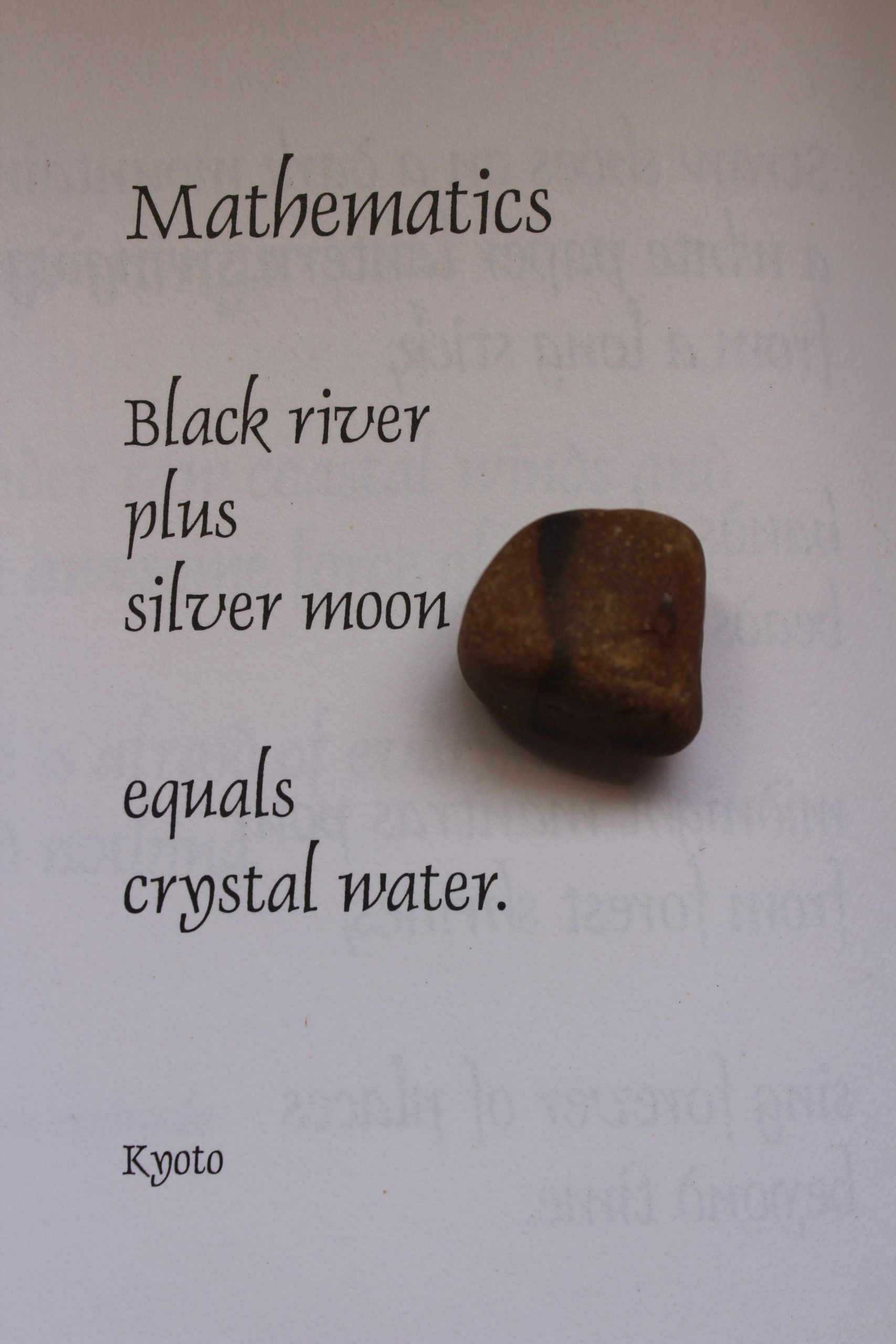
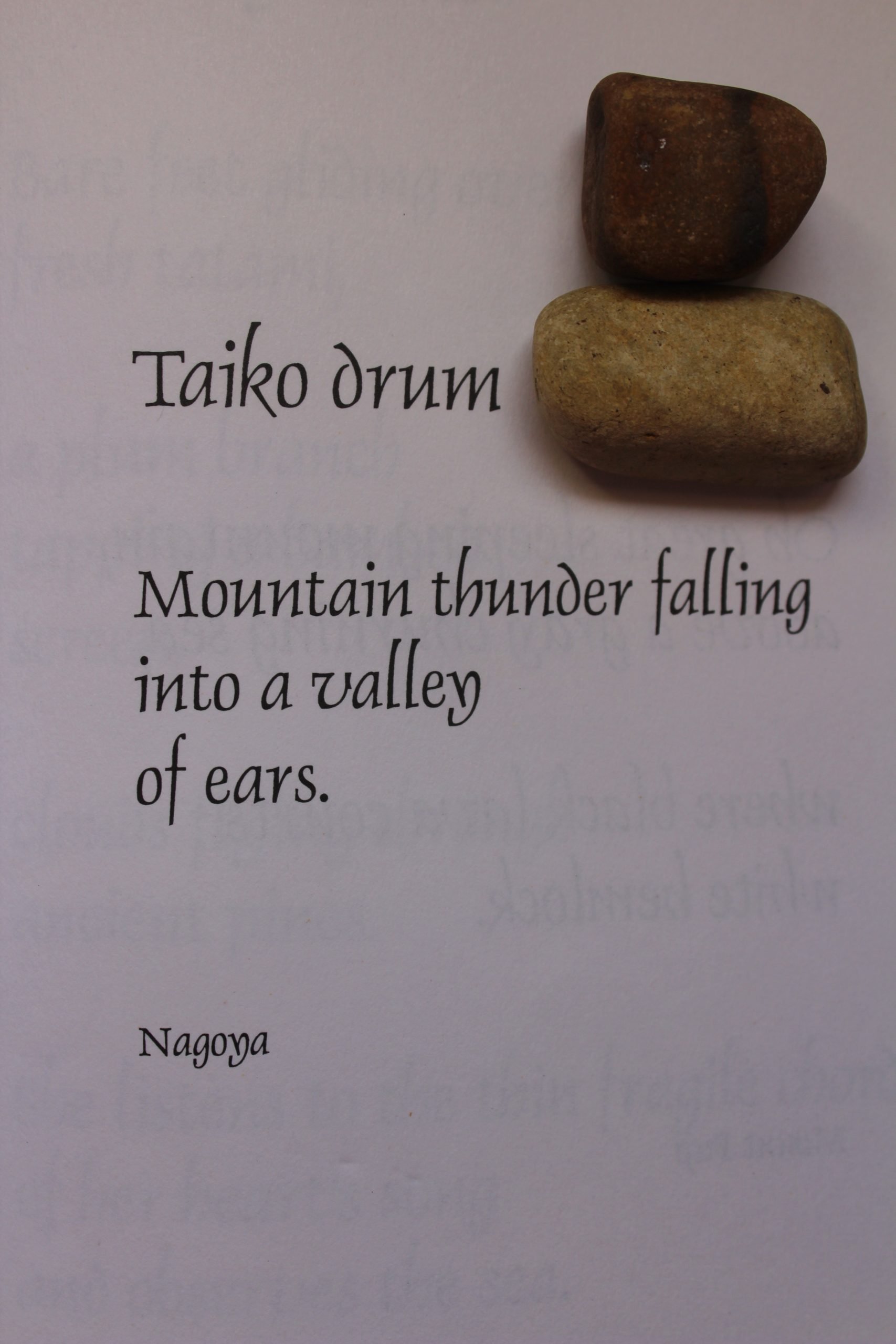
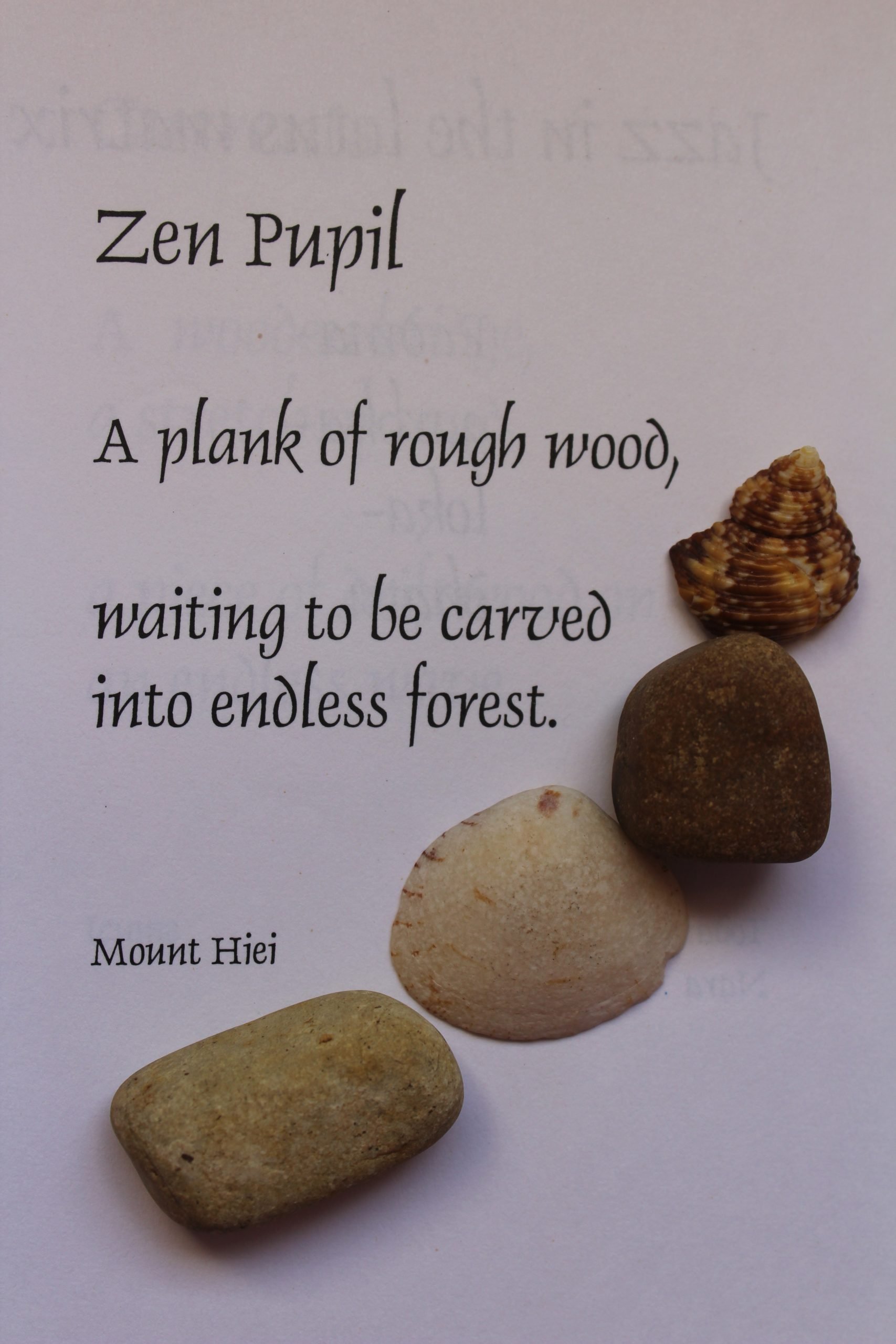
This light and bright book, ‘Japan Haiku by Marti’, is a library to me that has a collection of thoughts, wise words of a wise heart.
Japan Haiku by Marti, an exquisite journey through a Japanese landscape rich in beauty, irony, simplicity and humour. [Photos by Jagriti Rumi]
Haiku, a form of Japanese poetry that is dated back to the 17th century, is a fruit that a poet bears in her mind. It tastes subtly sweet and brazenly true. (Truth tastes different to all people, what does truth taste like to you?)
Carrying oceans and mountains and all the seasons within, it takes me on a journey every time I visit it.
Shying away from nothing, neither life nor death, haikus sing about nature and dance in the present. They capture it fully, through the lives of those who craft it, the haikus capture the moment fully.
No less than an explorer or a monk who practices meditation, the haiku poets in ancient Japan travelled to witness the peaceful, dramatic, kind, unforgiving nature. They did not hurry and that is why could understand it all.
Fetching cold water from a deep quiet well, with wit and brevity, the haikus quench our thirsts in this manner.
I finished reading this delightful book (part of my Auroville collection) sometime back, but I knew the journey has not ended yet.
Earlier I had taken a haiku turn to meet Matsuo Basho, the master haiku poet, and today I found a hidden haiku trail that took me to visit Rabindranath Tagore, the Bengali polymath.
“They reveal the control over the human emotions. However, they are never short on aesthetic sensibility. Their sense of aesthetics is marked by deep appreciation yet there is a mastery over expression.” – In Letters from Japan, published later as JapanJatri, Tagore recorded his views on haikus and his experiences of visiting Japan.
Interested in reading Japanese literature, knowing their culture and art history, Tagore in 1915 wrote to Kimura Nikki, who had studied Bengali under him at Calcutta University, “I want to know Japan in the outward manifestation of its modern life and in the spirit of its traditional past. I also want to follow up on the traces of ancient India in your civilization and have some idea of your literature if possible.”
Knockings at My Heart is a collection of short poems by Tagore (discovered only recently and published in 2016) that highlights the impact of haikus on him.
Excerpts –
Let my life accept the risk of its
Sails and not merely the security
Of its anchor.
*
The pomegranate bud hidden behind her veil
Will burst into passionate flower
When I am away.
*
The mist tries
To capture the morning
In a foolish persistence.
The simplistic approach, depth of thought and brisk climactic acuity make this poetry form of the past very much of the present as well as of the future, for the passionate are always searching.
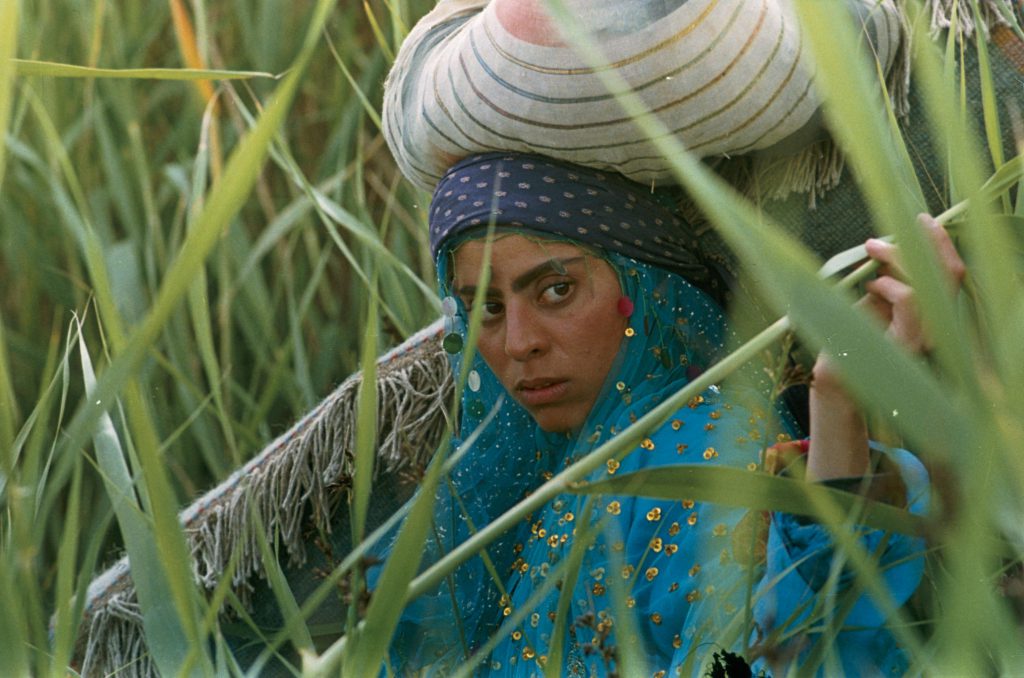
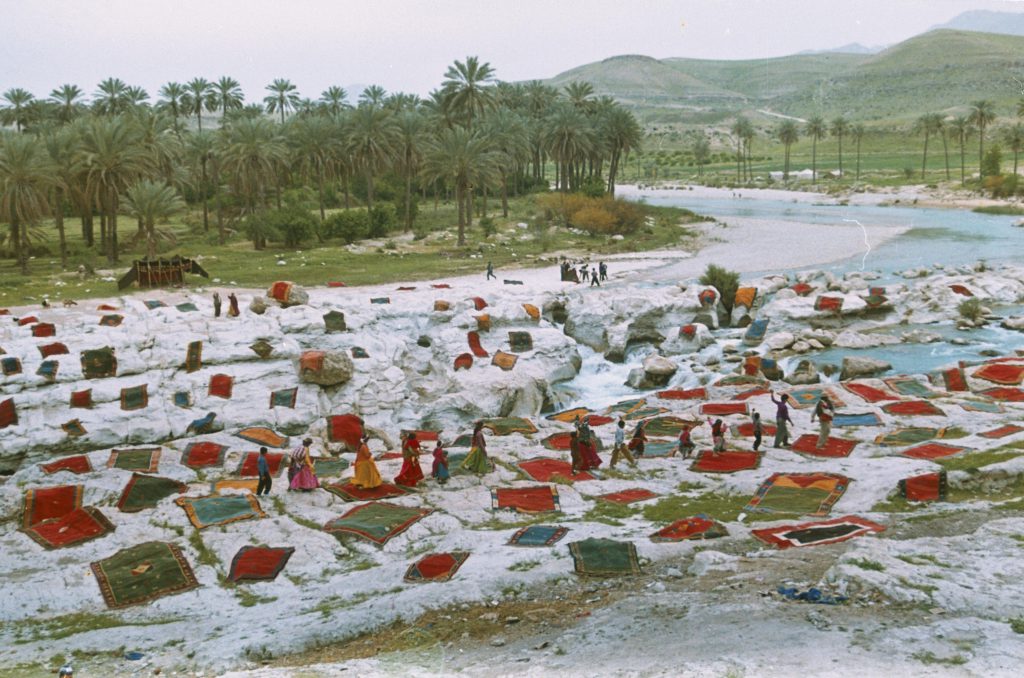
Gabbeh. [Source – mk2films]Readying the carpets. [Source – mk2films]
Let the colours dry, and you,
Who has been waiting, yes you,
Gabbeh, smile, for I will come
Riding my horse, I will come,
To steal the decorated rug
With you inside,
At last, I will make you mine.
*
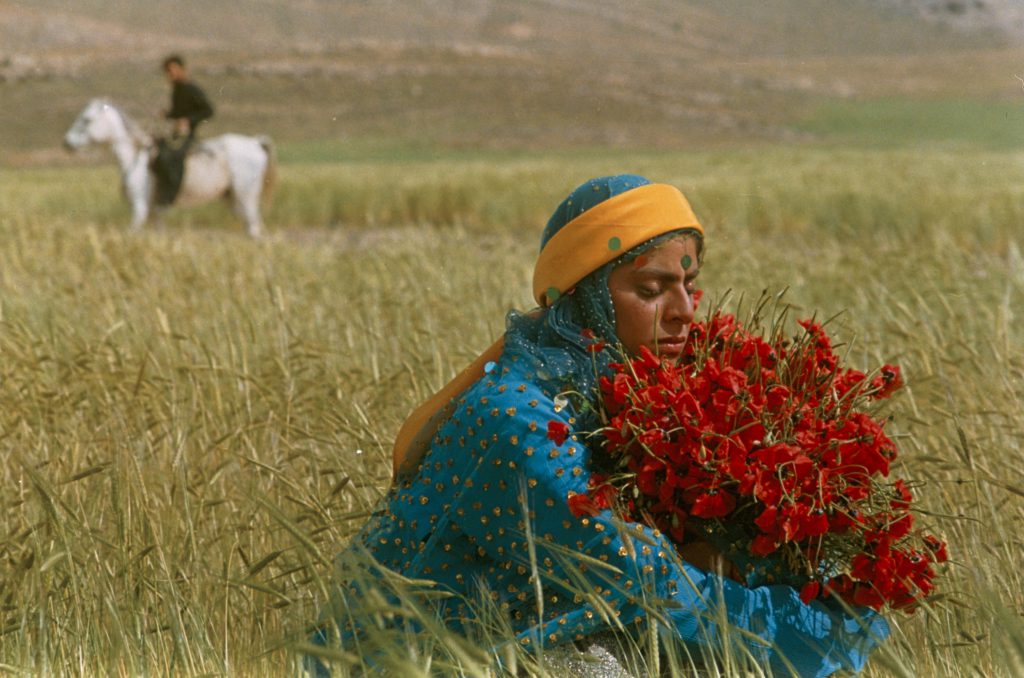
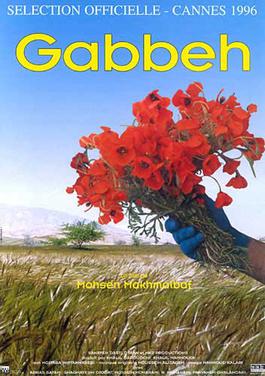
Gabbeh, the 1996 film, is a simple tale of a gipsy girl, her clan and the way their life goes on.
Unfolding beautifully just like an artist painting a canvas, Gabbeh quietly touches the grand questions.
What is the purpose of existence, what is this feeling of love, what makes colours so harmonious, so arresting?
The complexities, the insatiable desires, the mind games, what helps and what hinders, how do we know?
What is to be said, heard and done before death?
The film weaves a beautiful pattern of such thoughts, but subtly, charmingly that one gets truly absorbed in the flow of the story and does not feel staggered or burdened at all.
The story is exceptionally close to reality even though the style of its narration is truly poetic. It is simple and complex, romantic and mystifying, colourful and rough, complete and incomplete.
Presenting life from a woman’s point of view, talking about the role of a woman in a family, sharing her aspirations and wishes with us, the entire story thus, inherently is full of warmth, colour and calmness, making the love palpable for the viewer.
The best way to describe Gabbeh would be to call it a dream. It is a folk tale, a myth and yet an unembellished raw saga; hazy, vibrant, unreal and real at the same time.
Gabbeh is an experience, a dream that you must see one day.
Written and Directed by – Mohsen Makhmalbaf, Gabbeh – Shaghayeh Djodat, Music by – Hossein Alizadeh, Cinematography – Mahmoud Kalari, Edited by – Mohsen Makhmalbaf, Language – Persian.
Jonathan Livingston Seagull and his students. Image from Pixabay.
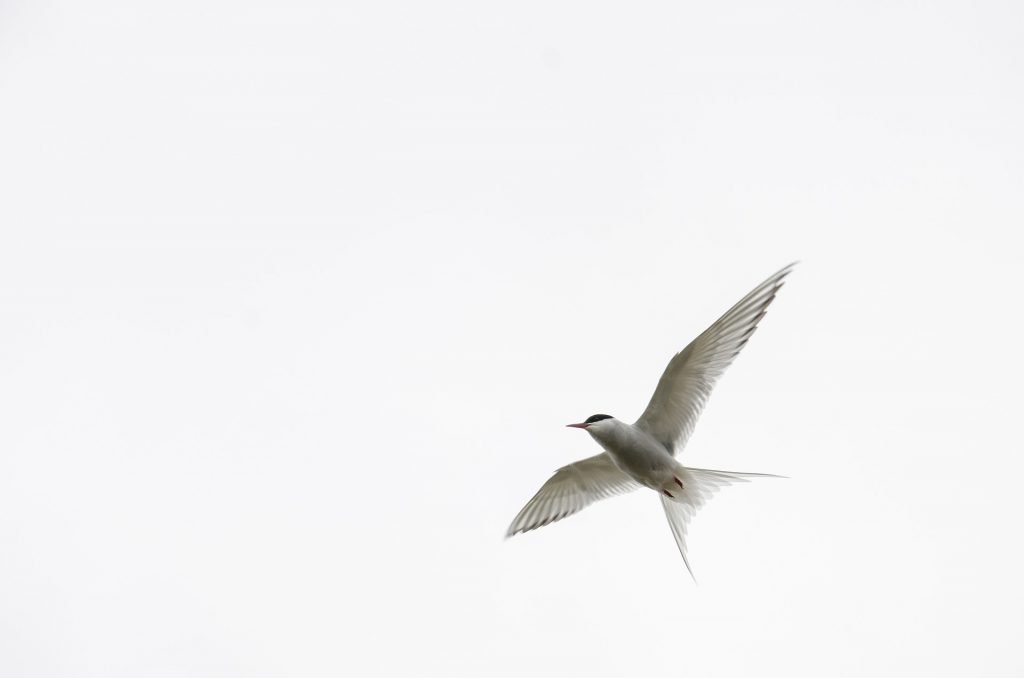
Jonathan Livingston Seagull wanted to master the art of flying. Soaring up in the sky, above the white ocean of clouds, he felt truly free.
Though very unlikely of a seagull, Jonathan flew high ever so high, he practised and failed umpteenth times, but he never gave up.
An outcast, he lived alone and happily spent his time in his quest to achieve perfection.
On reaching a higher level of existence, he meets gulls like him who wanted to enhance their flying skills. It was not heaven for everyone there were learners.
Chiang, the guru of them all, teaches Jonathan how to let go of the concept of time and space so as to travel freely in the Universe.
“Begin by knowing that you have already arrived”, said Chiang.
Wondering if someone else, one who dares to question and take risks, needs guidance on Earth, he returns.
“Devil” for some and “angel” for others, Jonathan teaches a few eager ones. Practising, failing, practising again, Jonathan’s students rise above the Flock, the mundane.
Jonathan Livingston Seagull then continues his journey to guide other gulls who must have been waiting for him somewhere else in the Universe.
Richard Bach’s fable is soothingly clear, and thus, appears too simplistic to many. Just like flying looks simple only until we give it a try.
He equates perfection with freedom, emphasising on practising and a thirst for knowledge as the golden path to it; a path where you walk ahead passionately and not cumbersomely.
Every little bud in nature rises high, soaking in sun rays, moving towards it. Rising high, shedding the old self, stepping forward to explore the unknown, dwindling before making a firm stand is what life’s journey is all about.
Jonathan Livingston Seagull, “a one-in-a-million bird”, if appears to be too perfect and his ideas if sound too far-fetching then you should look at your on-going journey and answer these questions – what are you looking for in life – perfection in some form or maybe a balance?
And what is balance if not a proportion of perfect this and perfect that?
Even better, you should meet Shelley’s Skylark.
Hail to thee, blithe Spirit!
Bird thou never wert,
That from Heaven, or near it,
Pourest thy full heart
In profuse strains of unpremeditated art.
*
Higher still and higher
From the earth thou springest
Like a cloud of fire;
The blue deep thou wingest,
And singing still dost soar, and soaring ever singest.
‘Blithe Spirit’ calls Percy Bysshe Shelley a Skylark that is soaring up in the sky (or Heaven, or near it), singing beautifully and gloriously that to him it is nothing but unprecedented ‘unpremeditated art’.
The Skylark, invisible to his eyes, has such power in its voice that the poet likens it to ‘a cloud of fire’.
Shelley beseeches the Skylark to teach him what it knows; a divine secret it must be for nothing on earth could outshine it. Joy so true, Shelley calls it ‘a star of Heaven’.
Nature’s bounty, the golden glow worms, the rainbows, the playful wind, a young maiden’s love and a poet’s grand verses, Shelley says the Skylark’s song, that flows in a ‘crystal stream’, is above them all.
What thou art we know not;
What is most like thee?
From rainbow clouds there flow not
Drops so bright to see
As from thy presence showers a rain of melody.
*
Like a Poet hidden
In the light of thought,
Singing hymns unbidden,
Till the world is wrought
To sympathy with hopes and fears it heeded not:
*
Like a high-born maiden
In a palace-tower,
Soothing her love-laden
Soul in secret hour
With music sweet as love, which overflows her bower:
*
Like a glow-worm golden
In a dell of dew,
Scattering unbeholden
Its aëreal hue
Among the flowers and grass, which screen it from the view:
*
Like a rose embower’d
In its own green leaves,
By warm winds deflower’d,
Till the scent it gives
Makes faint with too much sweet those heavy-winged thieves:
*
Sound of vernal showers
On the twinkling grass,
Rain-awaken’d flowers,
All that ever was
Joyous, and clear, and fresh, thy music doth surpass.
The Skylark, above these mortal dilemmas, sings with pure love and delight. And in contrast we, humans, are locked in the past or the future.
We look before and after,
And pine for what is not:
Our sincerest laughter
With some pain is fraught;
Our sweetest songs are those that tell of saddest thought.
Shelley urges the Skylark to teach him just half of what it knows, this ‘harmonious madness’ so that he could capture it within and share it with the world.
The Skylark if not a gleaming reflection of perfection, then what is it? If its song is not a song of freedom, then why is the melody ‘a flood of rapture so divine’?
It must be that just like Jonathan Livingston Seagull, the Skylark returned to Earth, to guide and share its knowledge, to remind the poet that ‘freedom is the very nature of his being’.
Unlike a miracle, both took time to convey what little they knew of the truth. The Seagull stays to make his students practice and the Skylark sings till the chosen one – the poet in this case – hears its joyous voice.
Showing what doors can perseverance open and how patience leads to strength, the Seagull and the Skylark leave it up to the individual to unfold the story further.
Birth and death are timed then and a fully lived life, with all its imperfections, aims for a balance, for perfection that guides it to fly high and well.
“Hurry up girl, there is a lot to do”, said Mama and Sue Anna smiled for she was dreamy. And she had a good reason to feel so, she was making Ganpati Bappa’s idol with shaadu mitti (a type of clay).
In Ganesh Chaturthi, a ten-day-long festival in which colours rise in glory and fragrant flowers dance, sweet songs are sung and delicious sweets are distributed, all the Sue Annas in the world become brighter blessed beings.
Yes, there are many Sue Annas, the ones who are a bit more kind, the ones who love to find creepers ruling their garden and butterflies sharing their stardom, the ones who are cheerful when it is cloudy, the ones who dance in the rain loudly… you got it now, right?
But then they are a bit forgetful too, daily chores trouble them and they easily catch the flu.
Stealthily the sickness resides and gives a victory shout, but ha-ha-ha, lovingly all the Sue Annas broom it out. After all, they are Lord Ganesha’s favourite.
“Where are the garlands? Oh! You’re still not done? Sue Anna…”, said Mama and Sue Anna smiled, looked at her and said, “Did you say something?”
Mama told her about the unfinished tasks and Sue Anna yawned, stretched and added lazily, “first let Ganpati Bappa come to our home, he is only half-ready… see for yourself.”
And she gestured Mama to look at the idol. “The clay is so soft… this colour is so rich, right Mama”, and without waiting for a reply Sue Anna got busy once again.
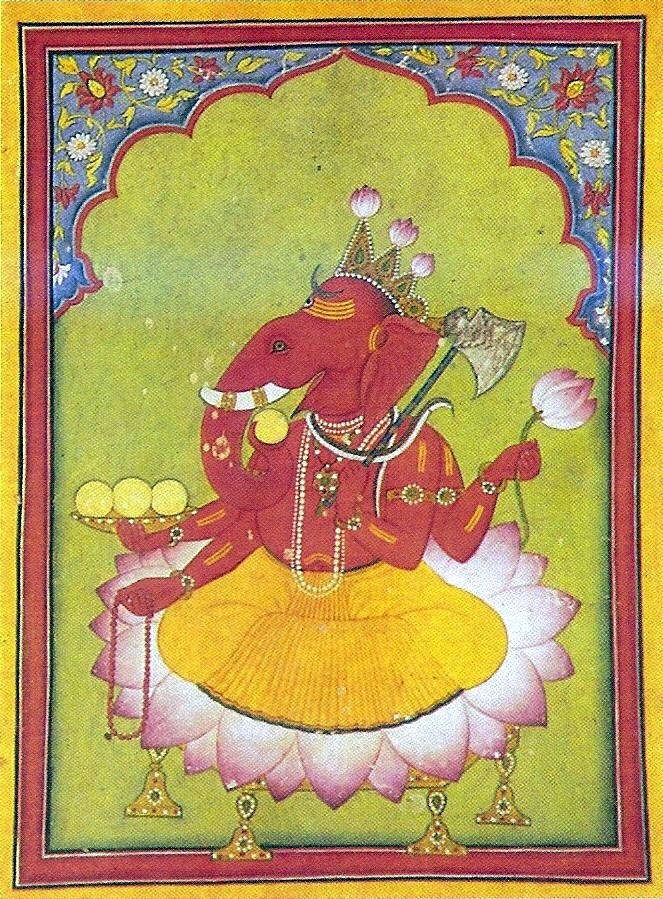
“My Lord Ganesha… little elephant head and beautiful big eyes… a modak (a sweet) in hand and sitting elegantly on a grand asan (seat)…“
Mumbling these words for hours and hours, Sue Anna finally finished making the idol.
She then rushed away on hearing her Mama, Papa, maid and neighbour’s voice, all calling her at once for some work.
When she returned after tackling it all, to her surprise she saw that there is not one but two little Ganpati Bappas in front of her, both smiling sweetly with twinkling eyes.
Utterly amazed Sue Anna kept staring at the two idols, she then said, “Mama, Ganpati Bappa twinned up! Mama!” And Sue Anna ran to the kitchen beaming.
Ganpati Bappa is here to shower more blessings on you, don’t you remember your wish… I mean wishes… go and get your diary… hurry up girl, there is a lot to do!
Photographs, phot + graph which is Greek for “light + writing”, are marvellous means to capture moments almost forever – a print may fade, a digital file may vanish – that shares, and if seen keenly expresses, the truth.
The truth has as many versions as the fish in the ocean, each one equally powerful, waiting to reveal itself to the one awaiting.
This photograph was taken in 1984 by photojournalist Steve McCurry for the National Geographic magazine in a refugee camp for Afghani people in Pakistan, where he documented the ordeal of hundreds and thousands of them.
“Haunted eyes tell of an Afghan refugee’s fears”, these words, imprinted on the magazine cover, talk about her Present i.e. the war-torn Afghanistan of 1984-85, but her eyes are talking about an ancient saga which was and which still is unfolding.
It is the tale of a fierce innocent soul that struggles to survive, that dares to live.
Dorothea Lange who took the iconic photograph titled the Migrant Mother, Nipomo, California (1936) while she was documenting the lives of Americans and migrants during the Great Depression also captured something similar; the struggling life of a thirty-two-year-old migrant mother of seven, her tired yet firm gaze reflects perseverance.
Talking about her technique as a documentary photographer, Dorothea Lange said –
“My own (sic) approach is based upon three considerations – First: hands off! Whatever I photograph I do not tamper with or molest or arrange. Second: a sense of place. Whatever I photograph, I try to picture as a part of its surroundings, as having roots. Third: a sense of time. Whatever I photograph, I try to show as having its position in the past or in (sic) the future”.
Dorothea Lange
An idea/ a concept with which I cannot agree more for both these photographs are real, deeply rooted in their culture and have a position in the past and the future… amazingly the present has faded.
The image of the Afghan Girl has stayed with me for all these years and somehow I can relate to her.
I am afraid and at the same time curious when I see this image, afraid because her fierce glare raises so many questions that cannot be answered and curious because I (and we all are in fact) am a part of this ancient saga.
While documentary photography documents facts, it is interesting to see that the fact when it comes to every living being is more alive and beautiful than a tailored presentation; there is a hidden true story behind every image documented.
In 2002, the mystery behind the identity of the Afghan Girl was resolved as the National Geographic team found out who she was.
Sharbat Gula, photographed by Steve McCurry (2002).[Source – Public Delivery]
Sharbat Gula aka the Afghan Mona Lisa lived a difficult life like millions of refugees in the world and only in 2017 was given a home by the Afghanistan government.
Similar was the story of Dorothea Lange’s migrant mother, who later lived a much secure life.
The subplots run along with the main storyline.
A pure photograph picks one strand from the ocean that has the power to reveal what the unfathomable ocean hides within.
For me, the Afghan Girl and the Migrant Mother are two such photographs.
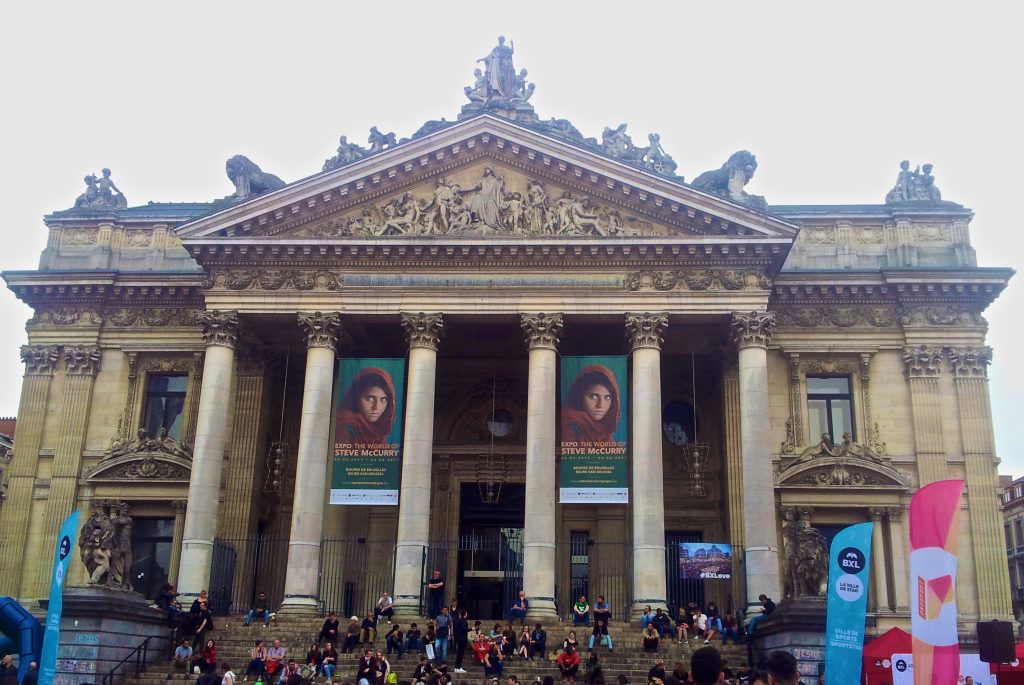
The World of Steve McCurry exposition in Palais de la Bourse/Beurspaleis of Brussels in May 2017. [Source – Wikipedia Commons]
[Recently I completed a photography course (MoMA – Seeing Through Photographs) online and learned more about this fantastic field. I had researched and written about the Afghan Girl for an assignment.]
Let us go back in time, a few centuries back, in the mid-17th century to be precise, to meet Matsuo Basho and embark on a journey to the interiors of Japan.
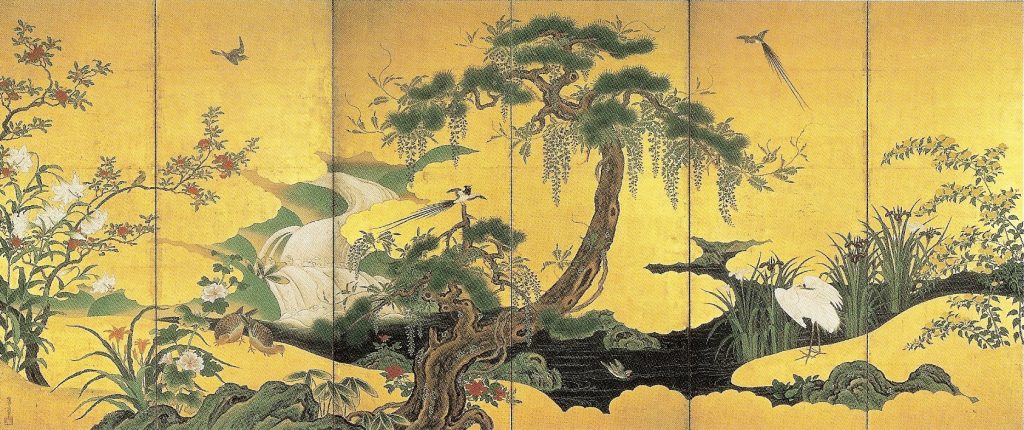
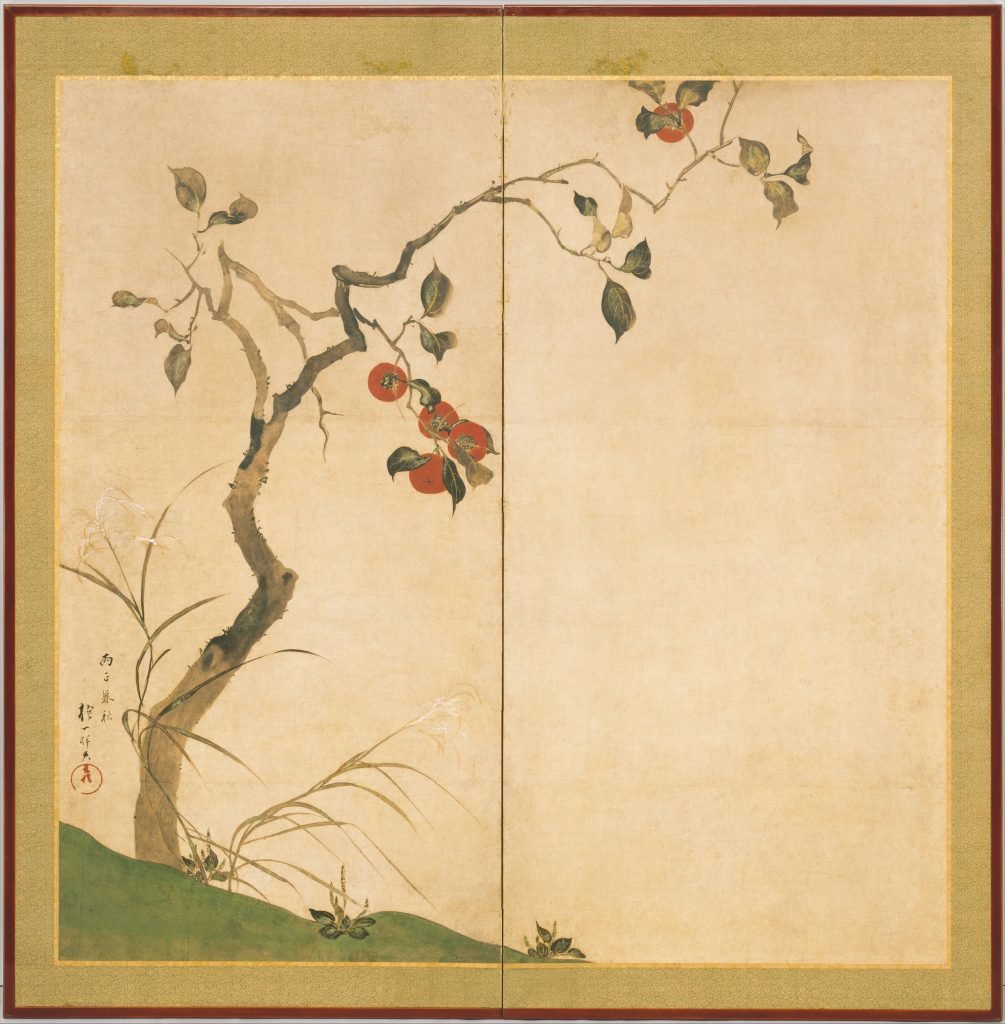
Folding screen with Birds and Flowers of Spring and Summer by Kano Eino, a 17th Century Edo Period Japanese painter. [Source – Wikipedia]
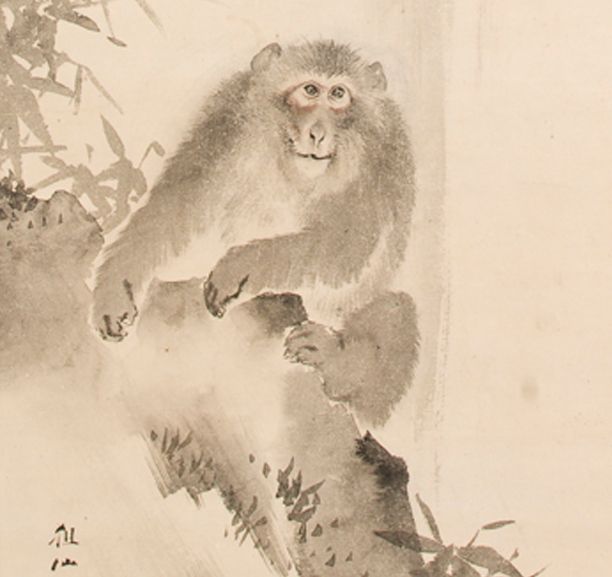
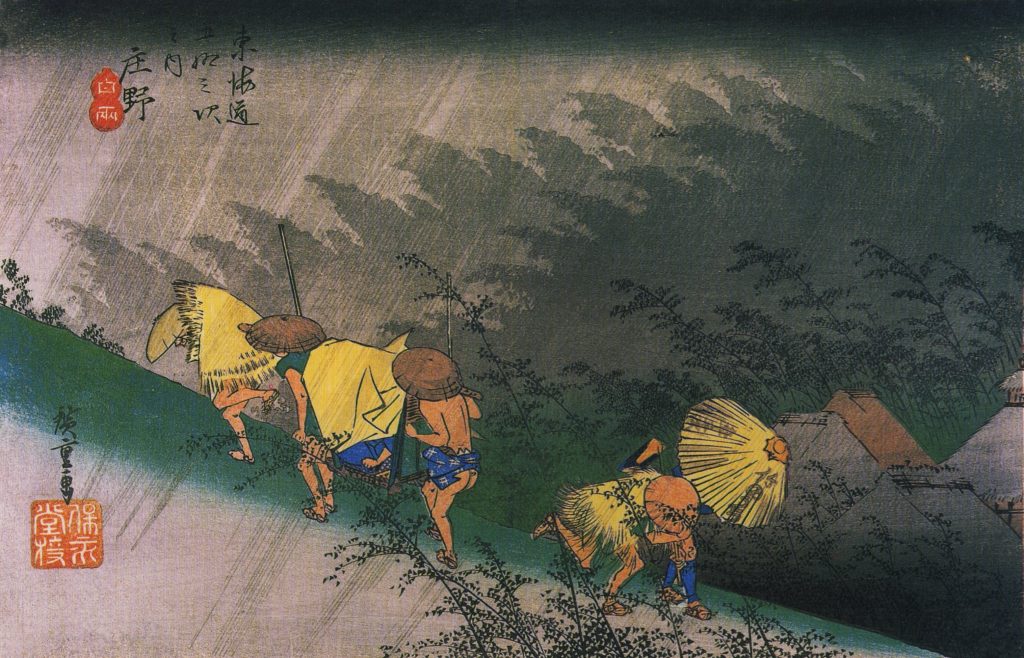
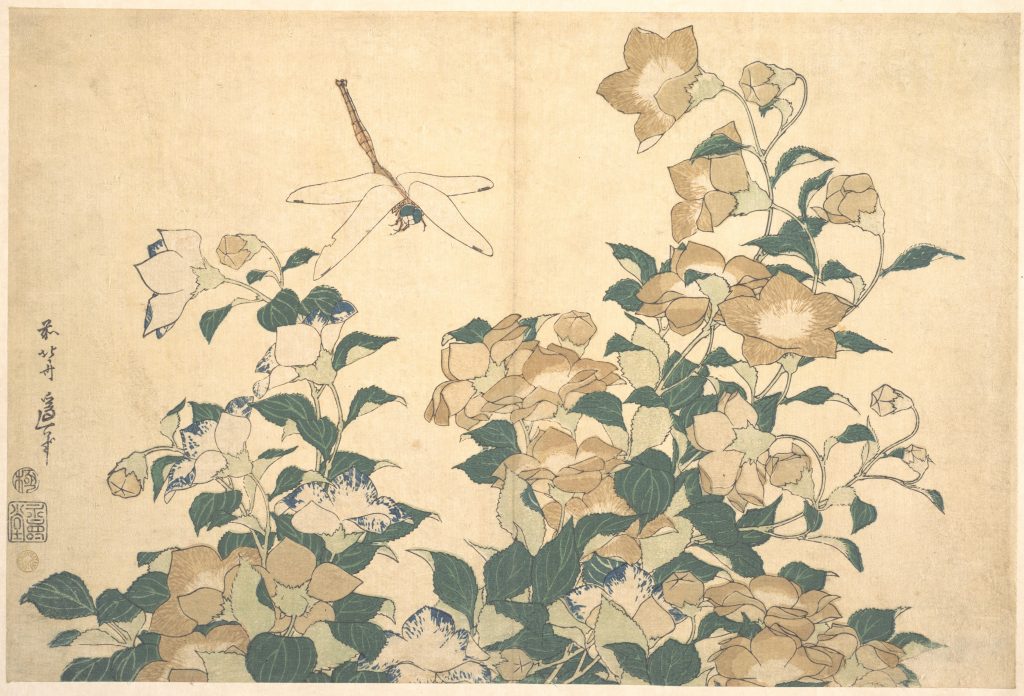
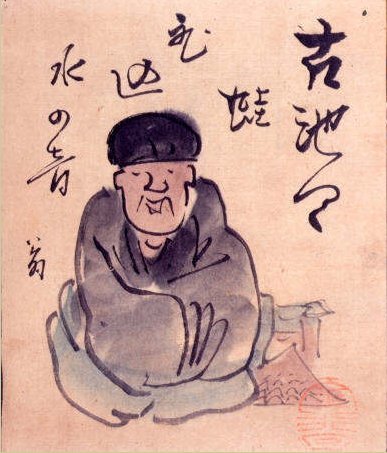
A fabulous poet, known for his Haikus, Basho wanders giving voice to nature, the moon, the earth, the seasons, the rain, the monkey, the dragonfly, the cicada, and everything that he observes.
He paints his dreams in the air; the flora breathes that air and blooms like a dream.
Let us go and learn this art from the master himself.
Falling sick on a journey
My dream goes wandering
Over a field of dried grass.
Basho has fallen sick, he is old now, this haiku is usually considered as his farewell poem, but our journey has just started, we need to travel back a few more years.
He is funny, oh, but let us keep going back in time for we need to learn the art of painting dreams in the air, remember. Stay focused!
The rough sea
Stretching out towards Sado
The Milky Way.
Sado is a city in Japan’s Sado Island and Basho travels there to witness the vast sea and the endless sky.
Look, at night the sea becomes a mirror for our galaxy.
Seasons come and go, each one is beautifully recorded in Japanese poetry; Kigo, the representation of and the reference to the seasons is still a part of Japanese culture and literature.
Different seasons, different Bashos –
First winter rain-
Even the monkey
Seems to want a raincoat.
Monkey and Waterfall by Mori Sosen, a Japanese Edo Period painter, 1747 – 1821), Honolulu Museum of Art. [Source – bing.com]
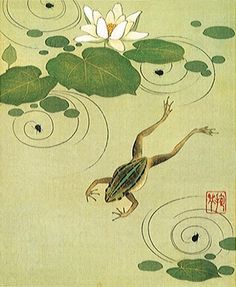
I heard it too, the splash of water, you all must have heard it as well, somewhere, sometime… here, right now the frog’s jump turned the clock back, ending the journey, bringing me to the present.
That ancient pond of time glimmered with stories abound and I was in one, the frog living its routine life made me surrender to the present moment and splash, I returned back.
Basho’s work, what a wonderful portal to the enchanted dream that can be perceived anytime, by anyone…
And you will never know, I will never show, what I feel, what I need from you, no.
The salmon coloured light is bright in me and still, you cannot see. This colour is all over the space and at night the salmon coloured moon shines to tell you the same, but still, you cannot hear.
Oh no, I am not upset, I am saying it out loud for I know the story now. I love this story now.
Raphael took his bow and arrow that day and went to the jungle to hunt, like any other day. Raphael you saw that hare and you readied yourself, you shot and missed it.
What happened, why did you smile then? Ah, the hare was of salmon colour too, right? You smiled and ran your fingers through your hair, I know.
And you will never know, I will never show, what I feel, what I need from you, no.
Stop shying away… you from me and me from you. Cannot you feel the salmon coloured road on which we are walking? Miles apart and years away, destined to meet along the way.
The journey began long back, neither I nor you remember when. But it is sweeter that way, for there is a mystery and scope for the unexpected.
Raphael when the heart breaks, it takes not a moment to bring it all to an end. Raphael the tears only wish for love.
Fighting in the battle when you took a step ahead, so did I, struggling against the mean voices and terrible lies. The salmon coloured sky reached out to both of us then, I know because I believe in the story.
And you will never know, I will never show, what I feel, what I need from you, no.
We will hold hands and dance and clap and sing together, painting the walls around in salmon colour.
I am not afraid of forever, are you? Tell me this and more when we meet.
*
Post inspired by Imany’s beautiful, soulful song “You will never know.”
I am joy running free/
freely flying, fluttering, soaring in a valley/
Of joy am running free.
Greetings!
A storyteller, following the ancient tradition of cave chroniclers, standing in vrikshasana (the tree pose) on a hill top (it is sunny, but windy), breathing in and out stories (relishing it all, but at times overwhelmed), declares animatedly that she will continue to – tell stories, share rare story gems, and connect with the pacy universe while also keeping the website ad-free.
Big thanks to my readers. Stay tuned!
Also, a humble request to the new subscribers to check the spam folder after subscribing. Silly (but necessary) confirmation emails often land there instead of the bright inboxes. Merci!
Ya-hoy!
Chiming Stories (formerly Home Chimes)
P.S – Supporting a storyteller is good for the world’s health (and undoubtedly, for the storyteller’s health as well). Shower some love by sharing, commenting and subscribing to the Weekly Newsletter.
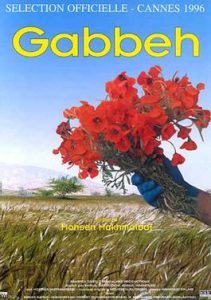
Gabbeh, the 1996 film, is a simple tale of a gipsy girl, her clan and the way their life goes on. Unfolding beautifully just like an artist painting a canvas, Gabbeh quietly touches the grand questions.
Ranked as one of the greatest British films of all time, The Lavender Hill Mob confides in the audience, letting them see, feel, laugh and think without tickling persuasively with a joke here and a punch-line there.
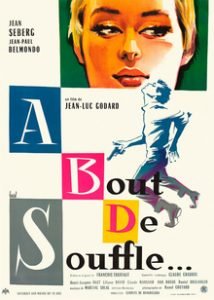
Godard… Breathless and Alive
A Tribute to Jean-Luc Godard, the Film Philologist who Reinvented Cinema.
Yes fly! For walking on the second track is dull and usual, but dreaming high, high, high requires tools. Tools like the right pair of shoes, a chirpy, gritty soul that eats butter-jam dreams, a soul that drinks milky-milky creams.
Silver cascade shimmering the night sky, music to the waves and surreal beauty to the eyes, the Moon loves the art of discipline.
It may be difficult to believe for the Moon’s splendour defies time, it stupefies the clock, it follows the path of a dreamer, but how could this be possible if the Moon knew not discipline?
In this moment, I am a little bit of this and a little bit of that, I am complete and incomplete, I am pleased and uncertain, I wish for nothing and I know I have to wait.
Because the distance covered reminds me of the hurdles I have crossed and the ones I could not, it reminds me of a throbbing past and a dreamy future and it reminds me of how much time is left.
Meredith and the Green Lake
Illimitable Splendour
A joy so complete without any rise or fall, so free without any time corners, so real without true being false, false being true.