Black sky begins to break, fading into a soft white bluishness. All is still, witnessing in each other the daybreak. A gushing of joy silently takes over.
Fresh piercing air, like a giant wave, bathes us in one go. It is everywhere, not word-heavy, yet firmly present. Those who matches its ferocious calmness and coolness, live a long life.
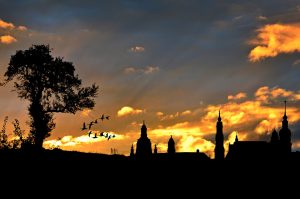
Then a bold crimson red is poured at the rim horizon, complementing the darkness before devouring it fully as the red yawns and stretches into golden orange, sprinkling, spreading throughout, directionless, embracing every nook and cranny warmly.
The dusk sings and sleeps, the dawn rises and sings. And the birds and rivers sing along.
It may appear like an orderly routine, but it is truly a disorderly dance of colours, a splash of melody, fresh and wet, a sweet yet melancholic search at first, but actually a thought-free light oneness.
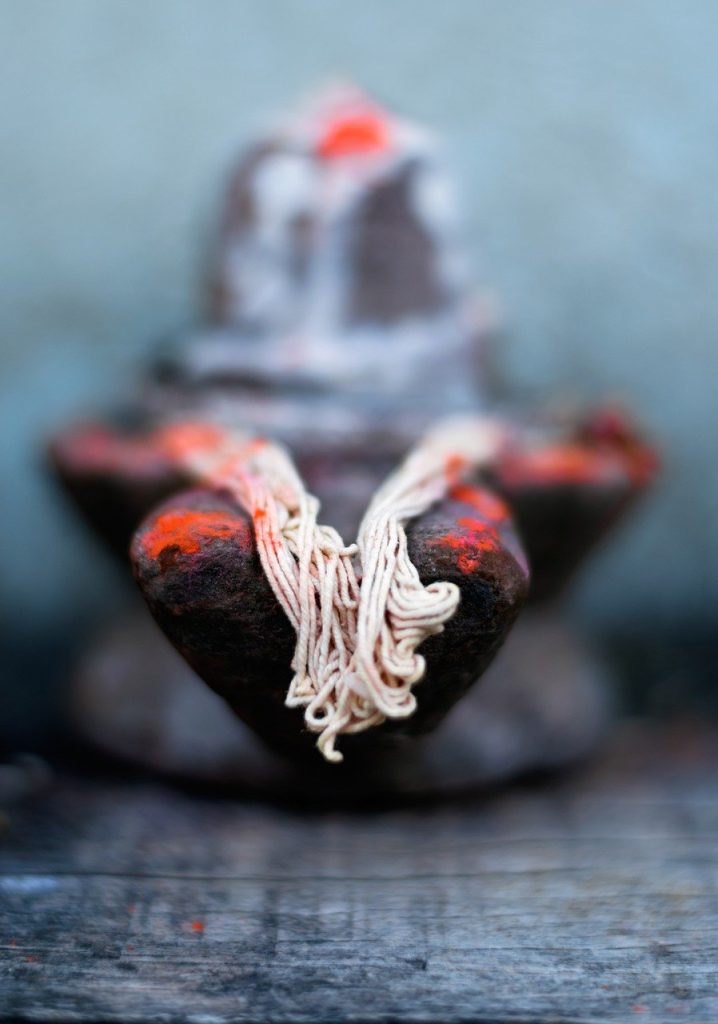
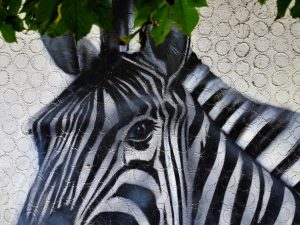
Stone like still and steady… so that quietness comes naturally to me, in me the artist lives and so does all the eyes that fall on me… in reverence, pain, hatred, fear, love and joy alike.
Stone like calm and composed… so that patience comes naturally to me, in me the atoms dance a difference dance, such as the dance of the time… in tune always… out-of-tune only for the dying.
When an idol, I am worshipped, when a stone, I worship it all… the flowery and fragrant air, the bright wet vermilion, the soft sandalwood, the bells, the dancing feet on dancing hymns, the passersby, the glares, the sheen, the prayers, the daily life’s hurried tales.
Absorbing the voices and noise and music and reverberations alike, I continue to un-measure the measured and this is what attracts the weary souls, I know, to meet the unmoving stone.
Stone like wise and kind… the statue lives unwaveringly, beaming and alive, with a beating heart like yours and mine.
A storyteller appeared… and cross-legged, excited, whispering, wondering, quiet, blank yet touched by warmth, we sat in a circle around him.
As if the giant tree with creepers, fungi, lichens and company, stepped back humbly, only to create a space for us listeners and the storyteller.
As if the wind played softly, swaying, singing a chorus in the background, only to live the tale being told, only to collect and pass it on.
As if the quiet birds stopped chirping or playing Chinese-whispers, only to let the melodious melody of the storyteller resonate.
As if the fragrant river turned into a dancing rivulet, only to water the story.
As if the blessed earth, steadied the spinning sky for a bit, only to partake in the narration.
As if the jungle beasts, big and small, furry and feathered, befriended the now and stopped the time, only to witness the storyteller’s old and endless Gatha.
As if the words, rhymed and bold, simple and gold, measured well and sold, performed in unison, only to let the storyteller’s story by all be known.
Glory to the known that welcomes the unknown.
Photo by Jagriti Rumi; Courtesy – KP
Photo by Jagriti Rumi; Courtesy – KP
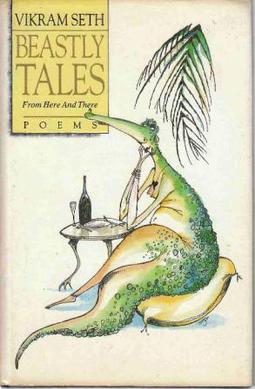
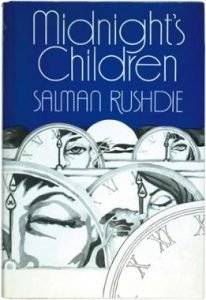
First Indian edition. [Source – Wikipedia]
*
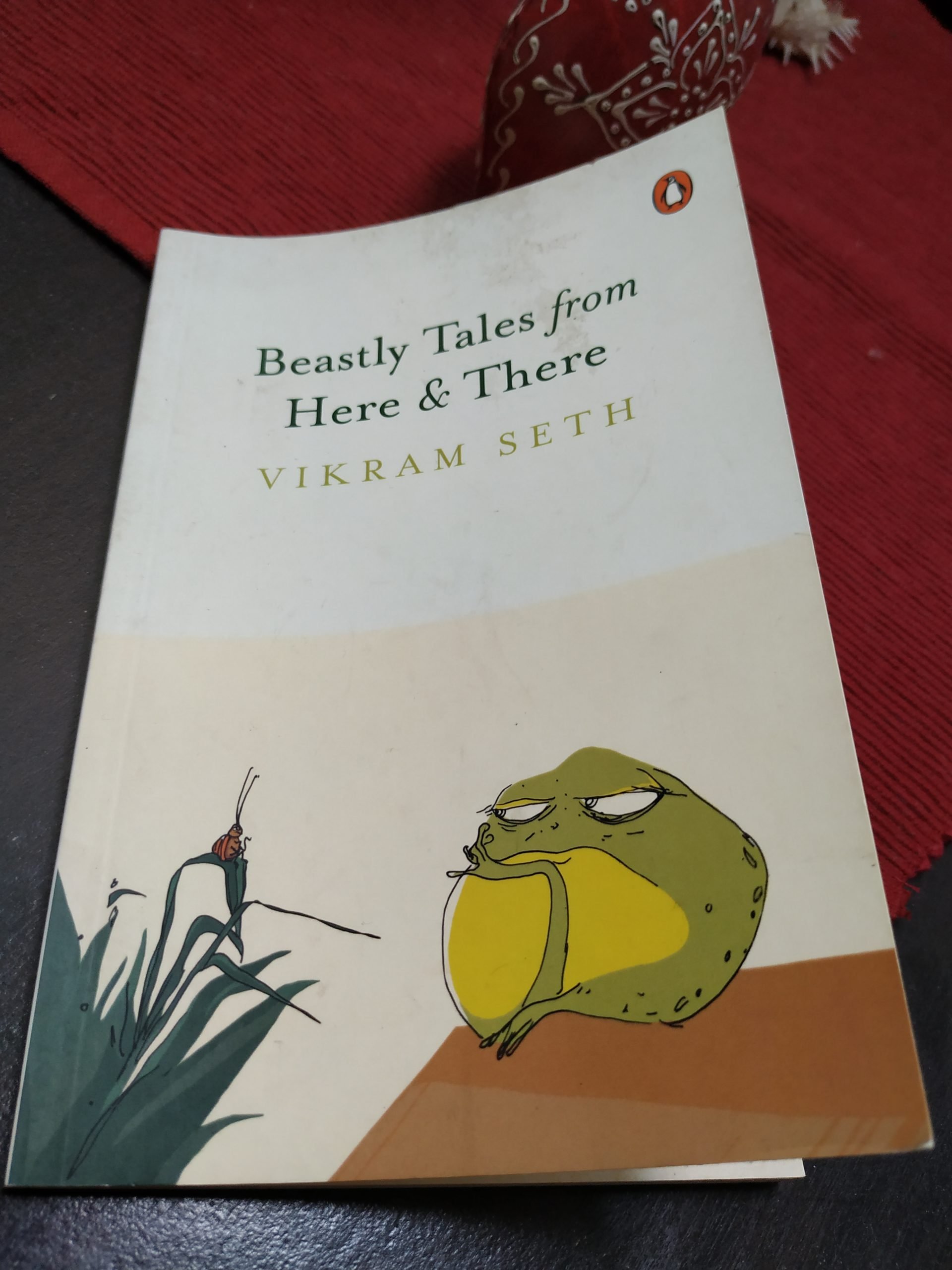
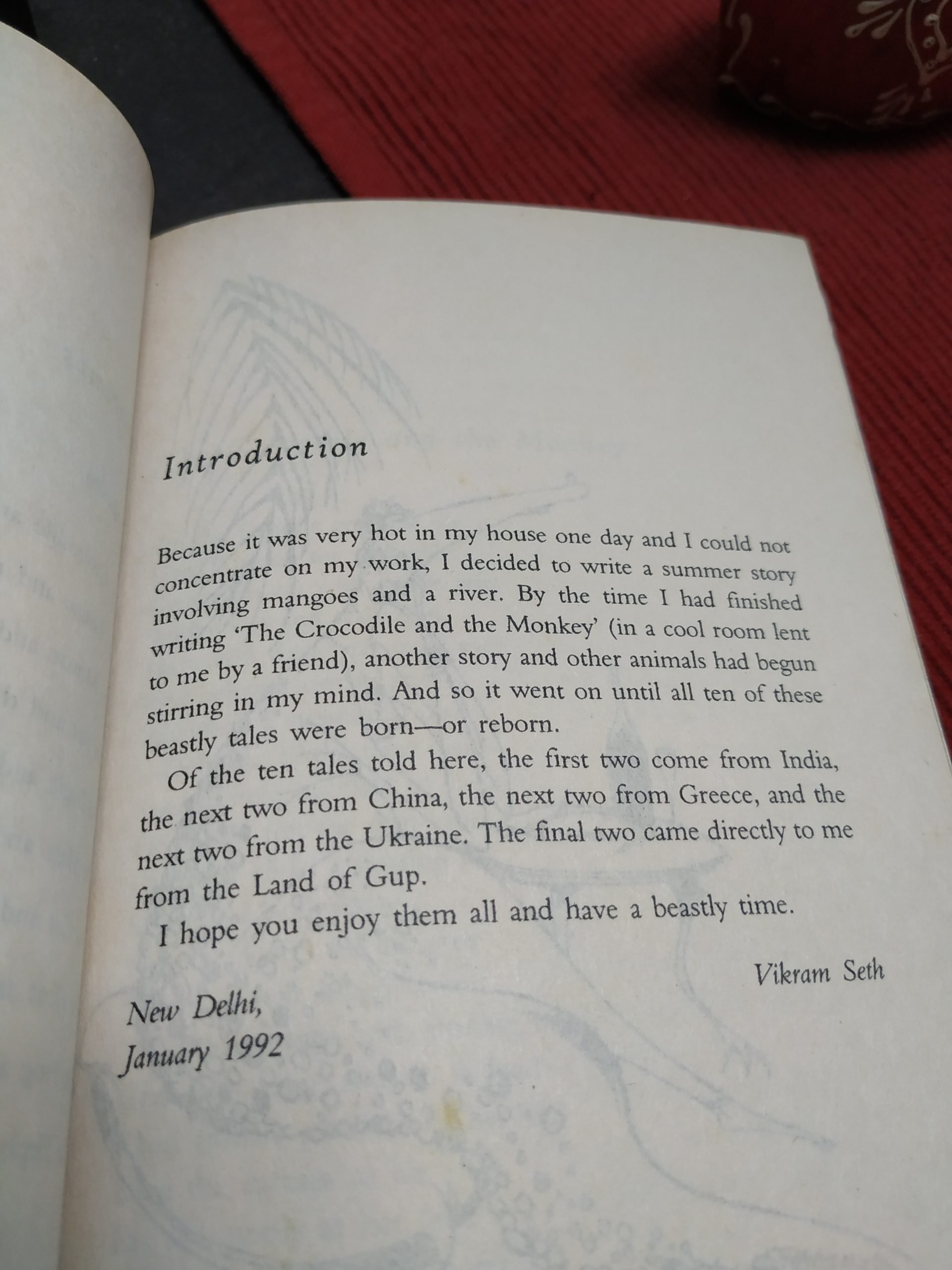
The absolutely fantastically amazingly brilliant book Beastly Tales from Here & There by Vikram Seth inspired the blogger to write this piece as a tribute to the author and as a short, crisp sort-of-a-coverage of the book.
It is a must-read for anyone interested in life, stories and the art of storytelling.
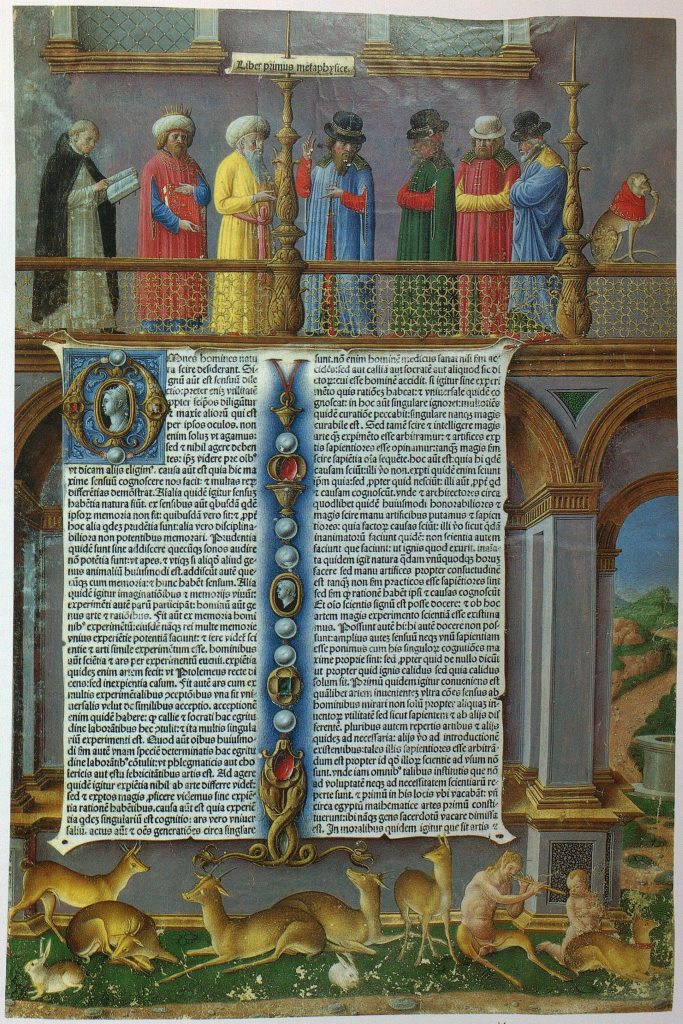
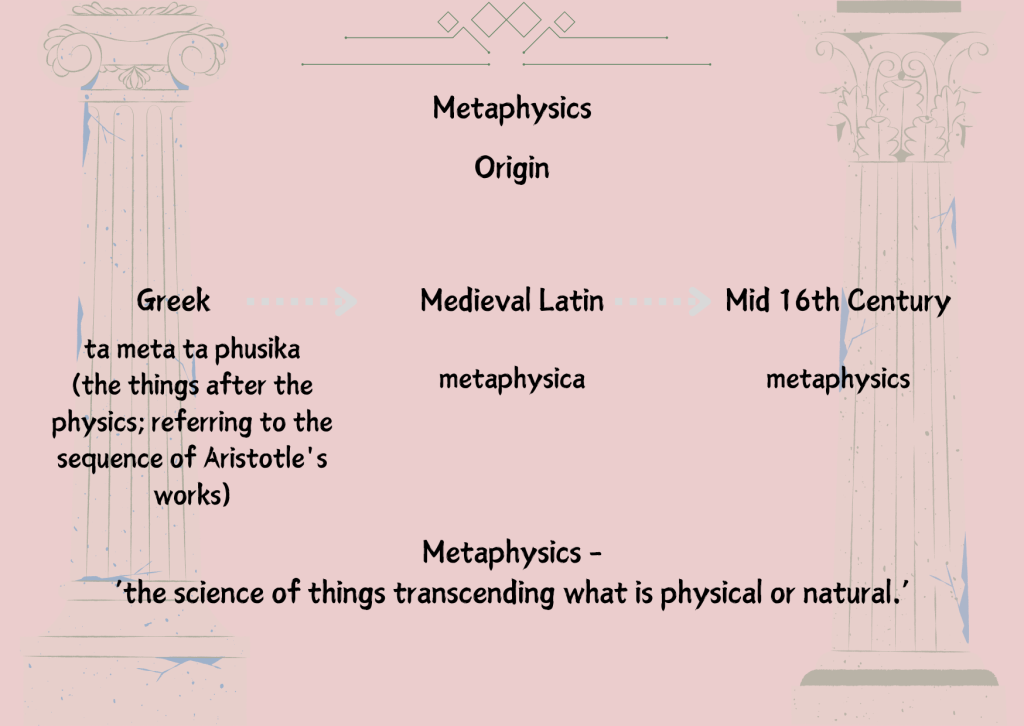
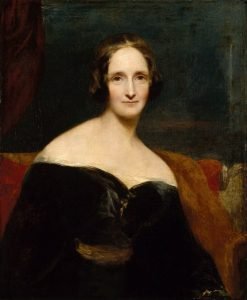
The beginning of Aristotle’s Metaphysics, one of the foundational texts of the discipline. [Source – Wikipedia]
*
The Patristic diagnosis of the decay of Greco-Roman civilisation ascribes that event to a metaphysical disease… It was not barbarian attacks that destroyed the Greco-Roman world… The cause was a metaphysical cause. The ‘pagan’ world was failing to keep alive its own fundamental convictions, they (the patristic writers) said, because owing to faults in metaphysical analysis it had become confused as to what these convictions were… If metaphysics had been a mere luxury of the intellect, this would not have mattered.
Dear Johnathan and Jerome, did you absorb this quote? Good!
Sitting down without a polite book in hand or rustling printed paper, without a smarty sneering touch-screen phone or tab or laptop, without watching the info influx or the dramatic tales, all this has become outdated it seems… and a difficult thing to do. Going on walk… just going on a walk, simply, quietly… by my own self… is a task, I tell you.
The plans I had stupidly made, the plan I am wisely making keep me tied up – am calculating and weighing and accepting and rejecting constantly. Separated from these thoughts, I laugh and cry, but my thoughts are ‘me’, when did I learn to separate these? Fragmented from within, I live.
I know… no, listen… I don’t, but please don’t explain, don’t even show me the way… don’t want to hear what the solution is… if I am asking the right question, then that’ll show, that’s enough.
But hey, tell me this, if you can sit down or go on a walk… calmy, quietly, wholly, not fragmented from within?
The cinema’s characteristic forte is its ability to capture and communicate the intimacies of the human mind… The cinema is superbly equipped to trace the growth of a person or a situation.
Satyajit Ray
A child’s mind – impressionable, unbiased, bold, colourful and spirited – picks up the colours of this patterned and cemented world, crossing the maze, chasing dreams, breaking away, yet gradually getting engulfed by it wholly. How come? And Why?
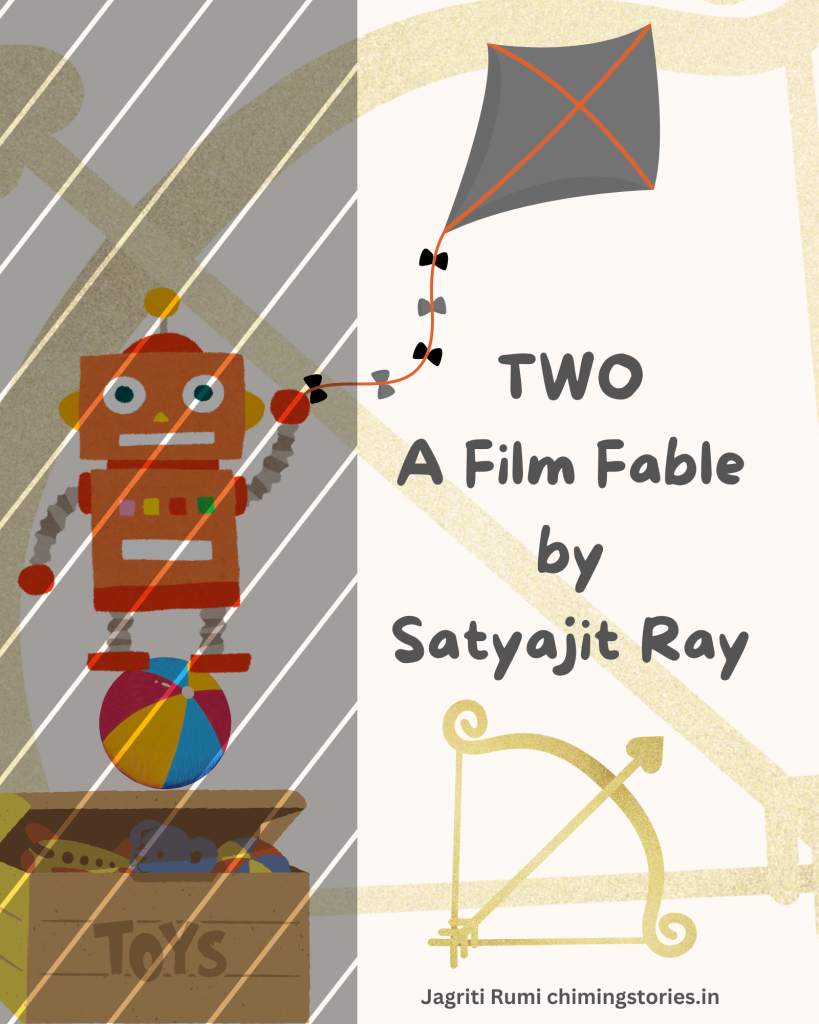
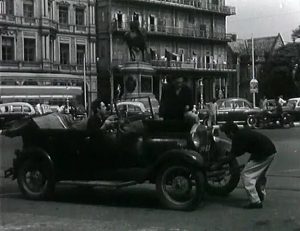
Ray’s short film – Two: A Film Fable(1964), twelve minutes long, black and white, without any dialogues – shows ‘how’, leaving the ‘why’ for the viewer to find out.
For a better understanding, watch the film before reading further –
Story
Fable, a short story that tells a moral truth, often using animals as characters, is given a twist by Satyajit Ray for here we aren’t told anything, just shown and we don’t see animals but toys that are class-conscious.
With two little kids as the protagonists and only people in the film, it makes a striking portrayal of the class difference in our societies that nurtures and feeds, without fail, every individual, even a child, with a prejudiced ideology.
The little kids in the film, one up in a mansion and the other outside his thatched hut, start a competition of showing off their toys to each other. Soon the privileged kid starts to overpower the poor kid by showing his latest toys one after the other; he proudly and pompously uses his air gun to shoot down the poor kid’s kite, defeating him in this invisible war-like game.
The rich kid turns to wonder what he should do next – his luxurious life acts heavily on him as he is hardly interested in playing anything, getting distracted every time to hop on the other toy train.
Though the rich kid thought he had won the game, he notices how the poor kid has gone back to his first toy – the bamboo flute. The rich kid in his big mansion with barred windows, ample toys and other luxuries feels confused in the end.
Analysis
A chance encounter between a rich and poor child that quickly moves from a childish display of their toys to a game of power politics, Ray’s fable presents a strong image of a divided and degraded society.
The film shows the truth of inequality – nurtured by greed, leading to decadence – revealing how the class that suffers the most is the one which invariably suffers to simply survive.
India in the 60s, apart from facing many internal problems, also fought wars with China (in 1962) and Pakistan (in 1965), thus, impacting the overall growth of the new nation. Two: A Film Fable highlights this stunted growth by showing the disparity between the two kids, reminding people about their responsibilities as a free citizen of a free nation.
The rich kid is not just rich, he is self-indulgent and hedonistic; home alone after attending his birthday party, he saunters around in the big empty home, drinking Coca-Cola, chewing bubble-gum, not sure which toy, out of the lot, he should play with. Meanwhile, the poor kid is playing his bamboo flute, walking round and round outside his hut, not minding the glaring sun.
Bamboo flute vs. toy trumpet, small drum vs. battery-powered monkey drummer toy, a mask, bow and arrow vs. couple of fancy masks, swords, spears and guns – both the kids don’t realise participating in power politics as they don’t understand it, but because they belong to such different classes, separated by a giant gap, their casual showing-off game inadvertently turns into power politics.
When the poor child comes back and quietly starts to fly a kite, the rich kid – who was till now looking down at the poor kid from his first-floor window – looks up at the sky, surprised to see the poor kid’s kite soaring high. Wondering, he gets his toy rifle and shoots down the kite. The rich kid is unabashedly happy about his actions here.
Satisfied now, the rich kid goes back to playing with his toys, switching every automatic toy on simultaneously, making a lot of noise, over which he soon hears the poor kid’s flute once again. While the poor kid calmly plays the flute, the rich kid stands still looking nonplussed.
In a very subtle manner Ray’s film criticises the class politics, the capitalist outlook and booming culture of consumerism by portraying how these ideologies sink in the society affecting one and all and especially instilling flawed values in the children.
Today these two kids – who are still very much present as the disparity has only intensified – will not have such an encounter through the window anymore, thanks to the mobile phones and social media age.
The adults have joined too for they started the big game, everyone’s playing it, my toys vs your toys. And whosoever wins, not knowing what else to do, restarts the game.
Tied to a drunkard good-for-nothing husband, Ma seems to be ready to cross the bridge today, yes she is, I saw it in her eyes, she spoke a different language that silenced him, my so-called father. And we will walk away… away from him, away from poverty… Ma, I promise…
Alas, on returning home, the son found his mother packing bags… she, a ‘bandini’, is ready to follow her old husband to their old village… a broken hut on a parched land awaits her… her home.
Images by Jagriti Rumi
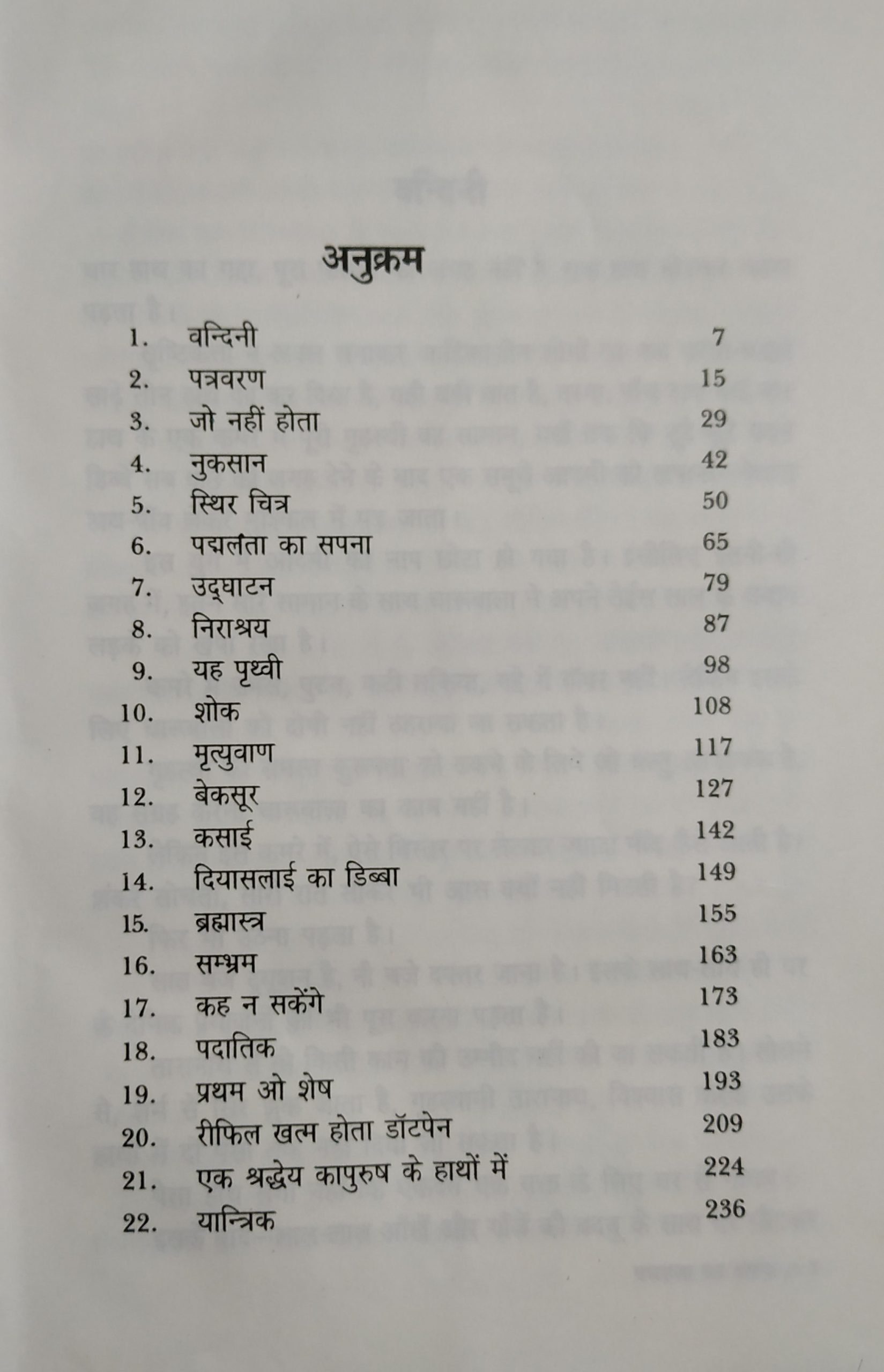
Index
First page of the story ‘Padamlata’s Dream’.
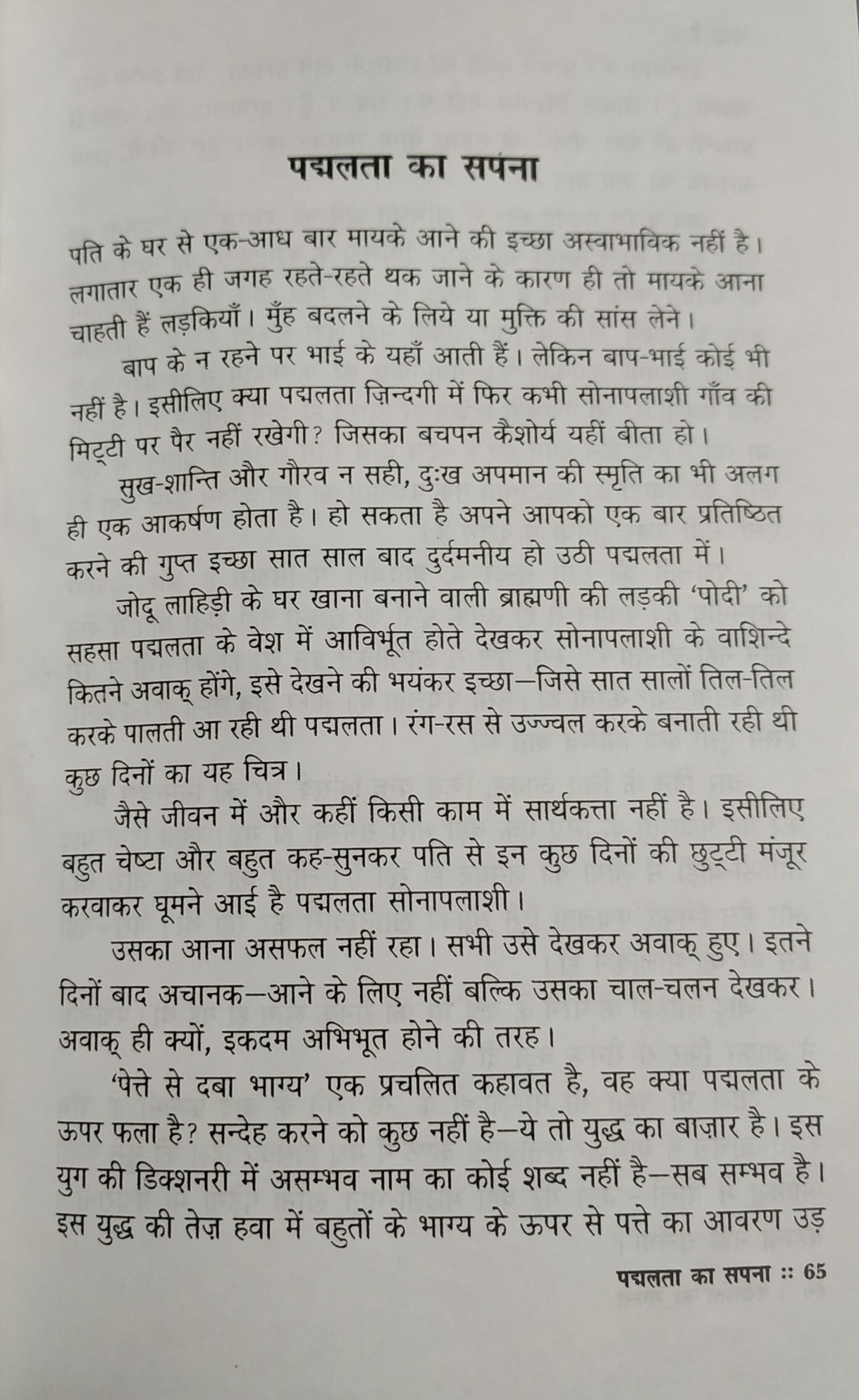
Last page of the story ‘Padamlata’s Dream’.
*
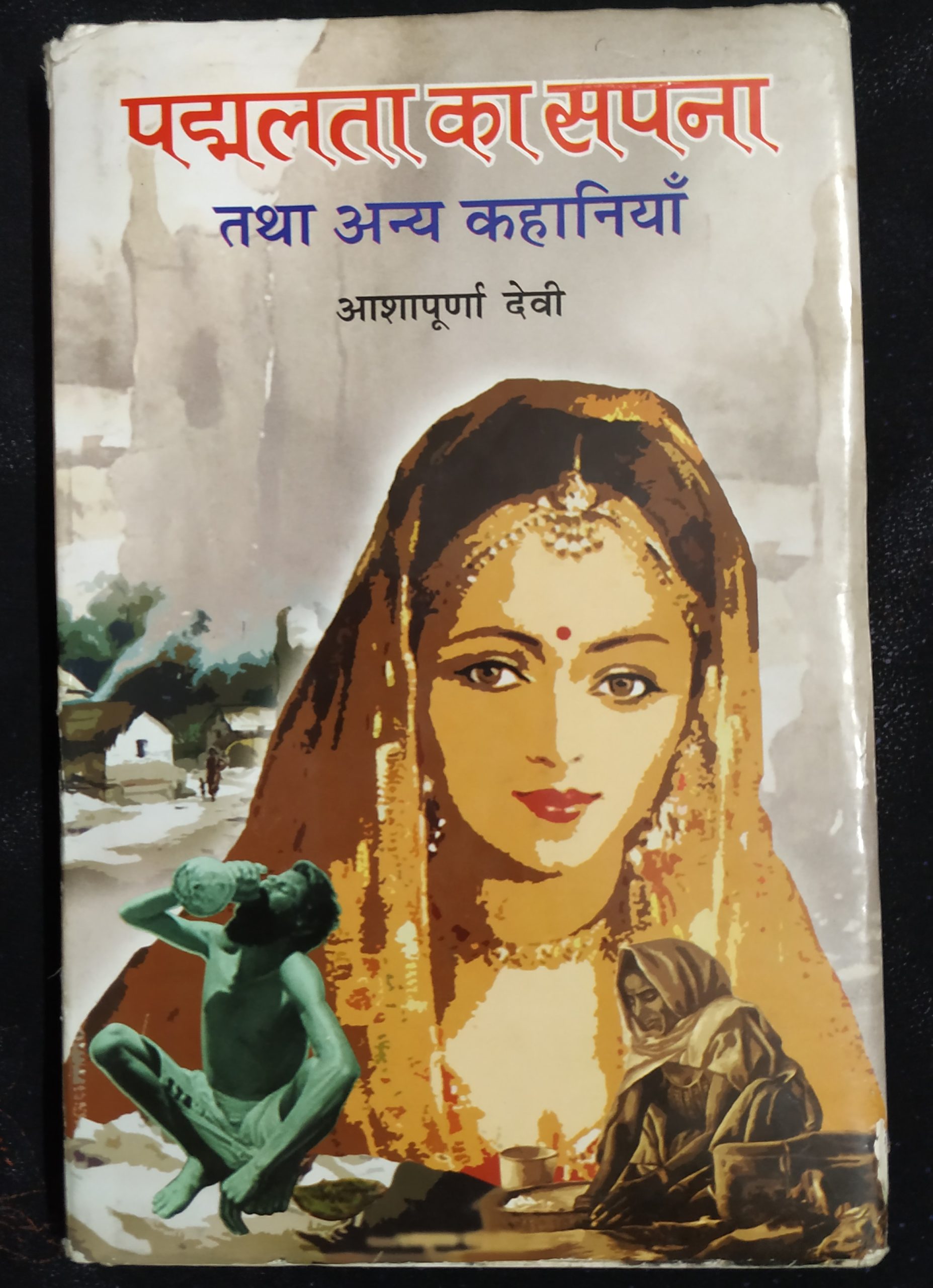
पदम्लता का सपना/Padamlata’s Dream
…क्या पदम्लता ज़िन्दगी में फिर कभी सोनापलाशी गाँव की मिटटी पर पैर नहीं रखेगी? जिसका बचपन केशोर्य यहीं बीता हो। सुख शांति और गौरव न सही, दुःख अपमान की समृति का भी अलग ही एक आकर्षण होता है। हो सकता है अपने आपको एक बार प्रतिष्ठित करने की गुप्त इच्छा सात साल बाद दुर्दमनीय हो उठी पदम्लता में।
जोदू लाहिड़ी के घर खाना बनाने वाली ब्राह्मणी की लड़की ‘पोदी’ को सहसा पदम्लता के वेश में आविर्भूत होते देखकर सोनापलाशी के वाशिंदे कितने अवाक होंगे, इसे देखने की भयंकर इच्छा – जिसे सात सालों तिल-तिल करके पालती आ रही थी पदम्लता…
-पदम्लता का सपना
*
In the corner of the open veranda, little Podi slept close to her mother, boldly showing her back to the cold winters that kept prodding her. When her running nose and childhood got cured itself and bloomed into a beautiful young Padamlata, people couldn’t believe it nor could they believe when she got married. How did the old maid managed to marry little Podi? That too to a school master?
Word has it that Padamlata has turned into gold… she is a walking, talking bank… one who doesn’t believe in “interests”. Wide-eyed, jealous, in awe… the folks of Sonapalashi village are witnessing this role reversal speechlessly, they speak up only to welcome Padamlata, singing her praises and remembering her late mother.
Padamlata’s dream has come true, elated, she wants nothing more. But back home, her husband has gone bankrupt. His savings, he hid well in the house, are gone.
Exactly how much? Ask Padamlata, for she had secretly taken an amount to Sonapalashi before leaving.
*
सिक्योरिटी जमा करने के लिए घर-दवार ज़मीन-जायदाद यथा सर्वस्व बेचकर जो दो हज़ार रूपए इकठा किए थे, वह रूपया चोरी चला गया है। तुम तो जानती हो, चोरों के डर से बक्से में न रखकर, रज़ाई रखने के टाँड पर रुपए की थैली छिपाकर राखी थी, लेकिन वहाँ भी चोर की नज़र कैसे पड़ी, यही आश्चर्य हो रहा है।
Old and ailing mother-in-law is no more, said the telegram early in the morning, just when Mr. Ji was leaving for the office. Imagining how Mrs. Ji will breakdown, shake mountains, tear rivers apart, he left to get his salary first, and later balance the personal world. He left only after tiptoeing to the window, keeping the telegram above the magazine, that too had arrived this morning.
Mrs. Ji unaware, walks to the room, finds the telegram as well as the magazine there; dumbstruck after reading about her mother’s death, she forgets to cry. There is no one around to acknowledge her absolute shock and pain. Her four months old son is crying in the kitchen, she rushes to tend to him.
Ashamed to reach home too late, Mr. Ji finds that Mrs. Ji has apparently not found the telegram; he finally breaks the news to Mrs. Ji, wondering if she hasn’t read it, how come the telegram shifted its place from sitting above to below the magazine and got a yellow spot of turmeric on it.
बेकसूर/Bekasoor (Innocent)
An open and shut case, thanks to so many witnesses who had not seen anything clearly, yet were sure how the business man’s son killed his wife in the darkness of late night by pushing her from the first floor. These witnesses, business man’s close relatives/rivals, had travelled via tram, ran and walked and persuaded the girl’s father to file an FIR before even seeing the dead girl’s face once.
The girl’s father, furious at first, wanting his son-in-law to be hanged immediately, realises it one day that his daughter’s old habit of sleepwalking got the best of her. The sun-in-law was not guilty.
That her suspicious husband read her letter before she could find out, yes, he read it yet again, read it shamelessly and tried to justify his stand, blaming her mother for always asking for money, probably assuming him to be a bank… sparked a fire within her.
Even though she turned this letter and her mother’s request for more money into ashes within herself, she couldn’t swallow her husband’s cold taunt, maybe 100th taunt and began to spit fire.
The smoke could have smothered the husband, but the joint family life quietly quelled this fire, that too unknowingly.
Entering the kitchen with a smile, engaging herself instantly, the wife didn’t let anyone guess that she had been on fire just a while ago.
A woman can also be like a matchbox…
कह न सकेंगे/Keh Na Sakenge (Speechless)
Back quite late, he is questioned by all – his wife, elder son, younger daughter – everyone who is at home. Irked to say the least, his behaviour irked the others. The old chap had come quietly, said he won’t eat and went to bed, then came to the kitchen to finish his dinner… But who is not at home?
His wife declares, as usual, that she will wait for their younger son to return. Slightly worried for him as protests and riots have erupted in the Calcutta city.
Who is not at home? The one who shouted at everyone in the tram and asked to de-board? One of the rioters? Because of whom the old chap, with aching knees, ran to a corner? In hiding he heard gun-shots and then heard someone describe a beautiful young boy with curly hair who had been hit.
The old chap, at home, remembers the sound of the gun shots and goes mum.
रीफिल खत्म होता एक डॉटपेन/Refill Khatam Hota Ek Dot Pen (Faulty Pen)
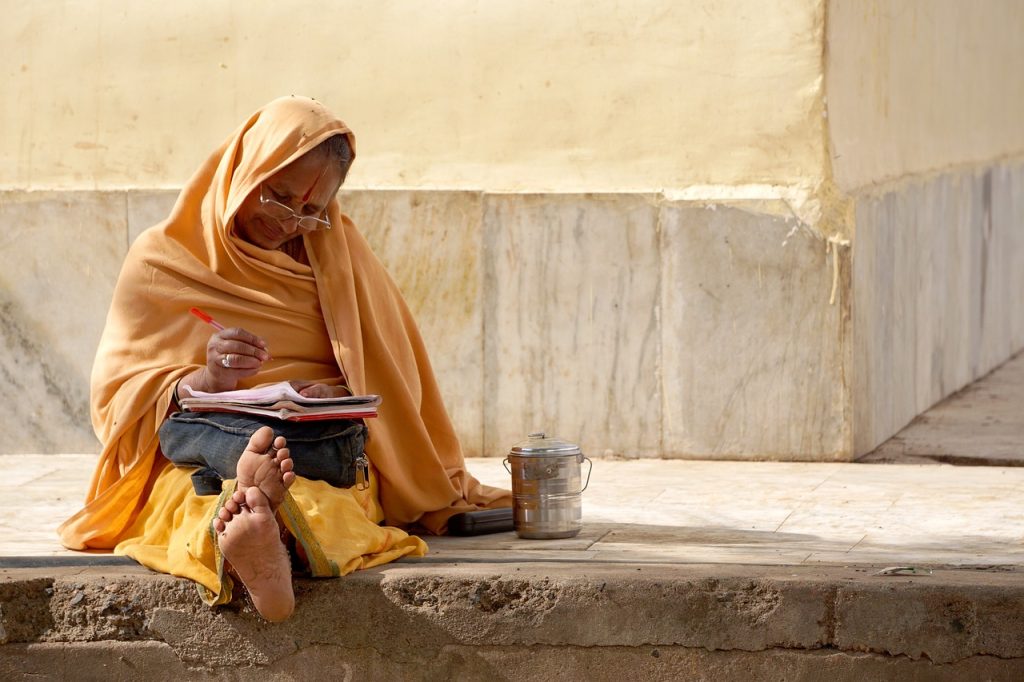
The whole day went in looking for grandma, but when did someone saw her stepping out of the puja room… she left without having her morning tea… not possible… run-run-run… no, not on the terrace or in the backyard speaking to the gardener, not at any of the neighbours’ place, or at the temple, not at her brother’s or sister’s house, not at the ghat or the bazaar… this double storey house has come to a standstill… elder son went to the office nevertheless… he has a government service unlike the younger son who is naturally expected to wait… late-late-late… assigning duties to others and he left… daughters-in-law tackled the chores and the inquisitive neighbours, relatives alike… when kids came home from the school, one spoke, “grandma must have gone to end her life…” and showed a note… grandma had tried to scribble something on it… “but the dot pen stopped working“, said the kid and laughed… the world swirled and the time became stiff as everyone took notice of it… late in the evening they heard grandma’s voice… she was bargaining with the rickshaw-wala… both her sons, daughters-in-law, grandchildren came running… she laughed and said she had gone to visit a temple… that is on the outskirts of the Calcutta city…
The family took a sigh of relief… and so did the grandmother…
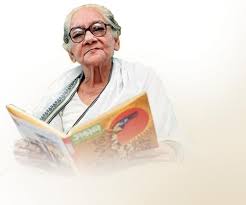
The illustrious Ashapurna Devi. (1909 -1995) [Source – eyramagazine.com]
Winner of the Sahitya Akademi Fellowship (1994), Jnanpith Award and Padam Shri (1976), Ashapurna Devi was an eminent Indian writer who wrote in Bengali. She had the knack for writing realistic, powerful characters, all caught in the flow of life, facing, choosing, accepting, neglecting, forgetting, overcoming, surrendering to the drama… the drama called life.
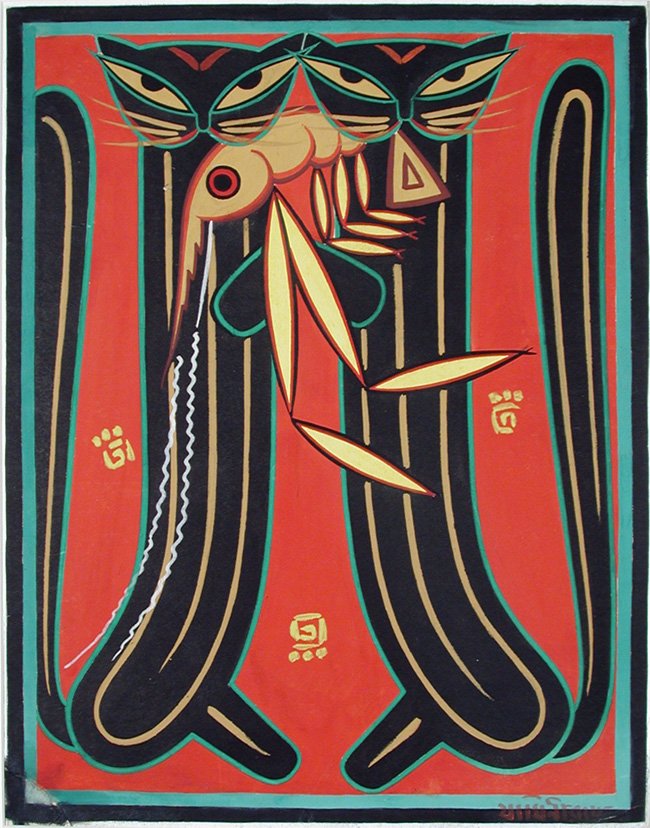
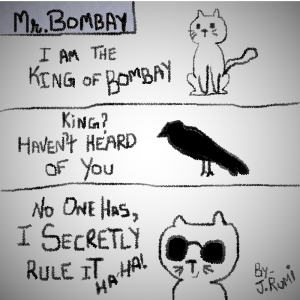
Glaring at the pencil-like sleek and sure fishing boat, far off in the ocean, moving/unmoving yet listening to the waves, Lo sat still, statue still… tail dancing now and then.
Wo, reaching there after a long stroll, declares without even looking – “not pencil-like, mm-mm, paint-brush-like… the strokes say so, Lo. Look-look, why don’t you look, Lo.”
“Quiet Wo! Where’s Mo. On the boat?” – says Lo.
“Meow, meow! I mean I don’t no.” – meows Wo.
Lo cleans her forepaws. Wo stretches, then chooses a good spot to rest. Her highness and his highness both looked, not searchingly, at their renounced kingdom. Oh! Pardon! Anytime now, his highness will doze off! And… now!
There that same fishing boat gets a bout of hiccups. Hindola-hindola…O, hindola-hindola*!
A strange phenomenon, ho-haye, thought the folks on board for theirs was the only fishing boat that was dancing not anyone else’s, haye-ho!
The waves clapped! Three drenched souls – two humans and a black cat named, Mo – on that same fishing boat fought the hiccups and looked at the shore.
“Someone’s missing ya, so they say!” – comments human one, holding on.
“Meow, meooowww! It is Lo, it is Lo, it is Looo!” – cries Mo.
Humans understand nothing. No, instead they open their eyes wide, looking left and right and left and right, ho-haye, haye-ho, shying from the ocean, silently swaying with the flow.
They survived and reached the shore, with fish, lobsters, prawns on board and the three souls in tow, caught in the net, dizzy and wet.
Trapped in the air, the salty news reaches Lo and Wo and they jump into action, meeting Mo on the go. Climbing walls, branches, climbing down stairs, crossing paths, they reach the neighbouring dock.
A piffling war, two high jumps, ducking for cover, grabbing and dashing away, the tails signalling victory… victory once again.
Mo bid bye in style, when Lo and Wo were busy sorting the loot… “Who gets the one prawn?” – they wonder, and so do we.
Hint – ask the painter babu who swiftly captured this moment before Lo could shout Wo or Wo, Lo.
*
Two cats holding a large prawn – a painting by the great Jamini Roy. [Source – Wikipedia]
The post is inspired by this amazingly simple yet fantastic Jamini Roy painting.
I am joy running free/
freely flying, fluttering, soaring in a valley/
Of joy am running free.
Greetings!
A storyteller, following the ancient tradition of cave chroniclers, standing in vrikshasana (the tree pose) on a hill top (it is sunny, but windy), breathing in and out stories (relishing it all, but at times overwhelmed), declares animatedly that she will continue to – tell stories, share rare story gems, and connect with the pacy universe while also keeping the website ad-free.
Big thanks to my readers. Stay tuned!
Also, a humble request to the new subscribers to check the spam folder after subscribing. Silly (but necessary) confirmation emails often land there instead of the bright inboxes. Merci!
Ya-hoy!
Chiming Stories (formerly Home Chimes)
P.S – Supporting a storyteller is good for the world’s health (and undoubtedly, for the storyteller’s health as well). Shower some love by sharing, commenting and subscribing to the Weekly Newsletter.
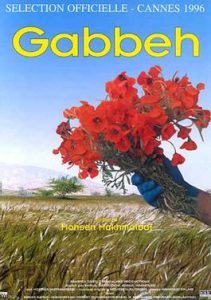
Gabbeh, the 1996 film, is a simple tale of a gipsy girl, her clan and the way their life goes on. Unfolding beautifully just like an artist painting a canvas, Gabbeh quietly touches the grand questions.
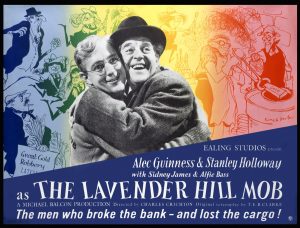
Ranked as one of the greatest British films of all time, The Lavender Hill Mob confides in the audience, letting them see, feel, laugh and think without tickling persuasively with a joke here and a punch-line there.
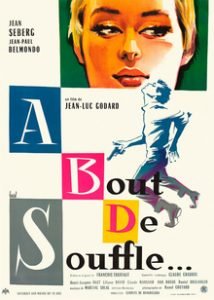
Godard… Breathless and Alive
A Tribute to Jean-Luc Godard, the Film Philologist who Reinvented Cinema.
Yes fly! For walking on the second track is dull and usual, but dreaming high, high, high requires tools. Tools like the right pair of shoes, a chirpy, gritty soul that eats butter-jam dreams, a soul that drinks milky-milky creams.
Silver cascade shimmering the night sky, music to the waves and surreal beauty to the eyes, the Moon loves the art of discipline.
It may be difficult to believe for the Moon’s splendour defies time, it stupefies the clock, it follows the path of a dreamer, but how could this be possible if the Moon knew not discipline?
In this moment, I am a little bit of this and a little bit of that, I am complete and incomplete, I am pleased and uncertain, I wish for nothing and I know I have to wait.
Because the distance covered reminds me of the hurdles I have crossed and the ones I could not, it reminds me of a throbbing past and a dreamy future and it reminds me of how much time is left.
Meredith and the Green Lake
Illimitable Splendour
A joy so complete without any rise or fall, so free without any time corners, so real without true being false, false being true.