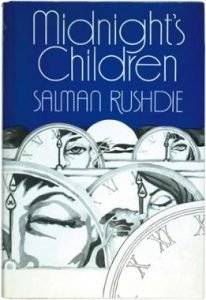
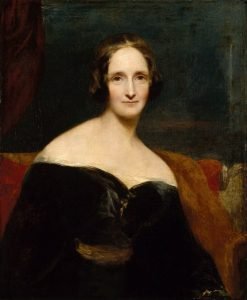
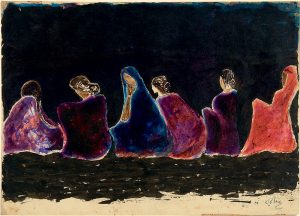
Charles Lamb, the romantic essayist of the 19th century, under the pseudonym Elia wrote informal, lyrical and personal essays – witty, humorous, funny – he wrote so that his heart won’t explode – and left the essays open-ended, putting the reader quietly in quandary, asking them to look for a definite answer, to construct the story circle complete and finish what he so melodiously had started.
And to finish this wistful melody the reader has to stay with Lamb’s thoughts for a while. What a victory for a writer!
Born in the year 1775, Charles Lamb’s ‘thinking heart’ wrote about his desires and imaginations, resentments and failures, the world he observed and the quaint world he read about, the sweet past and sweet melancholy, the civilised unsatisfied industrialised society, the forgetful lots and the few compassionate souls.
His evocative language interacted with the readers, urging them to participate and respond, digressing from the topic so often just like friends do while sharing an anecdote.
A friend to all, sharing his secrets honestly – for he thinks himself to be the only object he knows intimately – Lamb lived a lonely, troublesome life. He took care of his sister Marry Lamb – with whom he co-authored The Tales of Shakespeare (1807) for children – who suffered from mental illness and in a fit of madness had even killed their mother.
Standing by her side all his life, Charles Lamb continued to write.
His unrequited love story featured in many of his essays; Charles Lamb never stopped loving Ann Simmons. In his essay, Dream Children – A reverie, his two children sit next to him, eager to listen to stories of their ancestors, great uncles and aunts, people whom they will never meet and yet they would know so dearly via their tales.
He shares with them the stories of their great grandmother Mrs Field, the grand house where she lived as a caretaker, about their uncle John Lamb, his childhood days and the “idle diversions” (like watching little fish darting to and fro in the pond on a sunny winter day), and gently brings in the topic of death – how his brother passed away and how much he misses him, suddenly sad, the children ask him to tell them about their late mother (a reflection of Ann Simmons) – and just before he could look at his children a bit more, they fade away.
Awoke, Lamb finds himself sitting in his armchair, too far from the sweet-bitter-warm dream.
In a dream-like style, the essay catches that vague emotion of joy/loss/regret/fulfilment/affection/ loneliness all in one, that sweet emotion that colours the cheeks red, that makes one teary-eyed, that leads to a sigh, that reminds one of life…
Though Greek and Roman philosophers like Theophrastus and Plutarch, Cicero and Seneca wrote essays (when this genre was not yet coined), it was in the early 16th century that the French philosopher Michel de Montaigne popularised the essay as a literary genre.
Charles Lamb chose to follow Montaigne’s lead instead of following the well-known English essayists who predated Lamb like Francis Bacon, Addison, Steele, and Samuel Johnson.
Lamb’s essays, though personal in tone, never hesitated to critique the apathetic side of the society; not serious and didactic as Bacon, Lamb paid attention to creating an authentic picture of life.
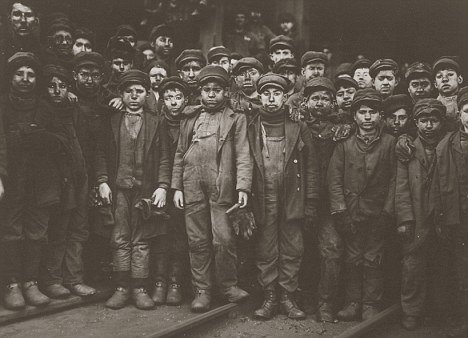
In his essay, The Praise of Chimney Sweepers Lamb talks about the little kids who were made to work as chimney sweepers across London – snatching their childhood so brazenly.
*
A group of apprentice Chimney Sweeps. [Source – Caveat Bettor]
He shares anecdotes that paint the harsh reality in a straightforward manner – a tale within a tale – like how a soot-covered boy had laughed when Lamb tumbled down on a street one day, seeing his twinkling eyes made him smile too, how he describes the tea-like beverage that the chimney sweepers found appetizing, a cheap beverage that was made from the sweet wood of the sassafras tree, how his late friend James White used to throw a feast for the chimney sweepers at a local fair, offering them food and entertainment…
Without attacking the privileged class directly Charles Lamb presents an image that cannot be brushed off as easily as sometimes moral talks are brushed.
These imaginative, conversational style essays may not guide the reader like a classical essayist’s essays, it may not teach us the form, but what it does is nothing short of brilliance, it balms and befriends our aching heart and tells us frankly that it is alright, we are all in the same boat…
Sneak peek into the world of Indian comics. [Source – kanigas.com]
Powerful animated images, quick words locked in speech balloons, bold sound effects ‘Pow’ ‘Boom’ ‘Zap’, an amalgamation of drama and comedy, so much and more presented in a small booklet makes a single copy of a comic book.
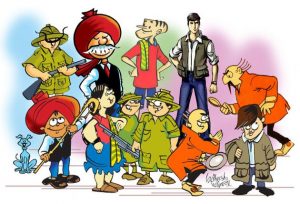
The popularity of comics is such that you will easily find fans of Suppandi, Doga, Shikari Shambhu, Super Commando Dhruv, Rajan Iqbal and Bahadur and most definitely every Indian is a fan of Chacha Chaudhary, Nagraj, Biloo and Pinky.
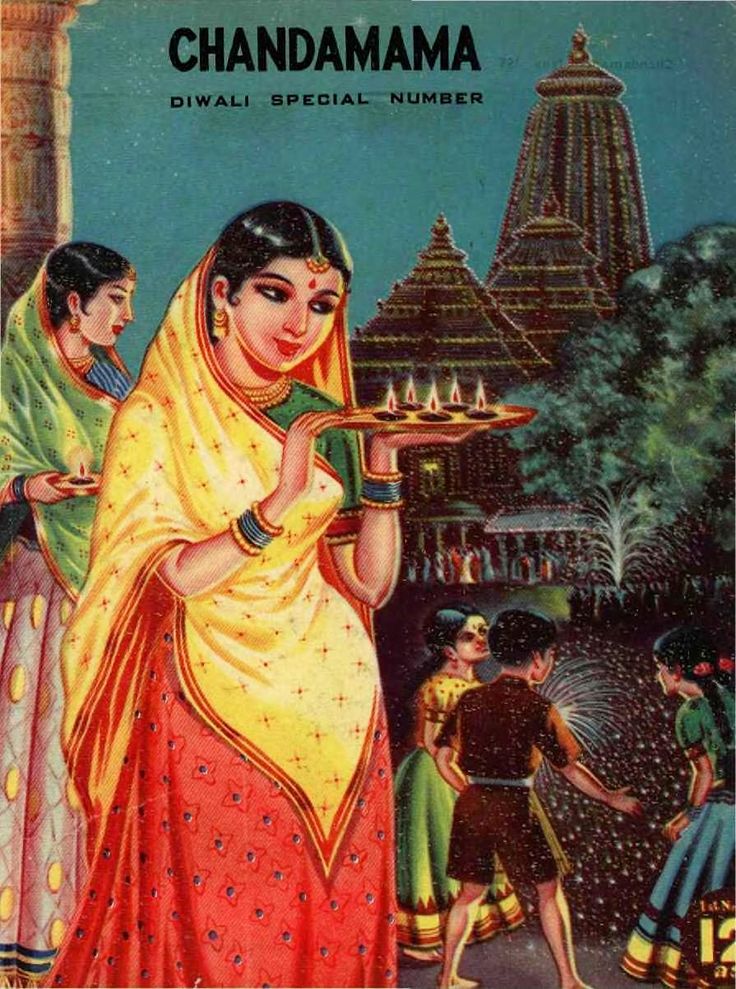
While India boasts of its timeless rich literature, music and other art forms, the beginning of comic books took its time to establish successfully. Magazines like Baalak and Honhar started in the year 1926 and Chandamama began in 1947, but these were simple works with illustrations and not an out-and-out comic.
The fact that Baalak ran for decades, from 1926 to 1986, and Chandamama’s last issue was released in 2013, proves that the storytelling techniques of Indian writers are impactful; it won’t be wrong to say that we might soon see these magazines in the digital platform.
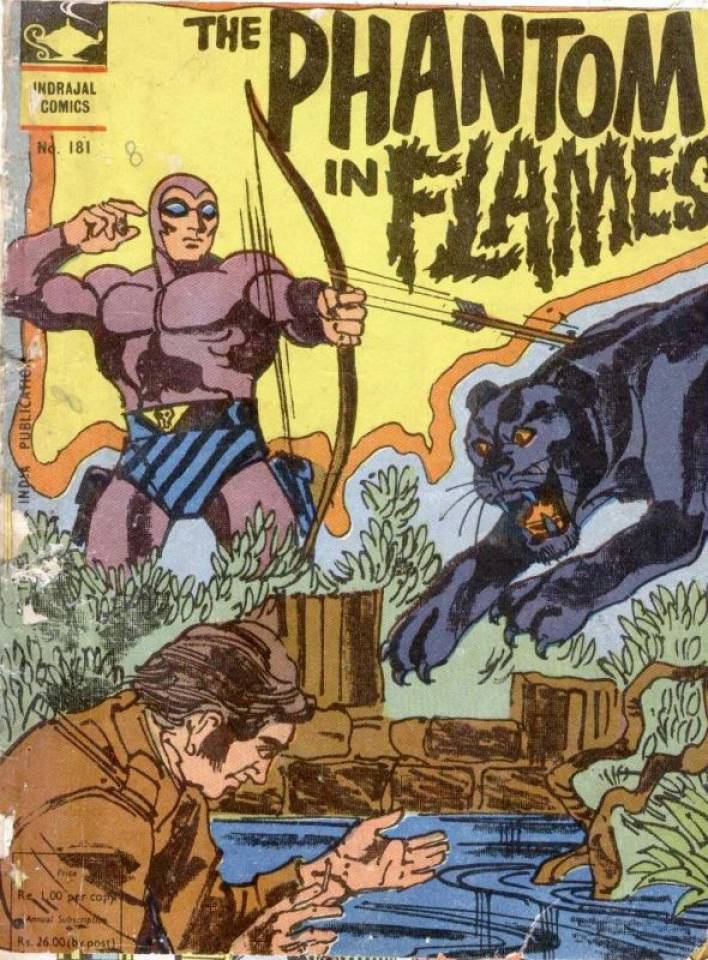
Syndicated comics from the West first entered the lives of readers; international strips like The Phantom, Mandrake, Rip Kirby, Flash Gordon and many others found a loyal audience in our country. Illustrated Weekly of India, the magazine, that ran over a century in India, started giving space to the comic books, though only the international ones as yet.
But not for long as Uncle Pai (Anant Pai, the pioneer of Indian comics) in 1967 was ready with Indrajal Comics to present a country full of epics and folklores, the ‘comic book world’ of its own.
Inspirations were taken from the West, which had a flourishing comic industry by then, and thus, Deewana Magazine came into being that followed in the lines of the world-famous American magazine – MAD. This magazine had illustrations and jokes, but the themes were serious and political, it meant to be sarcastic and mock the folly of the power-hungry.
*
[Source – daily.social]
Chacha Chaudhary [Source – daily.social]
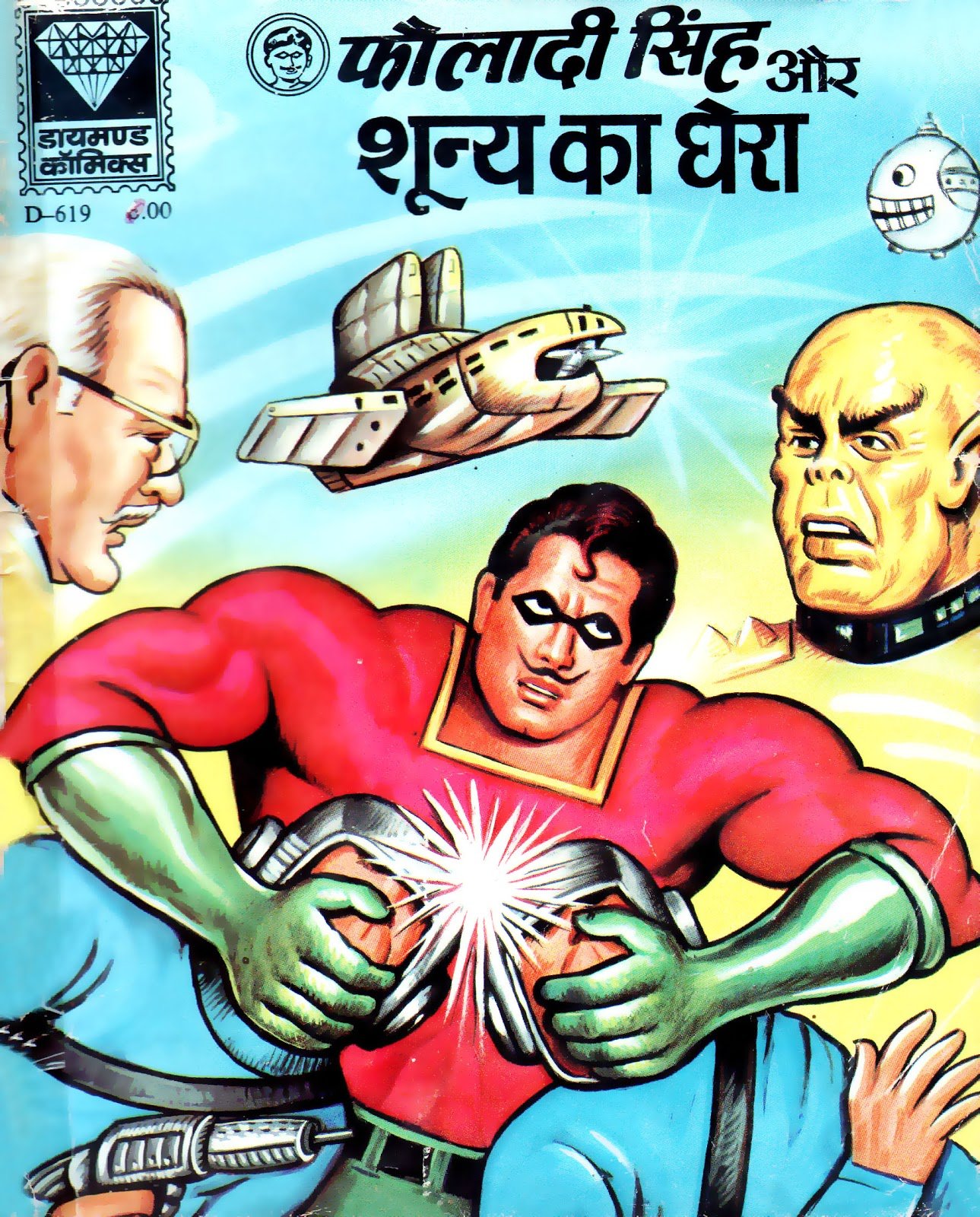
Pholadi Singh [Source – daily.social]
[Source – daily.social]
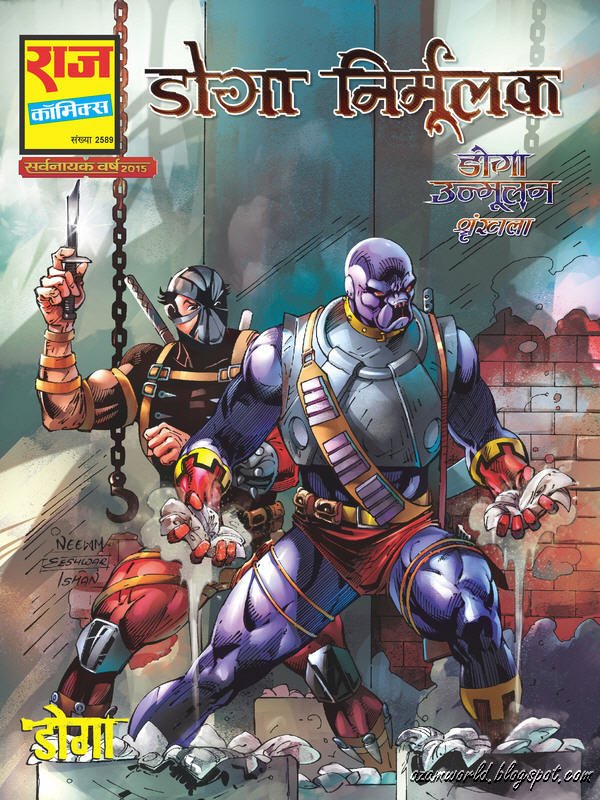
Doga [Source – daily.social]
[Source – daily.social]
*
It was Anant Pai who began the Amar Chitra Katha comic book series (and later on Tinkle) which started with Western fairytales like Little Red Riding Hood and Pinocchio, but then soon switched to Indian mythology, epics, history, literature and folklore.
The Ramayana, Sati and Shiva, Karna, Ravana, Shakuntala, Panchatantra, Birbal, Tenali Raman, Rana Pratap, Raja Raja Chola, The Mughal Court, Valiant Sikhs, Great Indian Emperor, Brave Rajputs, The Kuru Clan, Great Rulers of India and many such comics took over the stores all over India and people started eagerly waiting for the next issues.
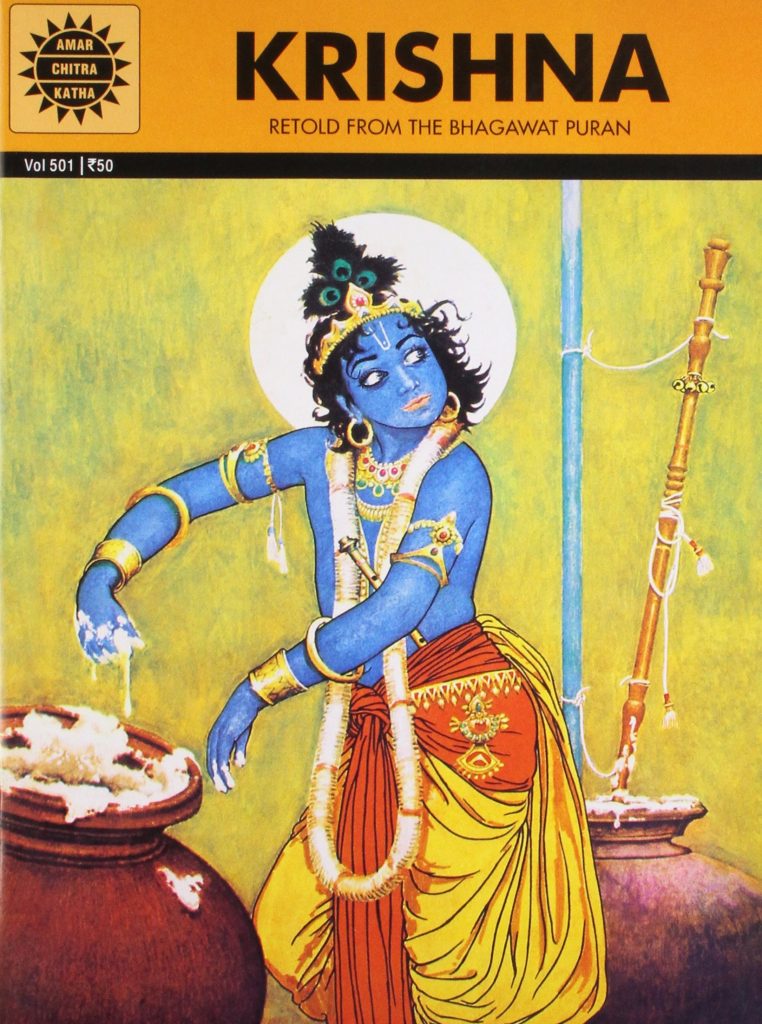
It was Amar Chitra Katha’s comic book based on the adventures of Krishna that became the biggest hit; more than 5 million copies have been sold till date and it remains one of their best-selling comic book series.
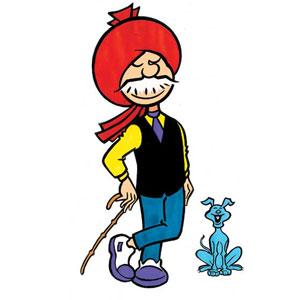
In 1969, a brilliant comic character was born who was in contrast to the macho heroes of the West – an old, frail man with a white moustache and white Paghari (turban), whose brain worked faster than a computer – it was Pran Kumar Sharma’s creation Chacha Chaudhary. Undoubtedly, India’s most popular character, Chacha Chaudhary enchanted the minds of the children and adults alike, the entire nation welcomed this loving and wise character.
Published in the Hindi magazine Lotpot, Chacha Chaudhary’s stories were translated into over ten different languages and it sold more than 10 million copies.
Such was the appeal of this simple yet witty, old but brainy character that this comic book also got made into a television series in 2001, starring Raghuvir Yadav as Chacha Chaudhary. Rocket, Chacha Chaudhary’s faithful dog and Sabu, his strong friend, an alien from Jupiter, also became famous. Everyone enjoyed and learned from Chacha Chaudhary’s anecdotes, making him the entire nation’s Chacha (Uncle).
*
Chacha Chaudhary and his pet dog Rocket. [Source – Wikipedia]
*
With the advent of a new era, the ‘70s, many publishing houses started taking comics seriously. Indrajal Comics to give competition to Amar Chitra Katha started new series based on Indian mythologies and epics.
Focusing on the problems of dacoits, which was prevalent in those days, Aabid Surti gave the readers of Indrajal a new hero – Bahadur – strong, smart and stylishly dressed in Kurta with a pair of jeans; this progressive Indian hero became an idol for many.
Several publishers had a stint in this field, like the Goyal Comics, Madhu Muskan, Champak, Lotpot and the Manoj Comics, while some publishers were there to make a mark and begin the golden age of comic books in India, these were Diamond Comics (started in 1978), Tinkle Magazine (founded in 1980) and Raj Comics (founded in 1986). Thus, by the mid-1980s, Indian comics had reached its golden age, with more than twenty publishers publishing a vivid range of comics.
Diamond Comics successfully brought new characters like Fauladi Singh (India’s first sci-fi superhero), Rajan Iqbal (kid duo detectives), Lambu Motu in the comic world and invited Chacha Chaudhary to guest in some of its series. They knew what the audience wanted and they were ready to change with the changing times; these reasons make Diamond Comics one of the longest-lasting indigenous comic publishing houses in the country.
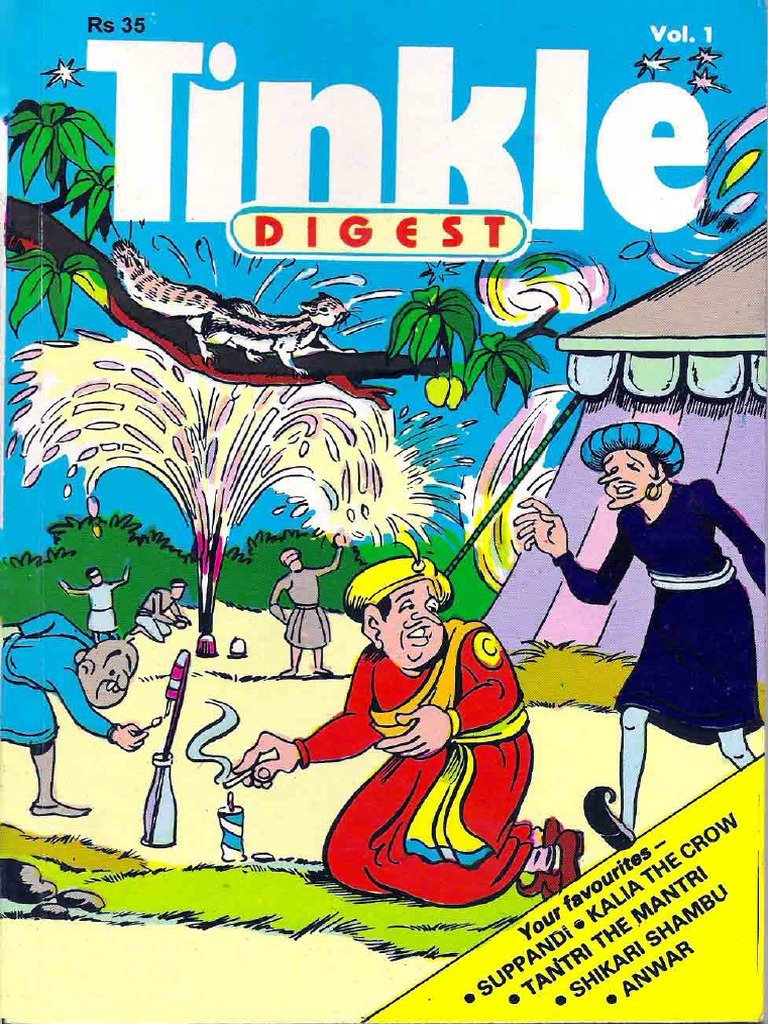
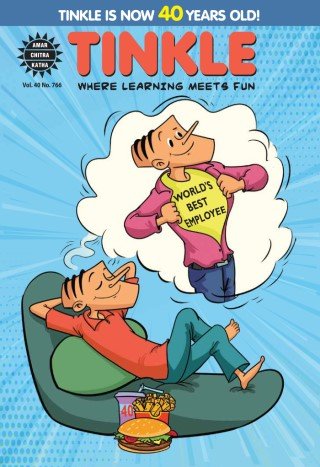
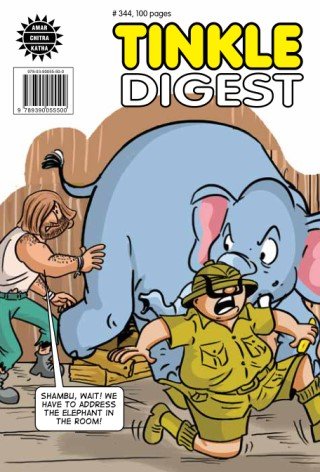
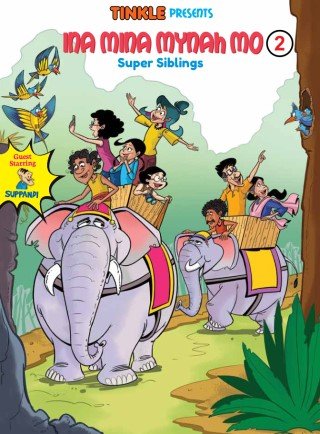
Tinkle, a fortnightly magazine, brought another treat for the comic book lovers; it started offering puzzles, quizzes and contests usually for school children making it extremely popular in no time. Suppandi, Shikari Shambu, Ramu & Shamu, Ina-Mina-Mynah-Mo got nationwide success.
Suppandi was created by legendary artist Ram Waaerkar, who illustrated for the Amar Chitra Katha as well; a large chunk of other characters was created by pioneers of Indian comic book space like Anant Pai and Margie Sastry. Such is its fascination that Tinkle is very much active in the 21st century and also has an active official website.
*
Suppandi [Source – digital.tinkle.in]
Shikari Shambu [Source – digital.tinkle.in]
Ina-Mina-Mynah-Mo [Source – digital.tinkle.in]
Suppandi [Source – digital.tinkle.in]
*
Raj Comics, the longest-lasting Indian publishing house for comics along with Diamond Comics, gave to the masses a strong lineup of fantastic Indian superhero characters, a category in comics that wasn’t yet truly explored in India.
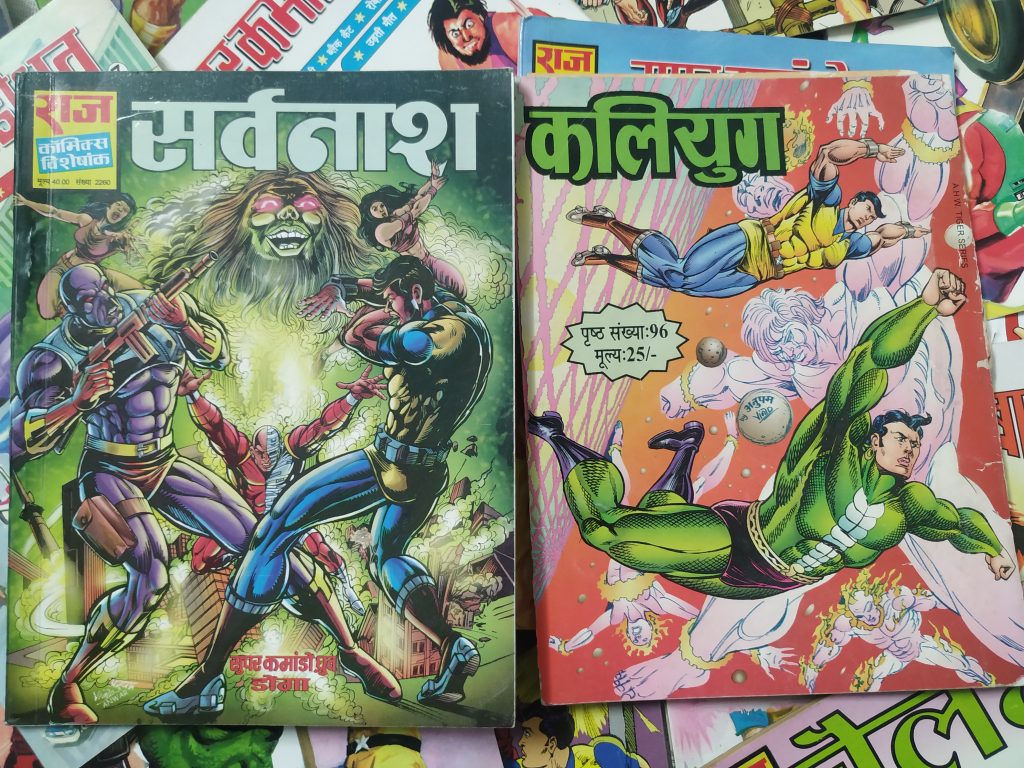
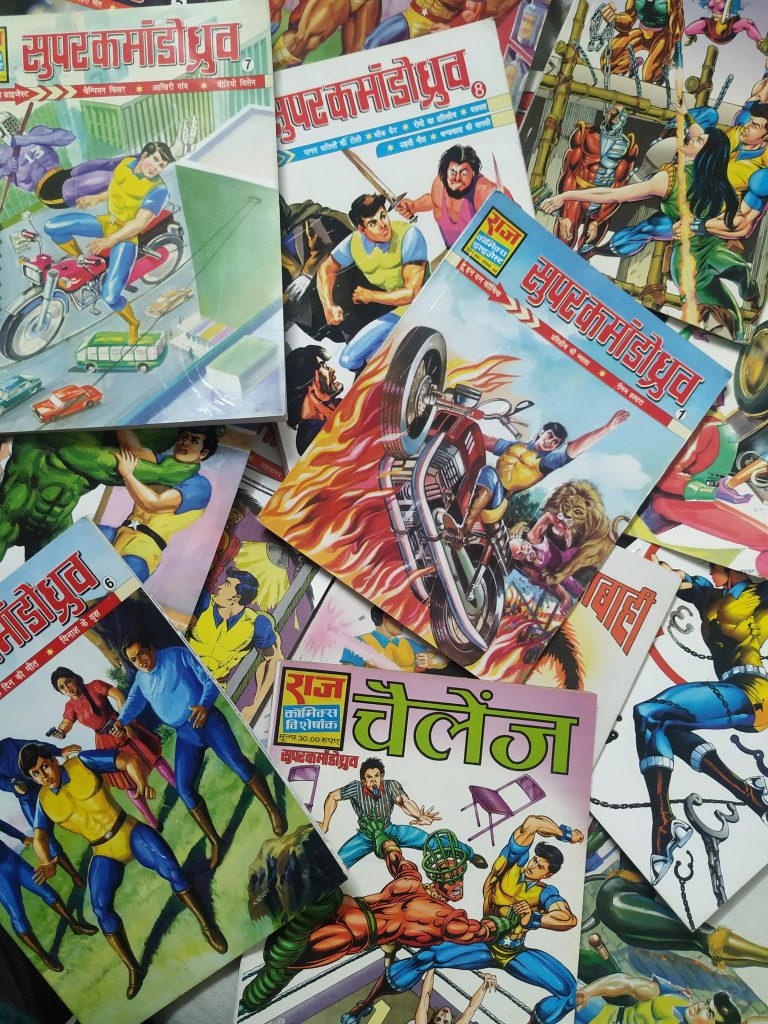
Anupam Sinha’s character, Super Commando Dhruv became young boys’ favourite hero, the striking feature being that Super Commando Dhruv had no superpower, he fought bad guys using his intellect, ability to talk to almost every kind of animal, scientific knowledge, martial art and acrobatic skills, unparalleled willpower and a determination to eliminate evil from this world.
Other popular Raj Comics’ heroes include – Parmanu, a hero with superpowers like the ability to fire atomic rays from his wrist and chest, to teleport and fly; Bheriya, the cursed wolf-human hybrid, who is a skilled warrior, who lives in and protects the jungles of Assam; Bhokal, a winged warrior prince who fights with the mystical sword that can cut through any matter.
The Doga series too had a huge readership; Doga, a ruthless, fearsome vigilante who wears the mask of a dog and believes in uprooting the problem rather than solving it, has no superpowers, except that he can talk to dogs and take their help in finding goons.
Doga is a dark character, an antihero who roams in the sewers of Mumbai and shows no mercy to any criminal. The fan base of Doga series is so strong that there have been talks of making it into a feature film.
But there was another comic book published by Raj Comics that surpassed the success of all these superhero comics, it was the Nagraj series. Nagraj was created by Sanjay Gupta, he was an unmatched superhero with many powers like to release micro snakes from his body, shapeshift, read minds, he had superhuman strengths etc.
With terrorism becoming a reality in the late ‘80s, Raj Comics presented the reader with Nagraj who fought terrorists and aimed to bring peace for the public. Dressed in a striking green skin-tight suit, with a cool hairstyle, Nagraj became a trendsetter.
Nagraj aur Bughaku, a double-sized comic book starring Raj Comics’ flagship characters Nagraj and Super Commando Dhruvpublished in 1991, sold more than 900,000 copies within the first three months of its release, a record that remains unmatched.
*
Super Commando Dhruva, Doga and Nagraj. Photo by Jagriti Rumi; Aditya Thakur’s comics collection.
Photo by Jagriti Rumi
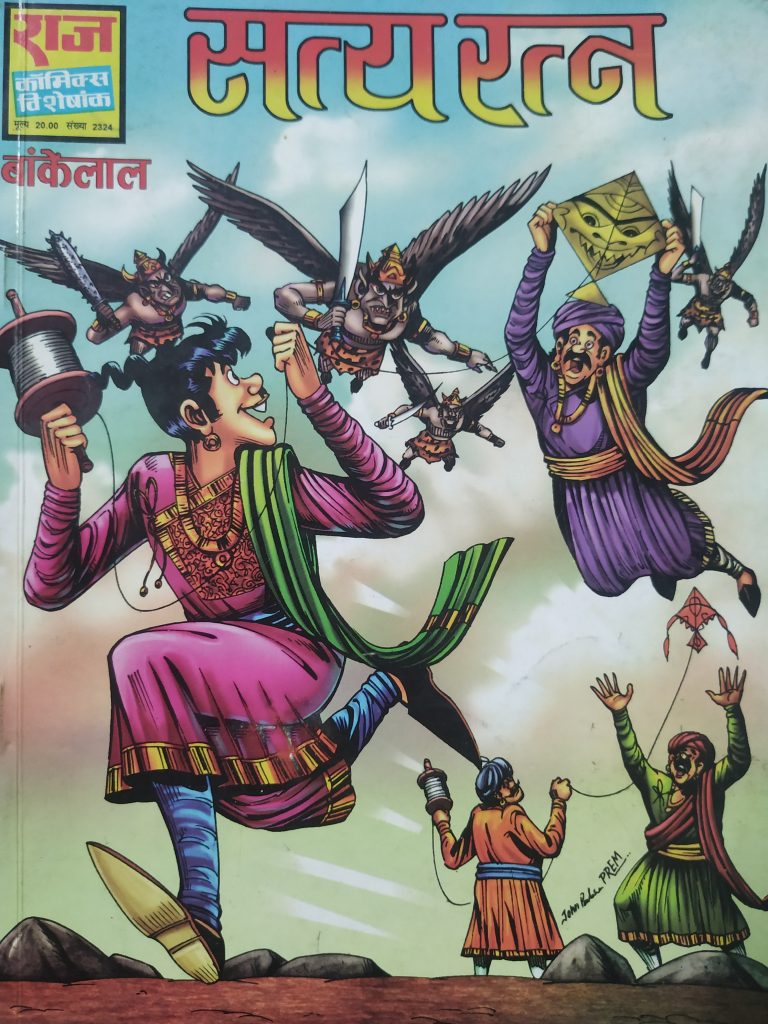
Bankelal Photo by Jagriti Rumi
*
Characters like Bankelal, Gamraj, Fighter Toads (Raj Comics), Detective Moochwala, Gardabh Das (Target Magazine) also became popular in the ‘90s. Manoj Comics published more than 365 comics within a year in the ‘90s, thereby implying that there was a time in the era when readers had one new comic book to read every single day.
Fascinatingly, before the advent of the millennium, the first two graphic novels of India were published, one in the year 1992 – Bharat Negi’s ‘Kissa Ek Karod Ka’, a politicized work based on the Harshad Mehta scam and the second in 1994 – Orijit Sen’s River Of Stories, that talked about environmental, social and political aspects of the controversial construction of the Narmada Dam.
Seeing the success and reach of Indian comics, a US-based company – Gotham Comics, was established in 1997 and with them they brought the publishing rights of DC, Marvel, Dark Horse and MAD Magazine for the Indian subcontinent, to the gladness of the readers.
But to the bad luck of the publishers, the dawn of the 21st century brought the video games, television boom, internet and other major technological leaps that affected the interests and lifestyles of the majority; this caused the decline in the sales of comic books and thus, ended the golden decade of Indian comic books.
The downfall of comic books in India didn’t make this art form extinct. Many Indian artists along with some international publishing houses kept trying to bring back the comic book industry to its glorifying days.
In 2002, San Jose, California-based company published ‘Bombaby The Screen Goddess’, created by Antony Mazzotta; the story revolves around a typical Bombayite who finds that she has powers of the Goddess Mumbadevi and thus, has new responsibilities to handle.
Marvel also launched its Spider-Man: India Project, which went on to become the first major release by a comic book company in India. Understanding the Indian readership, the Liquid Comics and Gotham Comics of India collaborated and together they created epic series on Indian mythology and ancient history; some of their most popular titles include– Sadhu, Devi, Snake Woman and Ramayana 3392 AD.
*
Graphic novels by Indian artists. [Source – goodreads.com]
*
In the new era, the ever-changing and still unstable comic book industry has adopted unconventional ideas and unique methods to lure the public’s interest.
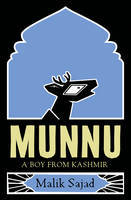
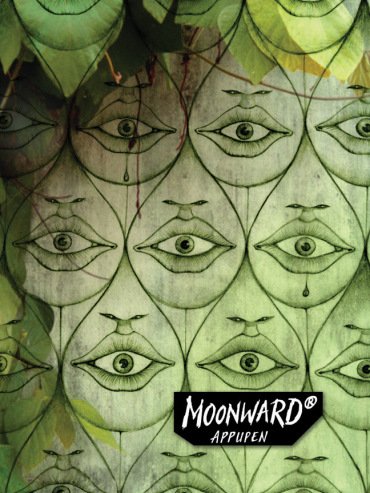
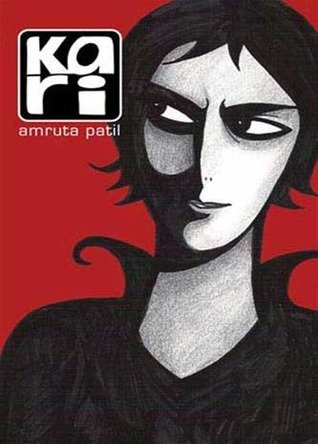
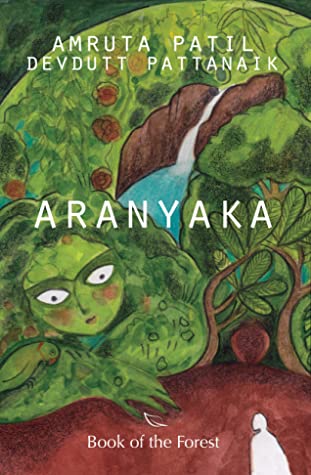
Graphic novels are here and are presenting the adult audience a mirror, not shying away from the grey realities; the drama is real in novels like Kari by Amruta Patil (2008, also the first by a female graphic novelist), Moonward: Stories from Halahala by Appupen (2009), An Itch You Can’t Scratch by Sumit Kumar (2010), Holy Cow Entertainment by Vivek Goel (2011), Sudershan (Chimpanzee) by Rajesh Devraj and MerenImchen (2012), Krishna- A Journey Within by Abhishek Singh (2013), Nirmala and Normala by Niveditha Subramaniam and Sowmya Rajendran (2014), Munnu: A Boy From Kashmir by Malik Sajad (2015).
In today’s fast world, where life has become both advance and complex, artists with their different mediums try to study this advancement, this complexity. Their poems, paintings, novels, comics are like a laboratory of emotional ailments, successes and failures. So for every busy being, what better way to reach this laboratory than through a comic book?
Comic books in any form – print or digital – are here to stay as this storytelling medium is a very powerful one. Whether the sales record approves of it or not, a rich source that offers stories won’t disappear, because humankind cannot do without stories.
We are social animals, we are meant to bond, work together and grow as a society, and thus, nothing can act as a perfect guide as the art of storytelling, not even the advancement in science. This is because science deals with the outer world and the biology of everything, while stories deal with the universal soul and the human soul.
As long as humans thrive, so will the stories, as long as there is imagination, the comic books will keep the readers engaged.
More than a century later Mandarin D again visited the Tinsukia district of Assam with a colourful cryptic message for all.
The transformed world looked the same everywhere and yet Mandarin D observed it buoyantly. Ripples borrowed orange, purple, green and the floating plants, transfixed, only swayed when Mandarin D swam elegantly.
That change is constant, O believer, do not lose hope, that every action counts, O dreamer, do not stop walking, that life is living in the present, O dear, have faith in yourself… Mandarin D read some lines from the message.
But I know, it is up to us to decipher the tone of the message; I picked the fantastical, the awe-inspiring, and folk-tale-like tone for my message – one that promises to surprise, play mystical rhymes and make the impossible possible – and felt elated.
‘That is beautiful, that is indeed the message for you’, said Mandarin D and left suddenly without bidding adieu.
I wonder which tone you will pick for your message.
How well crafted this story of ours is, we get to share motivations that encourage, no matter, even if it arrives a century later.
What a wonderful, serene scene this is… I love mountains.
[Dev breathes in the cool air, then walks ahead and clicks pictures using his new camera; the funky-funny-machine-like clicking repeated sound is in sharp contrast to the peaceful silence present.]
Hmm… Hey, Mr Tambourine Man, play a song for me/ I’m not sleepy and there is no place I’m going to/ Hey, Mr Tambourine Man, play a song for me/ In the jingle jangle morning I’ll come following you…
[Dev walks ahead; his rough shoes making imprints on the kind earth; he continues humming and the wind plays the tune; he then stops and clicks another photograph.]
Who’s that? Does not look like a tourist… she is… why is she standing… on the edge of the cliff?
“Excuse me, you are standing on the edge… the cliff is quite steep… just, just be careful.”
[The girl does not pay much attention to him; she is looking at the grand mountains and the evening sky.]
What is with this girl… she is clearly… oh!
[Dev suddenly starts running; camera in one hand, he rushes, gazing like an eagle at the girl.]
“Hey! Wait! What… what are you doing?”
“Calm down, it is alright”, said the girl curtly.
[Dev halts; panting he takes a step forward and then looks up in the sky; he then presses his forehead with two fingers and sets his hairstyle before looking at the girl again.]
“I thought… I… I thought you are about to jump… sorry!”
[The girl smiles and goes back to looking at the picturesque scene. Dev feeling embarrassed hits his head gently and starts walking away.]
“Will you click a photograph for me? Such a peaceful place this is”, said the girl mesmerised by the view.
“Oh, yeah, sure”, said Dev.
Should I take her photograph or just the mountains…? Oh, she is looking at me and smiling, definitely posing for the camera.
“One moment, please”, said Dev.
[He changes the settings on his Canon DSLR and then gets ready to click the photo.]
Hmm… she is beautiful…
[As Dev sets the frame with the girl to the left side and the mountains in the centre, the girl takes a step backwards and jumps. The camera slips from Dev’s hand and he rushes towards the edge.]
Oh, no, oh, no!
[Dev gulps dry air and peeks down the cliff, he cannot see her anywhere. His heart beats madly and his head starts to spin.]
[Dev again looks down, a gush of wind hits him, this time it is playing another melody. Dev fails to recognise this tune. Dev steps back from the edge of the cliff, takes out his cell phone and turns; he dials the emergency helpline number and looks up. The girl is standing with his camera in her hands.]
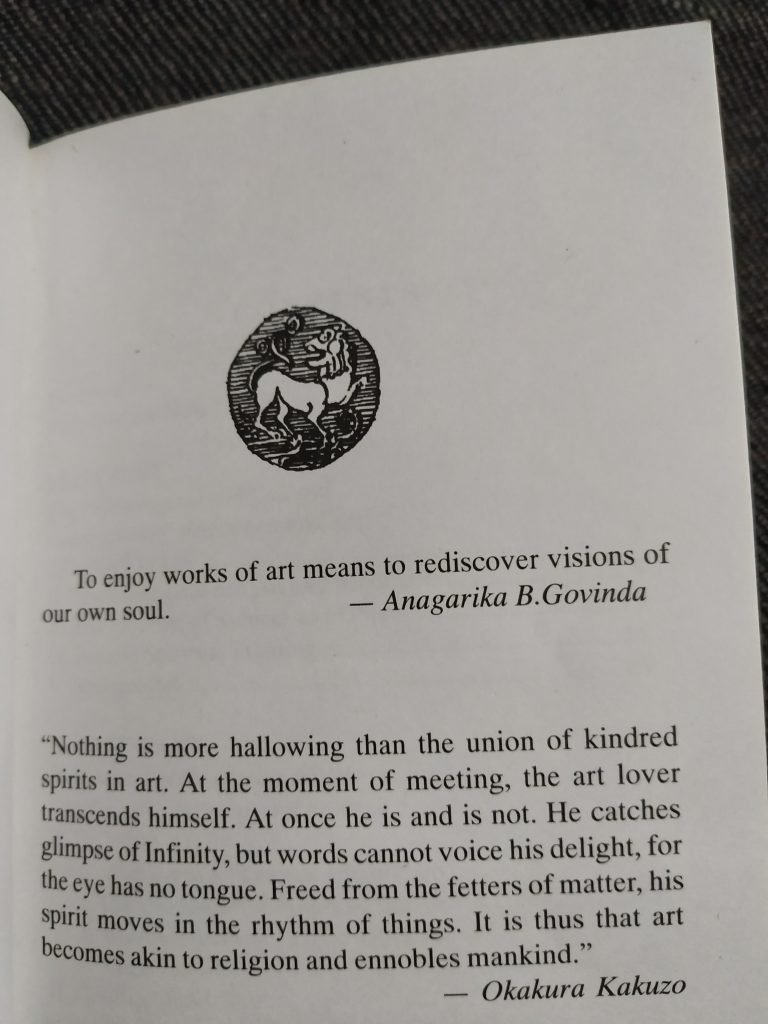
“The enjoyment of art is an act of recreation, or rather of creation in the reverse direction, towards the source of intuition, i.e., an act of absorption, in which we lose our small self in the creative experience of a greater universe.”
Anagarika B. Govinda
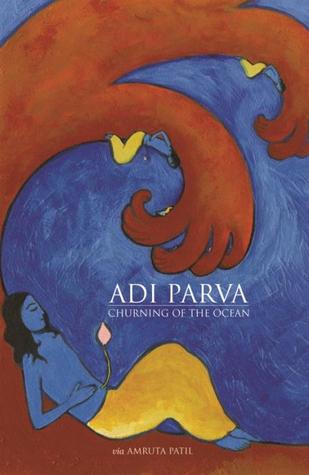
I happen to have a small sweet book titled Art & Meditation (actually a few years back I took it from my brother), written by Lama Anagarika B. Govinda – an artist, a Buddhist monk, traveller and writer.
Sharing his paintings, poems and thoughts with us, he talks about the ineffaceable, elusive yet real, sublimely beautiful link between art and meditation; how true art merges with true religion and vice-versa.
It is not digressive or sluggishly cumbersome, this thought, rather it is stimulating for the one who is not in a hurry.
The author wishes his essays and artwork to serve as koans i.e. ‘meditative problems’ for his readers that churn our thoughts and act as an impetus for continuing the search.
Photos by Jagriti Rumi.
I have gone through this insightful book twice now. What struck me this time was its size, how come Lama Anagarika Govinda’s lectures on art and meditation along with his artwork were capsuled in such a tiny book?
Of course, there must be other collections of his essays and pictures, surely in not-so-tiny a book.
But here I would intentionally turn this coincidence into a grand undertaking and happily say something ambitious.
This beautiful book holds, yes-yes it does, the secret to enlightenment and simply because of its humble, calm and forgiving nature, affordable price, elucidations of the artwork and colour schemes given and the profound ideas shared.
With these balmy thoughts, I will read this book again in the near future for then it will reveal a new secret to me.
Leaving you with an edifying thought –
“Art in itself is a sort of a paradox, a Koan in the deepest sense of the word, and that is why the followers of Zen prefer it to all other mediums of expression. For only the paradox escapes the dilemma of logical limitation, of partiality and one-sidedness. It cannot be bound down to principles or conceptual definitions, because it exaggerates or abstracts intentionally in such a way that it is impossible to take it literally: its meaning is beyond the incongruity of the words.”
Anagarika B. Govinda
Enlightenment, Pocketed- Calm mind beams Together with the heart.
Wars fought for peace have nothing to do with peace as in the very end the avaricious intentions and deceits also win along with the just, powerful ones. All this after crushing many innocent souls.
Yes, life is a cycle of chaos and calm, and we do evolve. We evolve because of the unsung kind-hearted simple folks continue to work no matter what.
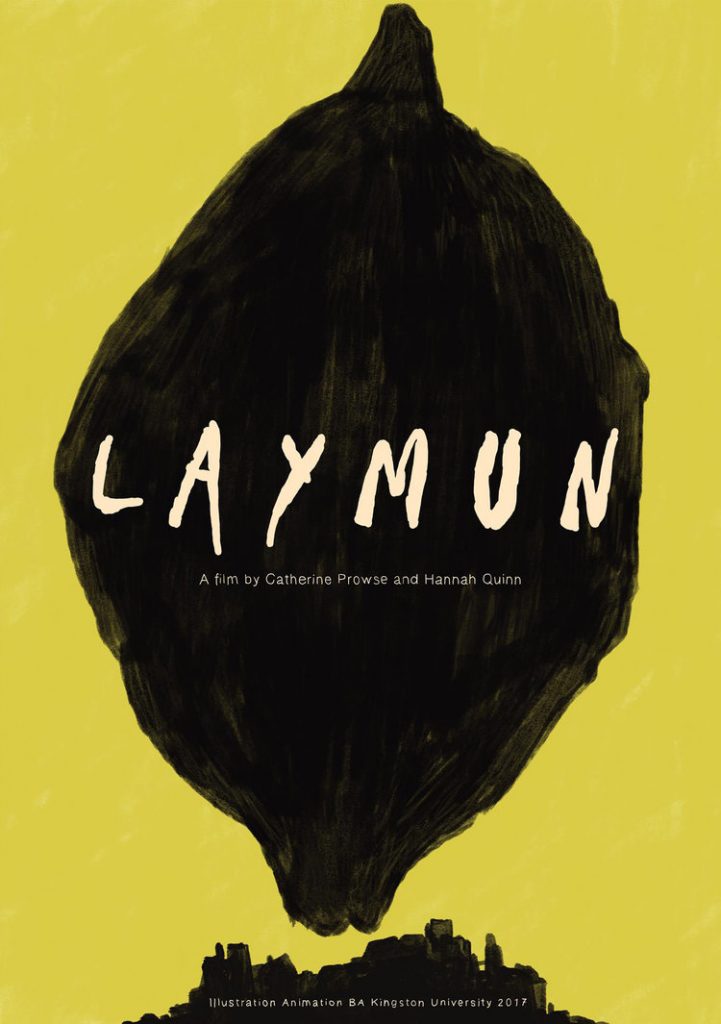
Just like the protagonist in the short animation film titled Laymun (directed by Catherine Prowse and Hannah Quinn; original compositions and sound design by Kalle Jurvanen) who continues to revive the spirits of the Syrian public traumatized by the unending war; she gifts the residents in that area with lemon plants, trying to refresh and enliven their war-sick eyes.
The lemon’s yellowness and its leaves spunky greenness transforms the cracked walls into a brave embroidered piece and beautifies the broken windowsill.
Soon the war frenzy returns without any shame, aerial bombing the city, shattering the gardener’s nursery; she manages to escape.
Bowed but not defeated, she boards the bus that will take her maybe to a better place.
Seeing a little girl, who is sitting next to her, crying and clinging to her mother for comfort, the gardener takes out the only lemon that she had, scrapes off its skin and gives it to the little girl.
The sweet fresh smell of the lemon makes the little girl smile.
*
“Laymun” zest is vital for living. Image by Yousz from Pixabay.
What a beautiful film this is! The gardener in her gentle manner wins over the war, albeit, she continues to struggle. She thus becomes the unsung kind-hearted hero who contributes in bringing change.
“We didn’t want to oversimplify the issues we were depicting in the film and offer a neat, unrealistic ending, but we wanted to offer a note of hope. We found the idea of a lemon seed being taken with the protagonist at the end offered the perfect balance of a possible new start for this character but also a sense of precariousness: would the one lemon left in her city have a chance to grow into something better, or would it perish?”
Paper boat, paper world, paper life. [Source – Pixabay.]
Surely nothing could have highlighted the ephemeral human life better than the usage of paper animation/ cutout animation, quietly mocking the idea of wars, the profitable victory of one over the other… as if they are immortals.
The light-spirited-jumpy smell of any citrus fruit, its taste cheers up a sick one, especially one who has motion-sickness, this age-old remedy is known to all, it has travelled via the “oral culture” routes.
And so has the stories of bloody battles, clashes and bloodshed… we have learned from our mistakes, we have!
Let the paper-light-lemon-fresh stories carry the tales freely.
A Must Watch Short Film –
Laymun – A powerful example of the magic of storytelling.
Read Chelsea Lupkin’s review of Laymunhere. Complement it with the true story of the last gardener of Aleppo that inspired the makers of Laymunhere.
Check out another write-up on a short film titled One, Two, TREEhere.
Intricate works, intricate stories. Image by lapping from Pixabay.
What is history? Does the dictionary tell us everything about it?
History is the branch of knowledge dealing with past events; a continuous, systematic narrative of past events as relating to a particular people, country, period, person, etc., usually written as a chronological account; the aggregate of past events.
While such definitions are important, especially for students and for others to have a basic idea about this field of study, but surely history is more than just a record book.
History tells us about the unapproachable yet important past for generations have lived this life we are now living, on this very planet before we were born and to understand how they succeeded, failed, survived or thrived is a piece of valuable information as then we can prepare well for what is coming in the future.
Talking about future, what will be the future of India, this great country that was once called the golden bird and was the centre of worldwide trade, that was once colonized and had to struggle hard for its freedom, that is now developing into becoming one of the fastest-growing economies in the world and an emerging superpower, what does the future hold for it?
Let us go back in time and see how this land managed so well with its rise and fall to become the India of the present times.
*
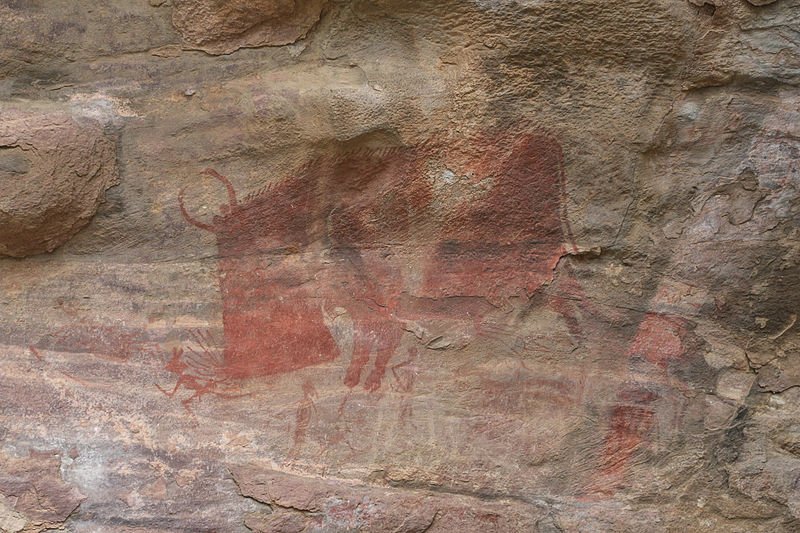
Painting of a horned boar in Rock Shelter 15, Bhimbetka, India. [Source –Wikipedia]
Indus Valley Civilisation is the first name that comes to our minds when we turn to the ancient past of our country, but what is not known to everyone is the fact that there lived people long before the Harappan and Mohanjo-Daro cities were even conceived.
Archaeological studies have proved that human species were present in the Indian sub-continent since over 250,000 years ago and it is, therefore, one of the oldest inhabited regions on the planet.
The earliest records of the Indian history exist in the form of the Rock Shelters of Bhimbetka, Madhya Pradesh (9000 BCE to 7000 BCE) from the prehistoric Paleolithic and Mesolithic periods, as well as the historic period. Another site belongs to the Neolithic Age, Mehrgarh (7000 BCE to 3300 BCE), Pakistan. Archaeologists have not only found Stone Age weapons here but also cave paintings depicting hunters, animals and people dancing.
*
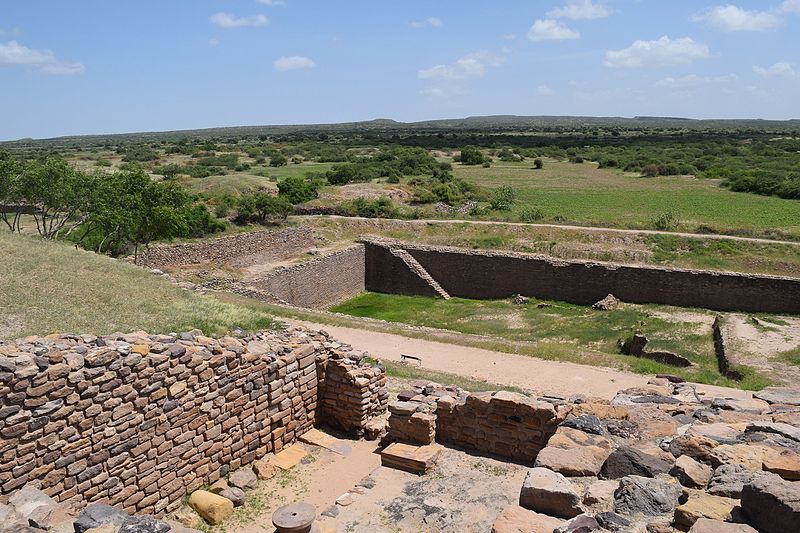
Dholavira in Gujarat, India, is one of the largest cities of Indus Valley Civilisation, with step-well steps to reach the water level in artificially constructed reservoirs. [Source – Wikipedia]
It was around 5000 BCE that Indus Valley Civilization started shaping throughout the Indus and Ghaggar-Hakra river valleys (now in Pakistan), along with the northwestern parts of India, Afghanistan and Turkmenistan.
The well-developed cities of this period, especially the Harappa, Ganeriwala and Mohenjo-Daro, with houses built of kiln-fired mud bricks, the streets laid out evenly at right angles and a sophisticated drainage system, the Great Bath (it may have been a public bath), bronze and copper items like the statue of the Dancing Girl, of Indra (the god of storm and war), terracotta pieces depicting the Shakti (the Mother Goddess) and the cultivation of barley, wheat, peas, sesame and cotton, show how successful a civilization it was.
Also, seals belonging to Indus Valley Civilization have been found at sites in Mesopotamia (another one of the oldest civilizations), meaning that trade was an important source of commerce.
Such details not only highlights the fact that we are a very old civilization that had flourishing art and culture, but it also tells us that our land is ideally located for people to thrive, geographically India is more of a mini world – we have oceans, rivers, deserts, islands and mountains; rich flora and fauna that is supported by six seasons (while there are only four in most of the other countries) – and these favourable conditions were majorly responsible for the early hunters and gatherers to survive.
Knowing then the fact that India’s land is very fertile, that the present situation where our oceans are polluted, rivers dried up, deserts have become harsher, islands are frequently under tsunami threats and mountains are getting much populated, it becomes the duty of every Indian to not exploit, but value the gifts of this land.
After the Indus Valley Civilisation ended, a group of small settlements of different tribes appeared in the North-Western regions of India until the arrival of the Aryans who become responsible for ushering the new age in Indian History – the Vedic Age.
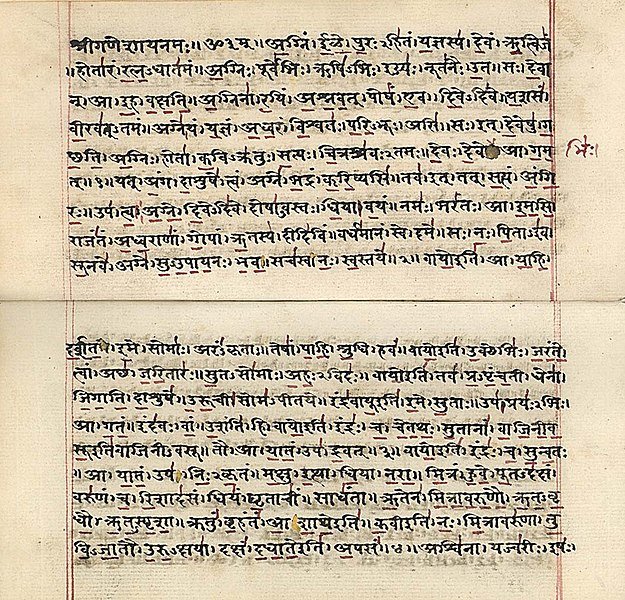
In this period, along with the archaeological legacy, India also got a source of literary legacy – The Vedas (collections of hymns, prayers, and liturgy) are the earliest record of Indian culture. These texts composed in Sanskrit comprises of four major texts – the Rigveda, the Samveda, the Yajurveda and the Atharvaveda. Also, the great religious and literary works of The Upanishads (commentaries on Vedic rituals and philosophical treatises), The Puranas (traditional mythical works), and the two epics – The Mahabharata and The Ramayana – all come from this period.
The Vedas put forth the concept of varnashramadharma, the bedrock of Indian traditional social organization, is built on these three fundamental ideas: varna (social class), ashrama (stages of life), and dharma (duty or righteousness).
The Varna system divided the society into four classes – Brahmana at the top (priests and scholars), the Kshatriya next (the warriors), then the Vaishya (farmers and merchants), and last, the Shudra (labourers). Initially, this system proved good for all as everyone worked according to their capability, but gradually it degenerated to become a corrupt, biased, rigid and false law.
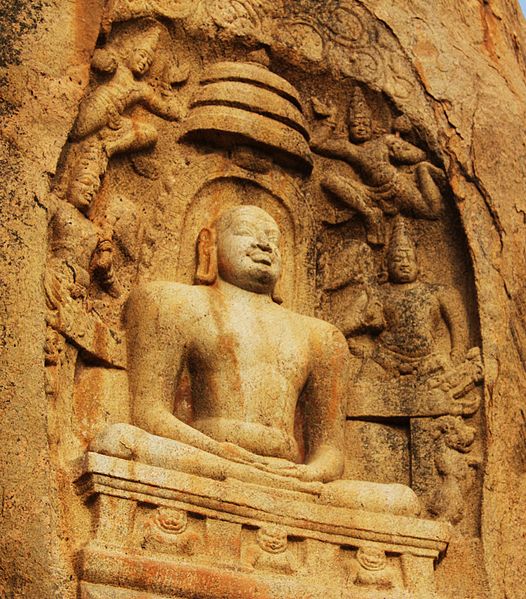
Then came two religious reformers Vardhaman Mahavira (549-477 BCE) and Siddhartha Gautama (563-483 BCE) who completely rejected the orthodox, repressive ideas that Hinduism had then started fostering. Both these belief systems emphasised on renouncing the world and opposed the ritualistic Brahmanic schools that enjoyed the exclusive status of being the interpreters of the ancient Sanskrit texts.
Jainism and Buddhism, formed by the followers of these two reformers, promoted asceticism, the abandonment of ritual, domestic and social action, and the attainment of spiritual illumination in an attempt to win, through one’s efforts, freedom from repeated rebirth.
Not only religion was undergoing such changes, the society as a whole was facing many alterations then like the rise of many powerful kingdoms; while urbanization and wealth of these kingdoms multiplied, it also started attracting attention from the outside.
Cyrus, ruler of the Persian Empire invaded India in 530 BCE and also tried to spread his religious ideas. In 327 BCE came Alexander the Great, who continued his winning streak by conquering some regions of Northern India before his army mutinied. Again, Greek culture influenced all areas of culture in Northern India from art to religion to attire.
With Alexander’s departure from India, the Mauryan Empire (322-185 BCE) rose under the reign of Chandragupta Maurya (322-298 BCE), a significant period in Indian History as it became the first pan-Indian empire. The Mauryan dynasty ruled almost the entire subcontinent (except the area south of present-day Karnataka; Chera, Chola and Pandya dynasties were ruling the south), as well as substantial parts of present-day Afghanistan.
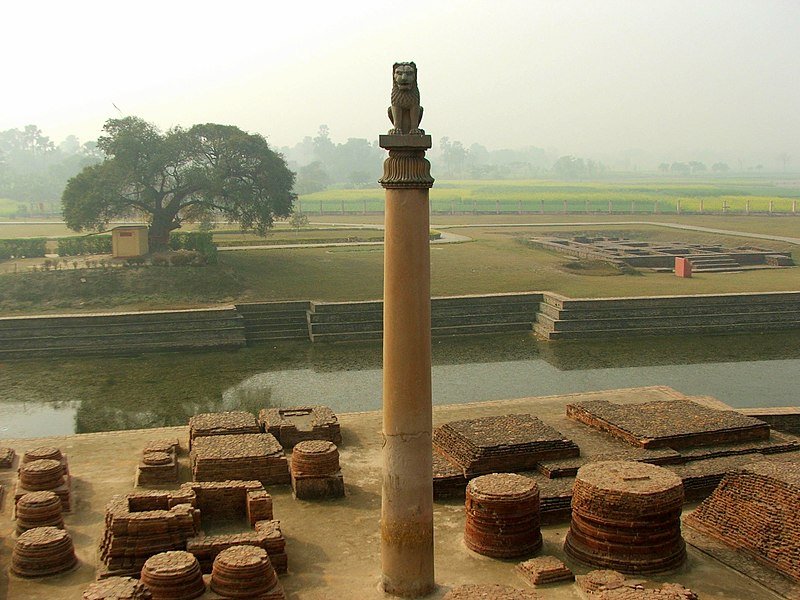
In the 100 years of the successful Mauryan imperial system, the one king who is the most popular even today is Ashoka the Great (269-232 BCE), under whose rule the empire flourished at its height. After the bloody battle of Kalinga, in which more than 100,000 people died, Ashoka had a change of heart; he accepted Buddhism and focused on maintaining peace in his kingdom. He also sent missionaries to spread the teachings of Buddhism in far North, South and even overseas.
With years passing by India saw new empires rising and facing a downfall. In the 3rd century CE to 590 CE, arose the glorious Gupta Empire and under their rule, India witnessed its Golden Age. Philosophy, literature, science, mathematics, architecture, technology, art, engineering, religion, and astronomy, among other fields, all flourished during the Gupta rule, resulting in some of the greatest of human achievements.
Aryabhatta, Kalidasa, Varahamihira and Vatsyayana were some of the many scholars who made a significant contribution during this age; decimal system, the concept of zero and chess came into existence. The Gupta philosophers also discovered that the Earth is not flat but round and that it rotates on its own axis causing lunar eclipse; discoveries regarding gravity and the planets were also made during this period.
The famous caves of Ajanta and Ellora, with their elaborate carvings and vaulted rooms, belong to this age. The Gupta rulers advocated and propagated Buddhism as the national belief and this is the reason for the plentitude of Buddhist works of art, as opposed to Hindu, at sites such as Ajanta and Ellora.
The empire declined slowly under a succession of weak rulers until it collapsed around 550 CE. After this period various dynasties ruled different regions, all contributing to social, economic and cultural changes.
With such a lengthy list of invasions and battles, the Indian battleground had just been prepared for what was yet to come.
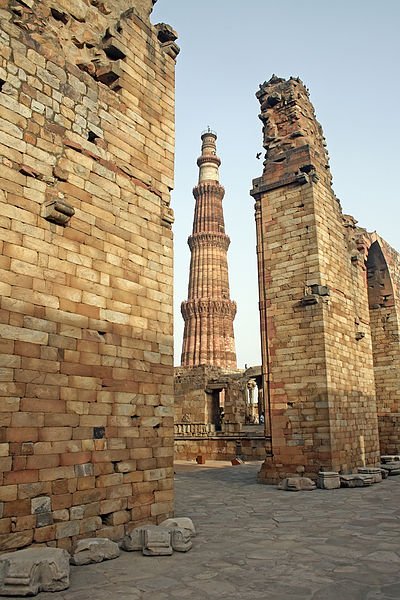
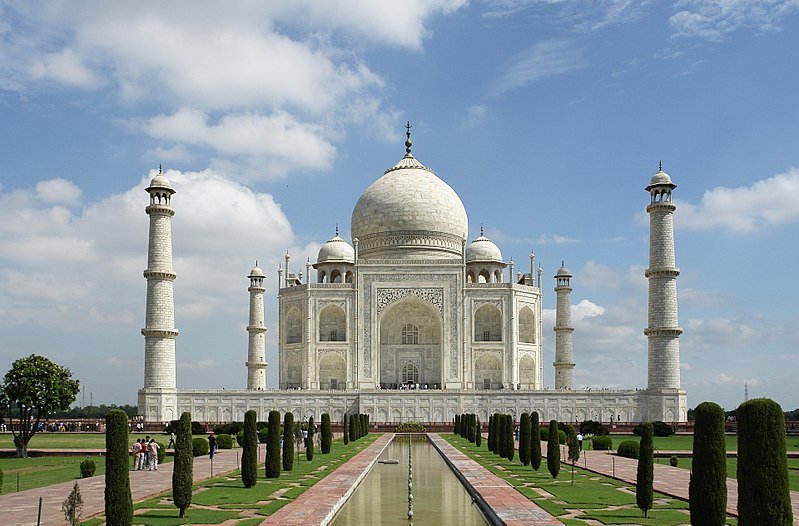
The Muslim general Muhammed bin Qasim, in 712 CE, conquered northern India (modern-day Pakistan) and thus, ushered the beginning of Mughal rule in India – invasion by Mahmud of Ghazni, the battle of Tarain between Mohammed Ghori & Prithivi Raj Chauhan, the establishment of the Khilji Dynasty, the seven main Mughal rulers: Babur, Humayun, Akbar, Jehangir, Shah Jahan, Aurangzeb and Bahadur Shah – that lasted for 331 years, modifying the Indian society to a great scale, merging their culture in the heart and soul of this land and making it a truly diverse country.
While the Mughals ruled and expanded their reign, explorers from the West like Marco Polo and Vasco-da-Gama also visited this country and empires like the Vijayanagar Empire and Maratha Empire saw many successful decades. Many battles were fought by each to expand and save their respective kingdoms, but what ultimately beat them all was the coming of British East India Company.
European countries all scuffled for a piece of rich Asia and thus, originally arriving as traders (of silk, cotton, tea and opium) the British soon started functioning as the military authority in growing sections of India.
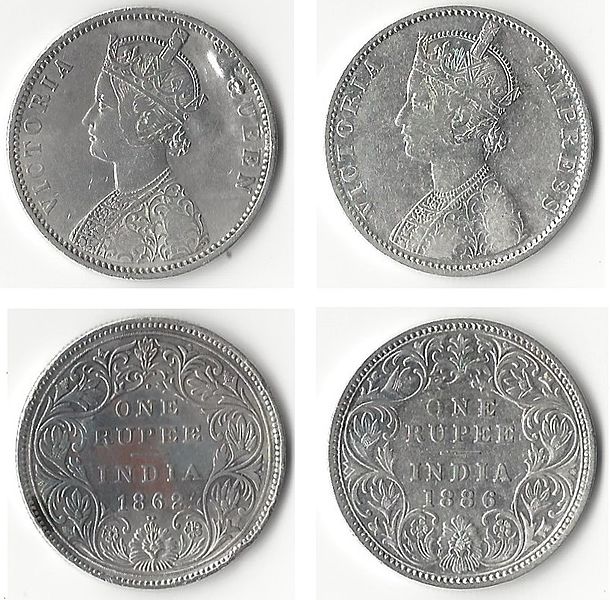
From the battle of Plassey (1757) to the revolt of 1857, the British had established themselves rather comfortably in India. Though Queen Victoria promised that the British government would work to “better” its Indian subjects, the British successfully tried to ‘divide and rule’ this diverse country.
*
Two silver one rupee coins used in India during the British Raj, showing Victoria, Queen, 1862 (left) and Victoria, Empress, 1886 (right). [Source – Wikipedia]
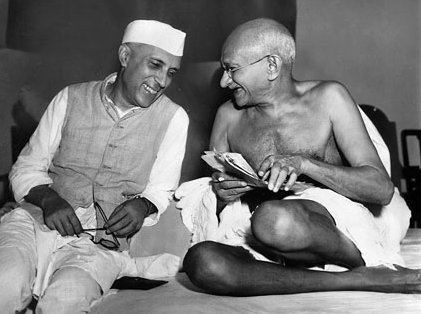
Independence movement started and great leaders like Mahatma Gandhi demanded the British government to ‘quit India’. And as it became difficult for the British officials to handle the violent outbreaks that took place in between Hindus, Muslims and Sikhs, they decided to leave the country once and for all.
*
Jawaharlal Nehru sharing a joke with Mahatma Gandhi, during a meeting of the All India Congress, Mumbai, July 6, 1946. [Source –Wikipedia]
India, in 1947, became a sovereign, socialist, secular, democratic republic. From the year of Independence to the present times, India has been fighting its way through communal riots, poverty, famines, unemployment, corruption, illiteracy, population, pollution, gender inequality, terrorism and more such issues.
And yet, its booming economy, geographical location suitable for world trade, young population, good foreign relations, advancement in science and technology, a strong military force are some of the factors that make it a strong contender to become a superpower in future.
History proves that Indian civilization has stood the test of time and survived against all odds. This fact in itself is an indicator that the future holds good things for this country, but what history also shows is that more than often we have been conquered, sometimes by weapons and sometimes by ruses.
We need to remember this lesson from our Modern History class – ‘united we stand, divided we fall’.
Rather than falling prey to the ideas that lead to communal unrest and disputes, today’s India needs to be tolerant and broad-minded, its leaders should not worry about power, but should work for the public interest, its industrialists should enforce transparency and generosity, and its public should become aware, responsible and hardworking citizens, for this ancient land has nurtured those who have valued it.
History is a guidebook, it shows the magnificent rise and tragic fall of civilizations, for both are a possibility at any given period of time.
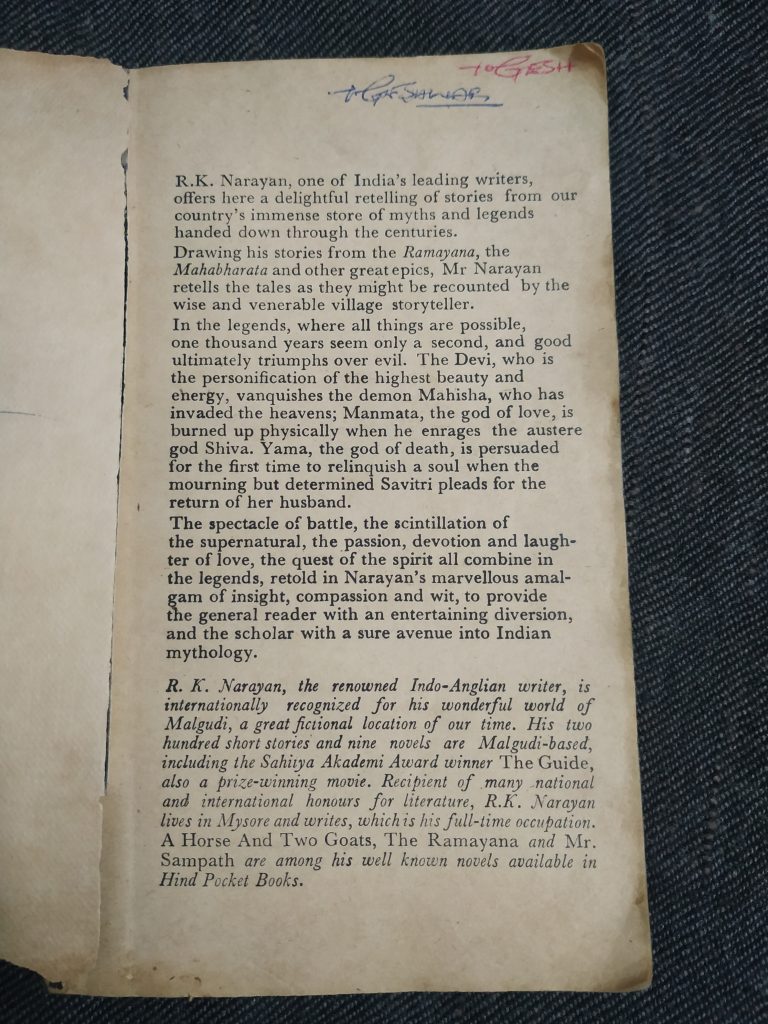
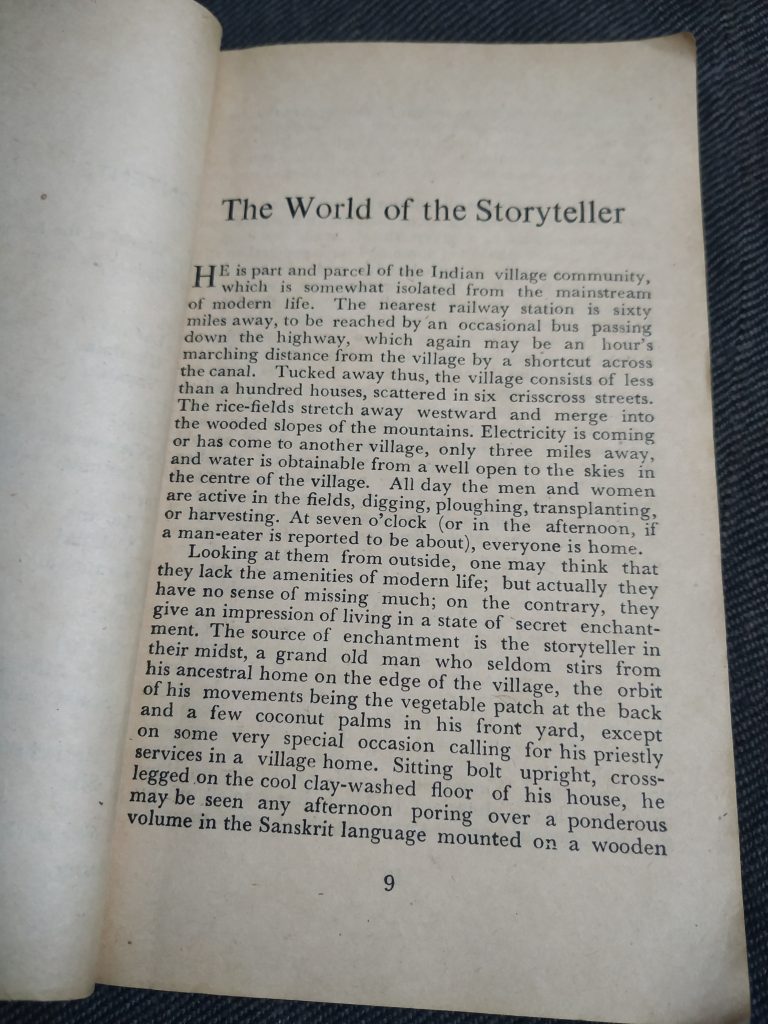
“The time scheme of the epic is somewhat puzzling to us who are habituated to a mere horizontal sequence of events. Valmiki composed (Ramayana) as if he had a past tale to tell, and yet it was broadcast to the world by Kusa and Lava, the sons of Rama, who heard it directly from the author.
One has to set aside all one’s habitual notions of movement and get used to a narrative going backwards and forwards and sideways.
When we take into consideration the fact that a king ruled for sixty thousand or more years, enjoying an appropriate longevity, it seems quite feasible that the character whose past or middle period is being written about continues to live and turns up to have a word with the historian.”
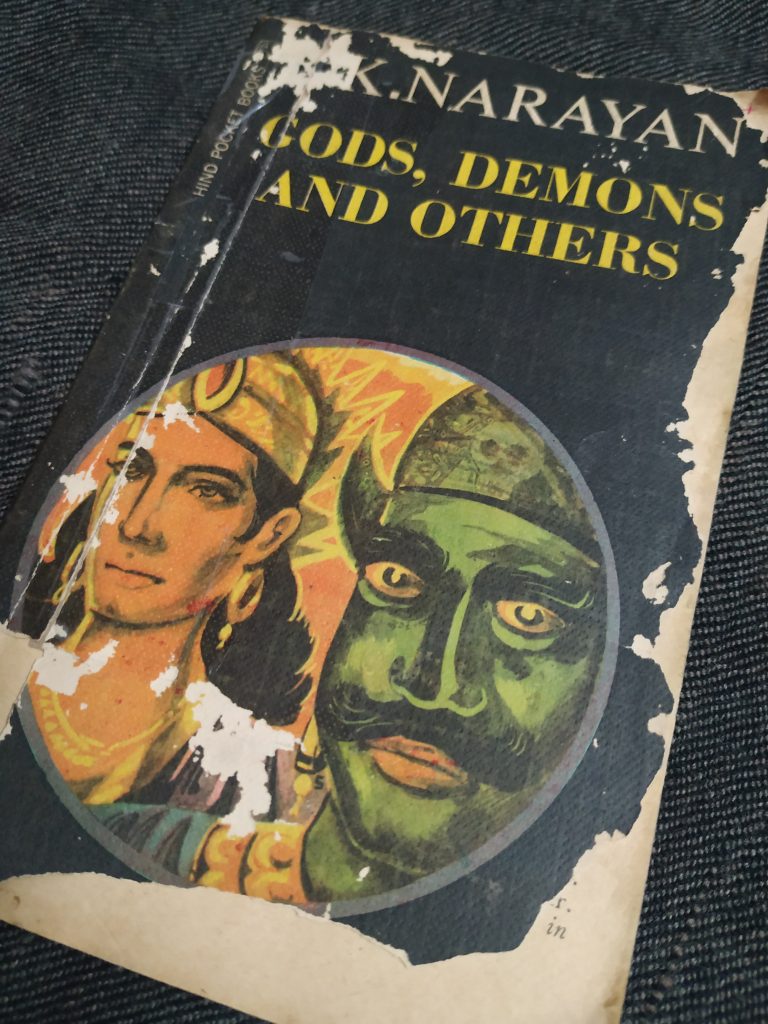
An excerpt from R.K Narayan’s book ‘Gods, Demons and Others’, Chapter 3, Valmiki
*
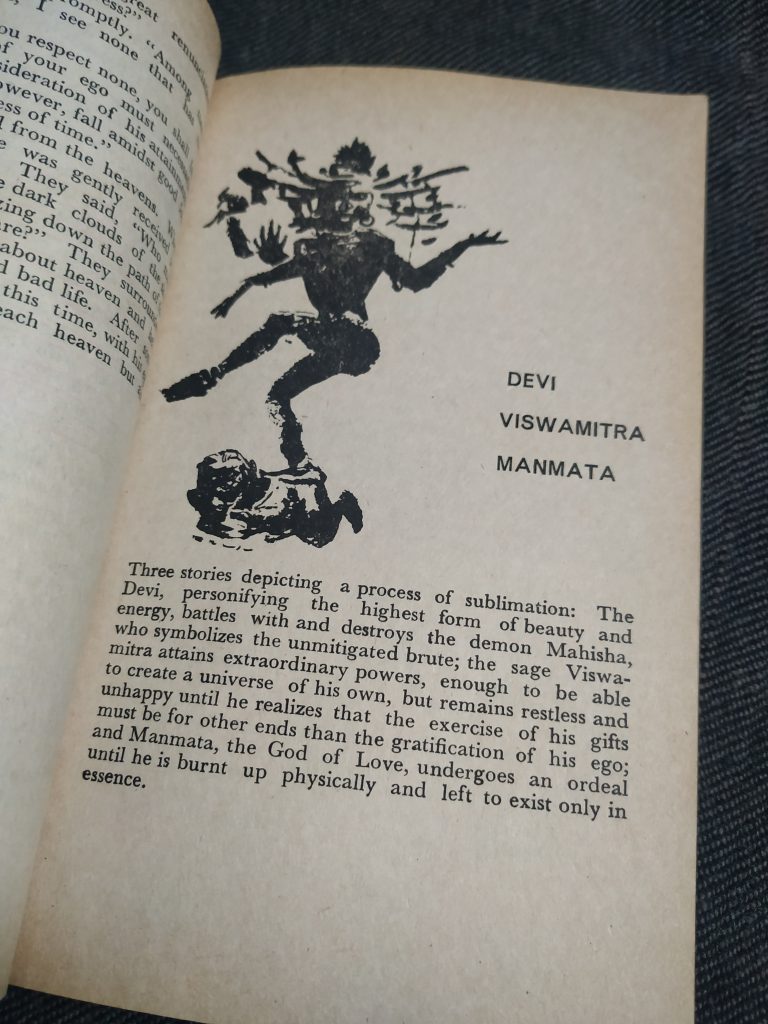
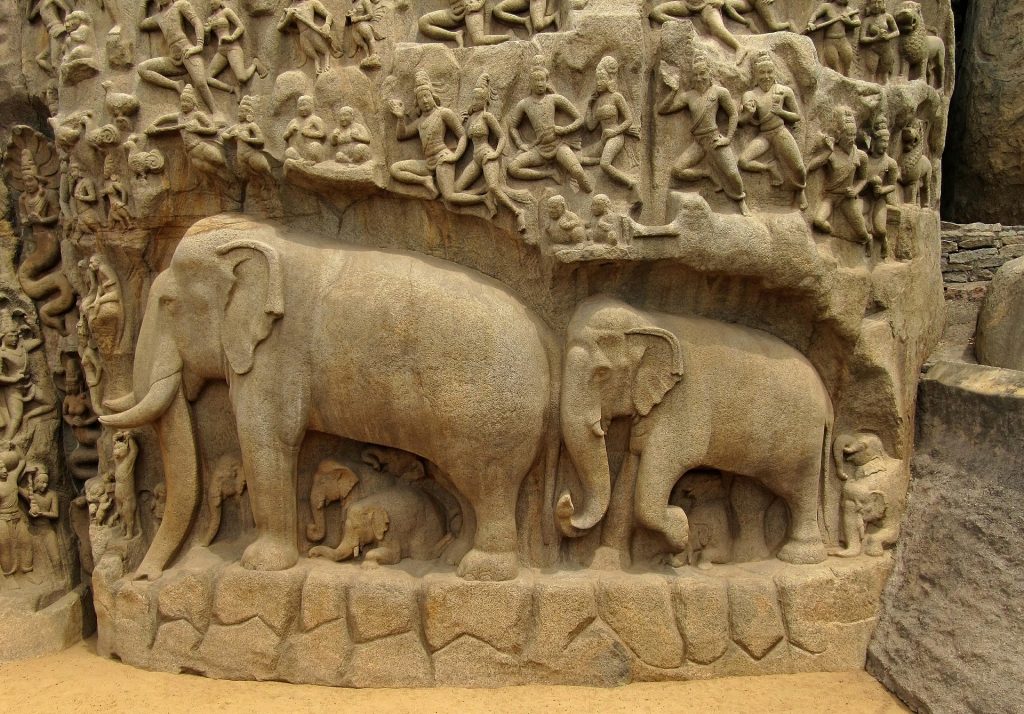
A second-hand old copy of R. K Narayan’s Gods, Demons and Others. Photograph by – Jagriti Rumi
Photograph by – Jagriti Rumi
Photograph by – Jagriti Rumi
Photograph by – Jagriti Rumi
Photograph by – Jagriti Rumi
Photograph by – Jagriti Rumi
The myths, the legends, the folktales, the epic victories and defeats, the deaths and rebirths simplify the reality of the extraordinary spirit – confounded and weakened often by tribulations or lulled by indolence – that resides within us all.
These stories take myriad routes, journeying from the world of Gods to the world of Demons, concluding on a high and happy note, introducing one to the game of life, entrusting with the secrets to winning.
Every emotion makes an appearance here; ego clashes until it shatters to accept change; Gods create obstacles almost breaking one’s spirit, but blesses the resilient one in the end with immortality and splendour.
These unfathomable, and at times a bit ridiculous, tales are the means to measure the unfathomable, ridiculous reality we live in; these tales, the bases of our culture, our rituals and an amalgamation of past societies, lead us.
*
Journeying through the circle of life. [Image from Pixabay.]
Splendidly well-adjusted to change, it accepts deletions, additions, revisions without much hullaballoo. It revels in various versions and shades read throughout the country. Same gods-goddesses, demons, sages, avatars… often playing different roles, but embarking on similar journeys.
Written in a playful and ambitious tone these valued legends, retold by storytellers in every generation, are our inheritance; it holds a secret for every tenacious individual.
It is not a particular theme that is the moral of the story here but the journey, the journey with its endless possibilities and absurdities, twists crafted by the capricious fate and the supremacy of time that gives us insight into our understanding of life.
And such has been the role of the myths, legends and epics and of course, the storytellers and it continues.
The renowned author R. K Narayan’s Gods, Demons and Others is an interesting and engaging read, one that opens the gate to Indian mythology for one and all.
“Nothing is easier than to denounce the evildoer; nothing is more difficult than to understand him.”
Fyodor Dostoyevsky
Stories – every well-told journey – give us a chance to understand different characters – the hero as well as the villain. But who wants to partake in the villain’s journey…? And yet we do, very keen to know her fate. We are thrilled, appalled and disgusted to see her commit a crime, knowing faintly and accepting quietly the destined end.
Stories are cathartic and a key to understanding the difficult, the “stranger than fiction” reality.
A crime thriller TV series set in Northern Ireland, The Fall, is about senior investigating officer Stella Gibson’s search for a serial killer, Paul Spector, who is targeting white young professional women in the capital city of Belfast.
The show is very well written, interestingly shot and credibly performed; a multi-layered plot and pacy structure make it an engaging watch.
Series 1, Episode 1 Analysis
The episode one is titled ‘Dark Descent’ and indeed the darkness falls engulfing not only the protagonist but also the antagonist, for the serial killer’s identity is revealed to us from the very start.
When we see Stella Gibson, who works for the MET (UK), working on an unsolved murder case, we also see the murderer visiting his next victim’s house. He is way ahead of the protagonist and is ready to attack again; the audience knows more than the protagonist and thus, stays engaged to know even more.
What is fascinating is that we are not told much about Stella Gibson’s personal life, rather the questions are left unanswered to be solved by the viewers gradually and thus, she remains Metropolitan Police Superintendent Stella Gibson who is smart, strict and brutal when it comes to dealing with murderers.
And on the other hand, we meet the antagonist, Paul Spector’s entire family – his wife and his two lovely children. Yes, the serial killer is a family man and not only that, but he is also a Grief Counsellor (a form of psychotherapy). We are repeatedly shown how particular he is about things in his personal and professional life, quiet in his demeanour, but always ready to pounce back if pestered. Paul Spector is an intelligent criminal.
These details show what Stella Gibson is up against, it makes the antagonist stronger, raises tension and keeps the viewer on edge.
One does not see scenes of murder or violence scattered impractically in this series, but the fact that a serial killer is on the loose, someone whose psychology the audience has now started to understand, creates another level of dreadful yet gripping mood.
We understand that two equally clever and fierce personalities are steadily moving towards each other, but we also get to know that the other characters, the side tracks, will come in their way – either to help or to obstruct. Such intricately are all the characters crafted that they stay with you.
One such character is Olivia, Paul Spector’s little daughter, who gets night terrors and is unable to sleep properly. In the first episode, it is established that Olivia is a bit too sensitive and picks on small things. In another scene, one of Paul’s patients, who recently lost his son and had come for counselling, tells him that his son died because “a son has to pay for the sins of his father”. Though Paul does not agree with him, we understand that this scene is a foreshadowing of what is yet to come.
In the first episode, Stella Gibson finds out a link between the case she is investigating and another murder case but struggles to convince her seniors that they are chasing a serial killer and not just a murderer.
Meanwhile, Paul Spector executes his plan, the darkness within overpowers him completely.
Gillian Anderson as Stella Gibson, Jamie Dornan as Paul Spector. [Source – fanart.tv]
Highlights
The multi-layered storyline unfolds bit by bit, not at all diminishing its impact in any way.
The antagonist’s world is drawn with much more clarity than the protagonist’s, allowing the audience to know the villain’s psychology and to maintain a mystery around the hero.
Every subplot is in one way or the other linked to either the hero or villain, thus, keeping the interest alive throughout the show.
Both the hero and villain are presented as vulnerable characters; both have weaknesses and can be defeated.
The grey side-characters give the show a realistic feel.
While mobiles, laptops and cameras in a thriller can make things too simple, here the advance technology only supports the story and does not override it.
The gritty, ominous music that sparingly plays in the background adds to the overall tone of the show.
The Fall, a character as well as a plot-driven show, is an engrossing watch that leaves you wondering about how psychological complexes possess a human mind.
The Fall
Written by Allan Cubitt; Directed by Jakob Verbruggen and Allan Cubitt
I am joy running free/
freely flying, fluttering, soaring in a valley/
Of joy am running free.
Greetings!
A storyteller, following the ancient tradition of cave chroniclers, standing in vrikshasana (the tree pose) on a hill top (it is sunny, but windy), breathing in and out stories (relishing it all, but at times overwhelmed), declares animatedly that she will continue to – tell stories, share rare story gems, and connect with the pacy universe while also keeping the website ad-free.
Big thanks to my readers. Stay tuned!
Also, a humble request to the new subscribers to check the spam folder after subscribing. Silly (but necessary) confirmation emails often land there instead of the bright inboxes. Merci!
Ya-hoy!
Chiming Stories (formerly Home Chimes)
P.S – Supporting a storyteller is good for the world’s health (and undoubtedly, for the storyteller’s health as well). Shower some love by sharing, commenting and subscribing to the Weekly Newsletter.
Gabbeh, the 1996 film, is a simple tale of a gipsy girl, her clan and the way their life goes on. Unfolding beautifully just like an artist painting a canvas, Gabbeh quietly touches the grand questions.
Ranked as one of the greatest British films of all time, The Lavender Hill Mob confides in the audience, letting them see, feel, laugh and think without tickling persuasively with a joke here and a punch-line there.
Godard… Breathless and Alive
A Tribute to Jean-Luc Godard, the Film Philologist who Reinvented Cinema.
Yes fly! For walking on the second track is dull and usual, but dreaming high, high, high requires tools. Tools like the right pair of shoes, a chirpy, gritty soul that eats butter-jam dreams, a soul that drinks milky-milky creams.
Silver cascade shimmering the night sky, music to the waves and surreal beauty to the eyes, the Moon loves the art of discipline.
It may be difficult to believe for the Moon’s splendour defies time, it stupefies the clock, it follows the path of a dreamer, but how could this be possible if the Moon knew not discipline?
In this moment, I am a little bit of this and a little bit of that, I am complete and incomplete, I am pleased and uncertain, I wish for nothing and I know I have to wait.
Because the distance covered reminds me of the hurdles I have crossed and the ones I could not, it reminds me of a throbbing past and a dreamy future and it reminds me of how much time is left.
Meredith and the Green Lake
Illimitable Splendour
A joy so complete without any rise or fall, so free without any time corners, so real without true being false, false being true.