A phase is defined as any stage in a series of events or a process of development; while we all go through different phases in life, at times we either forget to notice or simply become fearful of transitions, inadvertently being ignorant about the fact that this phenomenon is universal. In this short poetry collection, the blogger has attempted to capture this subtle yet powerful phenomenon – phases that are observable in every journey undertaken.
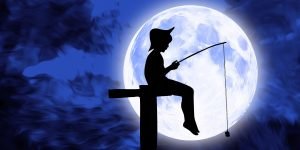
Waiting to take a stand, sitting comfortably, letting the waves cover with silt our body, mind and soul, we continue waiting, living.
Glaring caustically at the silt, we regurgitate pompously.
Unable to cross the maze, we burn the walls down, unable to touch the sky, we pull it to the ground.
Waiting for them to distinguish between the truth and hearsay, to dust off our earnest intentions, to demystify our vision, we humbly stretch and wait.
In waiting for an autonomous lustrous life, we steadily pass by, dulling our society.
C. P. Cavafy, “a Greek gentleman in a straw hat, standing absolutely motionless at a slight angle to the universe” (as per his friend E. M. Forester), wrote the poem “Waiting for Barbarians” in 1904, juxtaposing the past with our modern thoughts, superimposing the ancient image on the now, yes the now, swiftly jolting the reader from slumber and questioning “this wait”.
*
Aren’t they coming!?
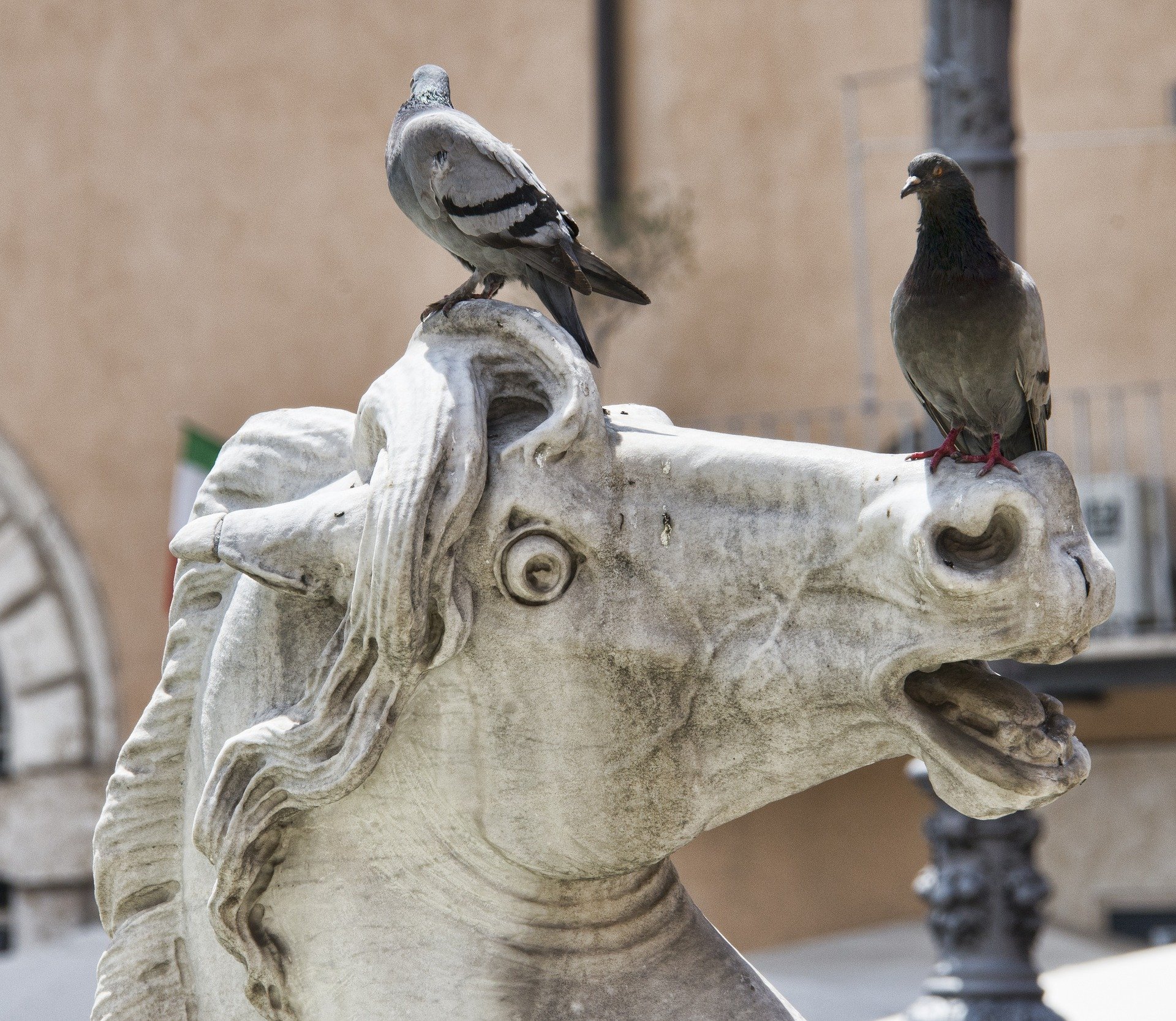
Neigh, neigh!
The leaders in ancient Greece, the poem shows, await desperately, in static opulence, for the Barbarians to come and take over everything and to begin mending every disaster, but when they don’t come, the city dwellers are aghast as now they will have to tackle problems and take decisions on their own.
And so the free individual, waiting for an external source to revitalise the life, takes a dip in the bright, glittering mirage, dreading, complaining, ignoring, barricading, adjusting all the while, and refusing to end “the wait”.
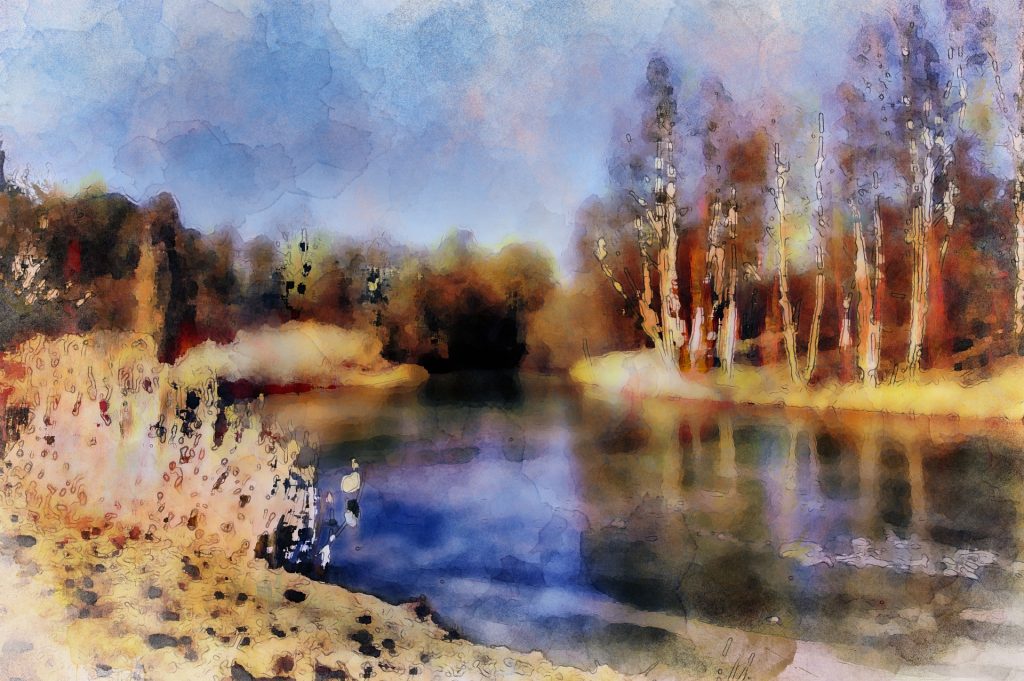
The river… sketching its way ahead… [Source – Pixabay]
The Negro Speaks of Rivers
by Langston Hughes
*
I’ve known rivers:
I’ve known rivers ancient as the world and older than the flow of human blood in human veins.
My soul has grown deep like the rivers.
*
I bathed in the Euphrates when dawns were young.
I built my hut near the Congo and it lulled me to sleep.
I looked upon the Nile and raised the pyramids above it.
I heard the singing of the Mississippi when Abe Lincoln went down to New Orleans, and I’ve seen its muddy bosom turn all golden in the sunset.
*
I’ve known rivers:
Ancient, dusky rivers.
My soul has grown deep like the rivers.
Rivers – streams, creeks, brooks or rivulets – love to flow; flowing towards a sea, lake, an ocean or another river, and at times also drying out. Rivers love to flow just like life.
Most of the earlier civilisations prospered when they settled around rivers, channelizing the same love when drinking its fresh water.
And when mankind sat in a circle around the fire and created stories – of the sun, the moon, the thunder and the wind – they fostered their imaginations and decided to pass on the love running in their blood to a lovely supreme one.
Different supreme ones took the centre stage at different places and myriad dramas unfolded that the rivers watched quietly, flowing, gushing with joy every moment.
Resisting neither the rocks nor filth, accepting the dead and plastic bottles alike, it continues to flow… for now.
Still like a mirror, moving like a reflection… [Source – Pixabay]
Langston Hughes in his poem The Negro Speaks of Rivers connects the human soul with the world’s ancient rivers; the hands that cupped to drink water, the feet that crossed the river, whatever race it belonged to, felt the same damp calmness every single time they drank water and crossed the river.
Written during the early twentieth century when African Americans struggled to achieve equality and justice, Hughes, presenting a powerful historical perspective in this poem, emphasises the link between his ancestors, the ancient rivers and the rest of the human civilisation.
The Euphrates, often believed to be the birthplace of human civilisation, the Congo, powerful and mysterious, that saw the rise of many great African kingdoms, the magical Nile that carries with poise the secrets of the great Egyptian pyramids, the folklorist Mississippi that shared here the tales of Abraham Lincoln and American slavery – shows how rivers carry the past in its depth, carrying it always with love.
And the one who sees with love can sense the connection between rivers and souls, between them and us; we all started this journey together, the rivers are a testimony.
“I’ve known rivers:
Ancient, dusky rivers.
My soul has grown deep like the rivers.”
Experience and history, though often oppressive, have not extinguished but rather emboldened the development of a soul, the birth of an immortal self, the proud ‘I’ that now speaks to all who will listen.
I am joy running free/
freely flying, fluttering, soaring in a valley/
Of joy am running free.
Greetings!
A storyteller, following the ancient tradition of cave chroniclers, standing in vrikshasana (the tree pose) on a hill top (it is sunny, but windy), breathing in and out stories (relishing it all, but at times overwhelmed), declares animatedly that she will continue to – tell stories, share rare story gems, and connect with the pacy universe while also keeping the website ad-free.
Big thanks to my readers. Stay tuned!
Also, a humble request to the new subscribers to check the spam folder after subscribing. Silly (but necessary) confirmation emails often land there instead of the bright inboxes. Merci!
Ya-hoy!
Chiming Stories (formerly Home Chimes)
P.S – Supporting a storyteller is good for the world’s health (and undoubtedly, for the storyteller’s health as well). Shower some love by sharing, commenting and subscribing to the Weekly Newsletter.
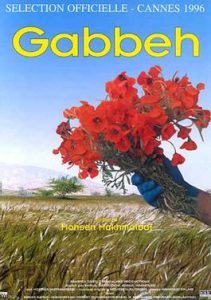
Gabbeh, the 1996 film, is a simple tale of a gipsy girl, her clan and the way their life goes on. Unfolding beautifully just like an artist painting a canvas, Gabbeh quietly touches the grand questions.
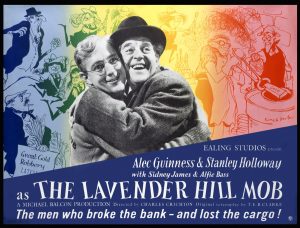
Ranked as one of the greatest British films of all time, The Lavender Hill Mob confides in the audience, letting them see, feel, laugh and think without tickling persuasively with a joke here and a punch-line there.
Godard… Breathless and Alive
A Tribute to Jean-Luc Godard, the Film Philologist who Reinvented Cinema.
Yes fly! For walking on the second track is dull and usual, but dreaming high, high, high requires tools. Tools like the right pair of shoes, a chirpy, gritty soul that eats butter-jam dreams, a soul that drinks milky-milky creams.
Silver cascade shimmering the night sky, music to the waves and surreal beauty to the eyes, the Moon loves the art of discipline.
It may be difficult to believe for the Moon’s splendour defies time, it stupefies the clock, it follows the path of a dreamer, but how could this be possible if the Moon knew not discipline?
In this moment, I am a little bit of this and a little bit of that, I am complete and incomplete, I am pleased and uncertain, I wish for nothing and I know I have to wait.
Because the distance covered reminds me of the hurdles I have crossed and the ones I could not, it reminds me of a throbbing past and a dreamy future and it reminds me of how much time is left.
Meredith and the Green Lake
Illimitable Splendour
A joy so complete without any rise or fall, so free without any time corners, so real without true being false, false being true.