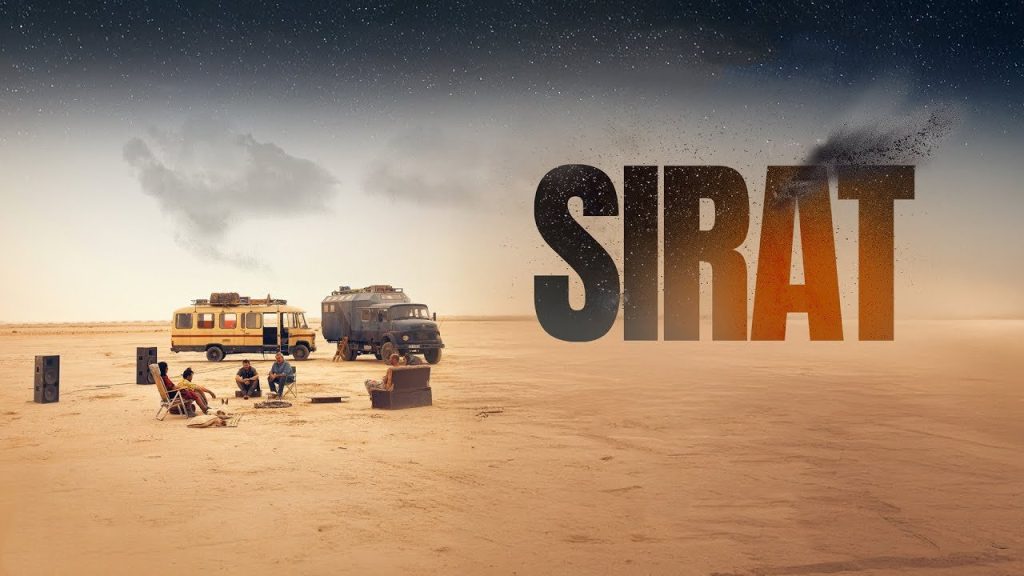
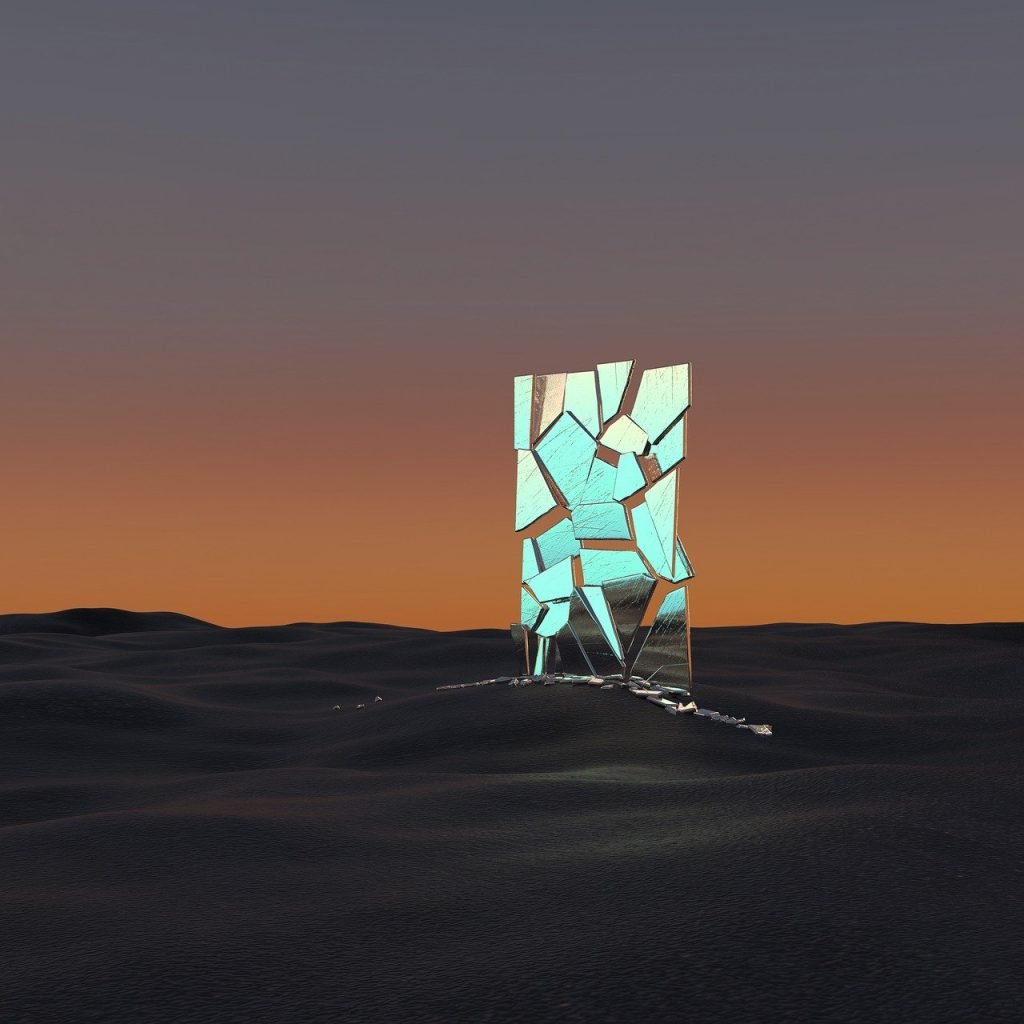
Quiet and meditative energy of the whole world appears to erode everything here for it is a rocky desert region, and that golden sun and that bright moon drop shadows, following every soul as if to engulf it.
But that which is eroding is full of life and not static. It moves in all directions, in exuberance, this energy does, swallowing whatever comes in between.
Nothing is lost here and nothing is found, everything stays right in front of your eyes and you take in as much as you can.
A कारवाँ (a caravan of people travelling together) moves through such a land and is caught unawares in this directionless, seamless bigger movement. They stay in shock until they learn to tune themselves to what is unfolding.
What is unfolding is too simple to be seen in a rush, it is a drama that is acting upon itself. Its movements are beautiful, in stillness it rises and flowing it colours us all, sooner or later.
The कारवाँ sees its beauty, at times terrified by its brutal suddenness, unable to see its care in a rush. They finally become one with the quiet and meditative energy of the whole world, the whole universe that appear to be eroding everything here.
Sirāt is a 2025 drama road film directed by Óliver Laxe and co-written by Santiago Fillol and Laxe. It follows a father in search of his missing daughter along with his son and a group of ravers in the deserts of southern Morocco. – Wikipedia [Image source – whentostream.com]
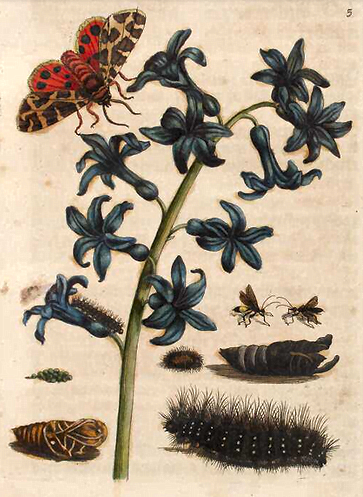
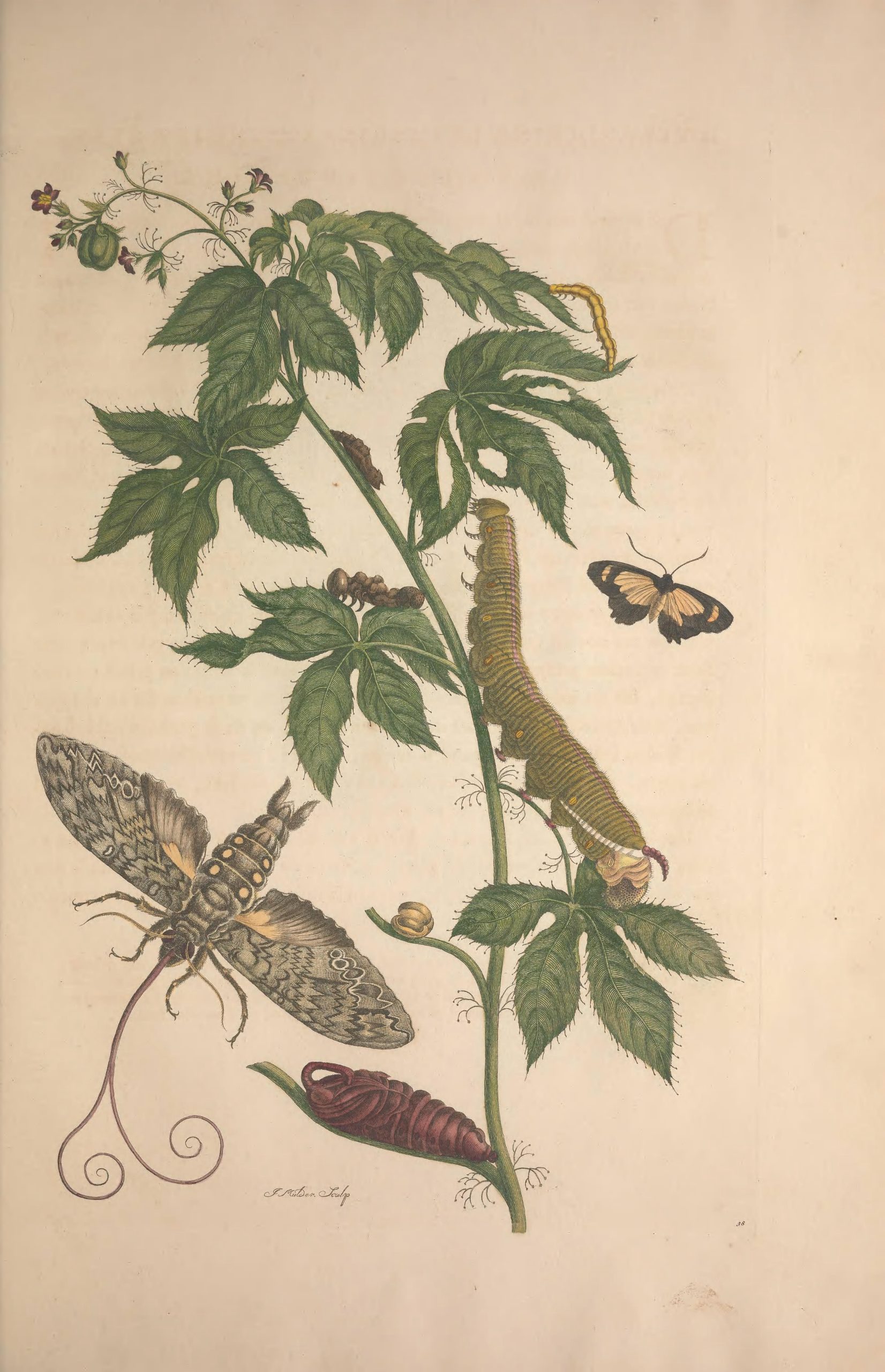
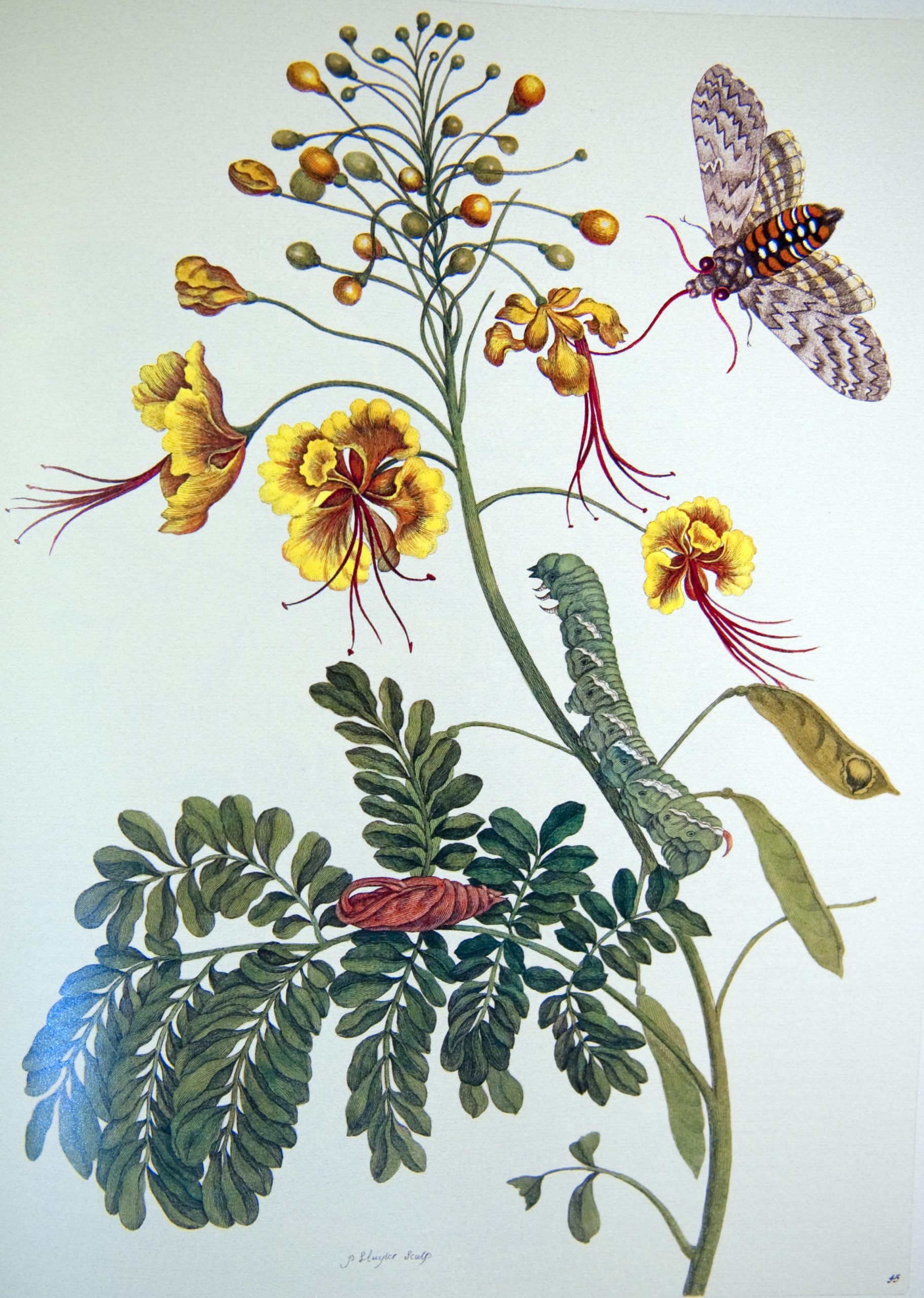
An illustration by Maria Merian. Plate 5 of Caterpillars vol 1, depicting the metamorphosis of the garden tiger moth, its plant host, and parasitic wasps. [Source – Wikipedia]
*
Little Maria loved drawing. Drawing something beautiful, beautiful like an insect, a small being living in a jar, brimming with life, ready to burst, ready, delicate wings, ready to fly, fly-fly-fly, finding that plant, that flower, that fruit, which becomes its new home, where it rests and lay eggs for the cycle to continue blooming, for life to rise in a tiny form, a beautiful form, in sync with the movement, the grand movement, grand yet subtle, that speaks with the sun, the stars, the galaxies, all light and bright, such colours in the dark, brimming with life, bursting, moving in waves, gently touching all life, gently letting the wind lift the tiny insect which flies looking for that plant, that flower, that fruit, which becomes its new home.
*
Title page of The Caterpillars’ Marvellous Transformation and Strange Floral Food, first volume, published 1679 – Wikipedia
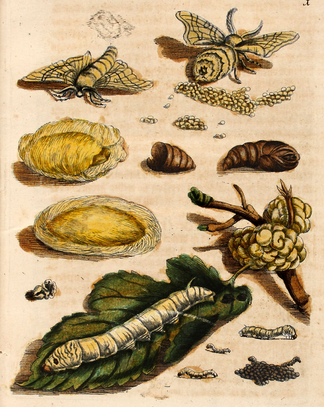
Plate I of Caterpillars vol 1, entitled “Maulbeerbaum samt Frucht”. It depicts the fruit and leave of a mulberry tree and the eggs and larvae of the silkworm moth. – Wikipedia
Plate showing the stages of the Cocytius antaeus from Metamorphosis insectorum Surinamensium. – Wikipedia
Coloured copper engraving from Metamorphosis, “Spiders, ants and hummingbird on a branch of a guava”. The spider in the bottom left corner is eating a bird. – Wikipedia
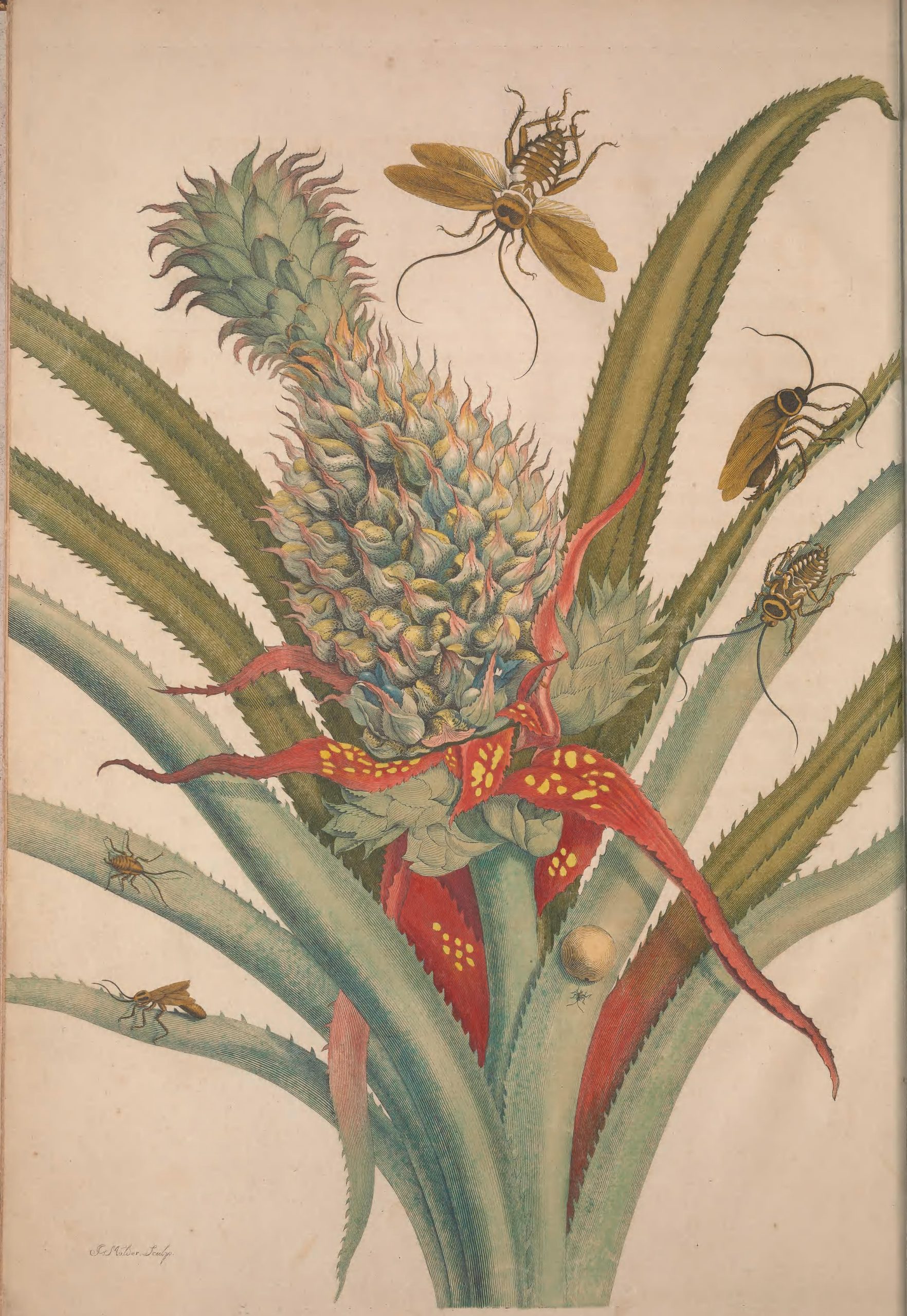
Plate 1 of Metamorphosis, showing a pineapple and cockroaches. – Wikipedia
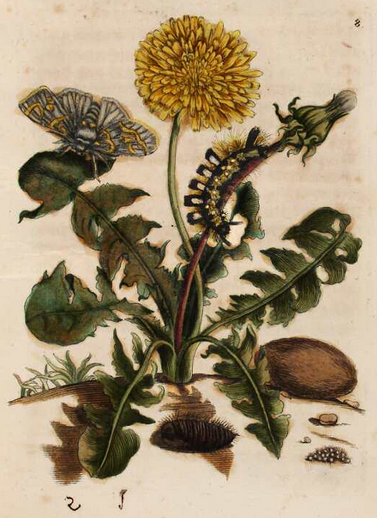
Plate 8 of Caterpillars, first volume. Depicting a dandelion Taraxacum, with Dicallomera fascelina, the dark tussock moth. The Dutch common name for the moth Meriansborstel is named for Merian. – Wikipedia
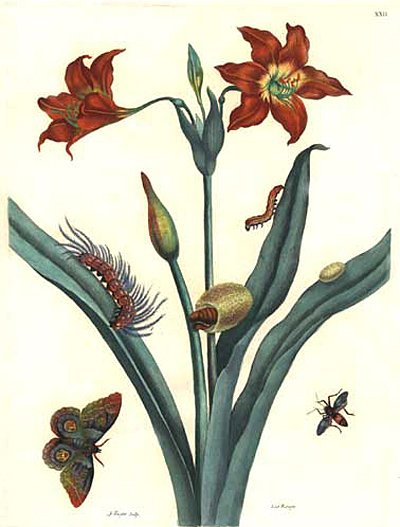
Illuminated Copper engraving from Metamorphosis insectorum Surinamensium, Plate XXII. – Wikipedia
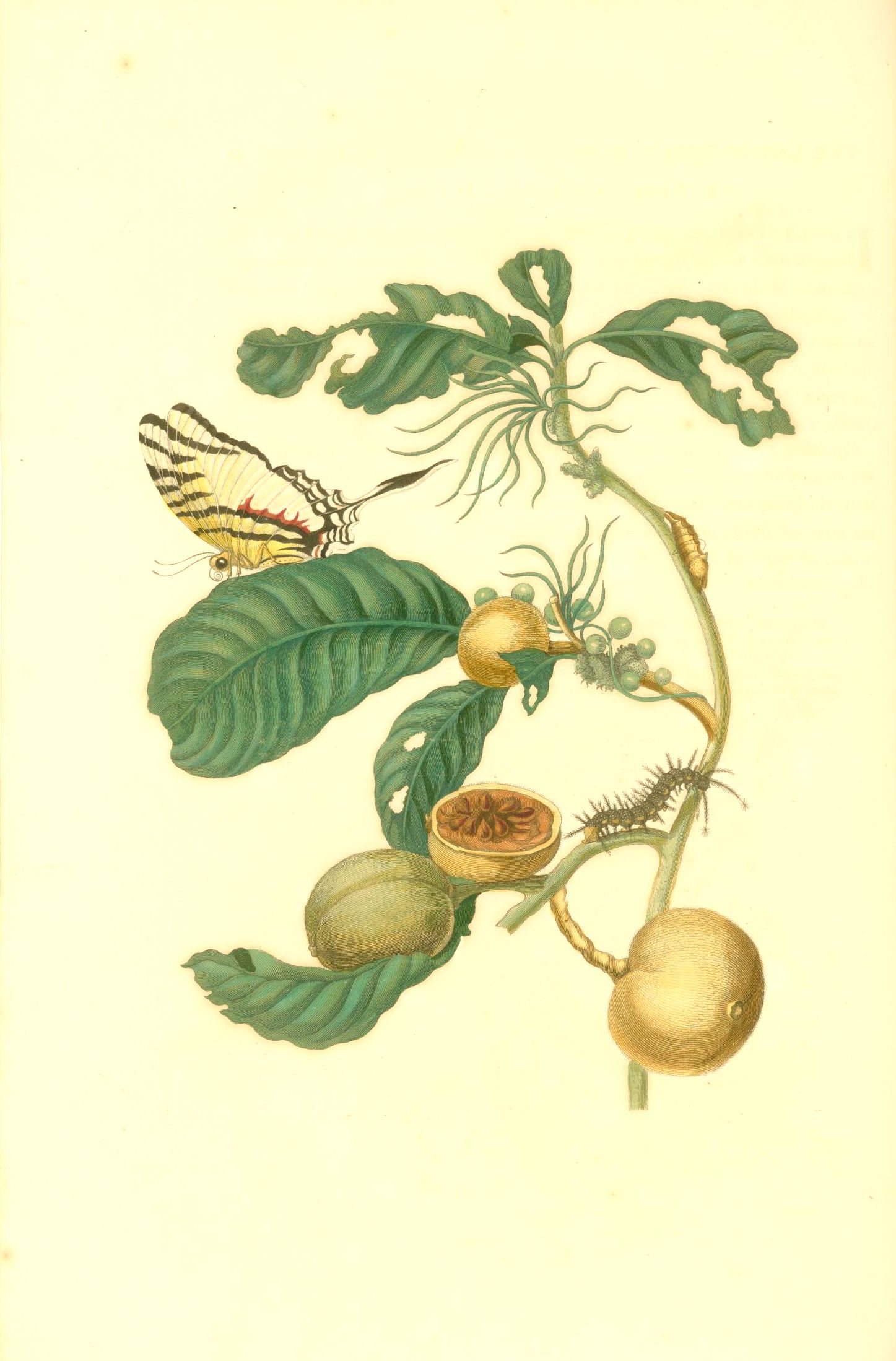
Duroia sp. and assorted insects – Wikipedia
Illuminated Copper engraving from Metamorphosis insectorum Surinamensium, Plate IX. Maria Sibylla Merian, 1705 – Wikipedia
Illuminated Copper-engraving from Metamorphosis insectorum Surinamensium, Plate VI. 1705) – Wikipedia
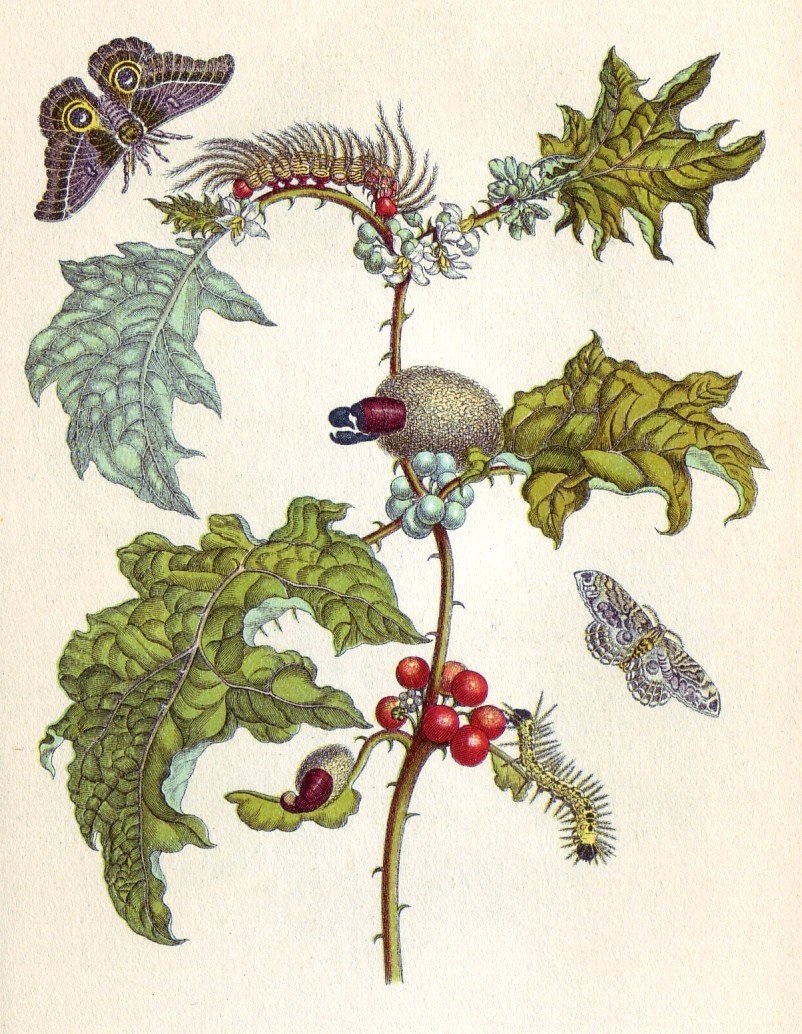
From Metamorphosis insectorum Surinamensium, Plate XIII. (Spondias purpurea) – Wikipedia
Illuminated Copper-engraving from Metamorphosis insectorum Surinamensium, Plate XLVIII. 1705 – Wikipedia
Illuminated Copper-engraving from Metamorphosis insectorum Surinamensium, Plate XXVII. Musa paradisiaca, 1705 – Wikipedia
Illuminated copper engraving from Metamorphosis insectorum Surinamensium, Plate XLV. 1705 – Wikipedia
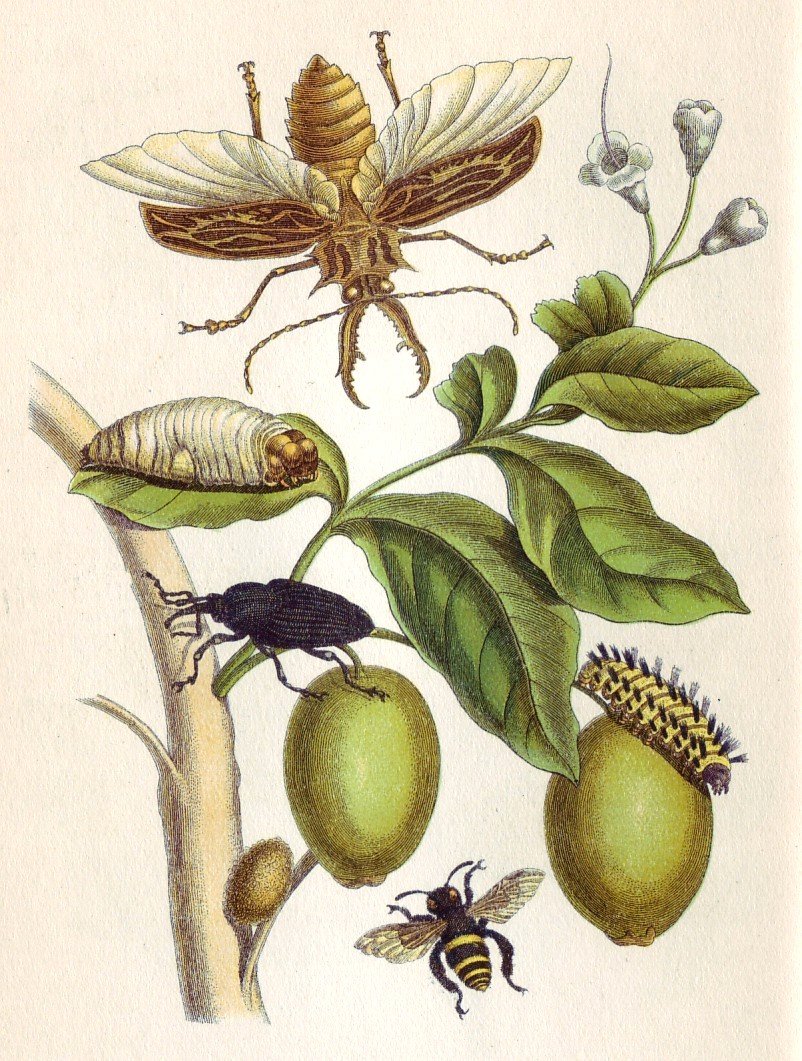
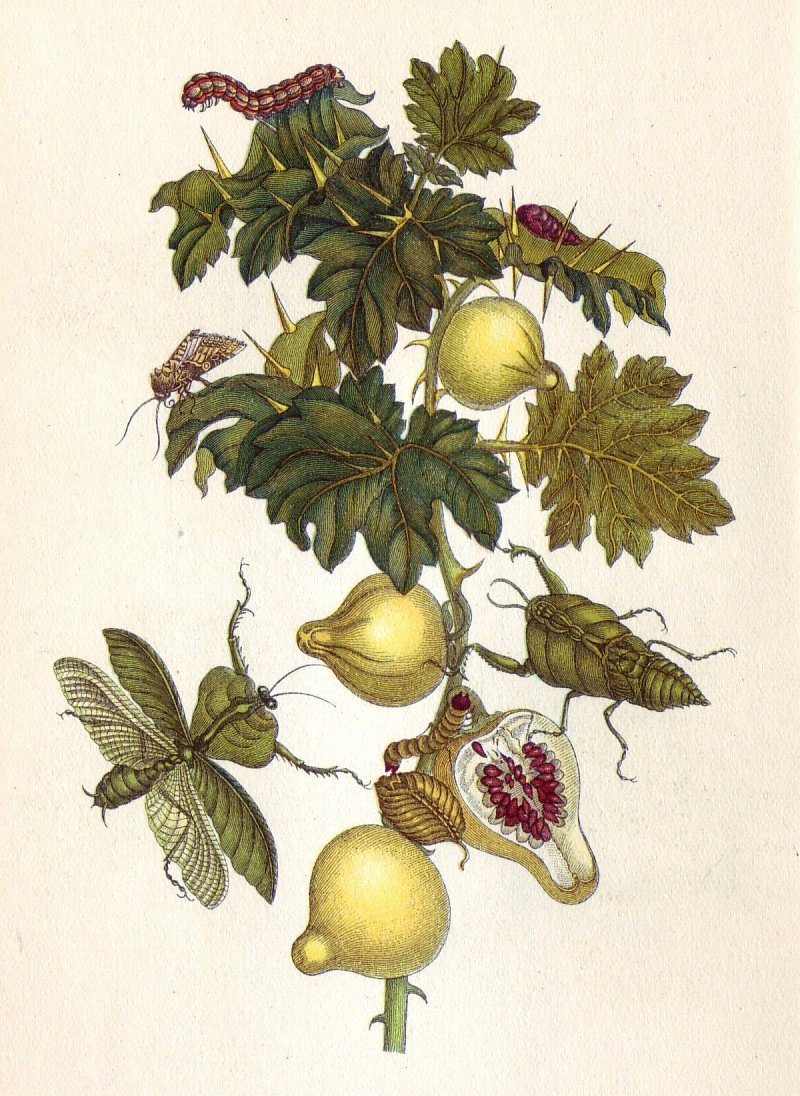
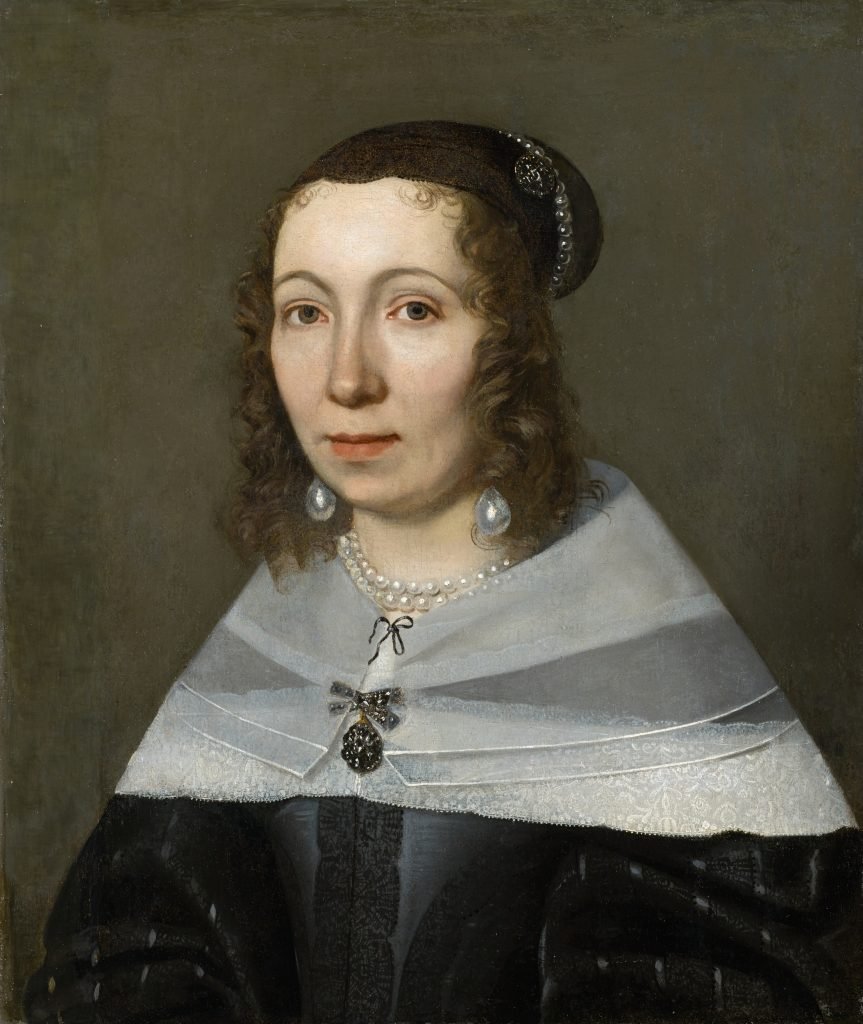
Maria Sibylla Merian was a German entomologist, naturalist and scientific illustrator whose work led to the advance of entomology in 17th and 18th centuries. Her first book of natural illustrations was published in 1675. In 1679, she published a two-volume series on caterpillars and in 1705, she published Metamorphosis Insectorum Surinamensium (“The Metamorphosis of the Insects of Suriname”).
Arguably the most important work of her career, it included some 60 engravings illustrating the different stages of development that she had observed in Suriname’s insects. Similar to her caterpillar book, Metamorphosis depicted the insects on and around their host plants and included text describing each stage of development. The book was one of the first illustrated accounts of the natural history of Suriname. – Britannica
Her detailed work contributed in understanding the life cycles of an insect, dispelling the two millennia old scientific theory of ‘spontaneous generation’ according to which insects were thought to be ‘born of mud’, that living creatures could arise from non-living matter.
*
Watch this short video now to know more about the awesome Maria Sybilla Merian and her work –
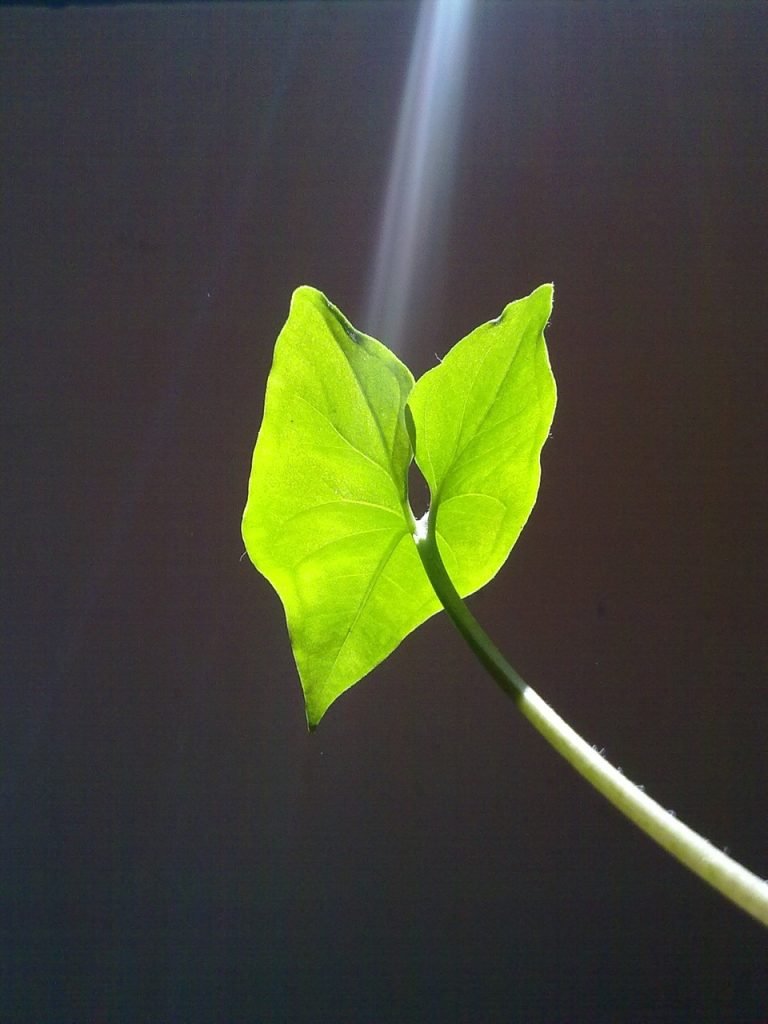
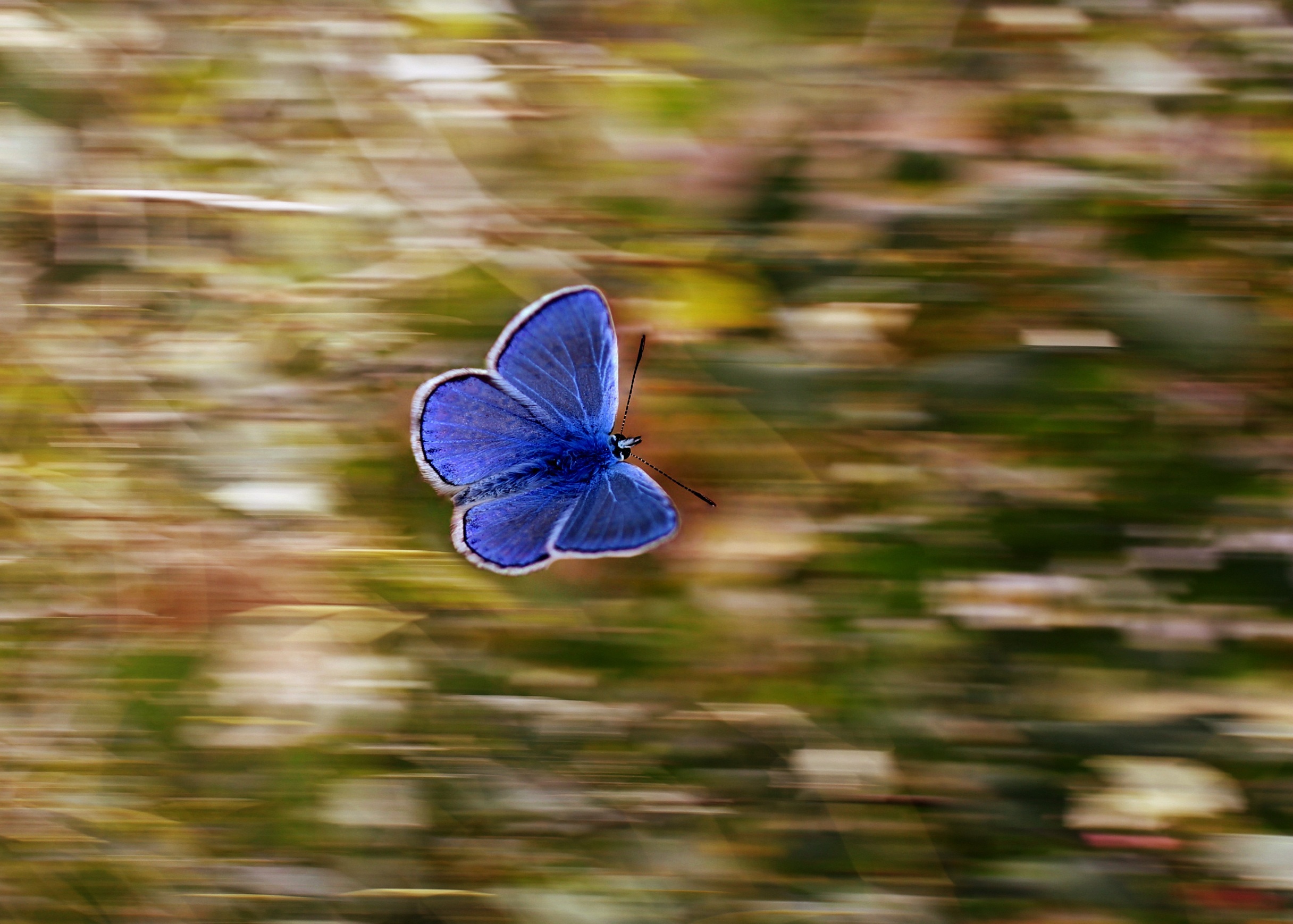
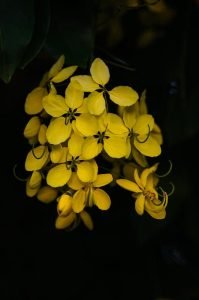
A gentle, love filled spotlight! [Source – Pixabay]
*
That which is now is old and gold, golden, oldie, yet lively, burning energy, fire, light, warmth and love, shining always like a flower in spring.
It is the sun we are talking about. It is the sun we see, it is the sun we breathe, it is the sun we eat and drink.
The sun, that which is now, always now, carves in nature its most delicate presence – from a tiny leaf to a magnanimous mountain, from a roaring river to a dancing dew drop. Dance it does, the sun, rhythmic and magnetic, carving along, letting the rhythm seep within all, making magnets of us all.
That is all, a beautiful movement, matched by nature, calmly, ferociously, fearlessly.
The rise and the fall of all follows this powerful rhythm. And every morning the sun touches and takes us along.
*
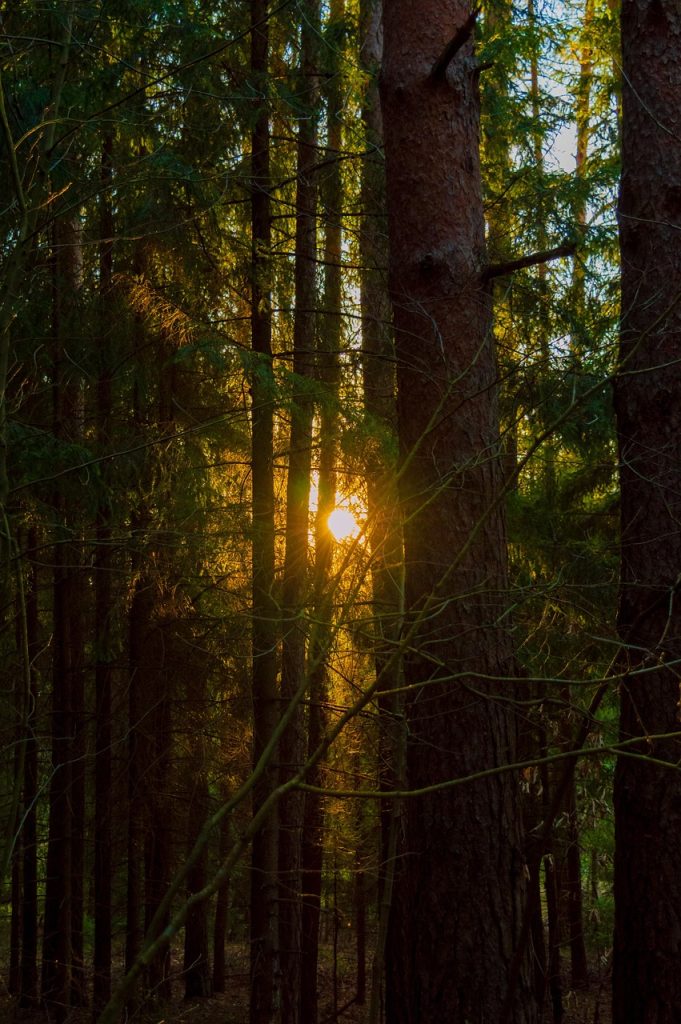
Nature’s ready, the sun’s shining… and action! [Source – Pixabay]
Living in a quiet and slow dust storm, I wonder if I am moving at all. Just as I approach the wall, it becomes dust and so does everything else.
What makes me thirsty? Is it the sound of future, my desire to see it or the knowledge of nothing? Sliding, swaying, fumbling I reach a well and quench my thirst happily.
Often a friend guides me, though, who borrows memories from whom isn’t clear to me as of now. But I am sure of my useless attempts to gather the dust after it is all gone.
Standing still I come across a sea of mirrors, I choose one and take the place in front of it. I tell myself I am ready to take the dive, the mirror repeats my words and then without a sound or any movement, I turn into dust.
I am joy running free/
freely flying, fluttering, soaring in a valley/
Of joy am running free.
Greetings!
A storyteller, following the ancient tradition of cave chroniclers, standing in vrikshasana (the tree pose) on a hill top (it is sunny, but windy), breathing in and out stories (relishing it all, but at times overwhelmed), declares animatedly that she will continue to – tell stories, share rare story gems, and connect with the pacy universe while also keeping the website ad-free.
Big thanks to my readers. Stay tuned!
Also, a humble request to the new subscribers to check the spam folder after subscribing. Silly (but necessary) confirmation emails often land there instead of the bright inboxes. Merci!
Ya-hoy!
Chiming Stories (formerly Home Chimes)
P.S – Supporting a storyteller is good for the world’s health (and undoubtedly, for the storyteller’s health as well). Shower some love by sharing, commenting and subscribing to the Weekly Newsletter.
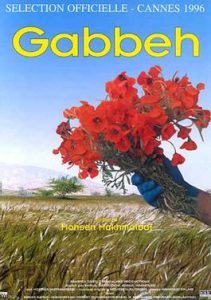
Gabbeh, the 1996 film, is a simple tale of a gipsy girl, her clan and the way their life goes on. Unfolding beautifully just like an artist painting a canvas, Gabbeh quietly touches the grand questions.
Ranked as one of the greatest British films of all time, The Lavender Hill Mob confides in the audience, letting them see, feel, laugh and think without tickling persuasively with a joke here and a punch-line there.
Godard… Breathless and Alive
A Tribute to Jean-Luc Godard, the Film Philologist who Reinvented Cinema.
Yes fly! For walking on the second track is dull and usual, but dreaming high, high, high requires tools. Tools like the right pair of shoes, a chirpy, gritty soul that eats butter-jam dreams, a soul that drinks milky-milky creams.
Silver cascade shimmering the night sky, music to the waves and surreal beauty to the eyes, the Moon loves the art of discipline.
It may be difficult to believe for the Moon’s splendour defies time, it stupefies the clock, it follows the path of a dreamer, but how could this be possible if the Moon knew not discipline?
In this moment, I am a little bit of this and a little bit of that, I am complete and incomplete, I am pleased and uncertain, I wish for nothing and I know I have to wait.
Because the distance covered reminds me of the hurdles I have crossed and the ones I could not, it reminds me of a throbbing past and a dreamy future and it reminds me of how much time is left.
Meredith and the Green Lake
Illimitable Splendour
A joy so complete without any rise or fall, so free without any time corners, so real without true being false, false being true.