Haiku

[Source – Pixabay]
*
The ocean of air stood
Heavy with impurities, until it rose again
With love to revive life.
*
Weekly Newsletter
Recent Posts
*
The ocean of air stood
Heavy with impurities, until it rose again
With love to revive life.
*
Weekly Newsletter
Recent Posts

*
What shade is the lion’s
Truth? Grassland golden, hunting prey in red
Marking the dark night black
*
Soaking in wet sky blue
Of the stream, cloudy, stony, fish green
And scent heavy wind’s white
*
Smelling dry muddy earth’s brown
Resting, playing shadows under the sun’s yellow
Colouring death not in sorrow
*
Mankind behind great walls checks
Time, never finding how come his truth
Is different from the lion’s.
*

Weekly Newsletter
Recent Posts
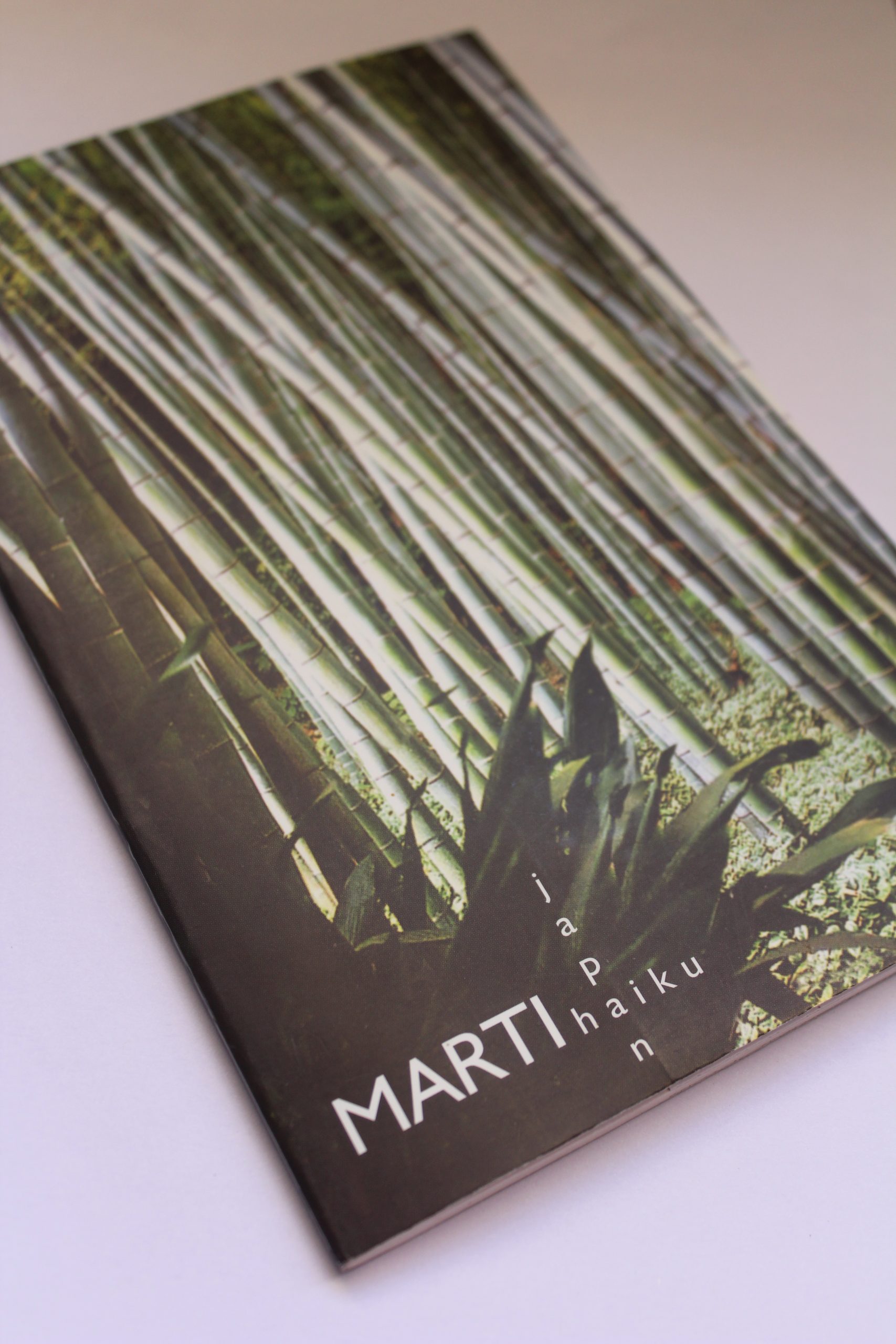
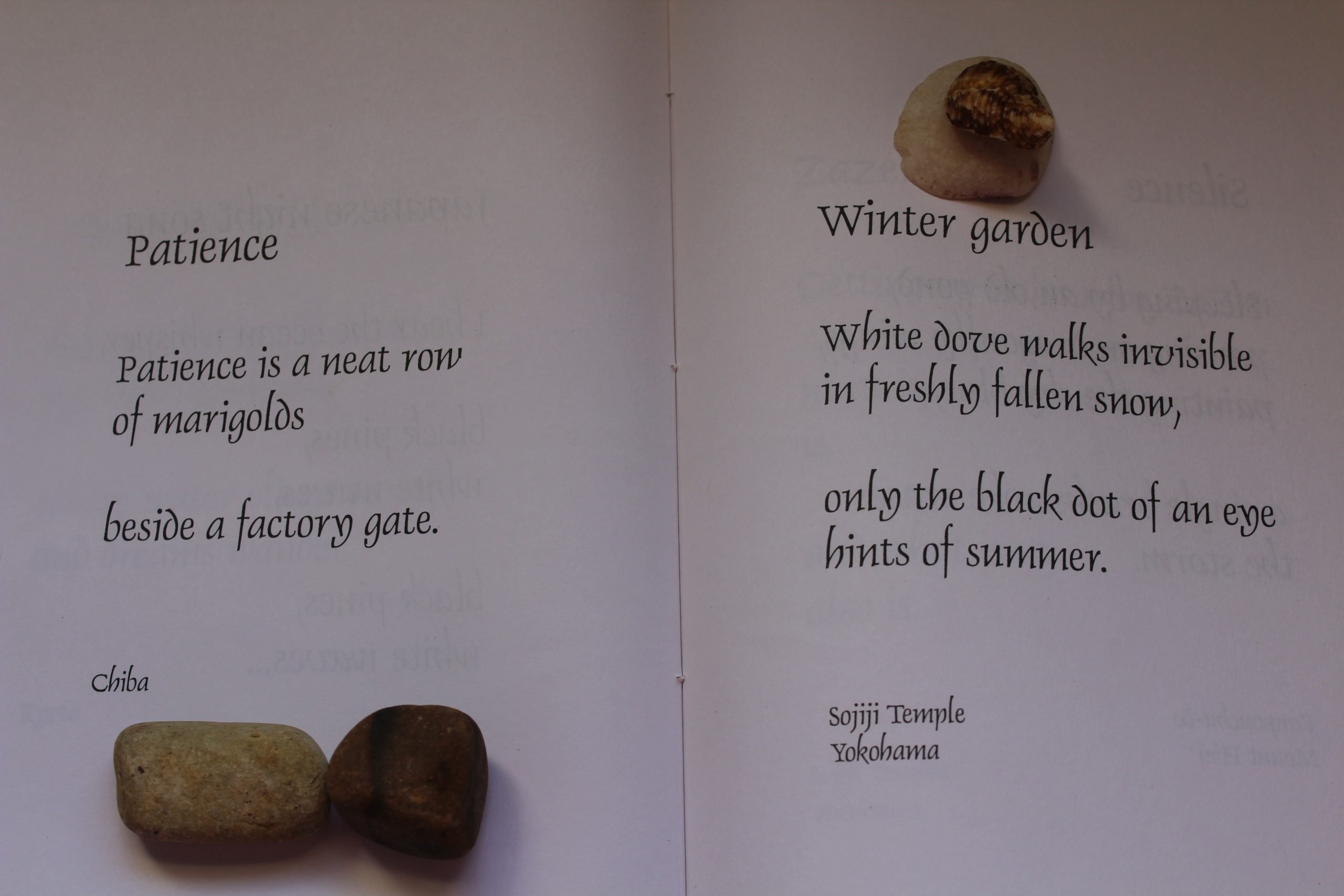
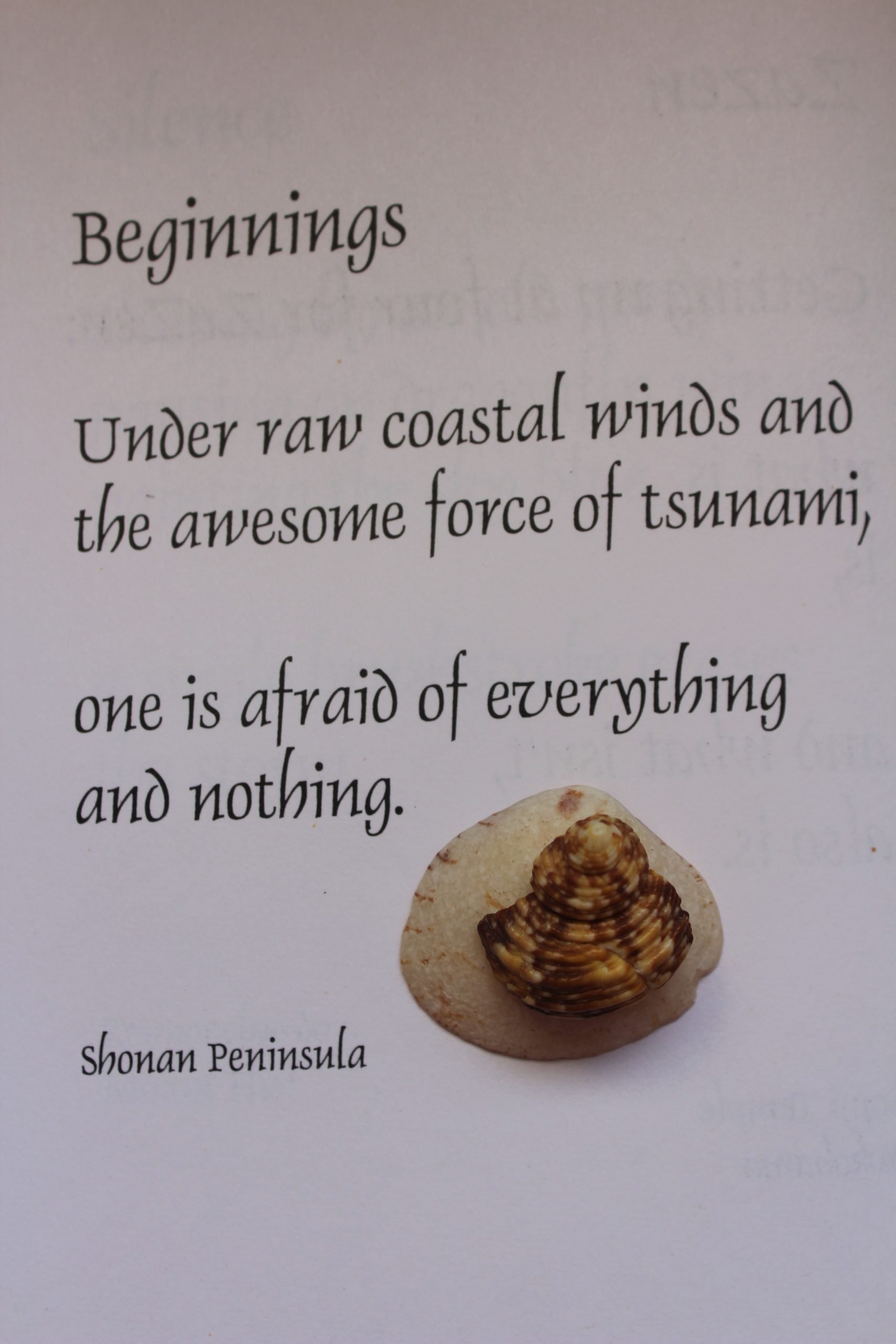
This light and bright book, ‘Japan Haiku by Marti’, is a library to me that has a collection of thoughts, wise words of a wise heart.
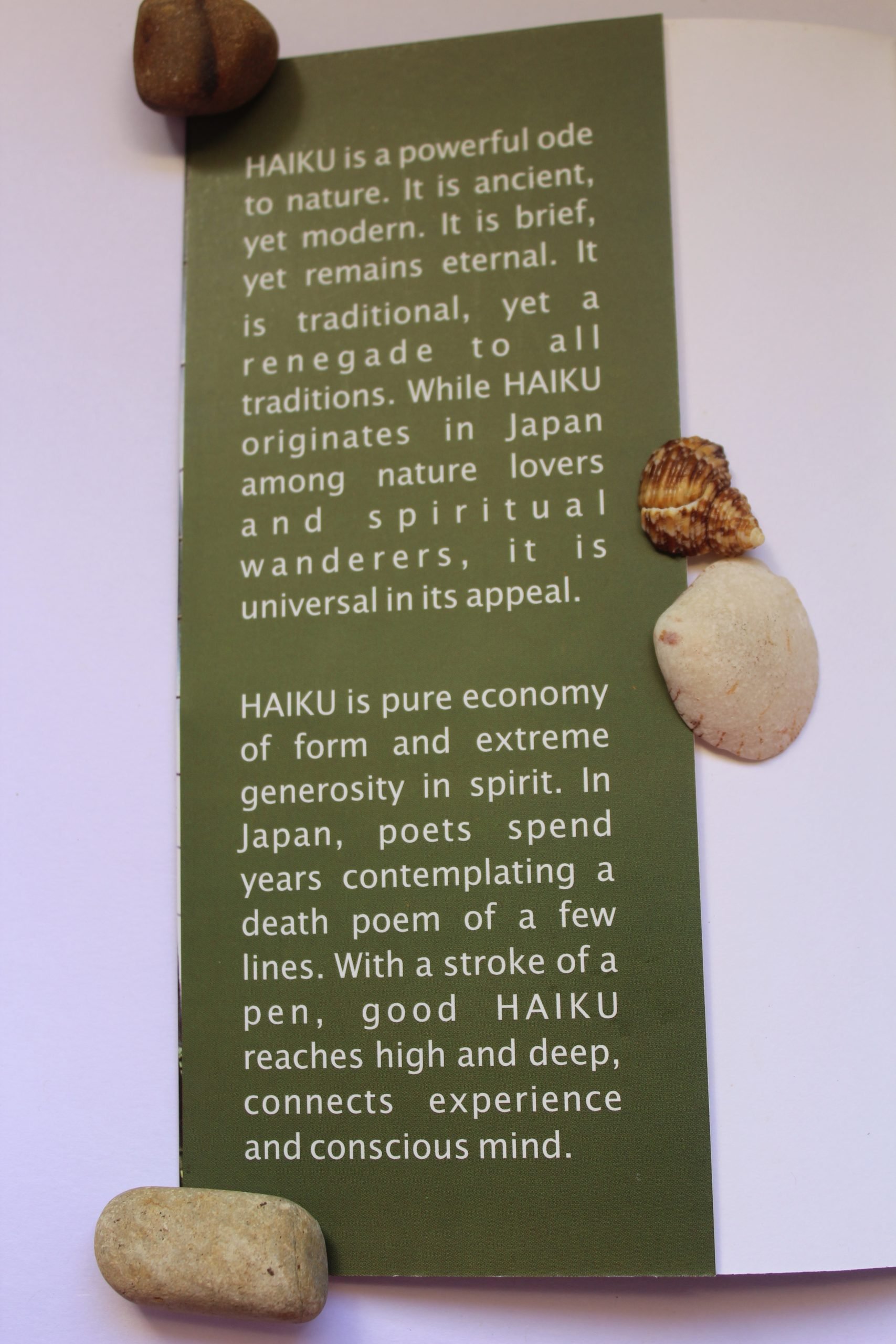
Haiku, a form of Japanese poetry that is dated back to the 17th century, is a fruit that a poet bears in her mind. It tastes subtly sweet and brazenly true. (Truth tastes different to all people, what does truth taste like to you?)
Carrying oceans and mountains and all the seasons within, it takes me on a journey every time I visit it.
Shying away from nothing, neither life nor death, haikus sing about nature and dance in the present. They capture it fully, through the lives of those who craft it, the haikus capture the moment fully.
No less than an explorer or a monk who practices meditation, the haiku poets in ancient Japan travelled to witness the peaceful, dramatic, kind, unforgiving nature. They did not hurry and that is why could understand it all.
Fetching cold water from a deep quiet well, with wit and brevity, the haikus quench our thirsts in this manner.
I finished reading this delightful book (part of my Auroville collection) sometime back, but I knew the journey has not ended yet.
Earlier I had taken a haiku turn to meet Matsuo Basho, the master haiku poet, and today I found a hidden haiku trail that took me to visit Rabindranath Tagore, the Bengali polymath.
“They reveal the control over the human emotions. However, they are never short on aesthetic sensibility. Their sense of aesthetics is marked by deep appreciation yet there is a mastery over expression.” – In Letters from Japan, published later as Japan Jatri, Tagore recorded his views on haikus and his experiences of visiting Japan.
Interested in reading Japanese literature, knowing their culture and art history, Tagore in 1915 wrote to Kimura Nikki, who had studied Bengali under him at Calcutta University, “I want to know Japan in the outward manifestation of its modern life and in the spirit of its traditional past. I also want to follow up on the traces of ancient India in your civilization and have some idea of your literature if possible.”
Knockings at My Heart is a collection of short poems by Tagore (discovered only recently and published in 2016) that highlights the impact of haikus on him.
Excerpts –
Let my life accept the risk of its
Sails and not merely the security
Of its anchor.
*
The pomegranate bud hidden behind her veil
Will burst into passionate flower
When I am away.
*
The mist tries
To capture the morning
In a foolish persistence.
The simplistic approach, depth of thought and brisk climactic acuity make this poetry form of the past very much of the present as well as of the future, for the passionate are always searching.
And so my journey continues.
*

Fireflies, an epigrammatic poem by Rabindranath Tagore, is a perfect complement to this post.
My fancies are fireflies, —
Specks of living light
twinkling in the dark.
*
he voice of wayside pansies,
that do not attract the careless glance,
murmurs in these desultory lines.
*
In the drowsy dark caves of the mind
dreams build their nest with fragments
dropped from day’s caravan.
*
Spring scatters the petals of flowers
that are not for the fruits of the future,
but for the moment’s whim.
*
Joy freed from the bond of earth’s slumber
rushes into numberless leaves,
and dances in the air for a day.
*
Read the full poem here.
Weekly Newsletter
Recent Posts
Let us go back in time, a few centuries back, in the mid-17th century to be precise, to meet Matsuo Basho and embark on a journey to the interiors of Japan.
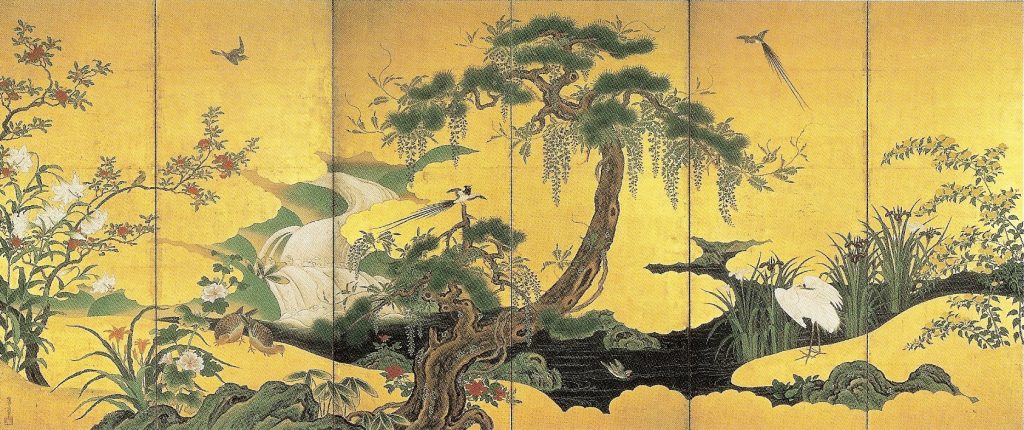
A fabulous poet, known for his Haikus, Basho wanders giving voice to nature, the moon, the earth, the seasons, the rain, the monkey, the dragonfly, the cicada, and everything that he observes.
He paints his dreams in the air; the flora breathes that air and blooms like a dream.
Let us go and learn this art from the master himself.
Falling sick on a journey
My dream goes wandering
Over a field of dried grass.
Basho has fallen sick, he is old now, this haiku is usually considered as his farewell poem, but our journey has just started, we need to travel back a few more years.

Teeth sensitive to the sand
In salad greens–
I’m getting old.
He is funny, oh, but let us keep going back in time for we need to learn the art of painting dreams in the air, remember. Stay focused!
The rough sea
Stretching out towards Sado
The Milky Way.
Sado is a city in Japan’s Sado Island and Basho travels there to witness the vast sea and the endless sky.
Look, at night the sea becomes a mirror for our galaxy.
Seasons come and go, each one is beautifully recorded in Japanese poetry; Kigo, the representation of and the reference to the seasons is still a part of Japanese culture and literature.
Different seasons, different Bashos –
First winter rain-
Even the monkey
Seems to want a raincoat.
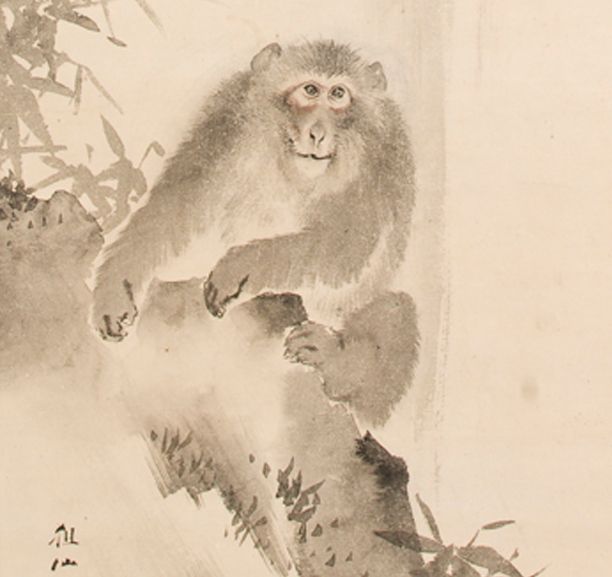
Now then, let’s go out
To enjoy the snow … until
I slip and fall!

First cherry
Budding
By peach blossoms.
***
The summer grasses.
All that remains
Of warriors’ dreams.
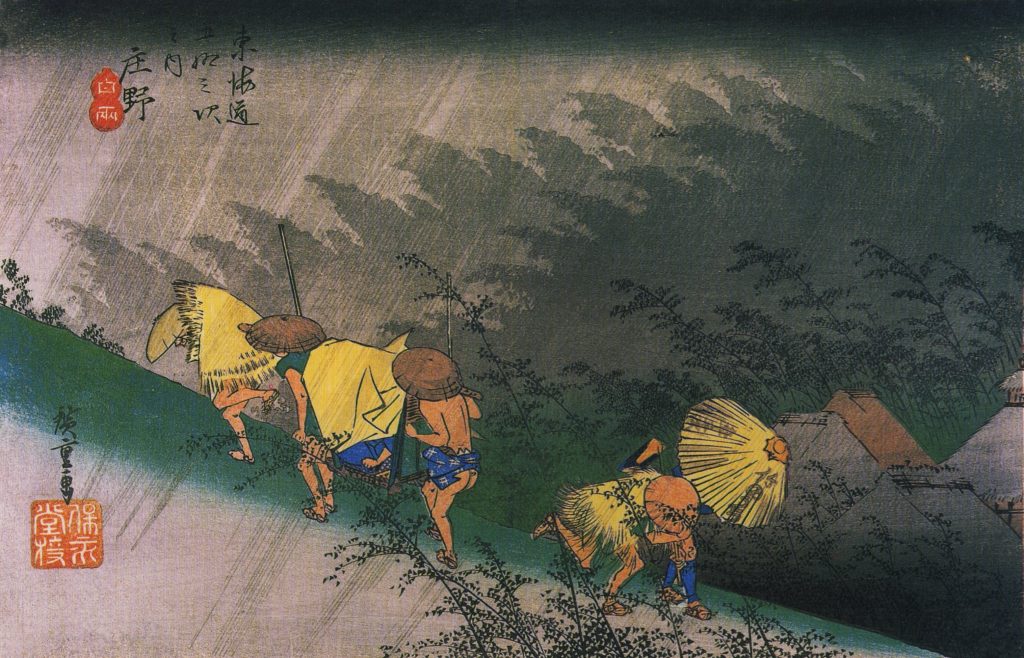
Spring rain
Leaking through the roof
Dripping from the wasps’ nest.
***
Autumn moonlight-
A worm digs silently
Into the chestnut.
Basho, Basho, Basho… you have captured it, you just did, a moment in eternity.
Every worm digging every chestnut tree in every autumn in the cool moonlight is this very worm. It will be living forever now.
First day of spring–
I keep thinking about
The end of autumn.
***
Winter garden,
The moon thinned to a thread,
Insects singing.
“The moon thinned to a thread” yet beautiful and bright, busy telling stories.
Winter solitude–
In a world of one color
The sound of wind.
Such an arduous journey…
Taking a nap,
Feet planted
Against a cool wall.
…but Basho’s right, nature reassures us of what lies ahead… the balmy moon.

A field of cotton
As if the moon
Had flowered.
***
Moonlight slanting
Through the bamboo grove;
A cuckoo crying.
***
From time to time
The clouds give rest
To the moon-beholders.
“Can you hear it, the cicada, the dragonfly and the skylark? Free beings!” Yes, I can Basho, yes I can.
A cicada shell;
It sang itself
Utterly away.
***
Midfield,
Attached to nothing,
The skylark singing.
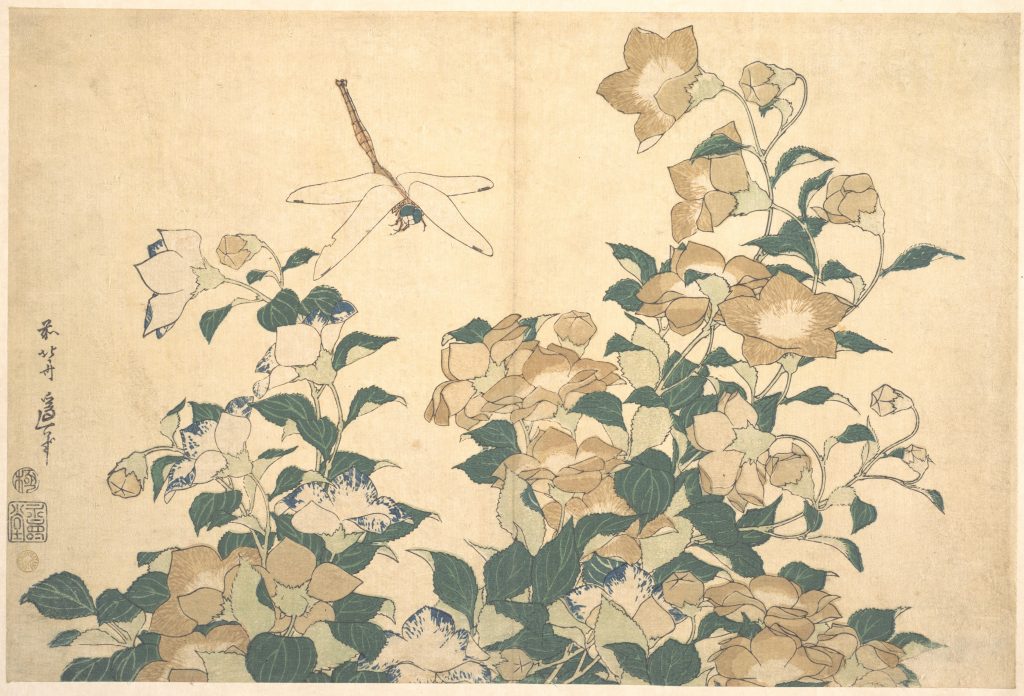
The dragonfly
Can’t quite land
On that blade of grass.
***
Stillness–
The cicada’s cry
Drills into the rocks.
We climb the mountain and reach an old village.
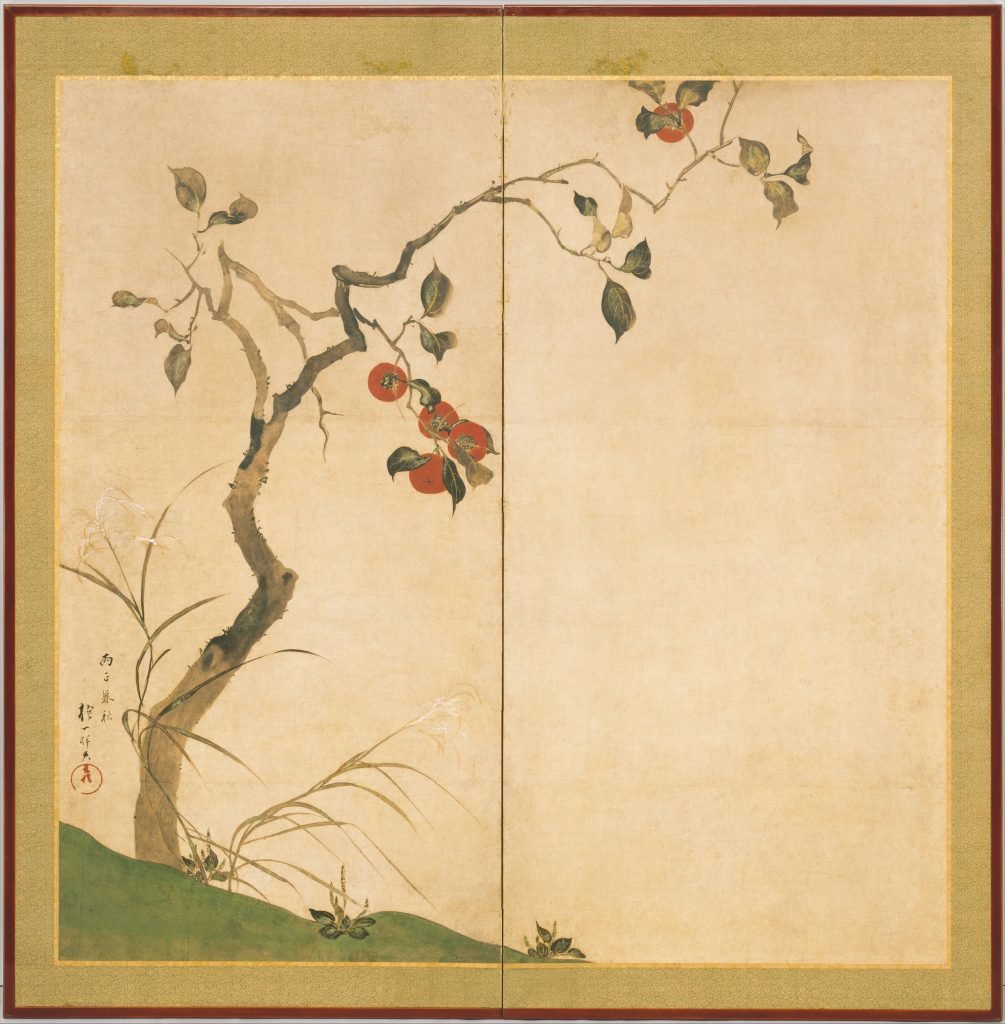
This old village–
Not a single house
Without persimmon trees.
After some rest, we now resume our journey. Oh, Basho is stopping again to sit by the pond, but why I am wondering?
Wait, is this the place where he will pen his most famous haiku that has occupied the minds of a legion of poets and critics… yes, it is.
An ancient pond
A frog jumps in
The splash of water.
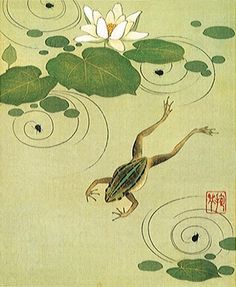
I heard it too, the splash of water, you all must have heard it as well, somewhere, sometime… here, right now the frog’s jump turned the clock back, ending the journey, bringing me to the present.
That ancient pond of time glimmered with stories abound and I was in one, the frog living its routine life made me surrender to the present moment and splash, I returned back.
Basho’s work, what a wonderful portal to the enchanted dream that can be perceived anytime, by anyone…
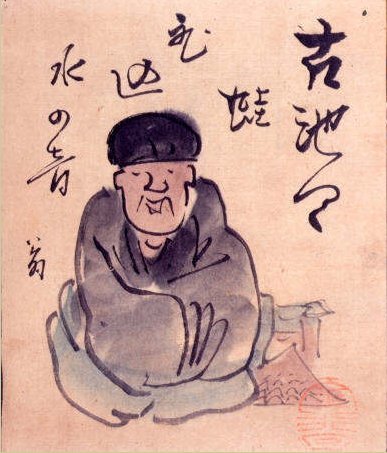
Let me bid adieu to you all with another glorious haiku of his. Basho!
How admirable!
To see lightning and not think
Life is fleeting.
Other Haiku Posts
Weekly Newsletter
*
Summer night–
even the stars
are whispering to each other.
– Haiku by Kobayashi Issa
And they are whispering, twinkling blue and green, sharing the secret we all know… that love is in the air.
The summer earth blooms for it is in love, the summer sky sways for it is in love.
A promise is made with joy in the eyes by every soul, promise to live and rise.

Weekly Newsletter
Recent Posts

*
Violets—
how precious on
a mountain path.
– Haiku by Matsuo Basho
The violets, the lovely peaceful charming quiet perfect violets, helped me see the path that I had covered, the mountainous journey suddenly filled me with warmth and glow and I blushed.
I know not what lies ahead, but I am sure to see some violets.
*
Weekly Newsletter
Recent Posts
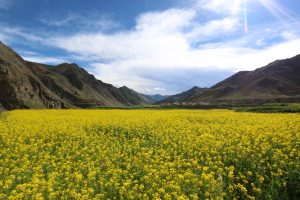
“Crescent moon lights
Buckwheat flowers
This hazy earth.”
– Basho
*
*
The moon is being carved, I can hear the hammers, the chisels, it is raining white shimmer… the crescent shape will light up every heart soon.
And the valley of buckwheat flowers will then dance the dance of love, soothing the eyes of a traveller.
Intoxicated, the earth will then spin and stagger making, as always, a painter’s painting hazy.
Complement this haiku post with similar ones –
Fetching Water from a Haiku-Well
Weekly Newsletter
Recent Posts
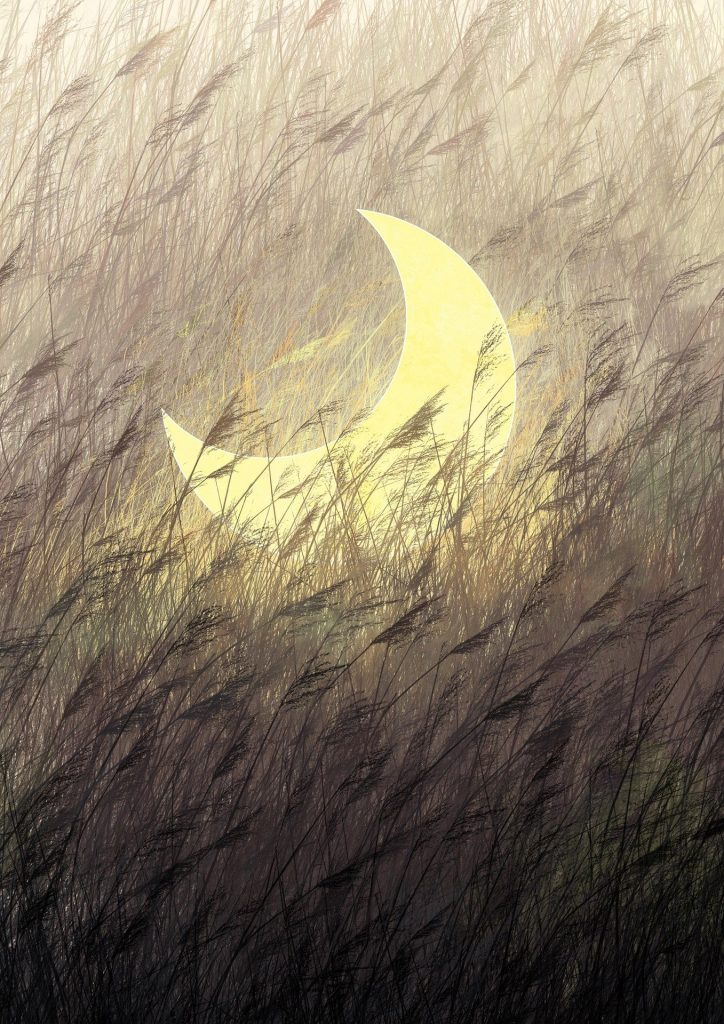
In the search of a moon Haiku poem, I found how beautifully a 21st century poet addressed to his favourite classic poet –
*
… lifting my cup,
I asked the moon
to drink with me …
Li Po
*
And if Li Po had
got the moon in his mitts
what would he have done with it?
Cid Corman
*
Today, I decided, I will stay with these words and leave rest of the search for tomorrow.
*
Moon was its usual self,
I was the one, lost and fuzzy,
Moonlight still showed the way.
*
Weekly Newsletter
Recent Posts



Sujata – The Voice of the Unheard
Sahib Bibi Aur Ghulam – A tale of role-reversals and downfalls

Chalti Ka Naam Gaadi (That which moves is called a car)
Mrinal Sen’s Aakaler Shandhane (In Search of Famine)

La Strada And The Round-Faced Clown

Sherni – Even in the dense jungle, the tigress knows her way.

Gabbeh, the 1996 film, is a simple tale of a gipsy girl, her clan and the way their life goes on. Unfolding beautifully just like an artist painting a canvas, Gabbeh quietly touches the grand questions.

Essentially Gold, The Lavender Hill Mob
Ranked as one of the greatest British films of all time, The Lavender Hill Mob confides in the audience, letting them see, feel, laugh and think without tickling persuasively with a joke here and a punch-line there.

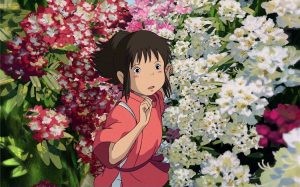

Regina Spektor’s Musical World – Part I, Part II, Part III, Part IV, Part V
Of Monsters and Men and This Journey
The Circle Game, Joni Mitchell, You and Me
The Answer Is Blowin’ In The Wind
The Wonderful Mr. Tambourine Man Song
Weather Forecast Says Listen to George Ezra
The Choir and Their Toads Sing ‘Double Trouble’


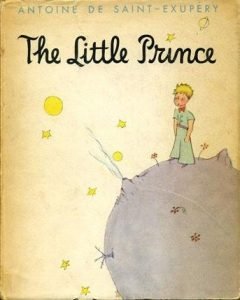

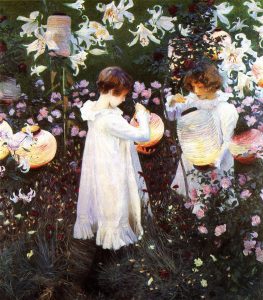

Yes fly! For walking on the second track is dull and usual, but dreaming high, high, high requires tools. Tools like the right pair of shoes, a chirpy, gritty soul that eats butter-jam dreams, a soul that drinks milky-milky creams.


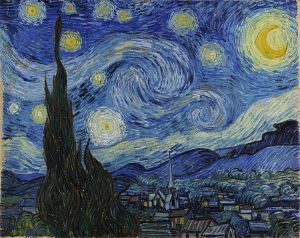
Silver cascade shimmering the night sky, music to the waves and surreal beauty to the eyes, the Moon loves the art of discipline.
It may be difficult to believe for the Moon’s splendour defies time, it stupefies the clock, it follows the path of a dreamer, but how could this be possible if the Moon knew not discipline?
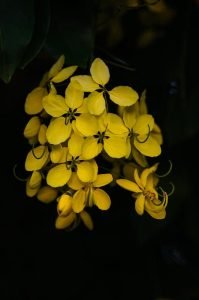


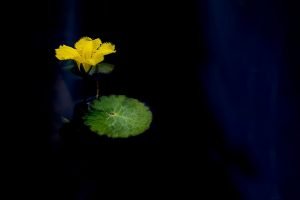
In this moment, I am a little bit of this and a little bit of that, I am complete and incomplete, I am pleased and uncertain, I wish for nothing and I know I have to wait.
Because the distance covered reminds me of the hurdles I have crossed and the ones I could not, it reminds me of a throbbing past and a dreamy future and it reminds me of how much time is left.
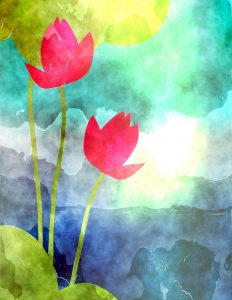

A joy so complete without any rise or fall, so free without any time corners, so real without true being false, false being true.