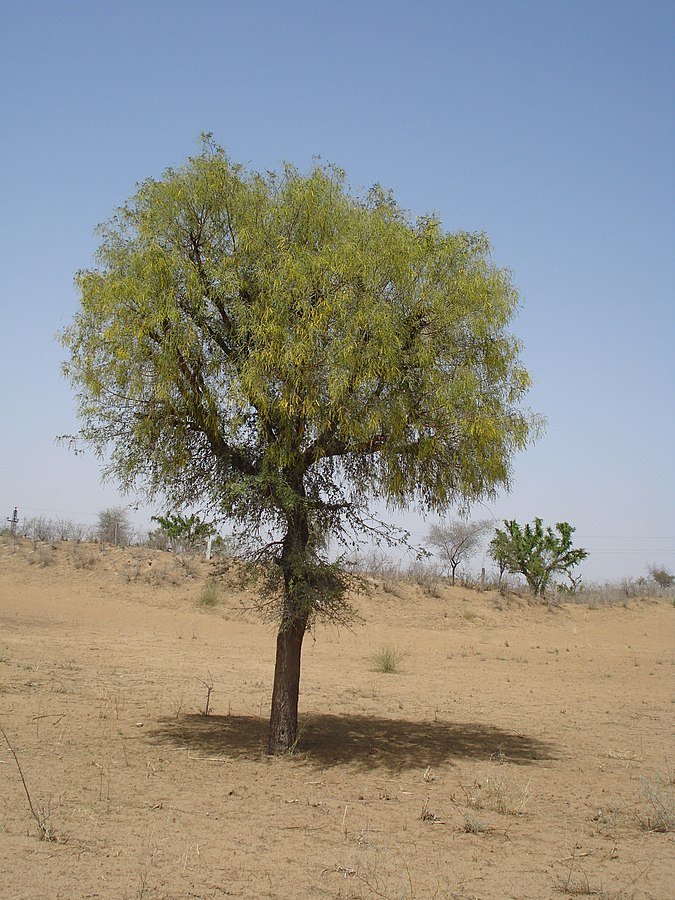
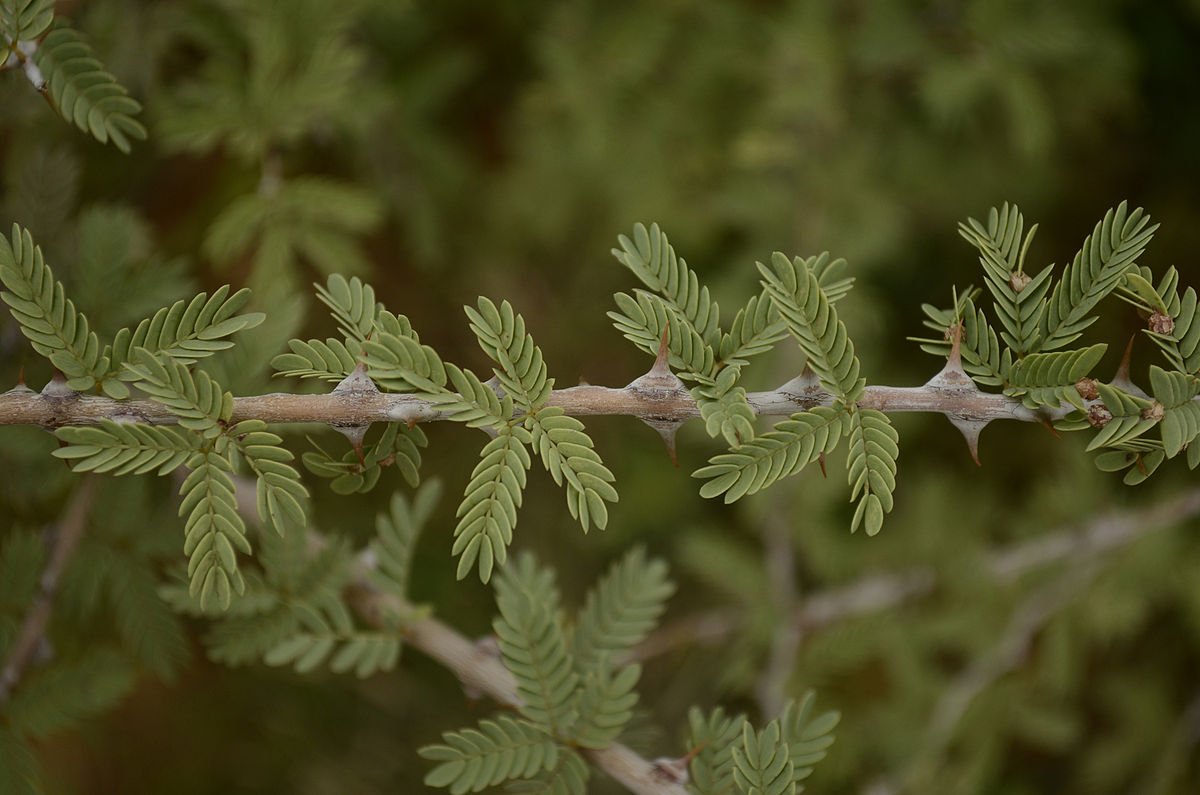
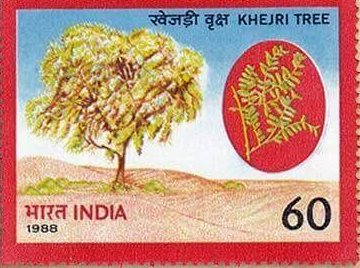
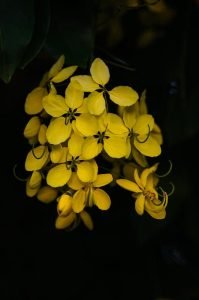
The state tree of Rajasthan. [Source – JaipurThruMyLens Blog]
*
Nibbling the leaves and thorns, reaching for its yellow flowers, suddenly, Jhui-Mui the little goat made a novel request to the Khejri tree, “please tell me a story.”
Jhui-Mui’s mum and other goats chuckled a bit, then continued surfing the shrubs spread around the Khejri tree for shade, water and love.
The tree which gave, for centuries, both food and medicine to all, with its ground bark to make a flour during the very many parched famine days, and its deep-deep roots that held the soil and directed the researchers to the cool water table, the desert’s old friend, Khejri, knew a pocketful of folktales too.
The Khejri tree told Jhui-Mui the little goat about a four-hundred-year-old tree, one who belongs to its own family, but lives in a far-off desert, alone on a barren hill, with roots fifty meters deep and long groovy, harmonious branches that welcomes every traveller and every story.
“What is its name?”, asked the beady eyed, happy Jhui-Mui. “The Tree of Life”, replied the Khejri tree and hummed an old tune that filled the arid air with cool magic.
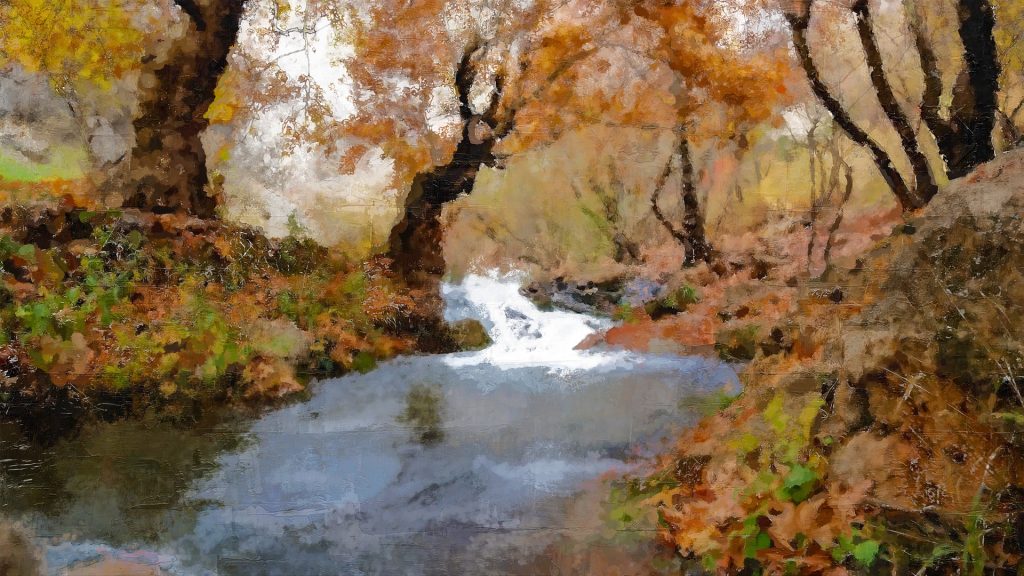
Jubilant stream meandering modestly… Image by Layers from Pixabay
Gatherings under the giant Mahogany tree in the evenings, the jubilant stream meandering modestly and maybe also a talkative Koel’s parleys encouraged the wanderer… and the love stories, happy and incomplete ones, beaded in a melody and sung by folks for generations… it touched his soul.
Time failed to bind him as he travelled back and forth in the past and present to collect these melodies for posterity.
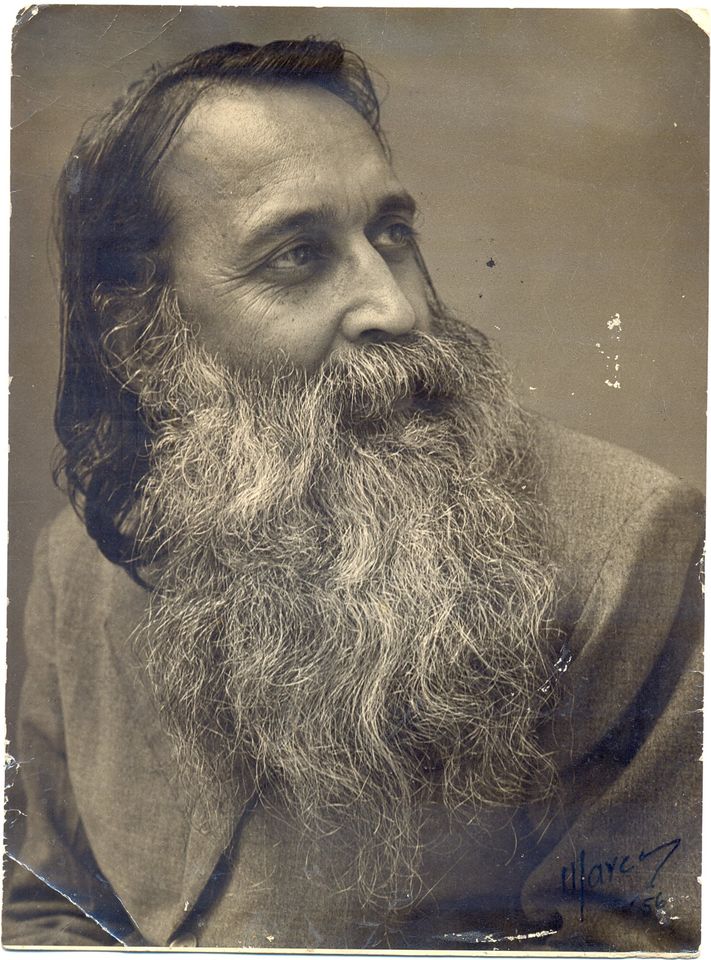
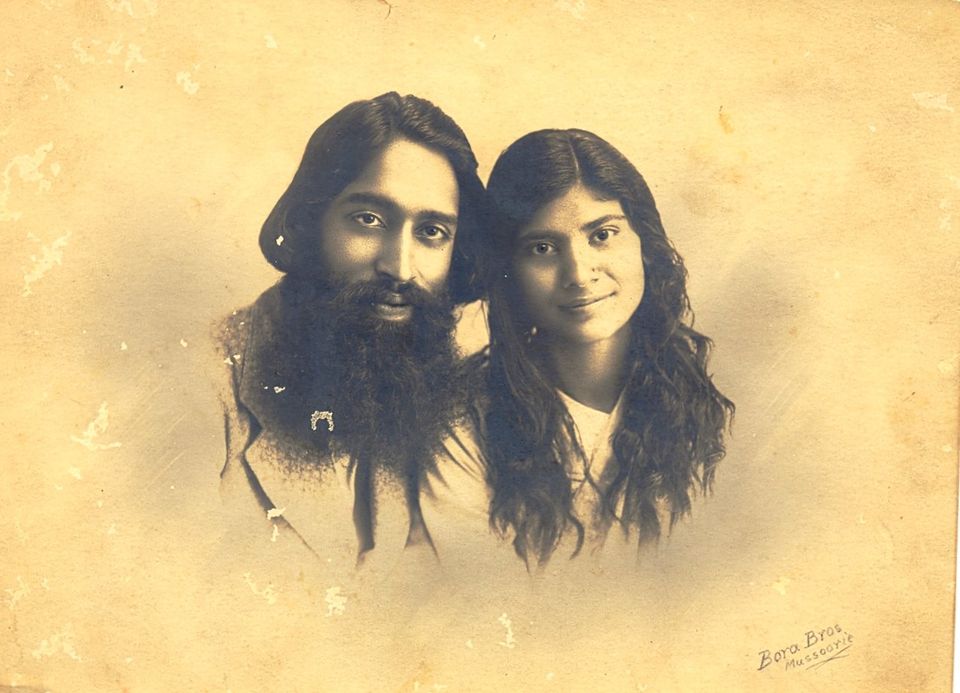
Nicknamed as Ghumakkad (wanderer) and Darvesh (saintly), Devendra Satyarthi (1908-2003) was a folklorist, poet, essayist, novelist and translator who wrote in Punjabi, Urdu, Hindi and English; he is famously known for his pioneering work, Giddha, an anthology of folk songs.
Travelling during the British Raj in an undivided India he met farmers, traders, tribals, mendicants and learnt from them their stories, listened to their songs and sang along.
Accumulating a treasure of around three thousand folk songs in fifty different languages, a beautiful feat in itself, he gifted it to the public for free; when All India Radio decided to pay him royalties for the folk songs, he refused it saying that the copyrights were vested in the motherland.
Rabindranath Tagore, who shared Devendra Satyarthi’s passion for folklores and folk songs, urged him to explore the world of folk literature throughout the country and also suggested him to write predominantly in his mother tongue i.e. Punjabi. Satyarthi obeyed him like a true disciple.
Folklores – the traditional beliefs, customs, and stories of a community, passed through the generations by word of mouth – certainly are a repository of knowledge that has an answer for the one who is astounded by life and its candour.
No doubt Devendra Satyarthi lived like a gipsy, he had to astound the norms so as to grasp our folklore heritage in a single lifetime.
*
‘मेरी प्रेयसी हीर नहीं है
न ही मैं रांझा
मैं पथिक पैर में चक्कर
मेरी प्रेयसी पथ की अभ्यस्त
चल पड़ती है उधर
जिधर मैं हो लेता हूं
न हंसकर, रोकर
नयनों में प्रिय नयन पिरोकर.’
(Translation – Neither is my beloved Heer*/ Nor am I Ranjha*/ I am a traveller/ And my beloved is habitual of the travelling life/ She walks along with me/ Wherever I leave for/ without a smile or tear/ with just love in her eyes.)
Living a life of a roamer, on the mercy of the others, travelling on almost no budget, this became impossible for Devendra Satyarthi’s wife after they had their first child.
Taking the responsibility of running the house, his wife started sewing work; for a while he too stayed back, working as an editor of a Hindi newspaper, but not for long.
His free-spirited folklorist’s soul made him embark on his next journey to different cities and villages.
“I confess that it was the sewing machine which saved the family, I just scribbled on paper,” Satyarthi said so as an old man. His poems, novels, short stories, essays, folk song anthologies, his contemporaries and the readers speak differently though; he continues to be a wanderer sage for them.
Hazari Prasad Dwivedi, the famous Hindi novelist, historian, critic and scholar, wrote a poem praising Devandra Satyarthi in which he compared Satyarthi’s loner lifestyle with that of the sun and the moon in the sky, as he too walked alone, spreading brightness through his words.
Devindra Satyarthi fought for independence with songs of freedom, love, devotion, brotherhood and unity.
He gathered this harmonious spirit and shared it with the countrymen; leaders like Sarojini Naidu, Jawaharlal Nehru appreciated his work and so did the father of the nation, Mahatma Gandhi.
“Many were foresighted in those times of the Raj and talked about the importance of recording the country’s cultural diversity, but few had the courage to step out of the cushioned life and do it. It required a lifetime, and Satyarthi dedicated his.”
Awarded with accolades like the Padma Shri, the fourth highest Indian civilian award, Devindra Satyarthi continued working in his late eighties and passed away at ninety four.
In his rigorous journey, it was his passion for folk songs and folk tales and the unflinching support of his wife that made him a jovial philosopher-poet.
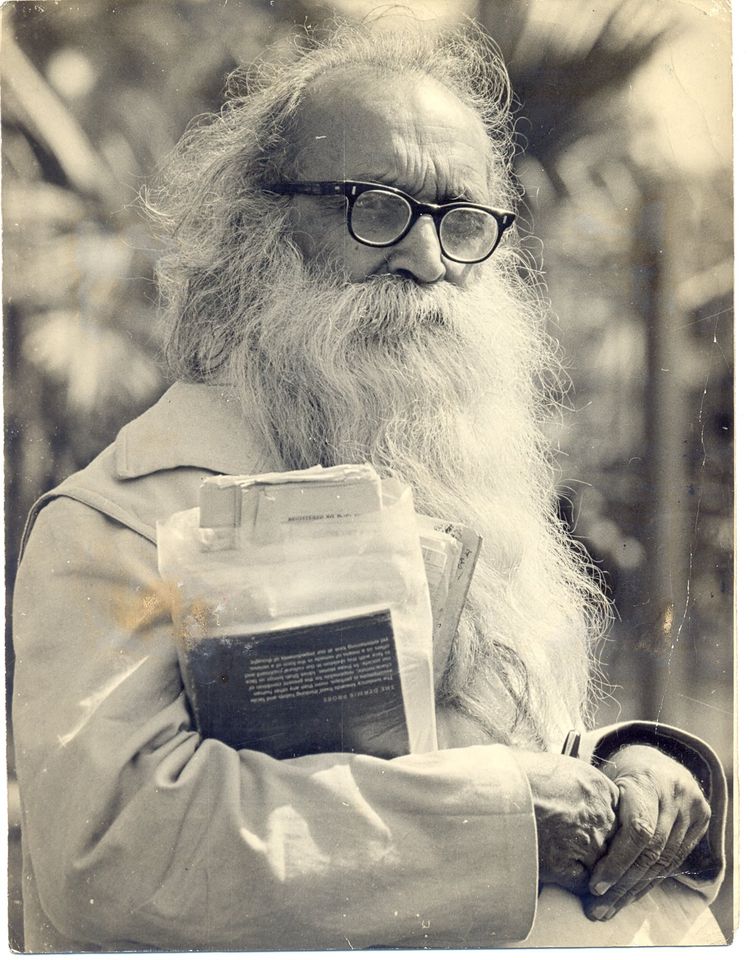
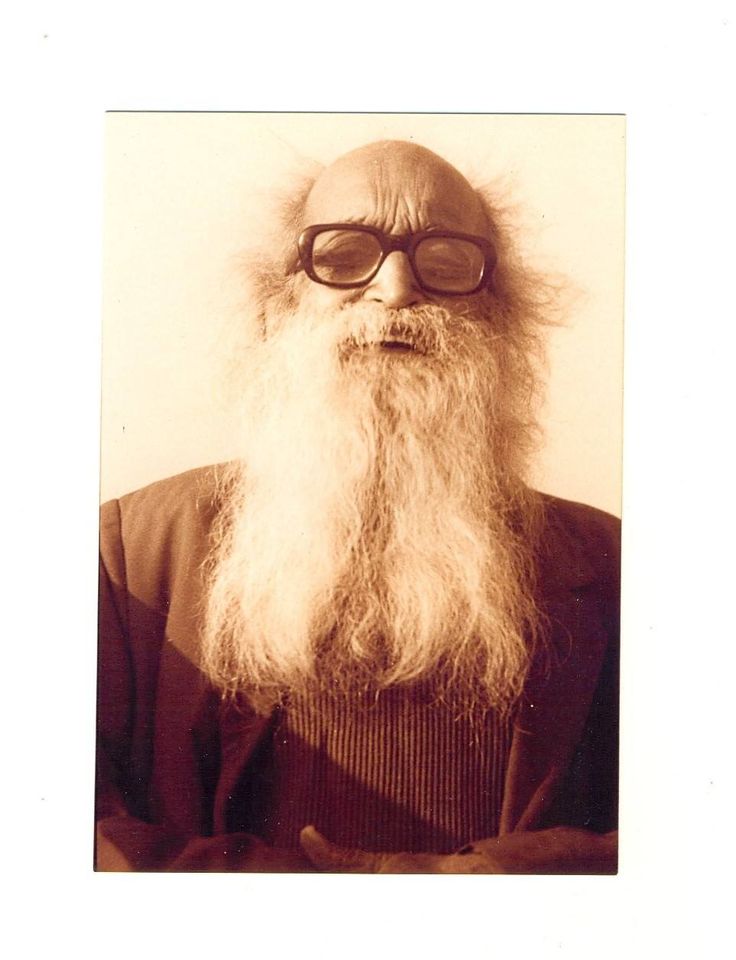
A khadi kurta-pyjama, long white beard and hair, thick spectacles, a rough jhola-bag and a few notebooks clenched close to the chest, one might have called Devindra Satyarthi a strange, poor old man, unaware about his legacy and treasures.
Tenzin Achi’s magical! [Image by Tri Le from Pixabay]
*
Tenzin Achi for the first time was going to reveal the hidden treasure of her green old trunk. She knew we children were very keen and would do anything just to even take a peek inside. Especially after Lo’s encounter with an alien creature who guaranteed Lo that he came via the green old trunk.
When Tenzin Achi was approached to confirm this incident, she had just laughed and said, “Ask the green trunk.” No one ever dared to do that of course.
And today Tenzin Achi has agreed, astonishingly, at such a low bid – one chocolate and five cookies – to introduce us to the mysterious dwelling of the trunk.
“Oi… not letting you see inside”, said Tenzin Achi, “I’ll show you all myself, stay back.” I knew it, we are duped… she wouldn’t have let our curiosity die so soon.
But you know what, we all were prepared for it. Tenzin Achi is famous as canny granny.
Behold, she announced and took out a pair of silver tinned wire loops, which a talking dragon gifted her. Then came out five stones – red, indigo, yellow, green and white; she collected them from a planet she visited, named Kakuraa, and were extremely precious stones.
Seeing none of us impressed, she challenged us to visit planet Kakuraa and ask anyone about the credibility of the stones. Silence prevailed and when someone yawned, Tenzin Achi was seen sweating.
She then took out a tiny copper ball. Now this appealed to all us children and Tenzin Achi beamed.
There was a message engraved on the tiny copper ball and “only a warrior could read it” said Tenzin Achi. Dramatically she said some words in her dialect and we understood zilch of it, but we stayed hooked.
We all gasped in chorus as she twisted and opened the tiny copper ball. She first made all of us swear with our hands on our heart, “don’t pass my secret to anyone – I am a warrior of Phui clan.” We obeyed as we were clueless and eager to know what’s hidden in the copper ball.
Veil uncovered, Tenzin Achi took out a small piece of crumpled cloth from the copper ball, red-white pattern knitted, it looked extremely ordinary, but the story attached to it wasn’t.
She told us about Zumuh (that piece of cloth had a name). When the Kakuraa dynasty decided to leave for another world, they left on this planet, bits of Zumuh. These magical pieces worked as a Genie and it wasn’t easy to get one. Only who believed in magic and showed reverence to the Kakuraa dynasty could find it. Umpteenth times, she said proudly, Zumuh had helped her. Magic lived in her heart and pocket.
Pazo then said harshly, ‘Tenzin Achi is trying to fool us… this Zumuh can’t be used even as a hanky.’ Laughter filled Tenzin Achi’s old wooden room, but she stayed quiet, like me and Lo. Were there tears in her eyes?
I don’t know, but I stood up and told everyone “I too have a Zumuh, it saved my life thrice from a dog.”
They knew it was true, Kaalu had bitten Pazo and even Lo, but I managed to save my pajamas and myself somehow. I took out a round and rotted plastic but alive key ring from my pocket; with red-white pattern on it, I presented my Zumuh.
I told them that a great traveller gave it to me near the hilltop and then vanished. Surprisingly Lo agreed, adding that he too saw that great traveller vanish into thin air.
Pazo asked me to demonstrate the power of the Zumuh. Tenzin Achi had something else in her eyes then – spark of magic.
I stretched my hand, holding the key-ring and shouted, ‘Zumuh show your power, I believe in you.’
‘I also believe in you O Zumuh, let the magic shine’, said Tenzin Achi as she copied me and looked towards the roof, as if it was magical and we could see through it. Lo, who was without any Zumuh, also got up and screeched ‘I also believe.’
Many eyes were glued to the Zumuh and I was actually hoping for a magical blast.
Thunder!!!!!! We all literally jumped on our places. The sky replied and immediately it started to snow.
Although it was winter, it wasn’t the time of the year for the clouds to shower snow. I yelped, ‘Thank you Zumuh.’
We all rock and rolled and tried to copy Tenzin Achi’s funny one-leg-in-the-air-dance, singing ‘zumuh, kakuraa, o zumuh, kakuraa!!’
*
Lightning dances along with them. [Source – Pixabay]
I am joy running free/
freely flying, fluttering, soaring in a valley/
Of joy am running free.
Greetings!
A storyteller, following the ancient tradition of cave chroniclers, standing in vrikshasana (the tree pose) on a hill top (it is sunny, but windy), breathing in and out stories (relishing it all, but at times overwhelmed), declares animatedly that she will continue to – tell stories, share rare story gems, and connect with the pacy universe while also keeping the website ad-free.
Big thanks to my readers. Stay tuned!
Also, a humble request to the new subscribers to check the spam folder after subscribing. Silly (but necessary) confirmation emails often land there instead of the bright inboxes. Merci!
Ya-hoy!
Chiming Stories (formerly Home Chimes)
P.S – Supporting a storyteller is good for the world’s health (and undoubtedly, for the storyteller’s health as well). Shower some love by sharing, commenting and subscribing to the Weekly Newsletter.
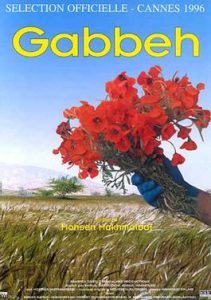
Gabbeh, the 1996 film, is a simple tale of a gipsy girl, her clan and the way their life goes on. Unfolding beautifully just like an artist painting a canvas, Gabbeh quietly touches the grand questions.
Ranked as one of the greatest British films of all time, The Lavender Hill Mob confides in the audience, letting them see, feel, laugh and think without tickling persuasively with a joke here and a punch-line there.
Godard… Breathless and Alive
A Tribute to Jean-Luc Godard, the Film Philologist who Reinvented Cinema.
Yes fly! For walking on the second track is dull and usual, but dreaming high, high, high requires tools. Tools like the right pair of shoes, a chirpy, gritty soul that eats butter-jam dreams, a soul that drinks milky-milky creams.
Silver cascade shimmering the night sky, music to the waves and surreal beauty to the eyes, the Moon loves the art of discipline.
It may be difficult to believe for the Moon’s splendour defies time, it stupefies the clock, it follows the path of a dreamer, but how could this be possible if the Moon knew not discipline?
In this moment, I am a little bit of this and a little bit of that, I am complete and incomplete, I am pleased and uncertain, I wish for nothing and I know I have to wait.
Because the distance covered reminds me of the hurdles I have crossed and the ones I could not, it reminds me of a throbbing past and a dreamy future and it reminds me of how much time is left.
Meredith and the Green Lake
Illimitable Splendour
A joy so complete without any rise or fall, so free without any time corners, so real without true being false, false being true.