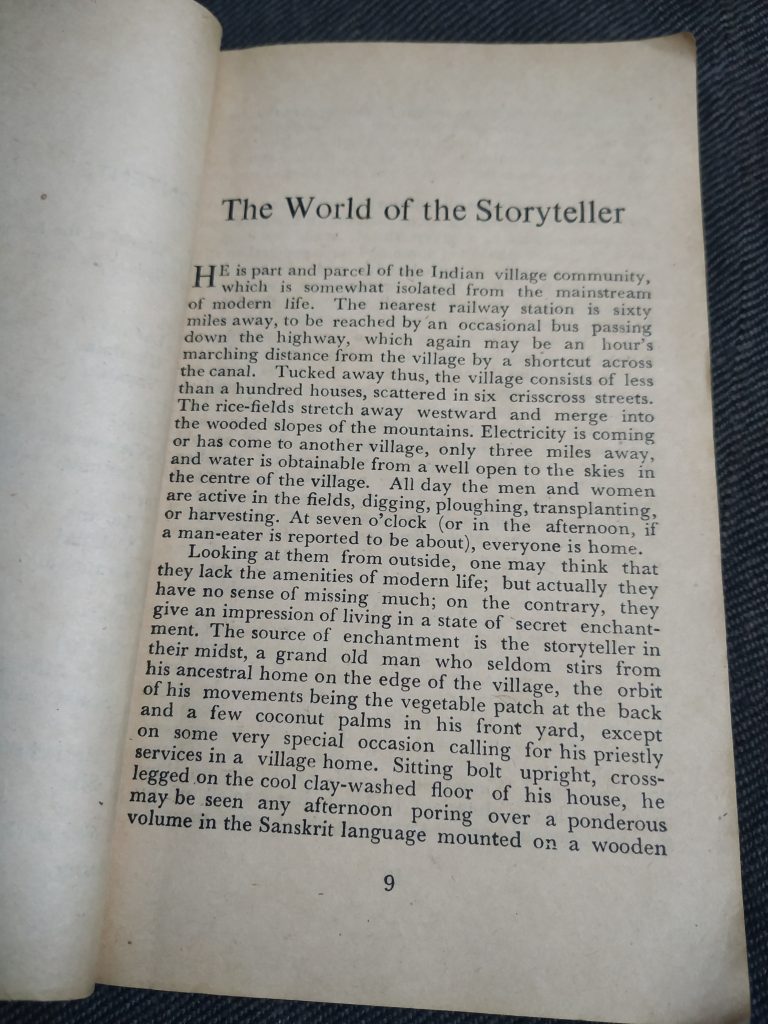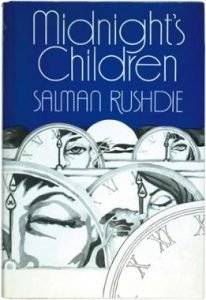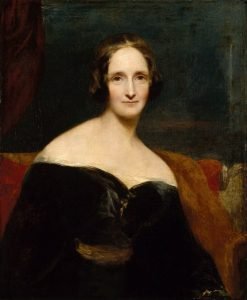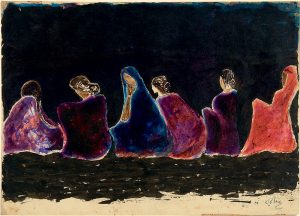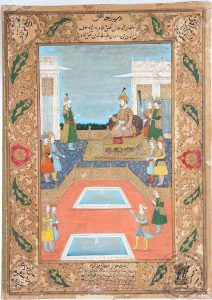

“The time scheme of the epic is somewhat puzzling to us who are habituated to a mere horizontal sequence of events. Valmiki composed (Ramayana) as if he had a past tale to tell, and yet it was broadcast to the world by Kusa and Lava, the sons of Rama, who heard it directly from the author.
One has to set aside all one’s habitual notions of movement and get used to a narrative going backwards and forwards and sideways.
When we take into consideration the fact that a king ruled for sixty thousand or more years, enjoying an appropriate longevity, it seems quite feasible that the character whose past or middle period is being written about continues to live and turns up to have a word with the historian.”
An excerpt from R.K Narayan’s book ‘Gods, Demons and Others’, Chapter 3, Valmiki
*
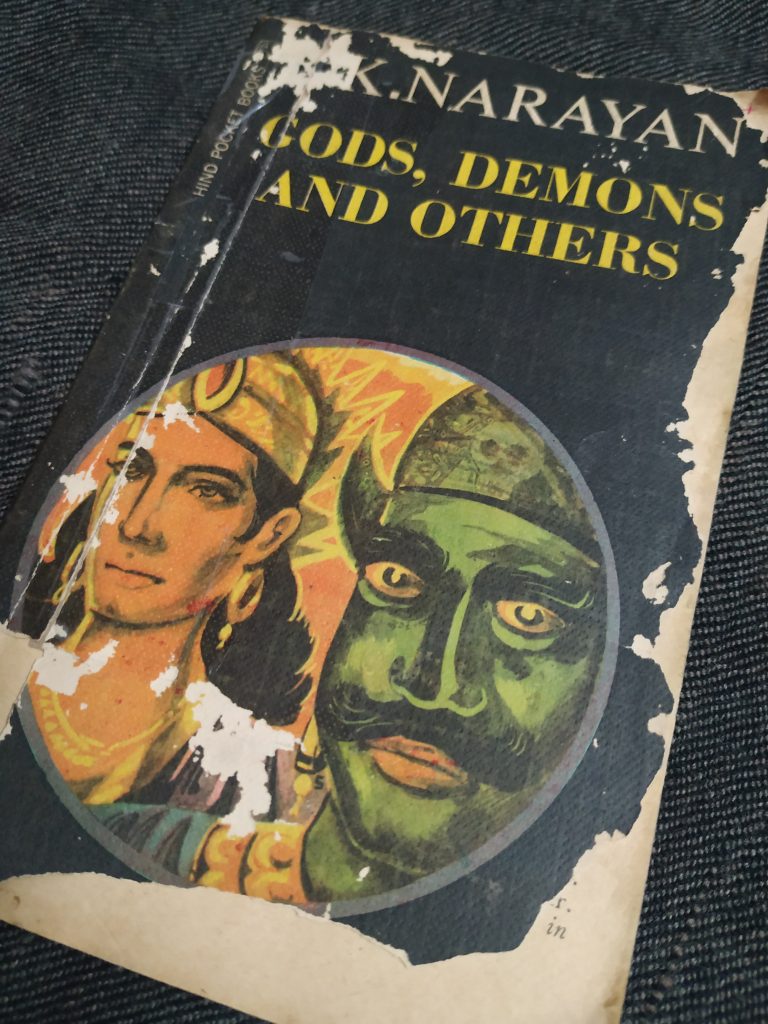
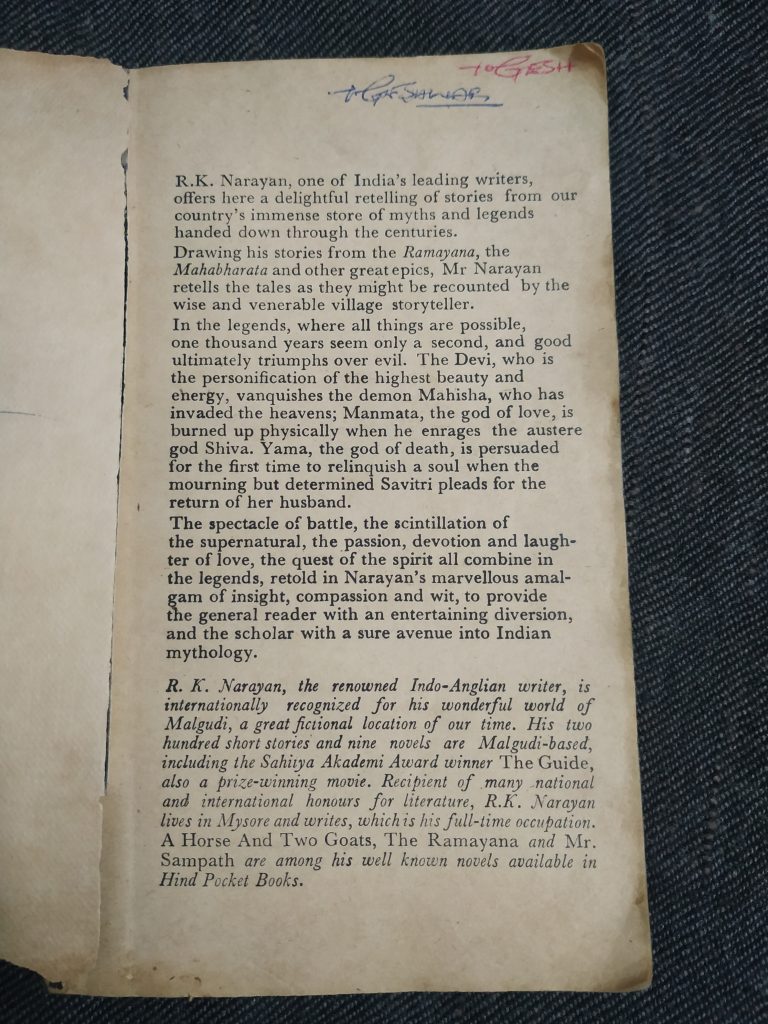
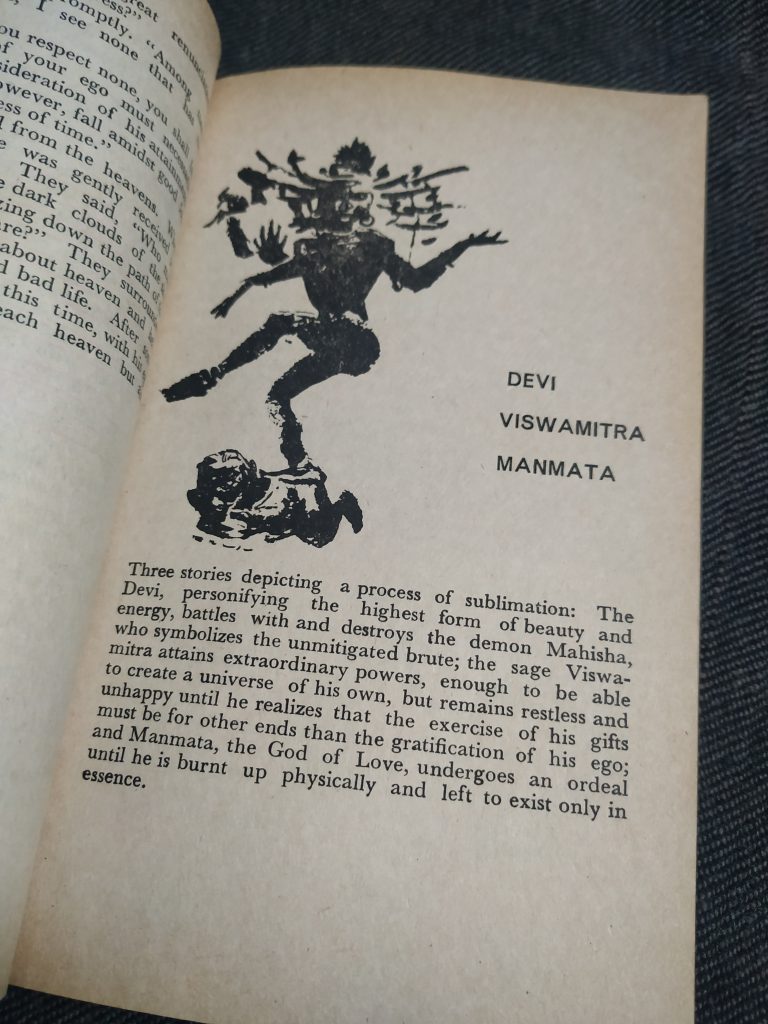
A second-hand old copy of R. K Narayan’s Gods, Demons and Others. Photograph by – Jagriti Rumi
Photograph by – Jagriti Rumi
The myths, the legends, the folktales, the epic victories and defeats, the deaths and rebirths simplify the reality of the extraordinary spirit – confounded and weakened often by tribulations or lulled by indolence – that resides within us all.
These stories take myriad routes, journeying from the world of Gods to the world of Demons, concluding on a high and happy note, introducing one to the game of life, entrusting with the secrets to winning.
Every emotion makes an appearance here; ego clashes until it shatters to accept change; Gods create obstacles almost breaking one’s spirit, but blesses the resilient one in the end with immortality and splendour.
These unfathomable, and at times a bit ridiculous, tales are the means to measure the unfathomable, ridiculous reality we live in; these tales, the bases of our culture, our rituals and an amalgamation of past societies, lead us.
*
Journeying through the circle of life. [Image from Pixabay.]
Splendidly well-adjusted to change, it accepts deletions, additions, revisions without much hullaballoo. It revels in various versions and shades read throughout the country. Same gods-goddesses, demons, sages, avatars… often playing different roles, but embarking on similar journeys.
Written in a playful and ambitious tone these valued legends, retold by storytellers in every generation, are our inheritance; it holds a secret for every tenacious individual.
It is not a particular theme that is the moral of the story here but the journey, the journey with its endless possibilities and absurdities, twists crafted by the capricious fate and the supremacy of time that gives us insight into our understanding of life.

And such has been the role of the myths, legends and epics and of course, the storytellers and it continues.
The renowned author R. K Narayan’s Gods, Demons and Others is an interesting and engaging read, one that opens the gate to Indian mythology for one and all.
“Nothing is easier than to denounce the evildoer; nothing is more difficult than to understand him.”
Fyodor Dostoyevsky
Stories – every well-told journey – give us a chance to understand different characters – the hero as well as the villain. But who wants to partake in the villain’s journey…? And yet we do, very keen to know her fate. We are thrilled, appalled and disgusted to see her commit a crime, knowing faintly and accepting quietly the destined end.

Stories are cathartic and a key to understanding the difficult, the “stranger than fiction” reality.
A crime thriller TV series set in Northern Ireland, The Fall, is about senior investigating officer Stella Gibson’s search for a serial killer, Paul Spector, who is targeting white young professional women in the capital city of Belfast.
The show is very well written, interestingly shot and credibly performed; a multi-layered plot and pacy structure make it an engaging watch.
Series 1, Episode 1 Analysis
The episode one is titled ‘Dark Descent’ and indeed the darkness falls engulfing not only the protagonist but also the antagonist, for the serial killer’s identity is revealed to us from the very start.
When we see Stella Gibson, who works for the MET (UK), working on an unsolved murder case, we also see the murderer visiting his next victim’s house. He is way ahead of the protagonist and is ready to attack again; the audience knows more than the protagonist and thus, stays engaged to know even more.
What is fascinating is that we are not told much about Stella Gibson’s personal life, rather the questions are left unanswered to be solved by the viewers gradually and thus, she remains Metropolitan Police Superintendent Stella Gibson who is smart, strict and brutal when it comes to dealing with murderers.
And on the other hand, we meet the antagonist, Paul Spector’s entire family – his wife and his two lovely children. Yes, the serial killer is a family man and not only that, but he is also a Grief Counsellor (a form of psychotherapy). We are repeatedly shown how particular he is about things in his personal and professional life, quiet in his demeanour, but always ready to pounce back if pestered. Paul Spector is an intelligent criminal.
These details show what Stella Gibson is up against, it makes the antagonist stronger, raises tension and keeps the viewer on edge.
One does not see scenes of murder or violence scattered impractically in this series, but the fact that a serial killer is on the loose, someone whose psychology the audience has now started to understand, creates another level of dreadful yet gripping mood.
We understand that two equally clever and fierce personalities are steadily moving towards each other, but we also get to know that the other characters, the side tracks, will come in their way – either to help or to obstruct. Such intricately are all the characters crafted that they stay with you.
One such character is Olivia, Paul Spector’s little daughter, who gets night terrors and is unable to sleep properly. In the first episode, it is established that Olivia is a bit too sensitive and picks on small things. In another scene, one of Paul’s patients, who recently lost his son and had come for counselling, tells him that his son died because “a son has to pay for the sins of his father”. Though Paul does not agree with him, we understand that this scene is a foreshadowing of what is yet to come.
In the first episode, Stella Gibson finds out a link between the case she is investigating and another murder case but struggles to convince her seniors that they are chasing a serial killer and not just a murderer.
Meanwhile, Paul Spector executes his plan, the darkness within overpowers him completely.
Gillian Anderson as Stella Gibson, Jamie Dornan as Paul Spector. [Source – fanart.tv]
Highlights
The multi-layered storyline unfolds bit by bit, not at all diminishing its impact in any way.
The antagonist’s world is drawn with much more clarity than the protagonist’s, allowing the audience to know the villain’s psychology and to maintain a mystery around the hero.
Every subplot is in one way or the other linked to either the hero or villain, thus, keeping the interest alive throughout the show.
Both the hero and villain are presented as vulnerable characters; both have weaknesses and can be defeated.
The grey side-characters give the show a realistic feel.
While mobiles, laptops and cameras in a thriller can make things too simple, here the advance technology only supports the story and does not override it.
The gritty, ominous music that sparingly plays in the background adds to the overall tone of the show.
The Fall, a character as well as a plot-driven show, is an engrossing watch that leaves you wondering about how psychological complexes possess a human mind.
The Fall
Written by Allan Cubitt; Directed by Jakob Verbruggen and Allan Cubitt
The mystical power, that is the universe, listens, call it life force, dark matter or god, it depends on what you believe… Image by Leonardo Valente from Pixabay.
Jubilant stream meandering modestly… Image by Layers from Pixabay
Gatherings under the giant Mahogany tree in the evenings, the jubilant stream meandering modestly and maybe also a talkative Koel’s parleys encouraged the wanderer… and the love stories, happy and incomplete ones, beaded in a melody and sung by folks for generations… it touched his soul.
Time failed to bind him as he travelled back and forth in the past and present to collect these melodies for posterity.
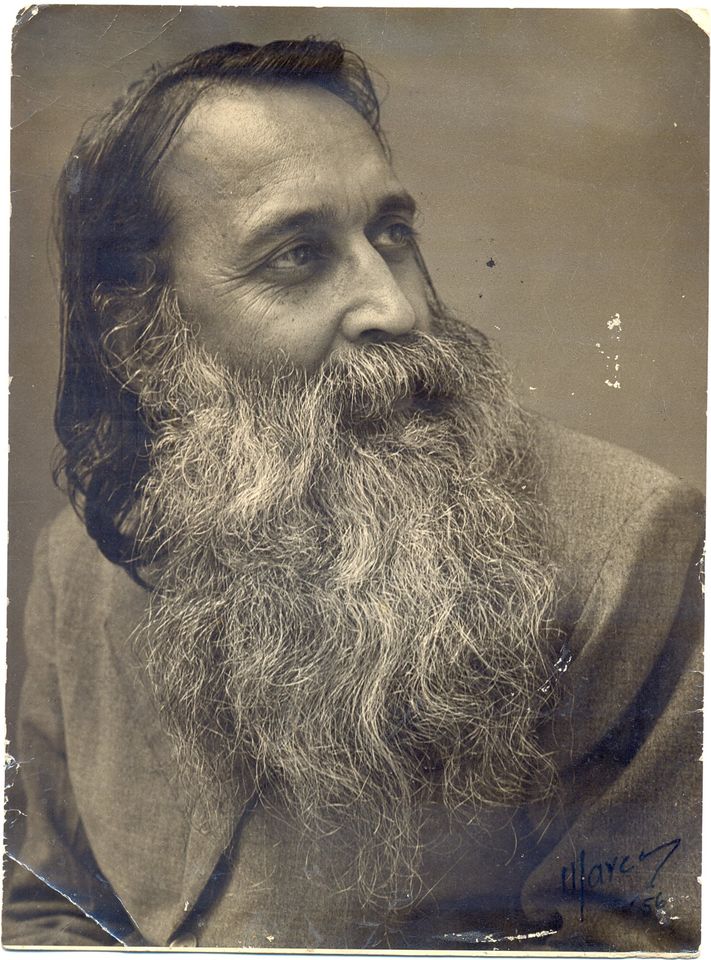
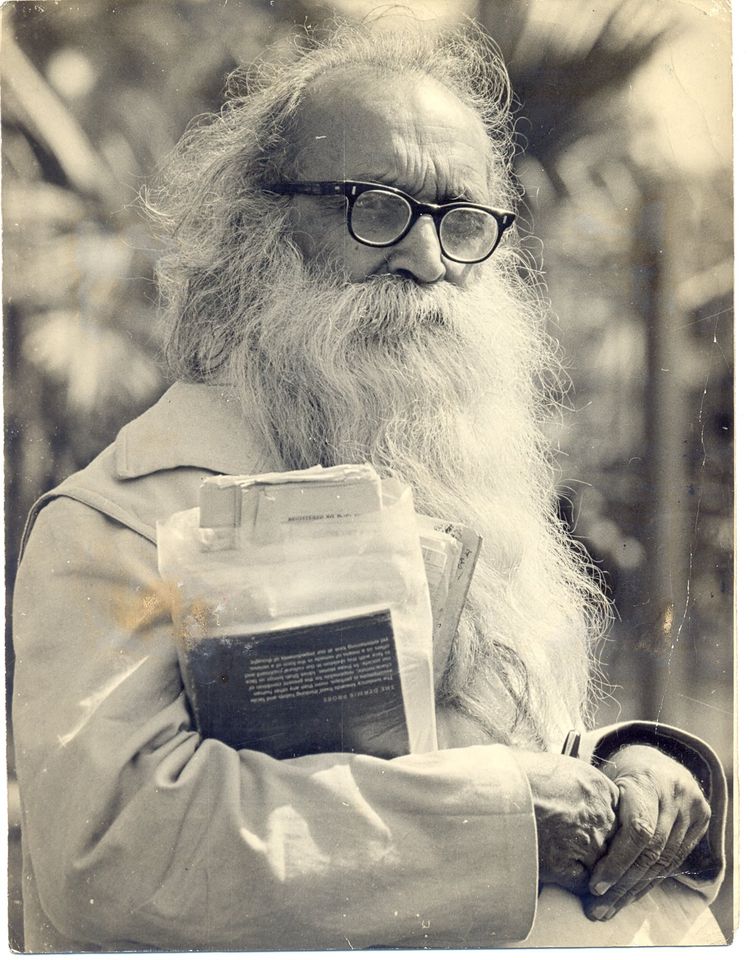
Nicknamed as Ghumakkad (wanderer) and Darvesh (saintly), Devendra Satyarthi (1908-2003) was a folklorist, poet, essayist, novelist and translator who wrote in Punjabi, Urdu, Hindi and English; he is famously known for his pioneering work, Giddha, an anthology of folk songs.
Travelling during the British Raj in an undivided India he met farmers, traders, tribals, mendicants and learnt from them their stories, listened to their songs and sang along.
Accumulating a treasure of around three thousand folk songs in fifty different languages, a beautiful feat in itself, he gifted it to the public for free; when All India Radio decided to pay him royalties for the folk songs, he refused it saying that the copyrights were vested in the motherland.
Rabindranath Tagore, who shared Devendra Satyarthi’s passion for folklores and folk songs, urged him to explore the world of folk literature throughout the country and also suggested him to write predominantly in his mother tongue i.e. Punjabi. Satyarthi obeyed him like a true disciple.
Folklores – the traditional beliefs, customs, and stories of a community, passed through the generations by word of mouth – certainly are a repository of knowledge that has an answer for the one who is astounded by life and its candour.
No doubt Devendra Satyarthi lived like a gipsy, he had to astound the norms so as to grasp our folklore heritage in a single lifetime.
*
‘मेरी प्रेयसी हीर नहीं है
न ही मैं रांझा
मैं पथिक पैर में चक्कर
मेरी प्रेयसी पथ की अभ्यस्त
चल पड़ती है उधर
जिधर मैं हो लेता हूं
न हंसकर, रोकर
नयनों में प्रिय नयन पिरोकर.’
(Translation – Neither is my beloved Heer*/ Nor am I Ranjha*/ I am a traveller/ And my beloved is habitual of the travelling life/ She walks along with me/ Wherever I leave for/ without a smile or tear/ with just love in her eyes.)
Living a life of a roamer, on the mercy of the others, travelling on almost no budget, this became impossible for Devendra Satyarthi’s wife after they had their first child.
Taking the responsibility of running the house, his wife started sewing work; for a while he too stayed back, working as an editor of a Hindi newspaper, but not for long.
His free-spirited folklorist’s soul made him embark on his next journey to different cities and villages.
“I confess that it was the sewing machine which saved the family, I just scribbled on paper,” Satyarthi said so as an old man. His poems, novels, short stories, essays, folk song anthologies, his contemporaries and the readers speak differently though; he continues to be a wanderer sage for them.
Hazari Prasad Dwivedi, the famous Hindi novelist, historian, critic and scholar, wrote a poem praising Devandra Satyarthi in which he compared Satyarthi’s loner lifestyle with that of the sun and the moon in the sky, as he too walked alone, spreading brightness through his words.
Devindra Satyarthi fought for independence with songs of freedom, love, devotion, brotherhood and unity.
He gathered this harmonious spirit and shared it with the countrymen; leaders like Sarojini Naidu, Jawaharlal Nehru appreciated his work and so did the father of the nation, Mahatma Gandhi.
“Many were foresighted in those times of the Raj and talked about the importance of recording the country’s cultural diversity, but few had the courage to step out of the cushioned life and do it. It required a lifetime, and Satyarthi dedicated his.”
Awarded with accolades like the Padma Shri, the fourth highest Indian civilian award, Devindra Satyarthi continued working in his late eighties and passed away at ninety four.
In his rigorous journey, it was his passion for folk songs and folk tales and the unflinching support of his wife that made him a jovial philosopher-poet.
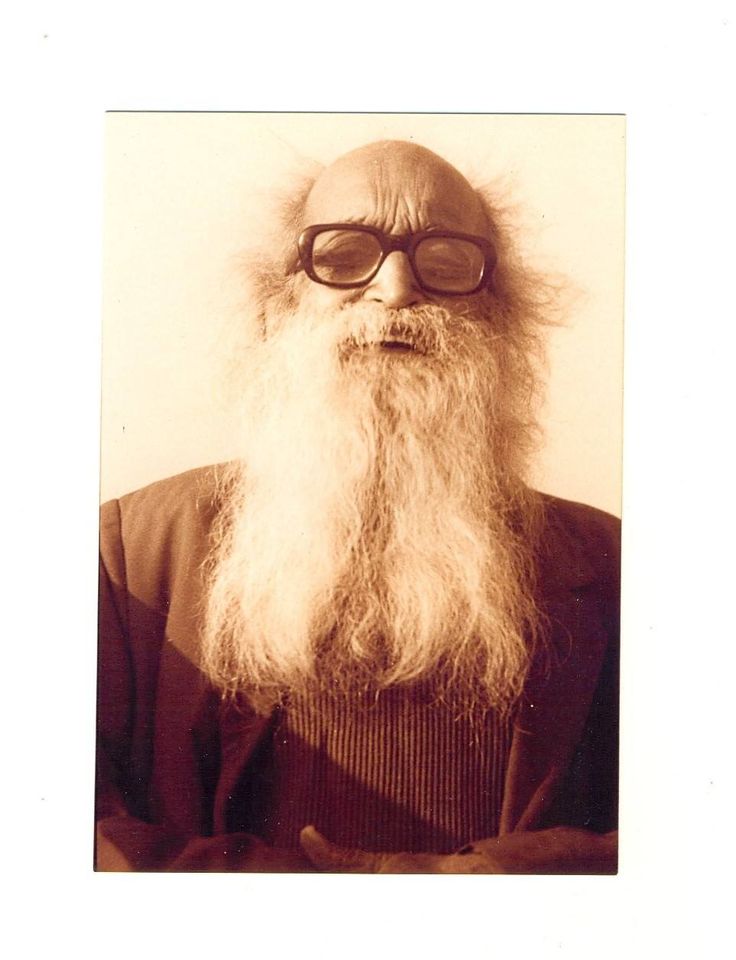
A khadi kurta-pyjama, long white beard and hair, thick spectacles, a rough jhola-bag and a few notebooks clenched close to the chest, one might have called Devindra Satyarthi a strange, poor old man, unaware about his legacy and treasures.
Thematic Analysis of the film The Silence of the Lambs
A classic, critically and commercially acclaimed, and one of the few films to have won Academy Awards in all the top five categories i.e., Best Picture, Best Director, Best Actor, Best Actress, and Best Adapted Screenplay, The Silence of the Lambs (1991) undoubtedly is a masterpiece.
This psychological thriller is adapted from Thomas Harris’ novel; the screenplay is by Ted Telly and it is directed by Jonathan Demme.
The story revolves around a young ambitious FBI trainee, Clarice Starling, who is interviewing a serial killer now in prison, Dr Hannibal Lecter or famously known as Hannibal the Cannibal, to get his help in finding another serial killer – Buffalo Bill.
An astute psychiatrist, Dr Lecter, agrees to cooperate only if he is transferred to a prison of his choice.
The situation aggravates when Buffalo Bill kidnaps a senator’s only daughter so as to finish his ‘woman-suit’ made from real women’s skin. Clarice knows only Dr Lecter can help her, but when he escapes from the custody she is left with unclear anagrams and a few hours to save the senator’s daughter.
Thematic Thread Runs the Story
What is that which helps weave the plot, the characters, the motivations, and the milieu in a story as one? What is that which subtly runs the story? It is the theme/ the central idea/ the core of a story. The plot builds on and the characters reflect the theme, solidifying the thought behind the tale.
In The Silence of the Lambs too it is the theme that gives enough space and opportunities to the screenwriter and the makers to explore the story cinematically.
Adapting a novel into a film script is not that easy a task, one needs to fix the storyline, make it crisp and compact, shuffle and alter it without disturbing its soul, rewrite it using the cinematic language.
The Silence of the Lambs is a great study to understand film adaptation; not even a second of the screen-time is wasted, with every scene we get closer to catching the serial killer and yet, the suspense continues.
Main Themes in the Film
Metamorphosis
Clarice Starling, Dr Hannibal Lecter and Buffalo Bill – the protagonist, the pivotal character and the antagonist – all want to bring a change in their lives; they instigate, obstruct and fight not fearing the consequences.
“Lecter – Was it a butterfly?
Clarice – Yes. A moth. Just like the one we found in Benjamin Raspail’s head an hour ago. Why does he place them there, Doctor?
Lecter – The significance of the moth is change. Caterpillar into chrysalis, or pupa, and from thence into beauty. Our Billy wants to change, too.”
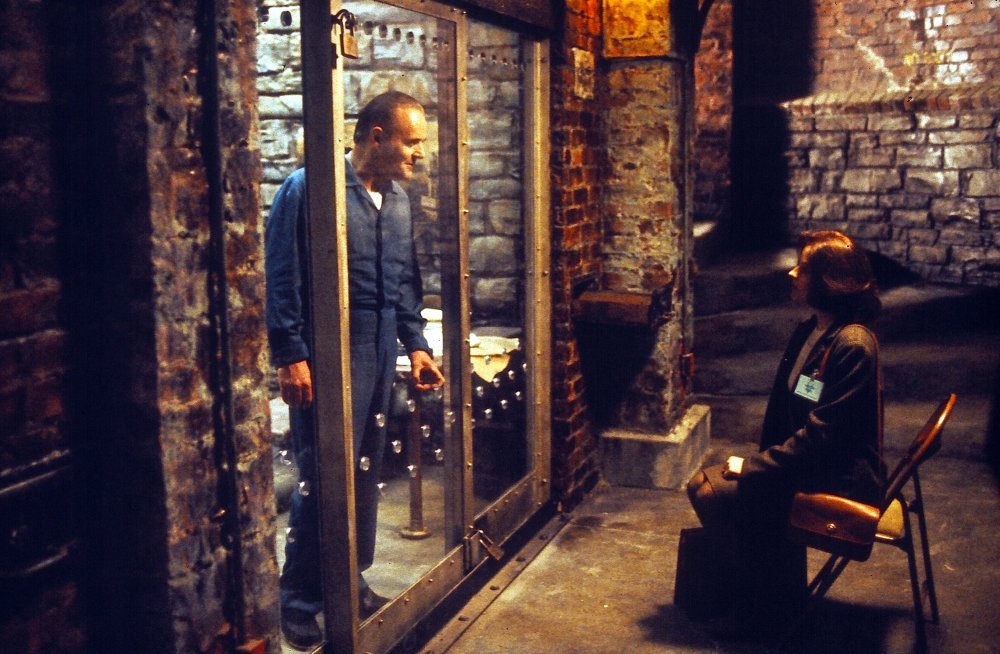
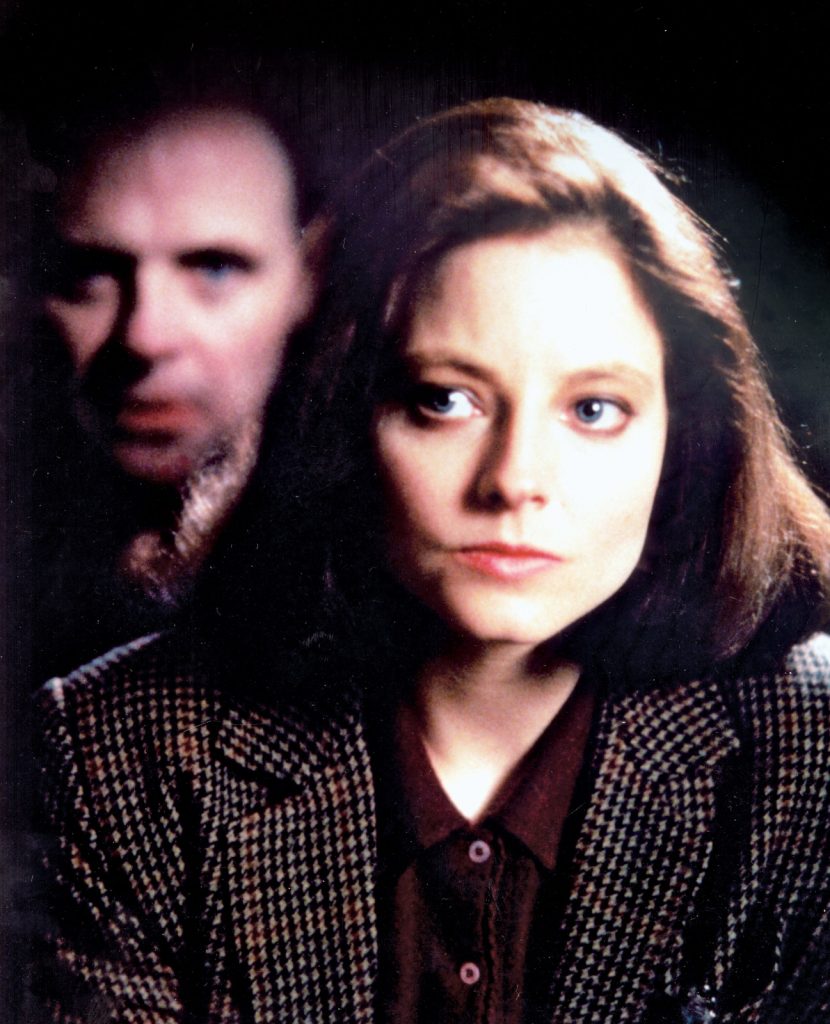
Clarice’s first meeting with Dr Lecter.[Source – The BFI]
Stifled by his real identity, Buffalo Bill wants to become a transsexual, and after failed attempts to achieve it via sex reassignment at selected few hospitals, he decides to stitch a woman suit; he kills women and skins them for it. Accepting this gruesome act as his destined journey from being a caterpillar to a butterfly, he treats his victims as mere objects.
He calls Catherine Martin, the senator’s daughter, ‘it’ and refuses to take her as a person.
“Bill – It rubs the lotion on its skin. It does this whenever it’s told.
Catherine – Mister, my family’ll pay cash. Whatever ransom you’re asking for, they’ll pay it.
Bill – It rubs the lotion on its skin or else it gets the hose again. Yes, it will, Precious. It will get the hose.”
Though we meet Bill rather late in the film, his deeds speak for him from the very beginning. It is Buffalo Bill’s case that Jack Crawford (from the Behavioral Science Department, FBI) is unable to decode and thus, sends Clarice to meet Dr Lecter in the hope of getting his help.
Dr Lecter sees through Jack Crawford’s plan, but nevertheless decides to play along, one, because this could be his only opportunity to get out of Dr Chilton’s custody and two because he enjoys talking to Clarice, she is like an interesting subject for him.
In his first encounter with Clarice, he understands how desperate she is to get to the bottom of this case, how badly she wishes to catch Buffalo Bill. He astonishes and scares her at the same time; appreciating Clarice’s genuine desire to do well as a detective, he gives her the first hint.
A change of scene, another place where he could be closer to nature is what he wants in return. Quote –
“What I want is a view. I want a window where I can see a tree or even water.”
And through Clarice lies the way. Playing a game of ‘Quid Pro Quo’, Clarice tells Dr Lecter about the worst day of her life – the day when she tried to save a lamb from getting butchered but failed, allowing Dr Lecter to manipulate her, hoping to gain his trust, determined to know more about Buffalo Bill.
Then, like in the game of chess, Dr Lector moves to check-mate the asylum’s warden Dr Chilton; aware that the abduction of a senator’s daughter by Buffalo Bill could probably be his only chance to escape the life of a prisoner, Dr Lector overtakes both Jack Crawford and Clarice and sides with his ‘nemesis’ Dr Chilton and works out a deal. As demanded he is transferred to the state prison and in exchange he shares his old patient Louis Friend aka Buffalo Bill’s information with the senator.
Confident about breaking away from the makeshift prison at the Courthouse, in his last meeting with Clarice, he, like a teacher, guides a troubled Clarice step by step to understand how Buffalo Bill’s mind works. He asks her to focus on ‘simplicity’ and gives back the case file saying that everything that she needs to know about Buffalo Bill is already in the case file.
Later, he executes his horrifying plan – kills the guards, makes a face mask from one of the guard’s face to fool other officers and once in the ambulance, he kills the medical crew and runs away.
Clarice Starling also wants to bring a change in her life. Her sincere desire to succeed as an FBI trainee is actually, as Dr Lecter psychoanalyse her and reveals, an honest wish for the lambs in her dreams to stop screaming, she wants to save at least one innocent life from getting butchered, she wants to be redeemed. As a child, orphaned after her father was killed, she was helpless and this crippling state of helplessness is what she wants to change forever.
To achieve their set goals, Buffalo Bill and Dr Lecter move forward without any fear, eager to grasp transformation/ freedom, but clever enough to be cautious, while Clarice Starling, vulnerable, anxious yet brave, collects clues, discovers the truth and ultimately meets the butcher before he could make his next kill and ends his journey.
The Strong Feminist Voice
The Silence of the Lambs is a fantastically strong feminist film. It talks about, shows and breaks the “male gaze” beautifully. Clarice Starling is not even close to being a damsel in distress; she is a confident independent individual. Her persona, her fighting spirit breaks the stereotypes we all are usually too lazy, slow and comfy to react to.
Still a student, Clarice Starling is called to be a part of an on-going investigation, but Jack Crawford does not reveal his plan outright. He places her forward as a pawn and waits for Dr Lecter to react, not sure if he will agree to play.
When Clarice confronts him about the same, Jack Crawford says that he did it so as to help her win Dr Lecter’s trust as he would have otherwise simply refused to comply.
Working in a field with a male majority, Clarice does not hesitate to raise her voice or correct her seniors. Jack Crawford tells the Sheriff while examining another Buffalo Bill victim, to discuss ‘this type of sex crime’ in private indicating that doing so in a young woman’s presence might be inappropriate; when tries to clarify it later he gets a blunt reply from Clarice – quote –
“Jack – Starling, when I told that sheriff we shouldn’t talk in front of a woman, that really burned you, didn’t it? It was just smoke, Starling. I had to get rid of him.
Clarice – It matters, Mr Crawford. Cops look at you to see how to act. It matters.
Jack – Point taken.”
To discern what “male gaze” actually is, we, the audience, are placed in Clarice’s position almost every time when Jack Crawford, Dr Chilton, Dr Lecter and Buffalo Bill address her, they see directly in the camera while Clarice looks slightly off the camera, their searing, manipulative gaze falls directly on the viewers.
Anthony Hopkins as Dr Hannibal Lecter.[Source – Cinema Blend]
Then there are striking scenes like when Clarice takes the lift at the FBI academy and is the only woman amongst the men who stare at her, also when she tells Sheriff and his men to vacate the room so that she and the FBI team could finish the investigation, every one of them looks straight at her/ the audience, confused seeing a young woman asking them to leave and let her work.
This ‘experiencing’ rather than ‘showing’ of what Clarice goes through in her day to day life, subtly and firmly makes one aware about the disturbing presence of the “male gaze” in our working culture.
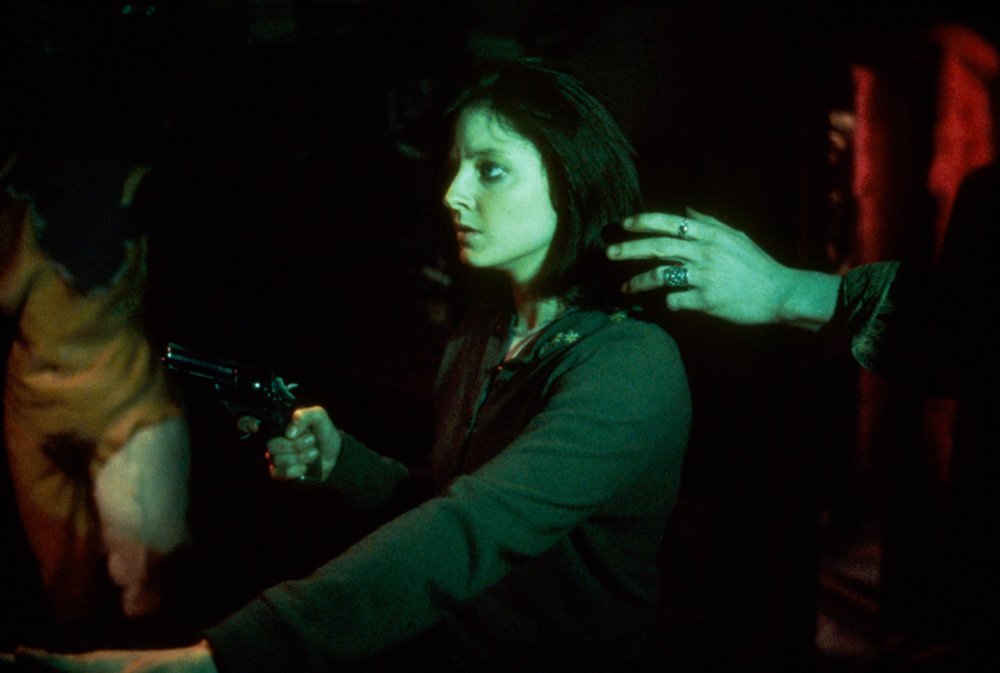
But here, effortlessly, Clarice Starling becomes the change she and we all wish to see around us. And she does so by simply not giving up – the horrifying experience at Dr Lecter’s cell, the way she is moved in and out of the Buffalo Bill case does not deter her spirit – and when finally she cracks the case and alone faces the mad serial killer, she stands her ground, fighting her way through the darkness, unaware about Buffalo Bill’s night-vision-goggled-eyes following her and fully alert, she fires on hearing him cock his gun. She fires again and again, the dark glass window shatters and light pours in the damp room.
The transformation process concludes here and is in favour of Clarice Starling.
Symbols and Metaphors –
Symbols and metaphors always assist in developing the theme, plot and characters in a story. In movies, it becomes imperative to utilize every bit of screen space to understand the underlying concepts and motifs that cannot always be explained via dialogues.
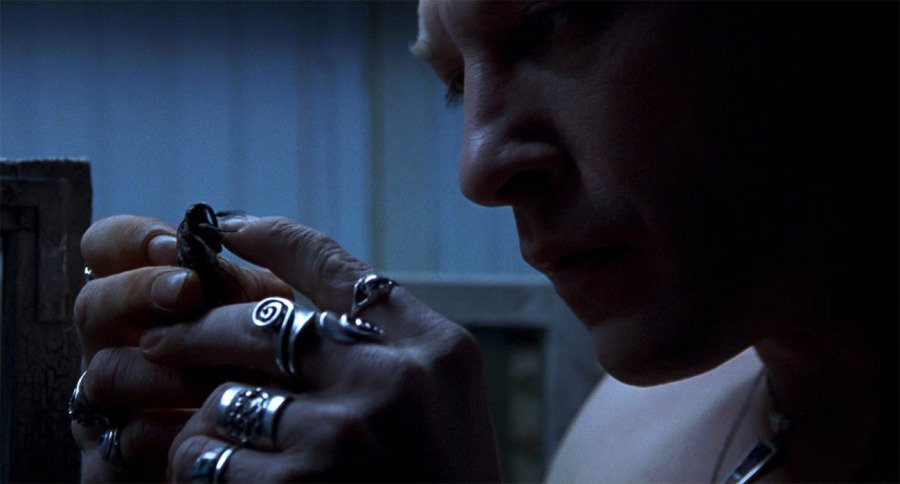
Death’s-head moth is a symbol of transformation and also of impending doom in the film. In two of the Buffalo Bill’s victims, moth cocoons were found; not his calling card, but it is rather a ritual for him as he killed them in the hope to transform, to break-open his cocoon and sooner or later emerge as a beautiful butterfly.
But as he had to pay for his grisly, despicable acts, in the end, Clarice recognises Jame Gumb as Buffalo Bill when in his house a Death’s-head moth flies by her side and rests silently on a thread roll; she chases him in the labyrinth of a basement and shoots him down.
Ted Levine as Jame “Buffalo Bill” Gumb.[Source – Onthisdayinfilm]
Throughout the film, lambs are used as a metaphor for one who is innocent but is still suffering, for a troubled soul wanting redemption. Clarice Starling’s father, a Town Marshal, was killed by two burglars, and an orphan at ten, she could not do anything but watch.
She grew into a brave individual, but still carries that grief, that state of helplessness within and aims to redeem herself by fighting crime. Dr Lecter understands this; he also sketches the profile of Clarice holding a lamb, showing his growing interest in her.
“Have the lambs stopped screaming”, asks Dr Lecter over the phone on Clarice’s graduation day, leaving her surprised. No longer a prisoner, he assures her that he will not come after her and hopes that she will extend the same courtesy towards him. Clarice does not promise him anything.
With this, a well-knitted story comes to a closure where Clarice sleeps peacefully, in the silence of the lambs, but only in the novel. In the film, Dr Lecter leaves Clarice guessing where he could be and hangs up to follow Dr Chilton in the crowd in the Bahamas. Thus, here Clarice’s journey does not end.
Conclusion
Sound clarity is a must when exploring the thematic range of a story. Clarice Starling’s past and present moves parallelly, an aspiring FBI agent she agrees to be psychologically manipulated by Dr Lecter, not only to be a good detective and win praises from Jack Crawford but to truly help rescue Buffalo Bill’s next victim.
Here, it is the theme that builds the plot, structure and moves the characters; it is the theme that writes the screenplay.
The Silence of the Lambs was the first psychological thriller since Rebecca (1940) to win the Academy Award for best picture. A compelling and clever script, tight direction and impeccable acting both by Jodie Foster and Anthony Hopkins make this film an unmissable classic.
With themes like metamorphosis, good versus evil, feminism, male chauvinism and redemption interwoven into the story, the film transcends the single genre of a psychological thriller.
It raises questions for the individual as well as the society for what is nurtured is what comes out of the cocoon, both a butterfly and a death’s-head moth.
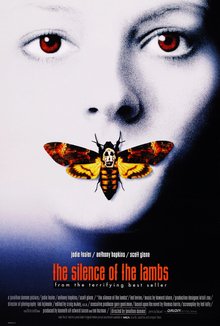
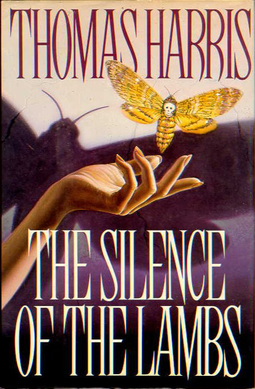
The front cover art for the book The Silence of the Lambs written by Thomas Harris.[Source – Wikipedia]
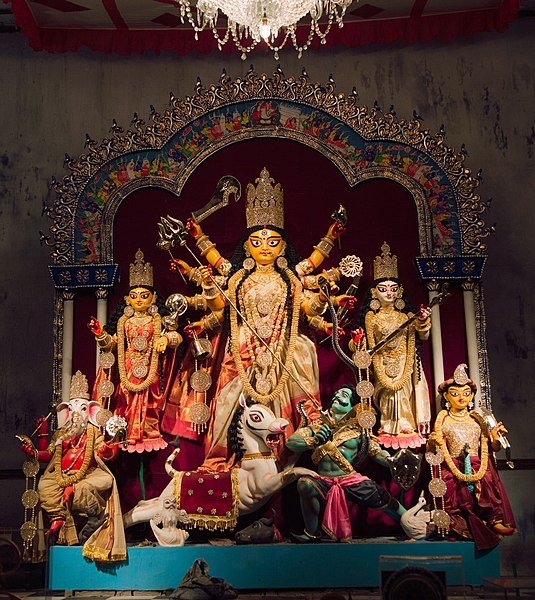
Big, bright and beady eyes looking right through you, resting her gaze on meeting the soul, Durga, the beautiful supreme goddess, asks you to dare. The three-eyed deity, in a blast of red and yellow, and a thunderous jubilant tune, asks you to be brave.
Every mortal being bows and offers herself and dances madly, in a daze, circling in the incense fog, urging goddess Durga to bless and enlighten her devotees.
Durga Puja, a Hindu festival, celebrates every shade and story of life, fostering passion, guiding the troubled, reminding the beaten soul to rise once again.
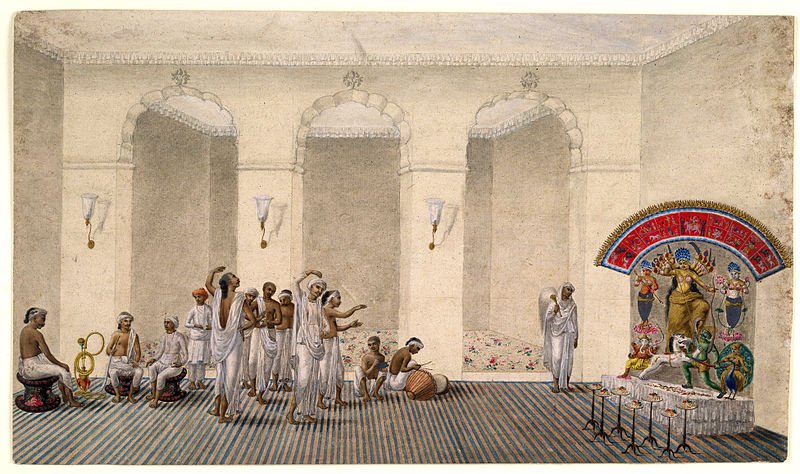
Many old Hindu scriptures have passed the story of the fierce warrior goddess Durga, with a royal lion as her vahana (vehicle) by her side, killing Mahishasura, a shape-shifting deceitful demon who had caused havoc on the earth.
Grand clay idols of Durga – her ten hands carrying various weapons, slaying the terrible Mahishasura with a trishul (trident) who lies on her feet – are built and placed under beautifully decorated marquees.
Different avatars of goddess Durga are worshipped for ten days – for she is the personification of power, wealth, emotions, intellect, nourishment, beauty, desires, faith, righteousness, forgiveness and peace – and on the last day, the idol is taken to a local river body for visarjan (immersion of the idol). She then returns to her husband, Lord Shiva, who resides in the Kailash Peak in the Himalayas.
Slayer, nurturer, the feminine soul of the Universe, Durga is the life force, the will to survive, the spirit to fight back, the joy of being alive and the celebratory dance of the Creation.
Exceptionally popular in the eastern parts of India – mainly in West Bengal, Odisha, Assam, Tripura, Bihar – these states lit up magnificently, colouring every nook and corner alive. In our corona-hit world, with provisions in place, India welcomed goddess Durga once again.
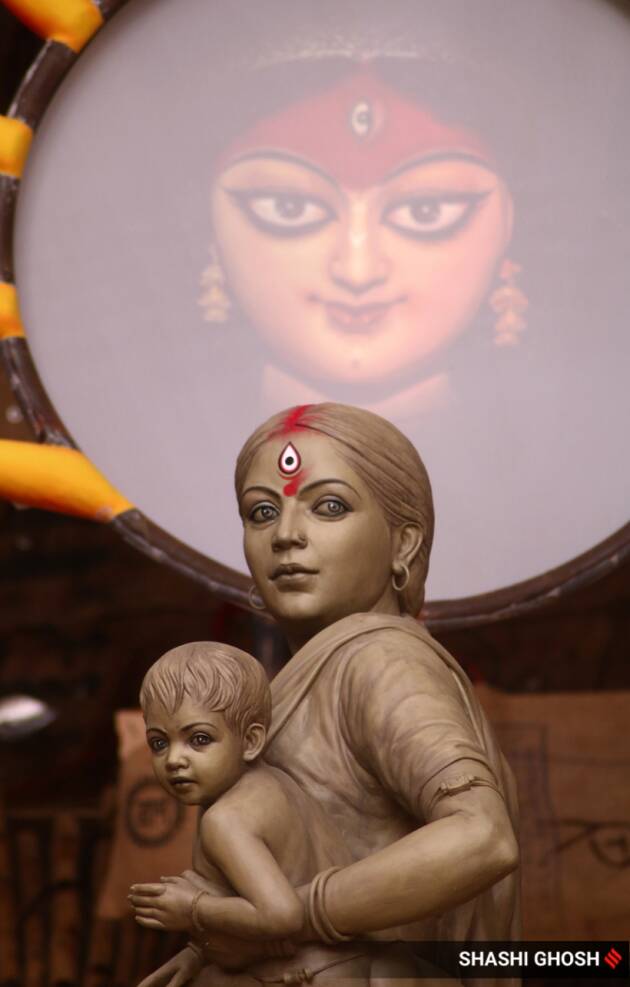
More of a socio-cultural festival than just a religious one, the artists always come up with unique themes and styles when creating the idol. This year it was the idol depicting goddess Durga as a migrant mother carrying a young one in her arms, with two little girls walking by her side that won everyone’s heart.
The idol, created by Kolkata based artist Pallab Bhaumik, highlighted the plight of the migrant workers who were forced to walk thousands of kilometres to reach home from cities during the lockdown.
Devoid of vibrant colours, the ‘migrant’ Durga represents the hardships of a section of society who are usually forgotten after they make headlines, but such brilliant is this work that it appears to be more alive and grand than anything real.
Yet again it is the victorious, omniscient eyes of the goddess that say the most. She smiles for she is the witness of the on-going life drama.
The depiction of goddess Durga as a ‘migrant mother’ then could not be more apt because a labourer is also closest to the raw life drama which we all on the contrary love to refine before consuming.
And it must be a fierce conviction to win that fuelled the hearts of the migrant mothers and their faith in life that encouraged them to complete the tiring journeys. Because if not honest hope, what could be behind their unswerving patience and perseverance?
They will win in their journeys, everyone who creates something will win, for every action is an oblation, it is life and the wondrous Durga, its symbol.
The everlasting, all-embracing, ebullient circle game is manoeuvring it all so well. The cycle of life, the movement of planets and the galaxies, the journey of every individual swivel beautifully.
Joni Mitchel’s beautiful song The Circle Game from the album Ladies of the Canyon is a reminder, I feel, to remember the rules of the circle game.
A game in which we all are participating no matter how forgetful we may be.
*
The Circle Game, play well dear me.Image from Pixabay.
Stories have been working from the very beginning to prove the presence of the circle game; every story that was ever written or will be written becomes complete when it forms a neat circle in the end.
It could be a linear circle with a clear structure like Macbeth or it could be a non-linear circle that nicely and freely waits for its completion in the viewers’ mind just like this song.
“So the years spin by and now the boy is twenty/ Though his dreams have lost some grandeur coming true/ There’ll be new dreams, maybe better dreams and plenty/ Before the last revolving year is through…”
The Boy is twenty and life has happened; he has fallen but is hopeful, and there is still time for him to give it another try. And life goes on.
The circling theory of Karma – what goes around comes around, the circling nature of the first law of the thermodynamics – energy can neither be created nor destroyed, it only changes its form, the ancient Ouroboros symbol, for instance, all voice the same truth.
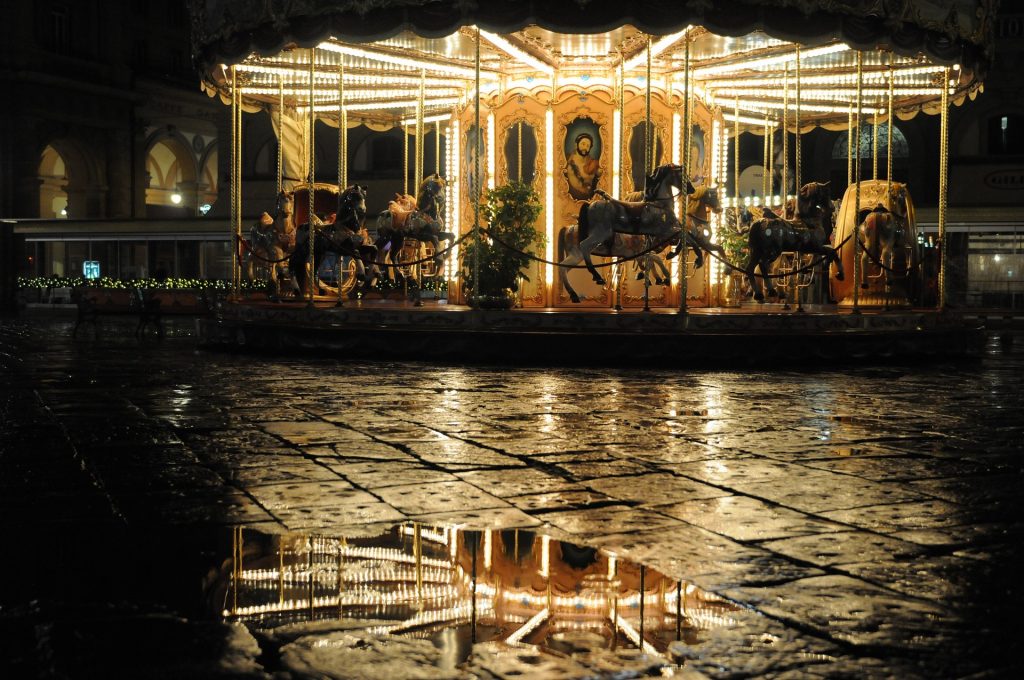
“We’re captive on the carousel of time/ We can’t return, we can only look behind/ From where we came/ And go round and round and round/ In the circle game.”
“Captive on the carousel of time”, curtly this hits the mind and the realisation disturbs languidly.
Like a plaything, like “the painted ponies”, we are tied to the carousel of time. And the only way forward is to continue.
Moving forward not painted-pony-like, limited and not captive every individual in this life holds the power to swivel in her fashion.
Destined and yet free, that is how life is, by nature paradoxical.
We are not separate, we are one with the circle game, we add to its beauty as we go round and round and together we are moving towards its never-ending end.
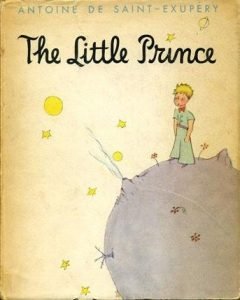
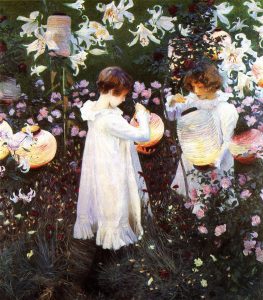
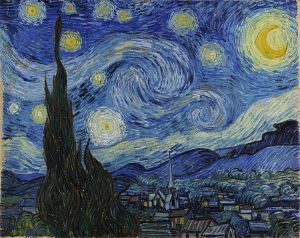
From the pre-historic art to the Ottonian, Viking, Anglo-Saxon and Celtic art, covering eras and some more eras to reach the Italian renaissance, the Baroque and the Neoclassicism, Romanticism and Impressionism, taking a leap, leisurely, one day at a time, to reach the “Graffiti” modern times, we have successfully lived so many lives.
I say successfully because the story is still in circulation.
*
Emperor Justinian and Attendants
Mona Lisa
Aurangzeb Hunting Lions
The Lamentation of Christ
*
Brushstrokes, texture and colour freeze a moment so beautifully that we often forget to read. Every painting speaks of its era and teaches sincerely. Without feeling ashamed it presents both the charming and the grotesque.
Leafing through the book of art frequently, I believe, is necessary.
For at all times it will be there, telling you about the truth and the fact, the mystery and the mystical, the mundane and the historical, the forgotten and forgiving tradition, the sinner and the redeemer, mirroring every mind and thought.
Yes, the intensity with which it glares overwhelms the hassled mind. Studying art is difficult, it asks for patience and openness, but for this very reason, we should revisit the art world, for these are values which always come handy.
Phenomenal, simple, even funny, a painting adjusts to our understanding of it. How empowering!
As I continue collecting stories, I will look into the art story again. What about you?
I am joy running free/
freely flying, fluttering, soaring in a valley/
Of joy am running free.
Greetings!
A storyteller, following the ancient tradition of cave chroniclers, standing in vrikshasana (the tree pose) on a hill top (it is sunny, but windy), breathing in and out stories (relishing it all, but at times overwhelmed), declares animatedly that she will continue to – tell stories, share rare story gems, and connect with the pacy universe while also keeping the website ad-free.
Big thanks to my readers. Stay tuned!
Also, a humble request to the new subscribers to check the spam folder after subscribing. Silly (but necessary) confirmation emails often land there instead of the bright inboxes. Merci!
Ya-hoy!
Chiming Stories (formerly Home Chimes)
P.S – Supporting a storyteller is good for the world’s health (and undoubtedly, for the storyteller’s health as well). Shower some love by sharing, commenting and subscribing to the Weekly Newsletter.
Gabbeh, the 1996 film, is a simple tale of a gipsy girl, her clan and the way their life goes on. Unfolding beautifully just like an artist painting a canvas, Gabbeh quietly touches the grand questions.
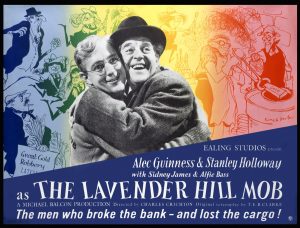
Ranked as one of the greatest British films of all time, The Lavender Hill Mob confides in the audience, letting them see, feel, laugh and think without tickling persuasively with a joke here and a punch-line there.
Godard… Breathless and Alive
A Tribute to Jean-Luc Godard, the Film Philologist who Reinvented Cinema.
Yes fly! For walking on the second track is dull and usual, but dreaming high, high, high requires tools. Tools like the right pair of shoes, a chirpy, gritty soul that eats butter-jam dreams, a soul that drinks milky-milky creams.
Silver cascade shimmering the night sky, music to the waves and surreal beauty to the eyes, the Moon loves the art of discipline.
It may be difficult to believe for the Moon’s splendour defies time, it stupefies the clock, it follows the path of a dreamer, but how could this be possible if the Moon knew not discipline?
In this moment, I am a little bit of this and a little bit of that, I am complete and incomplete, I am pleased and uncertain, I wish for nothing and I know I have to wait.
Because the distance covered reminds me of the hurdles I have crossed and the ones I could not, it reminds me of a throbbing past and a dreamy future and it reminds me of how much time is left.
Meredith and the Green Lake
Illimitable Splendour
A joy so complete without any rise or fall, so free without any time corners, so real without true being false, false being true.