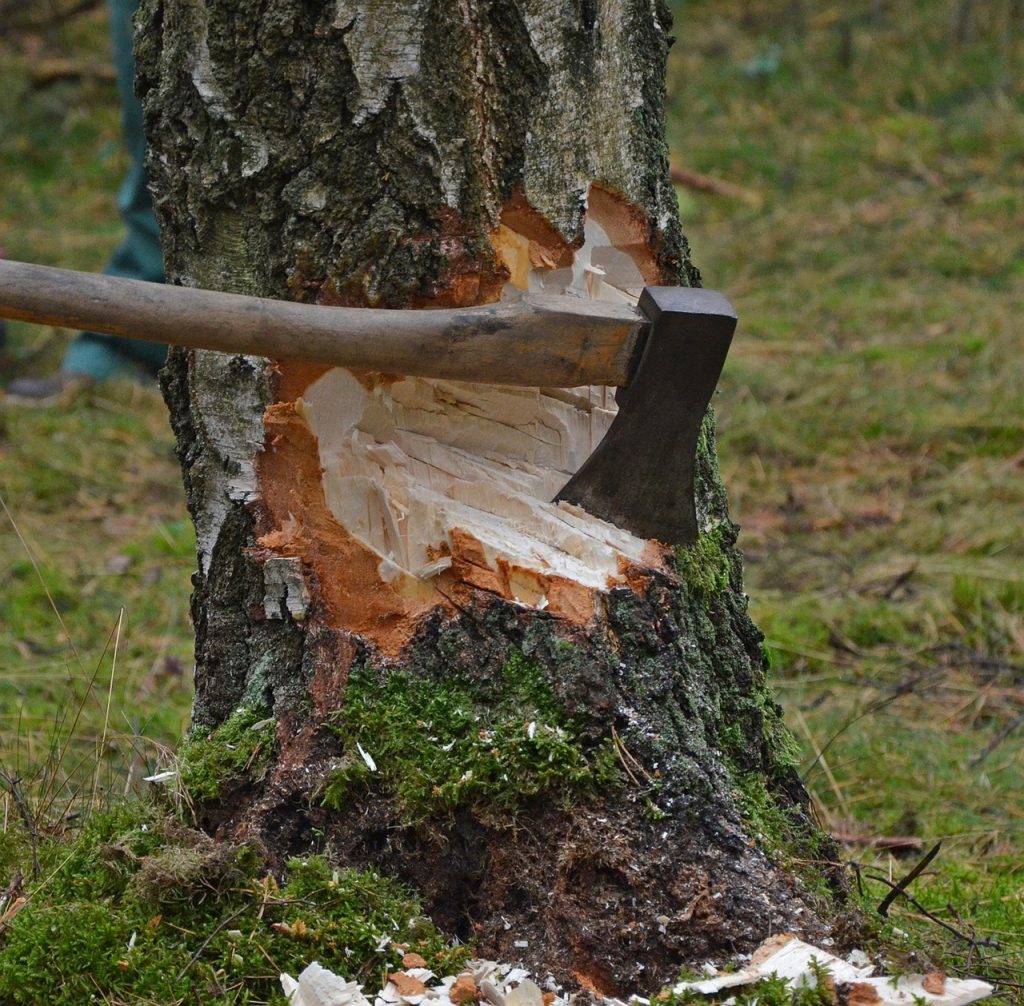
The sound of an axe against the giant tree’s trunk breaks the quiet air, chopping it off into pieces, bit-by-bit, the air is stunned.
Mister, why would you cut down trees?
The fragrance of the giant tree’s old life, full of a mixture of rich air, earth, water, light and love, now bleeding, sharpening the axe with every hit, giving-giving-giving with every touch, revives the stunned air then.
Mister, why would you cut down trees?
Them sparrows, squirrels and owls, eagles look at from a distance, them lizards, beetles, butterflies, bees, run towards a new shelter, them ants keep crawling for they know they must find a new path for the giant tree is being hit by a sharp message.
Mister, why would you cut down trees?
The creepers and crawlers were cut down first, they are lying in a bundle chopped off there and there, life in their slippery veins still taking in the thick grim air moving around the tree. The air hugs the tree tightly, now and then, and every time it does, the axe gets stuck in the trunk, stunned by love.
Mister, why would you cut down trees?
The fungi and lichen that sat on the giant tree’s trunk and branches, meditating for ages, open their eyes to observe carefully everything, every hit, every drop, every turn of the air around the giant tree. It observes and becomes one with the slow killing, seeing, dying along, yet living to pass it on.
Mister, why would you cut down trees?
The giant tree is about to fall down, the birds know it, and so does everyone that is alive there, but the man doubts and waits. The man pushes and picks the axe again, in a hurry for a solo reason. The giant tree sways a little, it is ready, look, hear, it comes down kissing gravity.
The man shudders, for the giant tree is down and it says nothing, it cries not. The air feels heavy, almost dead and the man senses it not.
Mister, why did you cut done the tree?
“For fire and to build a house, a garden, a giant building, a bridge, a highway, a dam, a runway, a platform on which one can stand and address thousands and thousands, explaining them the many ways to live a better life, a peaceful life, a cleaner life with fresh air for all.”
Somewhere, a seed comes alive and is gently caressed by the sun-soaked bright air and the rich wet earth; and so, like it happens every time, with the very first step that the seed takes, it knows of love.
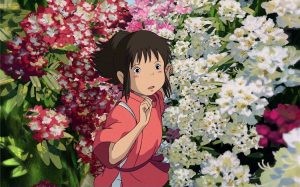
Today, now, painting a picture with eyes, fresh eyes, a picture uncaptured before, uncaptured still after I finish painting, of course, for I am not a collector, why to collect, why to tie-up or get tied to, when I am living the moment in all its glory… free of any fear or want… free of thoughts… free of time.
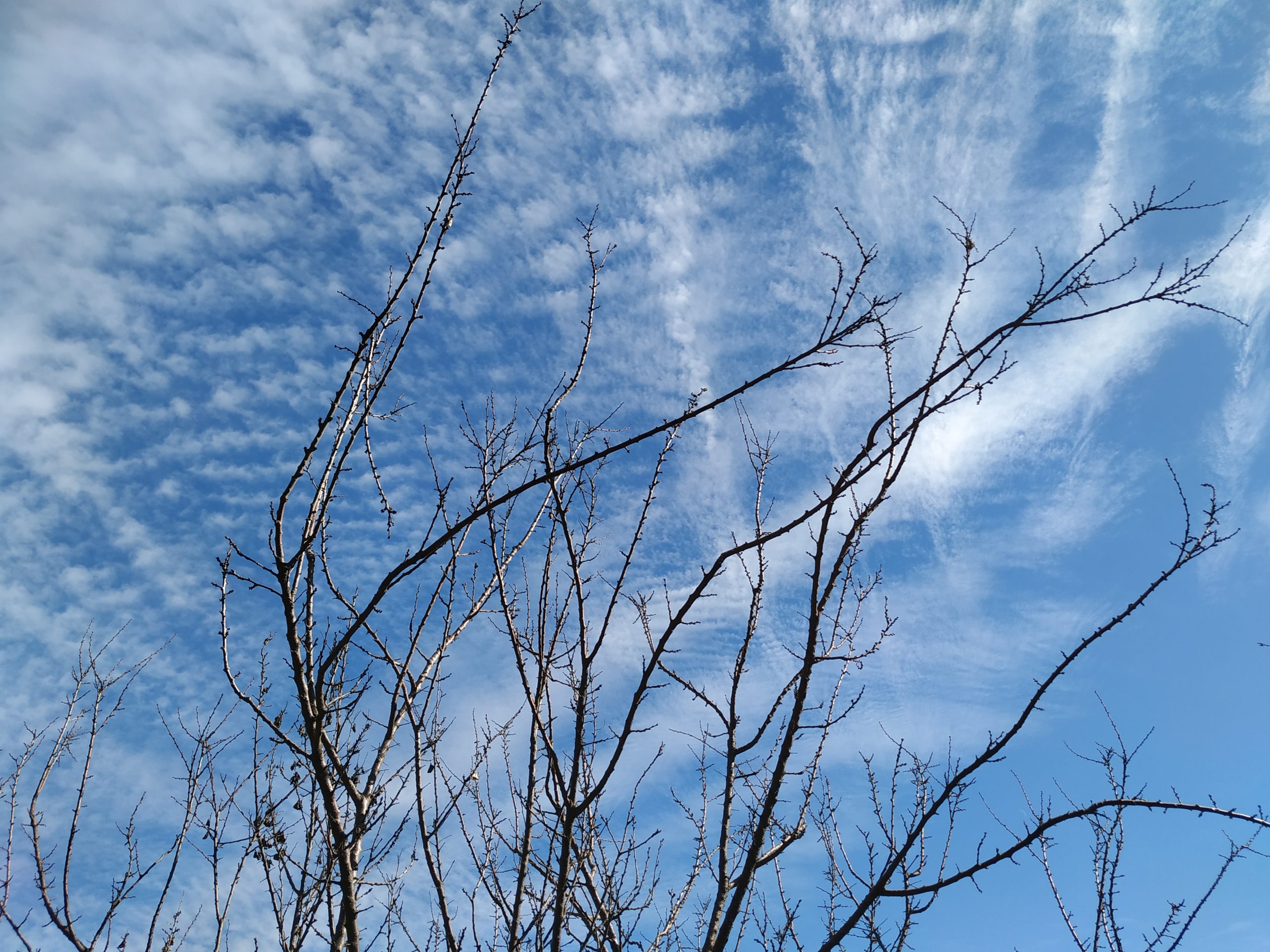
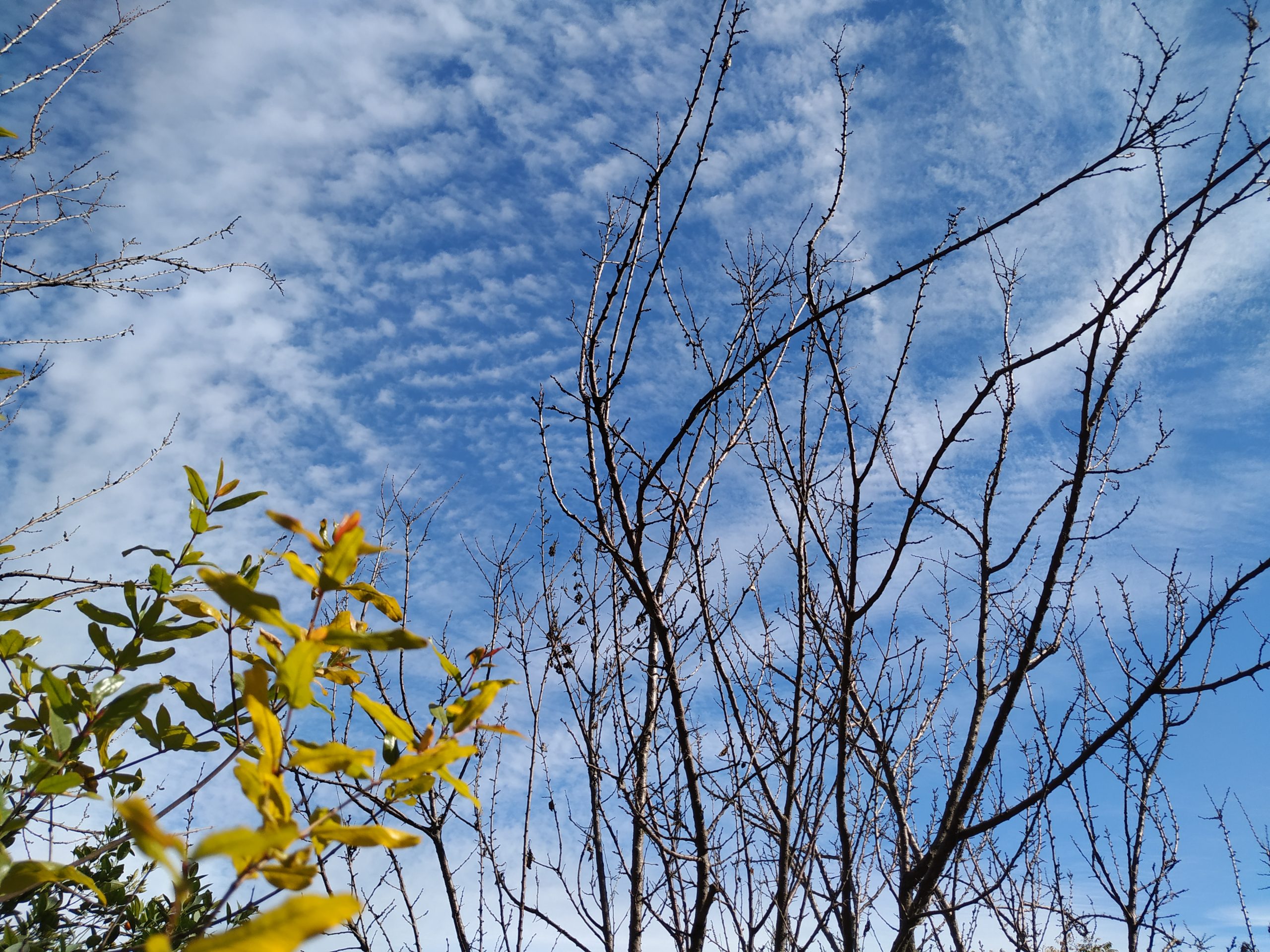
Patches of white on the sky-blue ocean, shape-shifting, these clouds, now right above me, now near the giant tree, now hiding the shy half-moon, now pulling the snow-covered mountain top closer and getting pulled towards simultaneously.
The wind playing on its own, swaying to-and-fro, dancing in a whirl, breathing through the trees, blowing a kiss to every broken leaf, falling gently with it on the ground.
The greens, browns, yellows and the spots of red and orange, all soaked in sun rays, full of winter-warmth, tease the cold shadows, shadows that keep whispering and slow dancing following the sun rays in sync – like one flowy movement.
Even though the eyes doze off, the picture paints well – the crimson sky and the crimson clouds, the twilight mix and the twinkling dots, winning over the night with love, falling stars, falling, falling in love.
And now, I open my eyes, afresh, I paint a picture with my eyes, it is all new, it is all unseen.
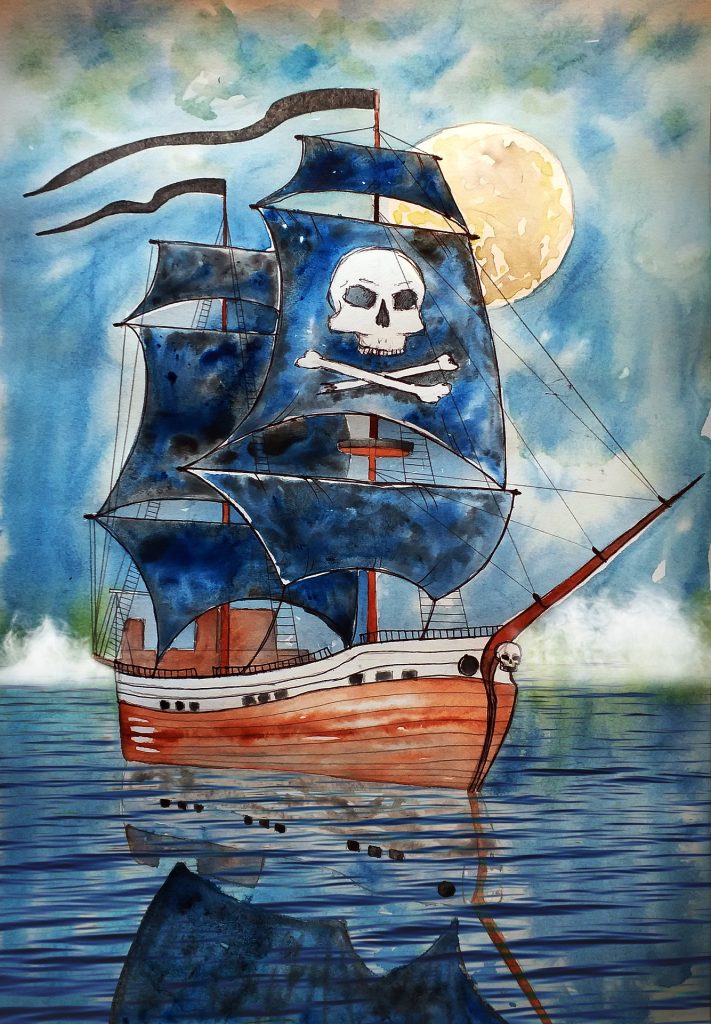
Pasha de Roos decides very early, it is the late 1800s, that he wants to become a pirate; a pirate captain, sans a wooden leg, eye-patch, bandana or even a pa-pa-parrot. Yeah! He loves turtles instead and there he goes, buying one old tortoise from a simpleton near the Tomato Market.
Oh, the Tomato Market is famous for many things like moringa, escarole, brussels sprouts, and you know…
Fredric-O, Ben, Pappy, Charles Vane, Jarrico and Inderpal are more or less ready to join Pasha de Roos’ troupe. He feels jittery these days, Pasha does, as he is not sure if this dream of his will ever come true.
Ignoring his family business of tomato farming is easy as his family has ousted him forever. Confident, Pasha is on the way back to his ancestral house to steal his great grandmother’s jewels, see, right, as otherwise how will he pay for the ship he bought last-to-last month from that simpleton?
Inderpal ditches Pasha de Roos; he weeps his heart out, but he, Inderpal, leaves nevertheless to work as a clerk in the town office. He promises to support Pasha de Roos emotionally.
*
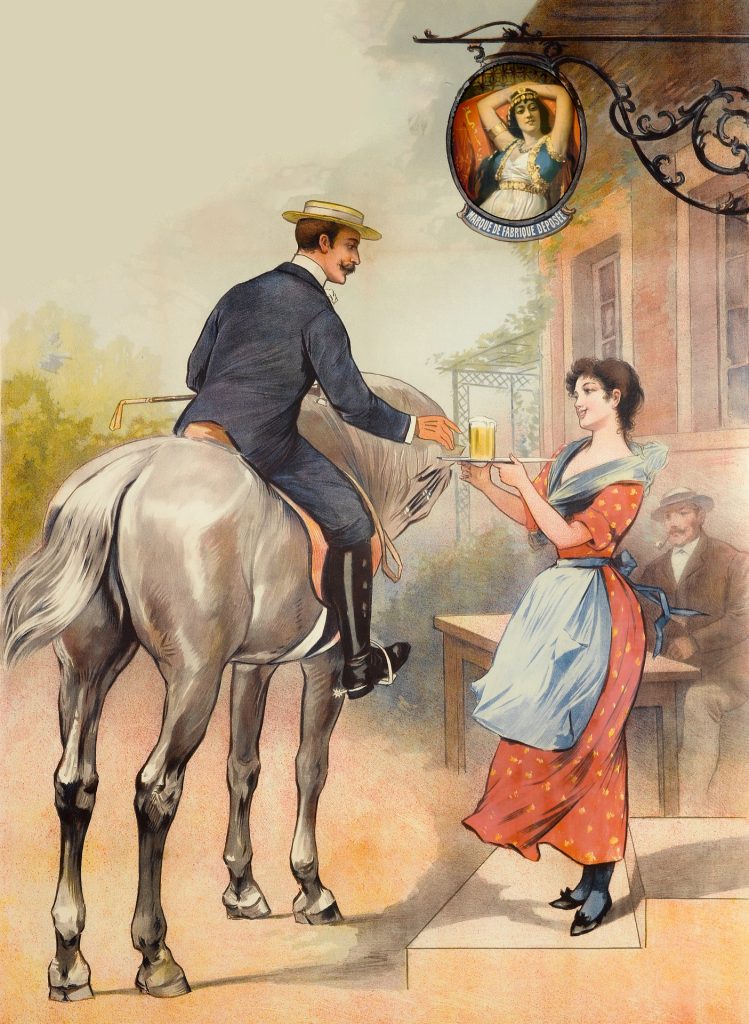
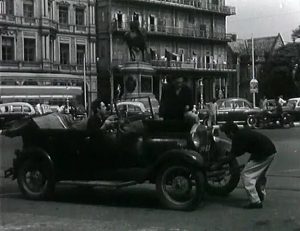
Please focus on Inderpal who is smoking cigar in the background.Merci! [Source – Pixabay]
Times are changing, pirating is not desired by many, this deadly joyful dangerous profession is dying, is dead already, say many sailors.
The simpleton before selling his ship shared such concerns about pirating with Pasha de Roos that a one-legged person with an eye patch and a parrot on his shoulder standing nearby died on the spot.
“Let us just go anyway, eh, let us just go anyway, eh, let us just go anyway, eh”, cries Pappy and the whole pub agrees with him. Pasha de Roos is addressing the wild crowd, hear him out once.
“Oh, come on, who says pirates are not reigning the seas anymore, eh, eh, who says the ocean bed has no riches, eh, eh, ha-ha-ha-ha-ha-ha.”
Everyone’s laughing now.
“Listen, tomorrow, I will file papers, me friend one clerk, old buddy, I say, let the clerks rule the seas on papery paper and we shall rule it for real, eh, eh, ha-ha-ha-ha-ha-ha-ha… I will take stamped permission to sail, ay, we will leave tomorrow around the lunch break time, eh, eh, ha-ha-ha-ha-ha-ha-ha.”
They have gone silent suddenly, the crowd.
And we time travel, it is 1955. Hmm!
Cyril Northcote Parkinson, a naval historian, has published an essay in The Economist. Pasha de Roos cannot, but we shall read about it now –
*
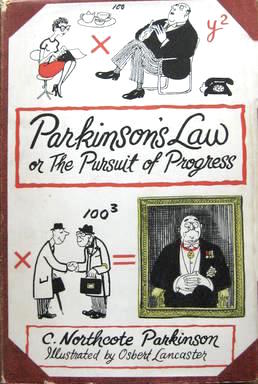
First edition cover of the book Parkinson’s Law (1958) [Source – Wikipedia]
Parkinson’s law is the observation that public administration, bureaucracy and officialdom expands, regardless of the amount of work to be done. This is attributed mainly to two factors: that officials want subordinates, not rivals, and that officials make work for each other.
Cyril Northcote Parkinson gives, as examples, the growth in the size of the British Admiralty and Colonial Office even when the numbers of their ships and colonies are declining.
The growth is presented mathematically with the formula x=(2km+P)/n in which k is the number of officials wanting subordinates, m is the hours they spent writing minutes to each other and so on.
Well, the Parkinson’s law can be applied in every situation, even in Pasha de Roos’. Pass it, pass it as a gossip or be direct, take it along, these calculation-free corollaries may guide him.
“Work complicates to fill the available time.”
“If you wait until the last minute, it only takes a minute to do.”
Again, we time travel, back to Pasha de Roos’s world.
Ben, Pappy and Fredric-O have become Inderpal’s subordinate and they are all working as clerks. It is true, Jarrico shares with Pasha de Roos, telling him to set a deadline for his dream project.
A deadline!? A word unheard of, tickles the mind.
*
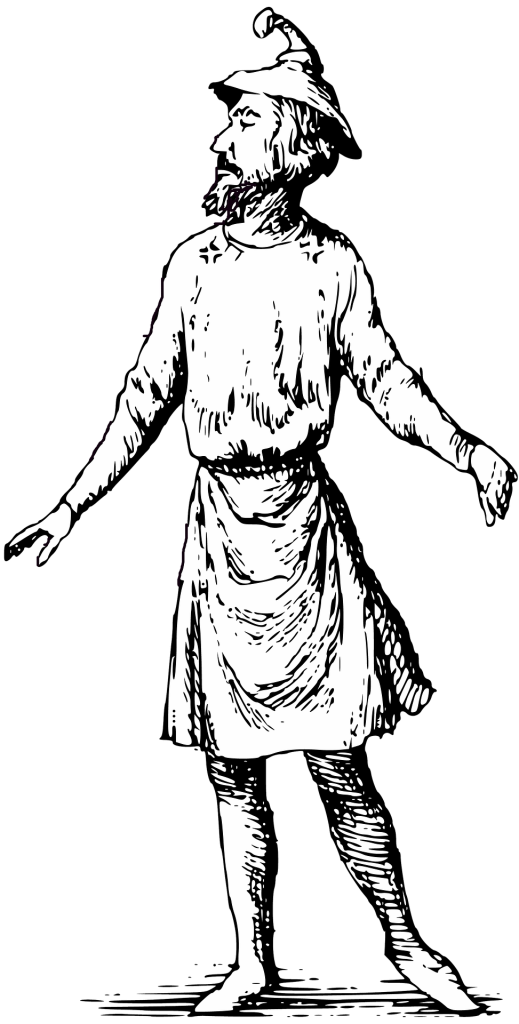
This is Pappy
Ben
Fredric-O
The simpleton who always helped Pasha de Roos, always, in fact he looked for him to offer help in this or that matter.
Confident that with so many of his buddies working as clerks, in tie-suit-boots, his one silly file with one silly paper – he really didn’t need the file, but that’s the fashion so – will be signed, stamped, signed, stamped and attested in a matter of minutes, yes, minutes that he reaches the office, look there he goes, laughing. ‘Ha-ha-ha-ha-ha-ha-ha-ha!”
A queue here, a queue there, wrongly filled form, no fee paid, no number, no date… and there leaves Pasha de Roos, bent and late. Late simply to set sail.
After three years, on a bright day when a deadline is also set, with no confusion and dense clarity, they are meeting today to paint the boat (he sold the ship back to the simpleton and bought a small boat in exchange), who all you say, well, Jarrico, Charles Vane and Pasha de Roos.
But the bright day is turning now into a dark evening, yet they haven’t settled on the colour. Oh! And now five berserk by-passers are arguing fervently about Jarrico’s choice of colour and Charles Vane’s paint brush’s size.
Huff-huff! Amongst all these experts, no one budges.
Deadline dies alone.
There in the future Cyril Northcote Parkinson gives a fresh argument in 1957 via the law of trivialitythat people within an organization commonly or typically give disproportionate weight to trivial issues.
He dramatizes this “law of triviality” with the example of a committee’s deliberations on an atomic reactor, contrasting it to deliberations on a bicycle shed.
Pasha de Roos is working all by himself in the farm. His exhausted shoulders droop in the sun, he is crying. “No, eh, I am sweating, eh, come on.” Okay, right, when Jarrico joined the clerk culture he didn’t cry then, when Charles Vane became the boss of the clerks, he didn’t cry then, why will he do so now.
*
Jarrico the Clerk
Charles Vane the boss as an old man.
Pasha’s great grandmother
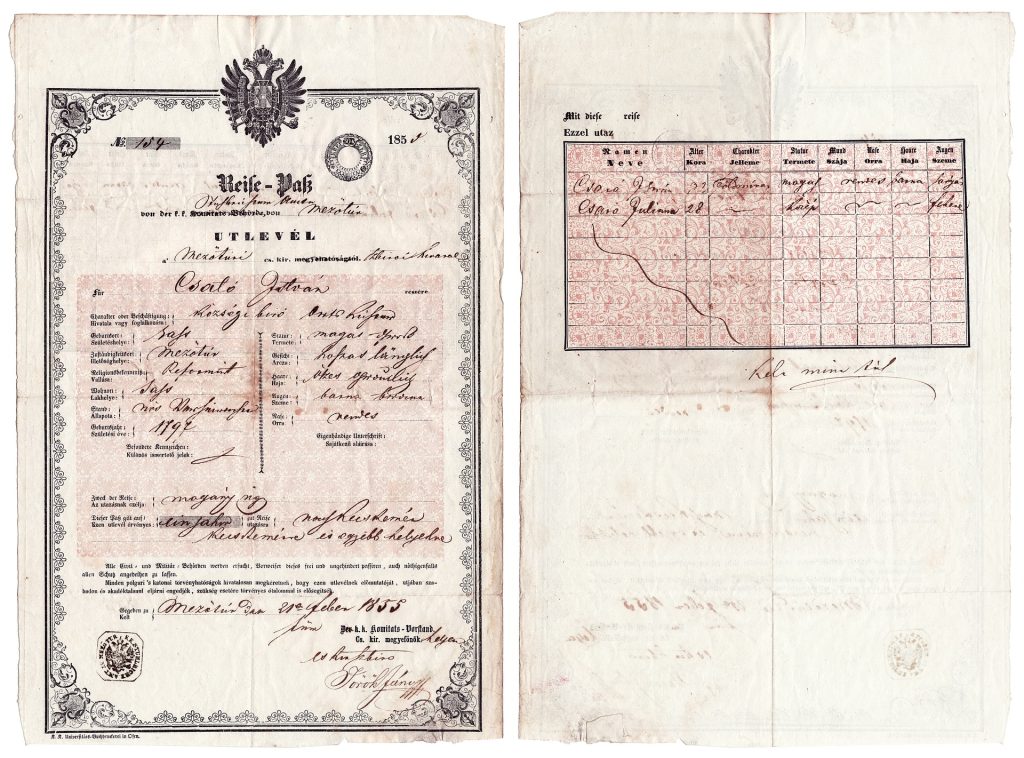
See Pasha, you failed to get signature here, here and there. See for yourself!
Pasha de Roos as an old chap.
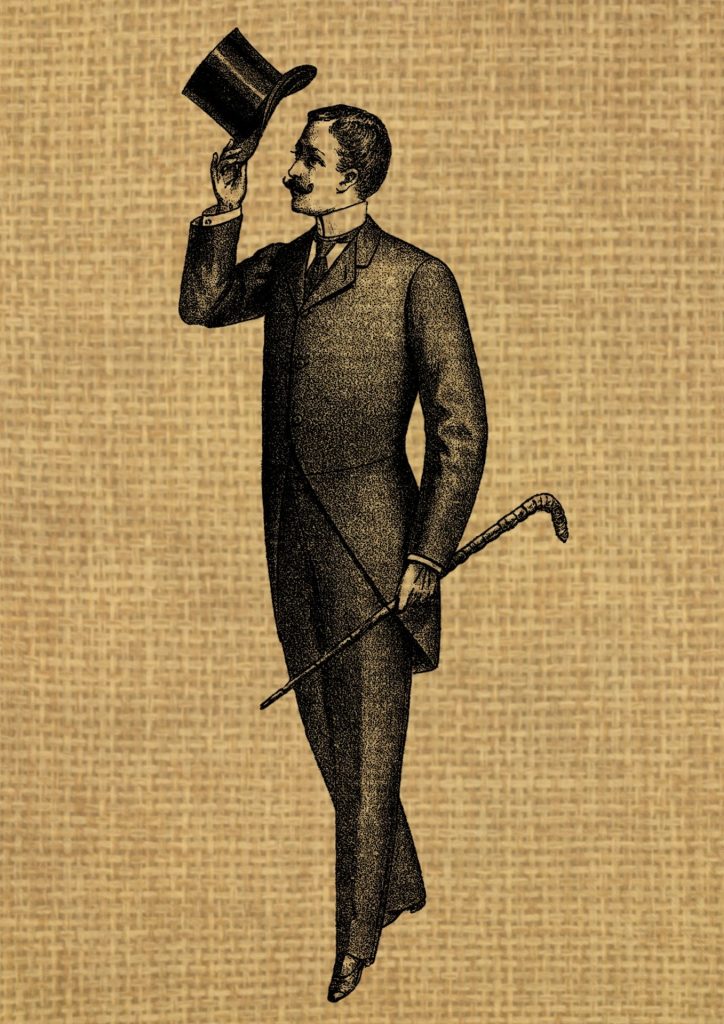
“Ha-ha-ha-ha-ha-ha-ha, I have a dream, yes, I will rule the Tomato Market. I have bought potato seeds and-aaaahhheeee.” Pasha de Roos’s great grandmother hits him with her sleek walking cane. She is in a good shape; look how she runs after him in the tomato farm. “Aaaahhhheee!”
Pasha de Roos, here ‘roos’ represents their family sign, that looks like a rose, and thus, the name ‘roos’ but was meant to be a tomato. Some painter got it wrong.
“No-no, it was my great, great, great Uncle Frye-aaahhheeee.”
I am joy running free/
freely flying, fluttering, soaring in a valley/
Of joy am running free.
Greetings!
A storyteller, following the ancient tradition of cave chroniclers, standing in vrikshasana (the tree pose) on a hill top (it is sunny, but windy), breathing in and out stories (relishing it all, but at times overwhelmed), declares animatedly that she will continue to – tell stories, share rare story gems, and connect with the pacy universe while also keeping the website ad-free.
Big thanks to my readers. Stay tuned!
Also, a humble request to the new subscribers to check the spam folder after subscribing. Silly (but necessary) confirmation emails often land there instead of the bright inboxes. Merci!
Ya-hoy!
Chiming Stories (formerly Home Chimes)
P.S – Supporting a storyteller is good for the world’s health (and undoubtedly, for the storyteller’s health as well). Shower some love by sharing, commenting and subscribing to the Weekly Newsletter.
Gabbeh, the 1996 film, is a simple tale of a gipsy girl, her clan and the way their life goes on. Unfolding beautifully just like an artist painting a canvas, Gabbeh quietly touches the grand questions.
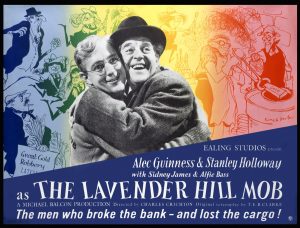
Ranked as one of the greatest British films of all time, The Lavender Hill Mob confides in the audience, letting them see, feel, laugh and think without tickling persuasively with a joke here and a punch-line there.
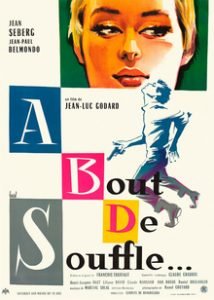
Godard… Breathless and Alive
A Tribute to Jean-Luc Godard, the Film Philologist who Reinvented Cinema.
Yes fly! For walking on the second track is dull and usual, but dreaming high, high, high requires tools. Tools like the right pair of shoes, a chirpy, gritty soul that eats butter-jam dreams, a soul that drinks milky-milky creams.
Silver cascade shimmering the night sky, music to the waves and surreal beauty to the eyes, the Moon loves the art of discipline.
It may be difficult to believe for the Moon’s splendour defies time, it stupefies the clock, it follows the path of a dreamer, but how could this be possible if the Moon knew not discipline?
In this moment, I am a little bit of this and a little bit of that, I am complete and incomplete, I am pleased and uncertain, I wish for nothing and I know I have to wait.
Because the distance covered reminds me of the hurdles I have crossed and the ones I could not, it reminds me of a throbbing past and a dreamy future and it reminds me of how much time is left.
Meredith and the Green Lake
Illimitable Splendour
A joy so complete without any rise or fall, so free without any time corners, so real without true being false, false being true.