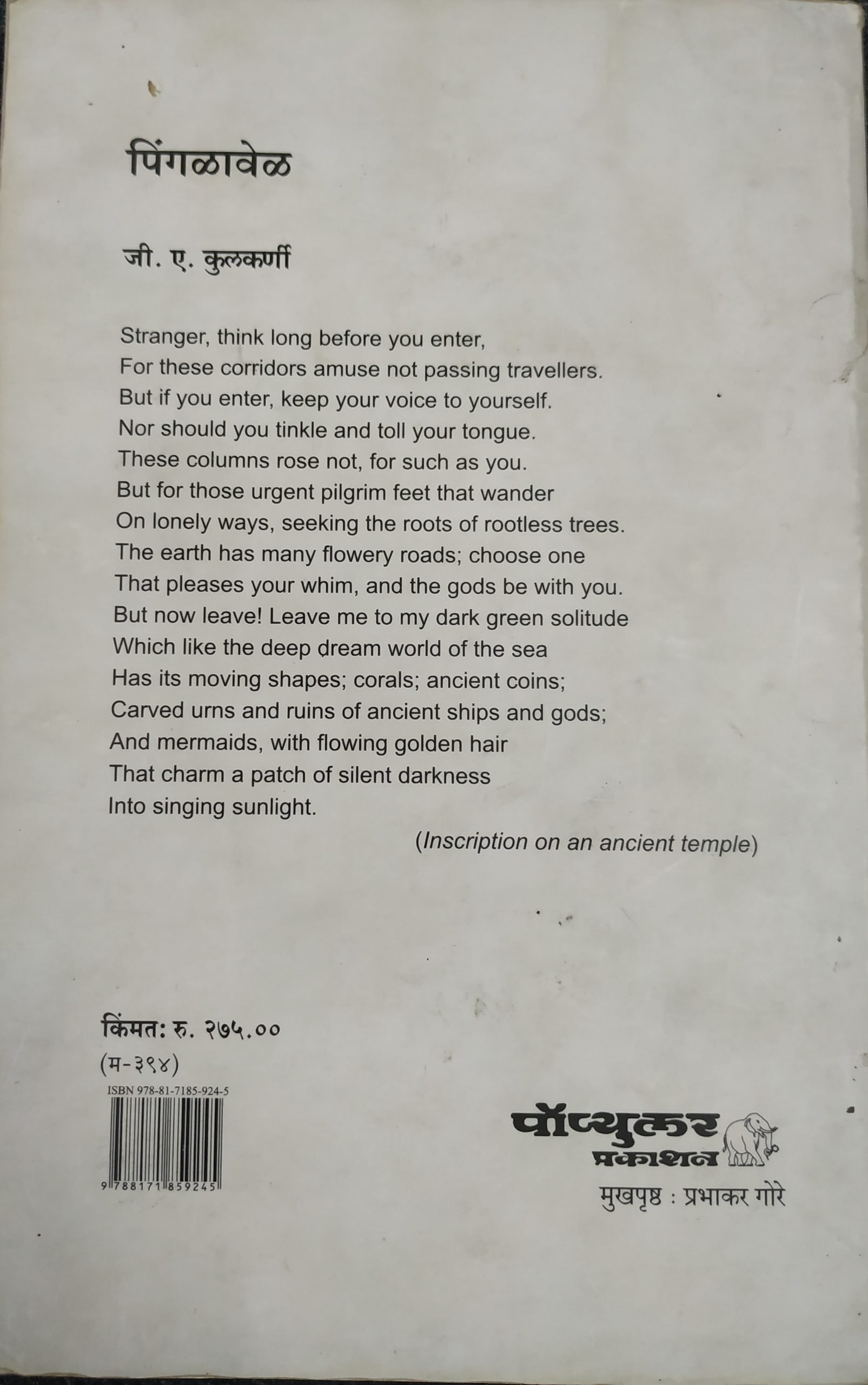
On lonely ways, seeking the roots of rootless trees.
The earth has many flowery roads; choose one
That pleases your whim, and the gods be with you.
But now leave! Leave me to my dark green solitude
Which like the deep dream world of the sea
Has its moving shapes; corals; ancient coins;
Carved urns and ruins of ancient ships and gods;
And mermaids, with flowing golden hair
That charm a patch of silent darkness
Into singing sunlight.
*
-Inscription on an ancient temple, Pingalavel, G.A Kulkarni
*
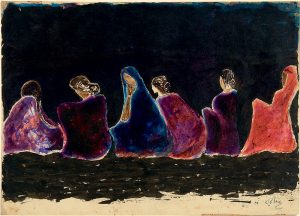
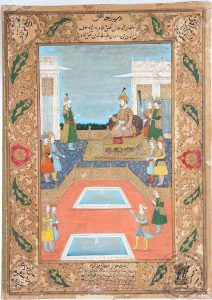
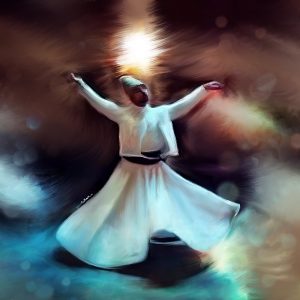
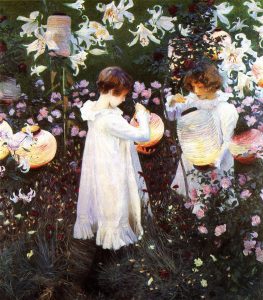
Images by Jagriti Rumi
*
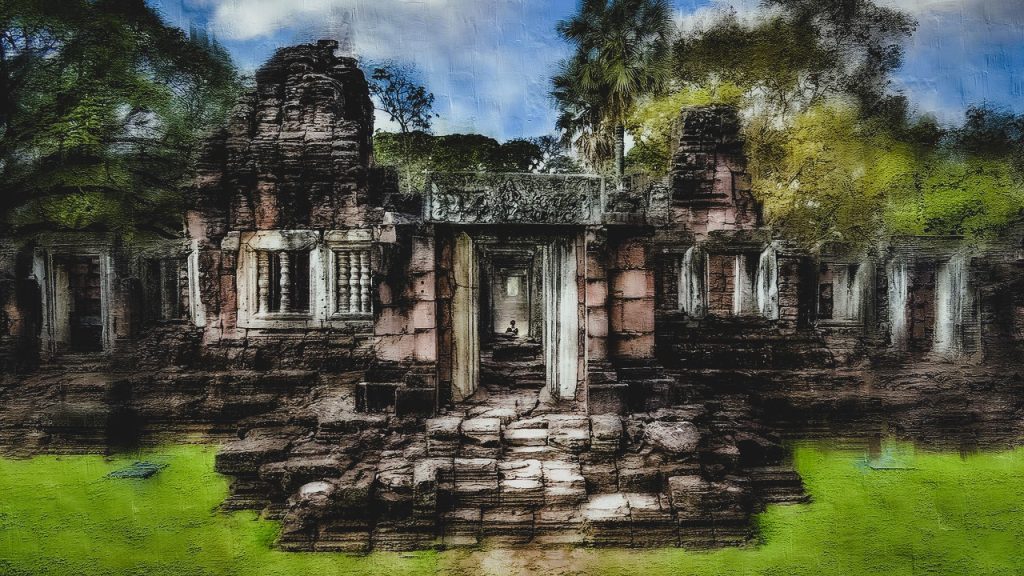
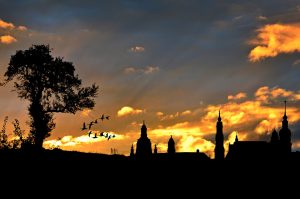
An ancient forgotten temple that luckily doesn’t asks for donation, mutters a handful of such words that falls on some lucky ears, but usually ricochets off the nearby rocks.
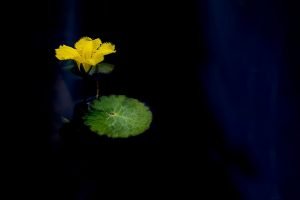
The mossy temple, absorbed in and absorbing the greenery around, is purposeless, meaningless, free from limited definitions.
It shoots comet-fireball-meteor-like sparkling rays randomly into the bright dark sky… or catches the comet-fireball-meteor-like sparkling rays… it shoots or catches… if you see after tilting your head a little.
And so, it meets and greets only the earnest pilgrim, who is roaming aimlessly, ‘seeking the roots of rootless trees.’ Admonishing a half-hearted, tied-to-a-string, fearful attempt, a fearful approach that has drawn conclusions. ‘… the gods be with you. But now leave!’
Sitting still, sinking into the deep sea, a silent celebration that never began and will never end.
The ancient forgotten temple disappears into singing sunlight.
Certain things are meant to be, but while we are living a moment, we rarely understand this beautiful phenomenon.
I am calling it a beautiful phenomenon because sooner or later we are able to gauge its magnanimity and purity. Everything simply falls into place.
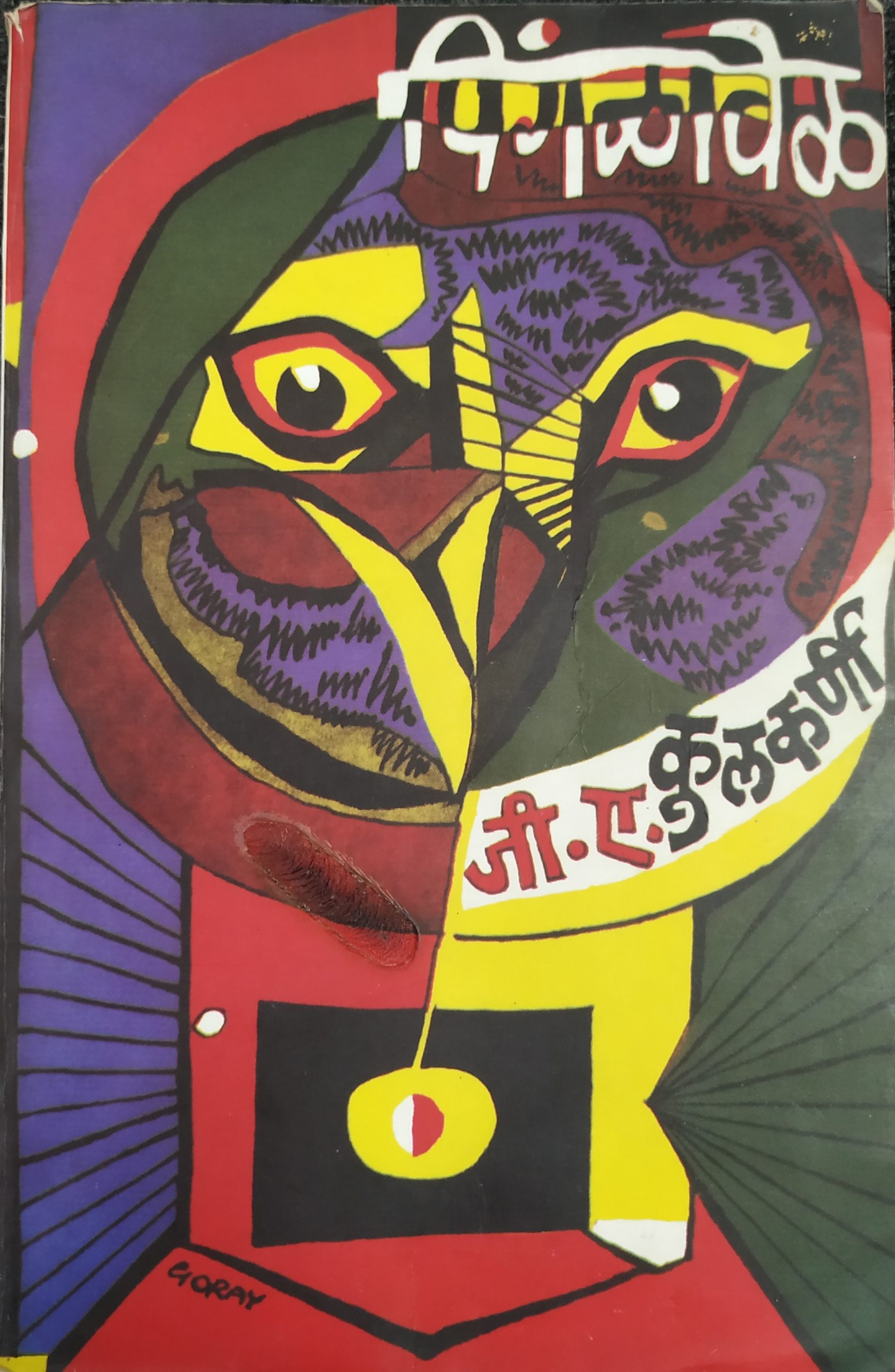
Early last year, I bought a book from a second hand street bookshop. The cover page captured my attention and reading a few lines here and there, I told myself that I am in for a treat. And happily, I wasn’t wrong.
‘The last time I saw Tibet’ took me to the land of the gods, to an eternal pilgrimage, to witness the serene beauty of the pious land and gave me a humbling experience.
Yes, the book is magical. There were times when a mere description of the icy winds blowing in a small village, Thokchen, at a height of almost 15,700 feet, made me quiver and a few lines about the picturesque valley that the author gazed upon left me in a trance.
His visits to the ancient and grand monasteries – Drepung, Sera and Ganden, to the fabulous Jokhang temple in Lhasa, to the royal palaces – Potala and Norbulingka – of His Holiness the Fourteenth Dalai Lama and especially his journey to the Kailashnath and Mansarovar offered me a spiritual spectacle, a chance to feel the presence of the Supreme One.
This fabulous travelogue by Bimal Dey along with presenting the reader with the wonderful scenic beauty of Tibet talks about its rich culture, about the mystical Lamas, about the simple, poor but happy people of Tibet.
What makes his journey to Tibet an immensely special tale is the fact that he traveled in the year 1956, when he was only 16, along with a group of lamas and theirs was the last group of pilgrims to do so until the dawn of the 21st century.
The glory of Tibet, the land that accepted Buddhism wholly and spread its enlightening knowledge everywhere in the world, is now a tale of the past. With the Revered Dalai Lama living a life of a refugee in India since 1959 and the maximum number of Tibetan lamas either living in India or abroad, the spirit of Tibet has weakened.
Tibet, under the rule of China, is not what it was. Can development now seen in Tibet be acknowledged when the soul of the land is quietly being crushed every day?
The number of monasteries destroyed in the past, the so called Cultural Revolution that took place in Tibet, the bloodshed of countless monks and nuns, the sudden disappearances of the religious leaders, the number of Tibetans who have given into self-immolation will shock you, it will dishearten you.
I was aware about the plight of the Tibetans before I read this book. Reading about their on-going fight troubled me as I felt helpless. But slowly something brought a change, my efforts to understand Buddhism through whatever means possible, made me realize that Buddhahood is present in everyone, it cannot be conquered, it cannot be oppressed.
Rather, if one starts recognizing it, such a person can achieve complete freedom. And I concluded and told myself that Tibet is free.
‘The last time I saw Tibet’ was meant to be read by me because after finishing this book I again felt that Tibet is free. How lovely this feeling is, how empowering! Such is the positivity with which this book has been written.
All the facts will defy this statement at the moment, but Tibet, its culture and its religion is not about facts, it is about the spiritual connection with the Ultimate One, with the Lord Buddha, the enlightened one, whose blessings are always there with every free mind.
Caught in the political drama some may not be able to understand this, Tibet –the roof of the world, where gods reside- is, was and will remain free.
Time, no matter years or decades, will seal this thought with grandeur that the peaceful land of Tibet deserves.
*
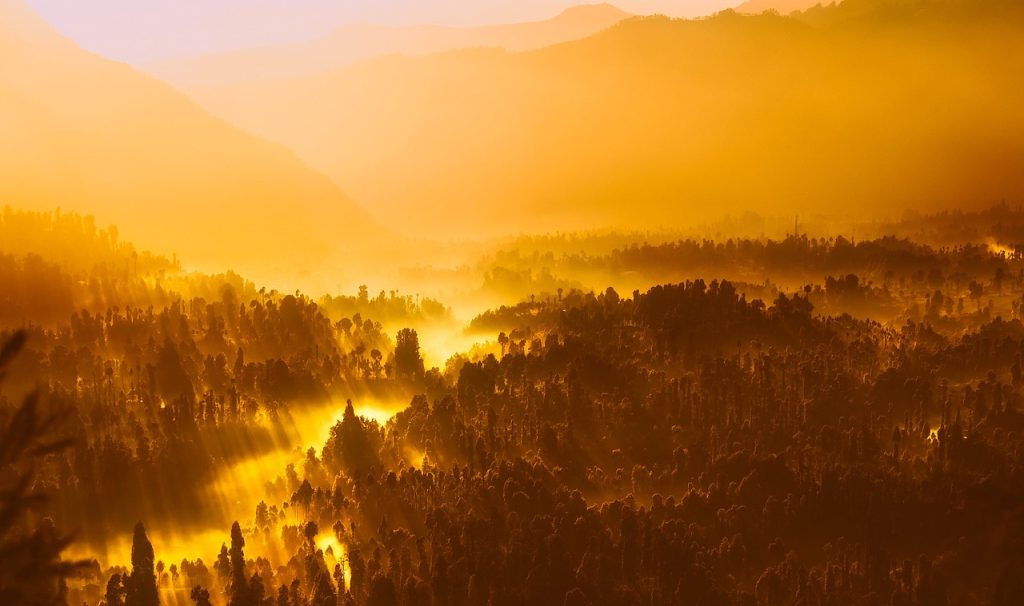
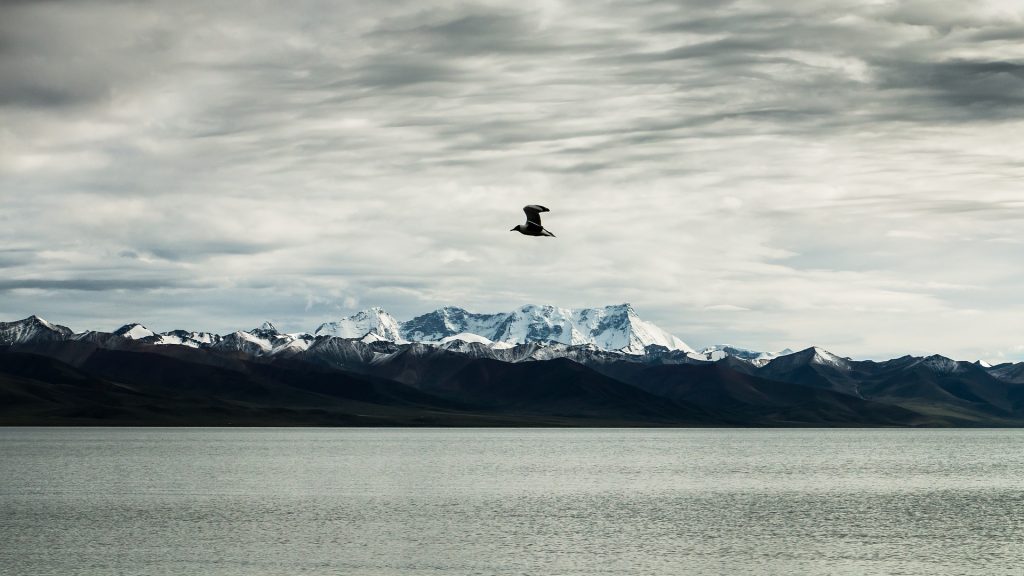
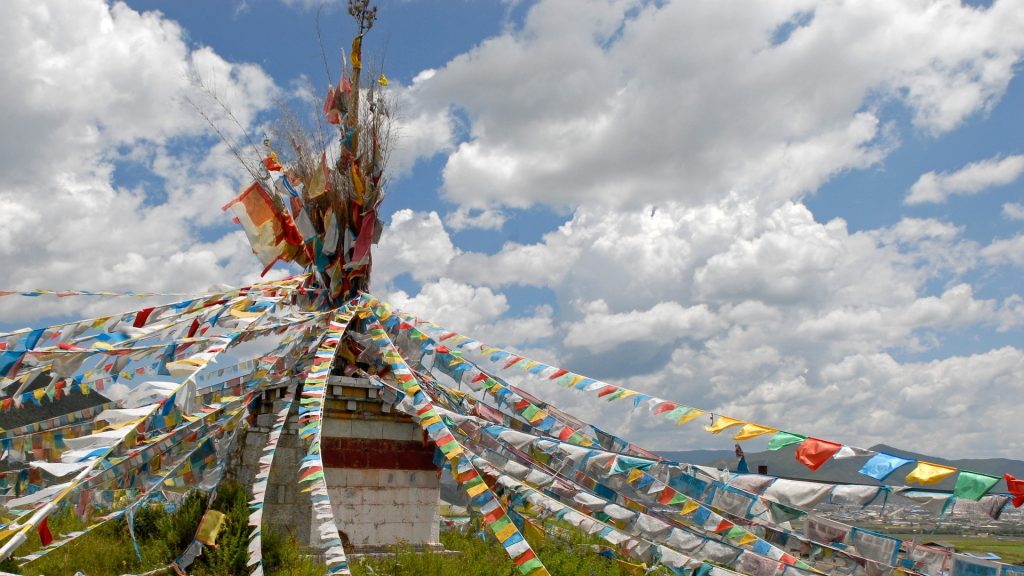
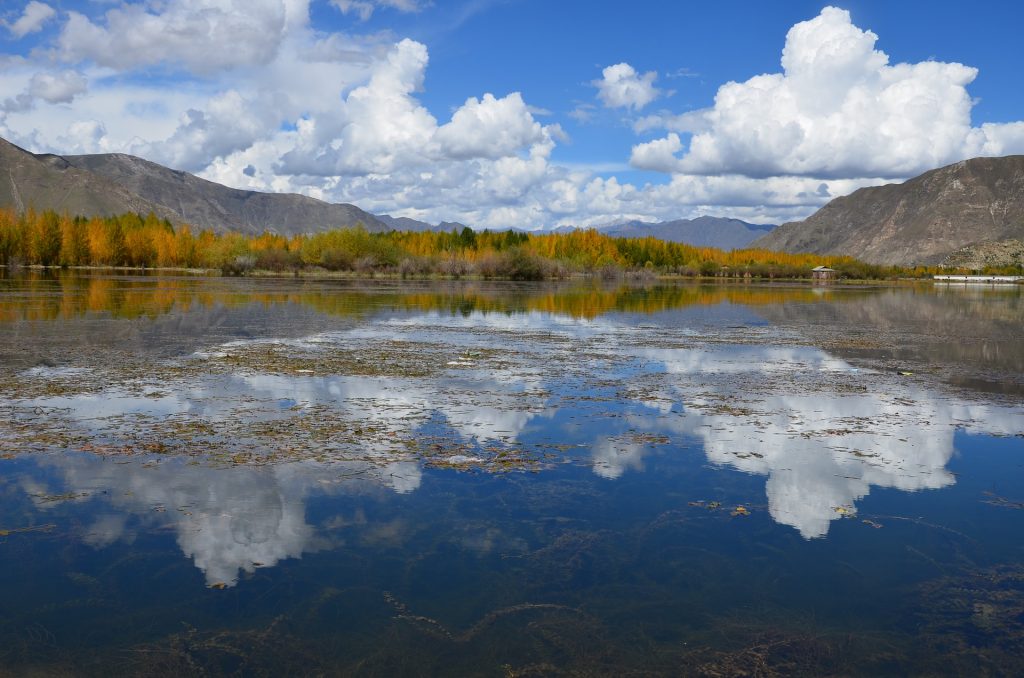
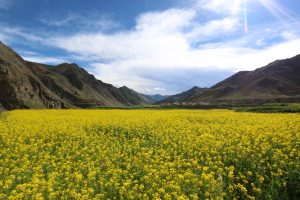
Tibet… picturesque, peaceful and pious. [Source – Pixabay]
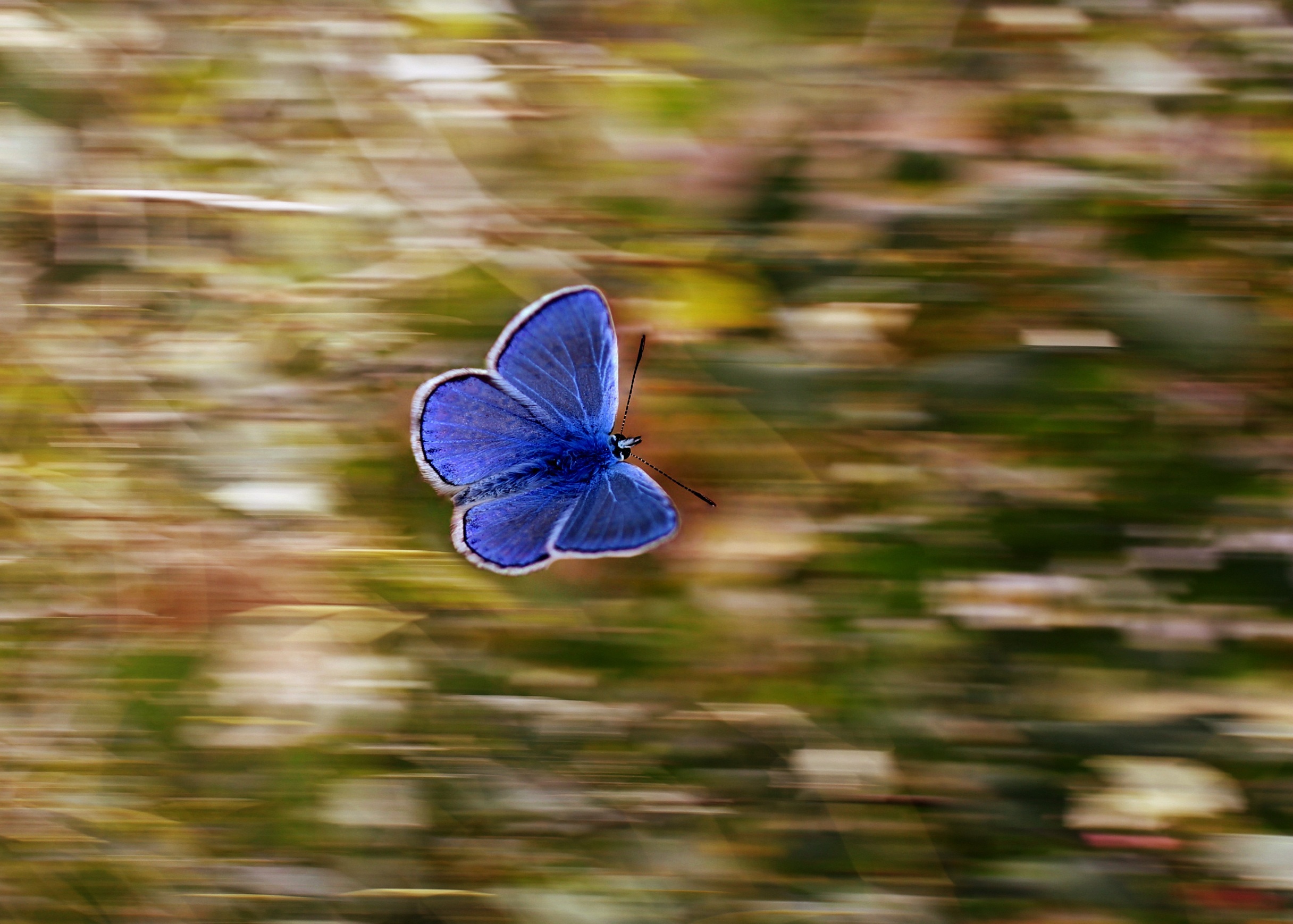
I am joy running free/
freely flying, fluttering, soaring in a valley/
Of joy am running free.
Greetings!
A storyteller, following the ancient tradition of cave chroniclers, standing in vrikshasana (the tree pose) on a hill top (it is sunny, but windy), breathing in and out stories (relishing it all, but at times overwhelmed), declares animatedly that she will continue to – tell stories, share rare story gems, and connect with the pacy universe while also keeping the website ad-free.
Big thanks to my readers. Stay tuned!
Also, a humble request to the new subscribers to check the spam folder after subscribing. Silly (but necessary) confirmation emails often land there instead of the bright inboxes. Merci!
Ya-hoy!
Chiming Stories (formerly Home Chimes)
P.S – Supporting a storyteller is good for the world’s health (and undoubtedly, for the storyteller’s health as well). Shower some love by sharing, commenting and subscribing to the Weekly Newsletter.
Gabbeh, the 1996 film, is a simple tale of a gipsy girl, her clan and the way their life goes on. Unfolding beautifully just like an artist painting a canvas, Gabbeh quietly touches the grand questions.
Ranked as one of the greatest British films of all time, The Lavender Hill Mob confides in the audience, letting them see, feel, laugh and think without tickling persuasively with a joke here and a punch-line there.
Godard… Breathless and Alive
A Tribute to Jean-Luc Godard, the Film Philologist who Reinvented Cinema.
Yes fly! For walking on the second track is dull and usual, but dreaming high, high, high requires tools. Tools like the right pair of shoes, a chirpy, gritty soul that eats butter-jam dreams, a soul that drinks milky-milky creams.
Silver cascade shimmering the night sky, music to the waves and surreal beauty to the eyes, the Moon loves the art of discipline.
It may be difficult to believe for the Moon’s splendour defies time, it stupefies the clock, it follows the path of a dreamer, but how could this be possible if the Moon knew not discipline?
In this moment, I am a little bit of this and a little bit of that, I am complete and incomplete, I am pleased and uncertain, I wish for nothing and I know I have to wait.
Because the distance covered reminds me of the hurdles I have crossed and the ones I could not, it reminds me of a throbbing past and a dreamy future and it reminds me of how much time is left.
Meredith and the Green Lake
Illimitable Splendour
A joy so complete without any rise or fall, so free without any time corners, so real without true being false, false being true.